
Floor Pumps for Tubeless Tires: The Easy Inflate!

Have you ever seen a bike tire that looks flat? It can be sad. You can’t ride your bike with flat tires. But what if you have a special kind of tire? These are called tubeless tires. They need a special pump to fill them with air. These pumps are called {floor pumps for tubeless tires}. Do you know why they are so important?
These pumps help keep your tires strong. They make sure you can have fun riding. Some pumps are easy to use. Others might be a bit tricky. Let’s learn more about {floor pumps for tubeless tires}. We will see why they matter for your bike rides. Are you ready to become a tire-pumping expert?
Key Takeaways
- {Floor pumps for tubeless tires} are essential for easily inflating and maintaining tubeless bike tires.
- A pump with a large air chamber makes seating tubeless tires much easier and faster.
- Look for pumps with accurate gauges to ensure correct tire pressure for optimal riding.
- Using a pump with a secure valve connection prevents air leaks during inflation.
- Investing in a quality floor pump saves time and frustration when setting up tubeless tires.
Why Use Floor Pumps for Tubeless Tires?

Using {floor pumps for tubeless tires} is super important. Regular pumps might not work well. Tubeless tires need a quick burst of air. This helps them seal to the wheel. Normal pumps can be too slow. They don’t push enough air fast enough. This is where floor pumps come in handy. They have bigger air chambers. This means they can push more air quickly. They help the tire pop onto the wheel easily. It can be frustrating when tires don’t seal right. A good floor pump can solve this problem. It makes setting up tubeless tires much easier. Plus, you won’t have to work as hard. You can get back to riding your bike faster. Using the right pump makes a big difference. It can save you time and stress. It also helps your tires last longer.
- Floor pumps provide a large volume of air quickly.
- They help seat tubeless tires properly on the rim.
- Using the right pump prevents air leaks and frustration.
- Floor pumps make tubeless tire setup easier and faster.
- They can extend the life of your tubeless tires.
Think of it like blowing up a balloon. If you blow slowly, the balloon might not inflate well. But if you blow hard and fast, the balloon inflates quickly. {Floor pumps for tubeless tires} work the same way. They give a big burst of air to seal the tire. This makes sure your tire is ready for riding. It’s like having a special tool for a special job. The right pump makes everything easier and more efficient. Plus, you’ll feel like a pro when you can set up your tires quickly and easily. So, next time you need to inflate tubeless tires, remember the importance of using a floor pump. It’s a game-changer for your bike rides.
Fun Fact or Stat: Did you know that some professional cyclists use special floor pumps that can inflate tires in under 10 seconds?
What Makes a Pump “Tubeless Ready?”
What does “tubeless ready” really mean? It means the pump is made to give a lot of air fast. This is key for tubeless tires. Regular pumps don’t always do this. Tubeless ready pumps have a special design. They can fill the tire quickly. This helps the tire seal to the rim. Imagine trying to fill a pool with a small cup. It would take forever! But if you use a big bucket, it’s much faster. Tubeless ready pumps are like that big bucket. They give a burst of air to seat the tire. They also often have features like a pressure gauge. This helps you get the right amount of air in your tires. So, when you see “tubeless ready,” think “fast air and easy sealing.” It’s all about making your life easier when setting up tubeless tires.
Air Volume and Its Importance
Air volume is how much air the pump can push. For tubeless tires, it’s super important. You need a lot of air fast. This helps the tire pop onto the rim. Think of it like this: you need a big push to get the tire to stay in place. A pump with low air volume won’t do the trick. It’s like trying to push a car with one hand. You need more power! Pumps with high air volume are better. They give that big push of air. This seals the tire quickly and easily. So, when you’re looking at {floor pumps for tubeless tires}, check the air volume. More air volume means easier tubeless setup. It can save you time and frustration on the trail.
Gauge Accuracy: Why It Matters
Gauge accuracy is very important. The gauge tells you how much air is in your tire. If the gauge isn’t correct, you might put too much or too little air in. This can cause problems. Too much air can make the tire explode. Too little air can make it flat. An accurate gauge helps you get it just right. It’s like following a recipe. If you don’t measure the ingredients correctly, the food won’t taste good. A good gauge helps you measure the air correctly. This makes sure your tires perform well. It also keeps you safe. So, always check the gauge on your {floor pumps for tubeless tires}. Make sure it’s accurate for the best ride.
Fun Fact or Stat: Some high-end floor pumps have digital gauges that are accurate to within 1 PSI (pound per square inch)!
How to Choose the Right Floor Pump

Choosing the right {floor pumps for tubeless tires} can seem tricky. There are so many options! But don’t worry, it’s easier than you think. First, think about the type of bike you have. Do you ride mountain bikes, road bikes, or both? Mountain bike tires usually need lower pressure. Road bike tires need higher pressure. Look for a pump that fits your bike type. Next, check the pump’s features. Does it have a good gauge? Is the pump easy to use? Does it have a long hose? These things can make pumping easier. Also, think about your budget. Some pumps are expensive. Others are more affordable. Find one that fits your needs and your wallet. Remember, the right pump can make a big difference. It can make inflating your tires much easier and faster. So, take your time and choose wisely.
- Consider the type of bike you ride.
- Check for a reliable and accurate gauge.
- Look for ease of use and comfortable handles.
- Consider the pump’s hose length for convenience.
- Set a budget before you start shopping.
Imagine you are going on a long bike ride. You want to make sure your tires are perfect. The right floor pump can help you do that. It’s like having a reliable friend who always has your back. A good pump will make sure your tires are properly inflated. This means you can ride smoothly and safely. It’s also important to read reviews before you buy a pump. See what other riders say about it. Do they like it? Is it easy to use? Does it last a long time? This can help you make a good choice. Choosing the right pump is an investment in your bike and your riding experience. So, take the time to find one that you love.
Fun Fact or Stat: The average lifespan of a high-quality floor pump is about 5 to 10 years with proper care!
Consider Your Bike Type
Think about your bike. What kind is it? Road bikes need high pressure. Mountain bikes need lower pressure. A pump for a road bike must reach high PSI. A pump for a mountain bike needs more volume. Some pumps work for both. These are great if you have more than one bike. Look at the pump’s PSI range. Make sure it fits your bike’s needs. If you ride a lot, invest in a good pump. It will make your life easier. It will also help you enjoy your rides more. So, know your bike and choose wisely.
Check the Gauge and Readability
The gauge tells you the tire pressure. It needs to be easy to read. Look for a big gauge with clear numbers. Some gauges are digital. These can be very accurate. Make sure the gauge shows PSI and bar. These are the units for tire pressure. If the gauge is hard to read, find another pump. You want to see the pressure quickly and easily. This will help you get the right amount of air. A good gauge is very important for safe riding. So, take your time and find one that works for you.
Ease of Use and Ergonomics
How easy is the pump to use? Can you pump it without too much effort? Look for a pump with a comfortable handle. The base should be stable. The hose should be long enough to reach your tires. Some pumps have special features. They can make it easier to attach to the tire valve. Read reviews to see what other people say. Do they find the pump easy to use? Ease of use is important. You don’t want to struggle every time you pump your tires. A good pump should make the job simple and quick.
Fun Fact or Stat: Ergonomically designed pump handles can reduce pumping effort by up to 30%!
Understanding Tubeless Tire Setup

Setting up tubeless tires can seem like a puzzle. But once you know the steps, it’s not too hard. First, you need special tubeless rims. These rims have a special shape. This helps the tire seal properly. Next, you need tubeless tires. These tires are made to hold air without a tube. You also need sealant. Sealant is a liquid that fills small holes. It helps keep the air inside the tire. Finally, you need {floor pumps for tubeless tires}. These pumps give a big burst of air. This helps the tire pop onto the rim. Follow the steps carefully. Make sure everything is clean and tight. With a little practice, you’ll be setting up tubeless tires like a pro. It’s a great way to improve your bike rides.
- Ensure you have tubeless-ready rims and tires.
- Use tubeless sealant to prevent air leaks.
- Properly seat the tire bead on the rim.
- Inflate the tire quickly with a floor pump.
- Check for leaks and adjust pressure as needed.
Imagine you’re building a Lego set. Each piece needs to fit just right. If one piece is missing or not in the right place, the whole set won’t work. Tubeless tire setup is similar. Each step is important. The rim, tire, sealant, and pump all need to work together. If you follow the instructions, you can create a great setup. This will give you a smooth and enjoyable ride. Don’t be afraid to ask for help if you need it. Many bike shops can help you set up your tubeless tires. They can also give you tips and advice. With the right tools and knowledge, you can master tubeless tire setup.
Fun Fact or Stat: Tubeless tires can run at lower pressures, providing better grip and comfort on rough terrain!
Rim and Tire Compatibility
Rims and tires need to fit together well. Not all tires work with all rims. Check the labels. Make sure the rim and tire are both tubeless ready. Some rims need special tape. This tape helps seal the rim. Read the instructions carefully. If the rim and tire don’t fit, you will have problems. The tire might not seal properly. It could even come off while you are riding. So, always check the compatibility. This will keep you safe and make your ride better. Ask a bike shop if you’re not sure.
The Role of Tubeless Sealant
Tubeless sealant is like magic liquid. It helps keep air in your tires. It also seals small holes. If you get a puncture, the sealant fills it. This can stop the tire from going flat. Pour the sealant into the tire before you inflate it. Use the right amount. Too much sealant can make a mess. Too little sealant might not work. Check the sealant level every few months. Add more if needed. Sealant is a key part of tubeless tires. It helps you avoid flats and enjoy your ride.
Seating the Tire Bead Correctly
Seating the tire bead means getting the tire onto the rim. The tire needs to sit evenly all the way around. This can be tricky. Make sure the tire is centered. Use your hands to push the tire onto the rim. Sometimes, the tire is stubborn. It won’t pop into place. This is where the floor pump comes in. A quick burst of air can help the tire seat. Listen for a popping sound. This means the tire is sealing. Check the tire all the way around. Make sure it’s even. If it’s not, let out some air and try again. Seating the bead correctly is very important. It makes sure your tire is safe and works well.
Fun Fact or Stat: Some tubeless sealants can seal punctures up to 6mm in size!
Step-by-Step Guide to Using Floor Pumps

Using {floor pumps for tubeless tires} is easy once you know how. First, make sure the pump head fits your tire valve. There are two main types of valves: Presta and Schrader. Presta valves are thin and have a small nut on top. Schrader valves are wider, like the ones on car tires. Most floor pumps have a head that works with both. Next, attach the pump head to the valve. Make sure it’s secure. You don’t want air to leak out. Now, start pumping. Use smooth, even strokes. Watch the gauge to see the pressure. Stop when you reach the desired pressure. Remove the pump head carefully. Check the tire for leaks. That’s it! You’ve successfully inflated your tubeless tire.
- Ensure the pump head matches your tire valve type.
- Attach the pump head securely to the valve.
- Use smooth, even strokes while pumping.
- Monitor the gauge to reach the desired pressure.
- Remove the pump head carefully to avoid leaks.
Imagine you’re playing a game. Each step in the game needs to be done right to win. Inflating a tire with a floor pump is similar. If you follow each step correctly, you’ll have a perfectly inflated tire. It’s important to take your time and be careful. Rushing can lead to mistakes. You might not attach the pump head correctly. Or you might over-inflate the tire. This can cause problems. So, be patient and follow the steps. With a little practice, you’ll become a pro at using your floor pump. It’s a valuable skill for any bike rider.
Fun Fact or Stat: A well-maintained floor pump can last for many years, making it a worthwhile investment for any cyclist!
Attaching the Pump Head Correctly
Attaching the pump head is very important. If it’s not on right, air will leak. This can make pumping very hard. First, loosen the nut on the Presta valve. Then, push the pump head onto the valve. Make sure it’s all the way on. Flip the lever to lock it in place. If you have a Schrader valve, just push the pump head on. It should click into place. Tug on the pump head to make sure it’s secure. If it comes off easily, try again. A good connection is key to easy pumping. So, take your time and get it right.
Pumping Techniques for Tubeless Tires
Pumping tubeless tires needs a special technique. You need to pump quickly. This helps the tire seal to the rim. Use long, smooth strokes. Push the handle all the way down. Pull it all the way up. Keep pumping until you hear a pop. This means the tire is seating. Watch the gauge. Stop when you reach the right pressure. If the tire isn’t seating, try pumping faster. You can also try bouncing the tire on the ground. This can help it pop into place. With practice, you’ll learn the best technique for your tires.
Checking for Leaks After Inflation
After you inflate the tire, check for leaks. Listen for a hissing sound. This means air is escaping. Look at the valve. Is air coming out? Check the tire all the way around. Look for bubbles. You can also use soapy water. Put it on the tire and valve. If you see bubbles, there’s a leak. If you find a leak, try tightening the valve. If that doesn’t work, you might need to add more sealant. Checking for leaks is very important. It makes sure your tire is safe to ride on.
Fun Fact or Stat: Adding a drop of water to the valve before attaching the pump head can help create a better seal!
Maintaining Your Floor Pump
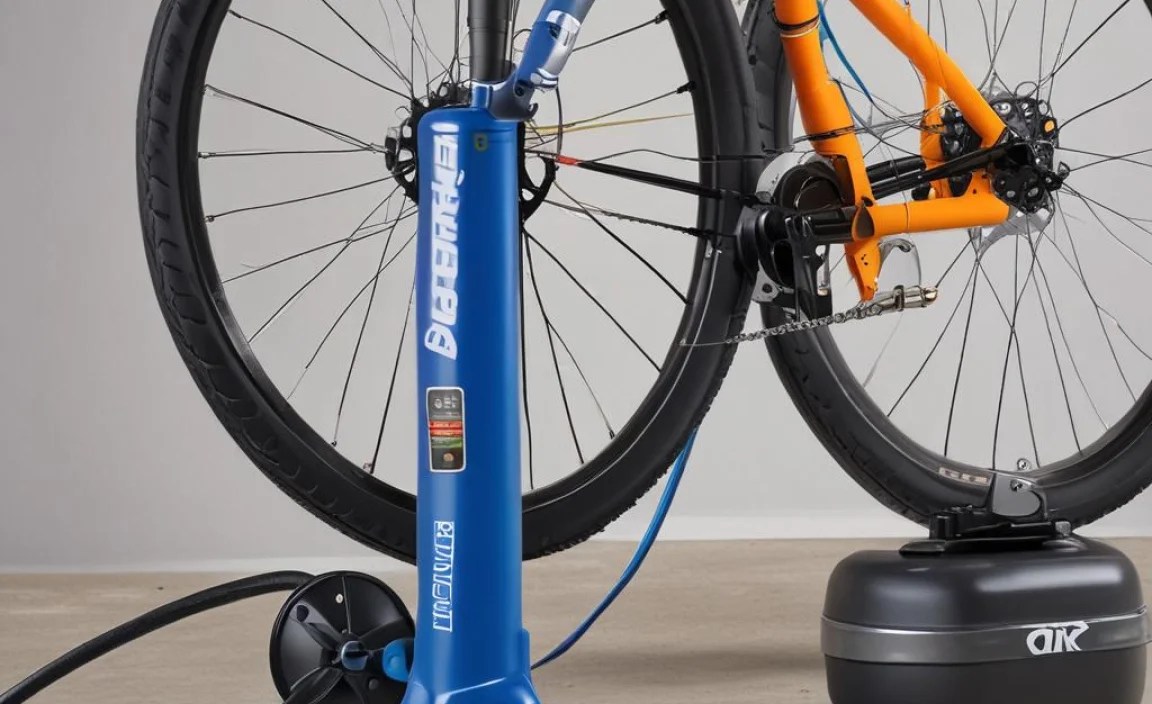
Taking care of your {floor pumps for tubeless tires} is essential. It helps them last longer and work better. First, keep your pump clean. Wipe it down with a cloth. This removes dirt and grime. Check the hose for cracks or damage. Replace it if needed. Also, check the pump head. Make sure it’s clean and in good condition. Sometimes, the pump head can get clogged. You can clean it with a small brush. Store your pump in a dry place. This prevents rust and corrosion. With proper care, your floor pump will be a reliable tool for years to come. It’s a small effort that makes a big difference.
| Maintenance Task | Frequency | How to Perform |
|---|---|---|
| Wipe Down | Monthly | Use a clean cloth to remove dirt and grime. |
| Check Hose | Every 3 Months | Look for cracks or damage; replace if needed. |
| Clean Pump Head | Every 6 Months | Use a small brush to remove any clogs. |
| Store Properly | Always | Keep in a dry place to prevent rust and corrosion. |
- Keep the pump clean from dirt and grime.
- Check the hose for any cracks or damage.
- Clean the pump head regularly to prevent clogs.
- Store the pump in a dry, safe place.
- Replace worn parts to maintain performance.
Imagine your floor pump is like a bicycle. If you don’t take care of your bike, it won’t work well. The same is true for your pump. Regular maintenance keeps it in top condition. It’s like giving your pump a check-up. This makes sure everything is working as it should. A well-maintained pump is easier to use. It also lasts longer. This saves you money in the long run. So, take the time to care for your floor pump. It’s a simple way to keep your bike tires properly inflated. And that means you can enjoy more bike rides.
Fun Fact or Stat: Regularly lubricating the piston of your floor pump can extend its lifespan by up to 50%!
Cleaning and Storage Tips
Clean your pump with a damp cloth. Wipe off any dirt or mud. Don’t use harsh chemicals. These can damage the pump. Store your pump indoors. Keep it away from sunlight and rain. Sunlight can fade the plastic. Rain can cause rust. Hang the pump on a hook. This keeps the hose from kinking. A clean and well-stored pump will last longer. It will also be ready when you need it.
Replacing Worn Parts
Sometimes, parts of your pump wear out. The hose might crack. The pump head might leak. The gauge might stop working. You can replace these parts. Most bike shops sell replacement parts. Check your pump’s manual. It will tell you what parts you need. Replacing worn parts is cheaper than buying a new pump. It also keeps your pump working well. So, don’t throw away your pump if it’s broken. Fix it!
Troubleshooting Common Issues
Sometimes, your pump might not work right. It might be hard to pump. Air might be leaking. The gauge might not move. These are common problems. First, check the pump head. Make sure it’s attached tightly. Next, check the hose. Look for cracks or holes. If the gauge isn’t working, it might be broken. You can replace the gauge. If the pump is hard to pump, try lubricating it. Put some oil on the piston. Troubleshooting can help you fix your pump. It can save you time and money.
Fun Fact or Stat: A small amount of silicone spray can help maintain the flexibility of your pump’s hose in cold weather!
Comparing Different Floor Pump Brands
Choosing {floor pumps for tubeless tires} can be tough. Many brands make great pumps. Some popular brands are Topeak, Park Tool, and Lezyne. Each brand has different features. Topeak pumps are known for their durability. Park Tool pumps are known for their accuracy. Lezyne pumps are known for their design. Consider what’s important to you. Do you want a pump that lasts a long time? Do you need a very accurate gauge? Do you want a pump that looks good? Read reviews and compare prices. This will help you find the best pump for your needs. Remember, a good pump is an investment in your bike riding.
- Topeak pumps are known for their durability.
- Park Tool pumps offer great accuracy.
- Lezyne pumps have stylish designs.
- Consider the features that matter most to you.
- Read reviews to compare pump performance.
Imagine you’re buying a new video game. You wouldn’t just pick the first one you see. You would read reviews, watch videos, and compare different games. Buying a floor pump is similar. You want to do your research. This will help you find the best pump for your needs. Think about the type of riding you do. Do you ride on rough trails? Then you might want a durable pump. Do you race? Then you might want a pump with a very accurate gauge. Also, think about your budget. Some pumps are more expensive than others. Find one that fits your needs and your wallet. With a little research, you can find the perfect floor pump.
Fun Fact or Stat: Some floor pump brands offer lifetime warranties on their products, showing their confidence in durability!
Topeak: Durability and Reliability
Topeak pumps are built to last. They use strong materials. This makes them very durable. Many riders trust Topeak pumps. They know they can rely on them. Topeak pumps often have simple designs. This makes them easy to use. They also have good gauges. This helps you get the right pressure. If you want a pump that will last a long time, consider Topeak. They are a popular choice for good reason. They offer great value for the money. They are also easy to find in bike shops.
Park Tool: Precision and Accuracy
Park Tool is known for making high-quality tools. Their floor pumps are no different. Park Tool pumps are very accurate. They have precise gauges. This helps you get the exact pressure you need. Many professional mechanics use Park Tool pumps. They trust them to be accurate. Park Tool pumps are also well-built. They are designed to last. If you need a pump that is very accurate, Park Tool is a great choice. Their pumps are a bit more expensive. But they are worth the investment.
Lezyne: Design and Innovation
Lezyne pumps are known for their stylish designs. They look good and work well. Lezyne pumps often have innovative features. This makes them easier to use. For example, some Lezyne pumps have a foot-activated valve. This makes it easier to attach the pump head. Lezyne pumps are also well-built. They use high-quality materials. If you want a pump that looks great and works well, consider Lezyne. Their pumps are a bit more expensive. But they are worth it if you value design.
Fun Fact or Stat: Lezyne was one of the first brands to integrate CNC-machined aluminum into floor pump designs!
Summary
{Floor pumps for tubeless tires} are essential for anyone using tubeless tires. These pumps provide the high volume of air needed to seat the tire bead properly on the rim. Unlike regular pumps, they deliver air quickly, ensuring a secure seal. Choosing the right floor pump involves considering factors like gauge accuracy, ease of use, and compatibility with your bike type. Brands like Topeak, Park Tool, and Lezyne offer reliable options with unique features. Proper maintenance, including cleaning and replacing worn parts, extends the life of your pump.
Understanding tubeless tire setup is also important. This includes using tubeless-ready rims and tires, along with sealant to prevent leaks. By following a step-by-step guide and using the right floor pump, you can easily inflate your tubeless tires and enjoy a smoother, more efficient ride. Remember to check for leaks after inflation to ensure optimal performance. Investing in a quality floor pump is a worthwhile investment for any serious cyclist.
Conclusion
Choosing the correct {floor pumps for tubeless tires} can make a big difference. It makes setting up your tires easier. A good pump saves you time. It also reduces frustration. Look for a pump with high air volume. Make sure the gauge is accurate. Consider the pump’s ease of use. With the right pump, you can enjoy smoother, faster rides. Investing in a quality pump is worth it for any cyclist.
Frequently Asked Questions
Question No 1: What is a tubeless tire, and why do I need a special pump?
Answer: A tubeless tire is a type of bike tire that doesn’t need an inner tube. Instead, it seals directly to the rim. This can give you better grip and less chance of getting a flat tire. You need a special floor pump because tubeless tires need a quick burst of air to seal correctly. Regular pumps might not give enough air fast enough. {Floor pumps for tubeless tires} have a bigger air chamber. This helps them seat the tire bead properly. This makes setting up tubeless tires much easier and faster.
Question No 2: How do I know if my floor pump is compatible with tubeless tires?
Answer: Look for pumps labeled as “tubeless ready” or “tubeless compatible.” These pumps are designed to deliver a high volume of air quickly. They often have a special feature called a “boost chamber.” This chamber stores extra air for a quick release. Check the pump’s description or packaging. It should say if it works with tubeless tires. Also, read reviews from other cyclists. They can give you helpful information. Using a {floor pumps for tubeless tires} ensures that you can inflate and seat your tires without struggling.
Question No 3: How much should I spend on a good floor pump for tubeless tires?
Answer: The price of {floor pumps for tubeless tires} can vary. A good quality pump can cost between $50 and $150. More expensive pumps often have better features. They might have a more accurate gauge. They could also be made from stronger materials. Think about how often you’ll use the pump. If you ride a lot, it’s worth investing in a better pump. If you only ride sometimes, a less expensive pump might be fine. Read reviews and compare features to find the best pump for your budget.
Question No 4: What is tire sealant, and why do I need it for tubeless tires?
Answer: Tire sealant is a special liquid that you put inside tubeless tires. It helps seal small punctures and leaks. If you get a small hole in your tire, the sealant will fill it. This can stop the tire from going flat. Sealant is very important for tubeless tires. It helps them stay inflated and prevents flats. You can buy sealant at most bike shops. Follow the instructions on the bottle to add it to your tires. Remember to check the sealant level every few months and add more if needed. This helps to ensure your tires remain protected while riding.
Question No 5: Can I use a CO2 inflator instead of a floor pump for tubeless tires?
Answer: CO2 inflators can be used to inflate tubeless tires. But they are not the best choice for setting them up initially. CO2 inflators give a quick burst of air. But they don’t always provide enough volume to seat the tire bead. {Floor pumps for tubeless tires} are better for this. They give a more consistent flow of air. CO2 inflators are good for emergencies on the trail. But for setting up your tires at home, a floor pump is the way to go. It’s also more economical in the long run because you don’t need to keep buying CO2 cartridges.
Question No 6: How often should I check the pressure in my tubeless tires?
Answer: You should check the pressure in your tubeless tires before every ride. Tire pressure can change over time. This is due to small leaks or changes in temperature. Use a gauge to check the pressure. Make sure it’s at the right level for your tires. The correct pressure depends on your weight and the type of riding you’re doing. Check your tire’s sidewall for the recommended pressure range. Keeping your tires properly inflated will give you a better ride. It will also help prevent flats. Always use {floor pumps for tubeless tires} with an accurate gauge to dial in the perfect pressure.


