
Easy: How to Replace Lezyne Pump Hose

Quick Summary: Replacing a Lezyne pump hose is easy and can save you money. You’ll need a new hose, a wrench or pliers, and a few minutes. First, remove the old hose by unscrewing it from the pump and chuck. Then, attach the new hose, making sure it’s tight. Test the pump to ensure it’s working correctly. This fix keeps your Lezyne pump working like new!
Is your Lezyne pump not inflating tires like it used to? A cracked or worn-out hose is often the culprit. Don’t worry, replacing it is a simple fix that anyone can do. A new hose will restore your pump’s performance, saving you from buying a whole new pump. This guide will walk you through each step, making the process straightforward and stress-free. Get ready to breathe new life into your trusty Lezyne pump!
Why Replace Your Lezyne Pump Hose?
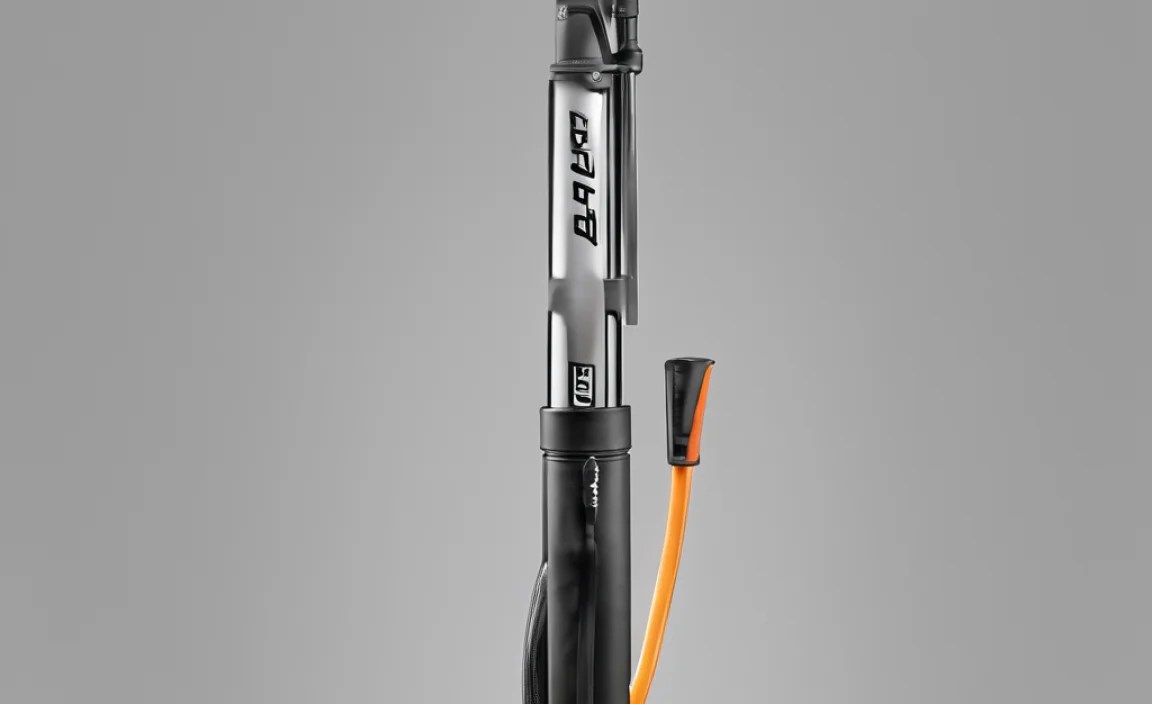
Over time, pump hoses can wear out, leading to leaks and poor performance. Here’s why replacing your hose is a smart move:
- Improved Performance: A new hose ensures efficient inflation.
- Cost Savings: Replacing a hose is cheaper than buying a new pump.
- Reliability: Avoid frustrating flats caused by a faulty pump.
- Extended Pump Life: Regular maintenance keeps your pump in top condition.
Tools and Materials You’ll Need

Before you start, gather these essential tools and materials:
- New Lezyne Pump Hose: Make sure it’s compatible with your pump model.
- Wrench or Pliers: For loosening and tightening connections.
- Soft Cloth: To protect the pump’s finish.
- (Optional) Thread Seal Tape: For an extra secure seal.
Step-by-Step Guide to Replacing Your Lezyne Pump Hose

Step 1: Prepare Your Work Area
Choose a clean, well-lit space to work on your pump. This helps prevent losing small parts and makes the process easier.
Step 2: Disconnect the Old Hose from the Pump
Use a wrench or pliers to gently loosen the connection where the hose attaches to the pump body. Wrap a soft cloth around the connection to avoid scratching the finish. Unscrew the hose completely and set it aside.
Step 3: Remove the Old Hose from the Chuck
The chuck is the part that attaches to the tire valve. Use a wrench or pliers to loosen the connection between the old hose and the chuck. Again, use a soft cloth to protect the chuck. Unscrew the hose completely.
Step 4: Prepare the New Hose
Inspect the new hose and ensure it is the correct length and has the proper fittings. If using thread seal tape, apply a small amount to the threads of the hose fitting that will connect to the pump body and the chuck. This helps create a tighter seal.
Step 5: Attach the New Hose to the Chuck
Screw the new hose onto the chuck. Tighten it with a wrench or pliers, but be careful not to overtighten. It should be snug but not strained.
Step 6: Connect the New Hose to the Pump Body
Screw the other end of the new hose onto the pump body. Use a wrench or pliers to tighten it securely. Again, avoid overtightening.
Step 7: Test the Pump
Attach the chuck to a tire valve and test the pump. Check for any leaks around the hose connections. If you find a leak, tighten the connections slightly until the leak stops.
Troubleshooting Common Issues
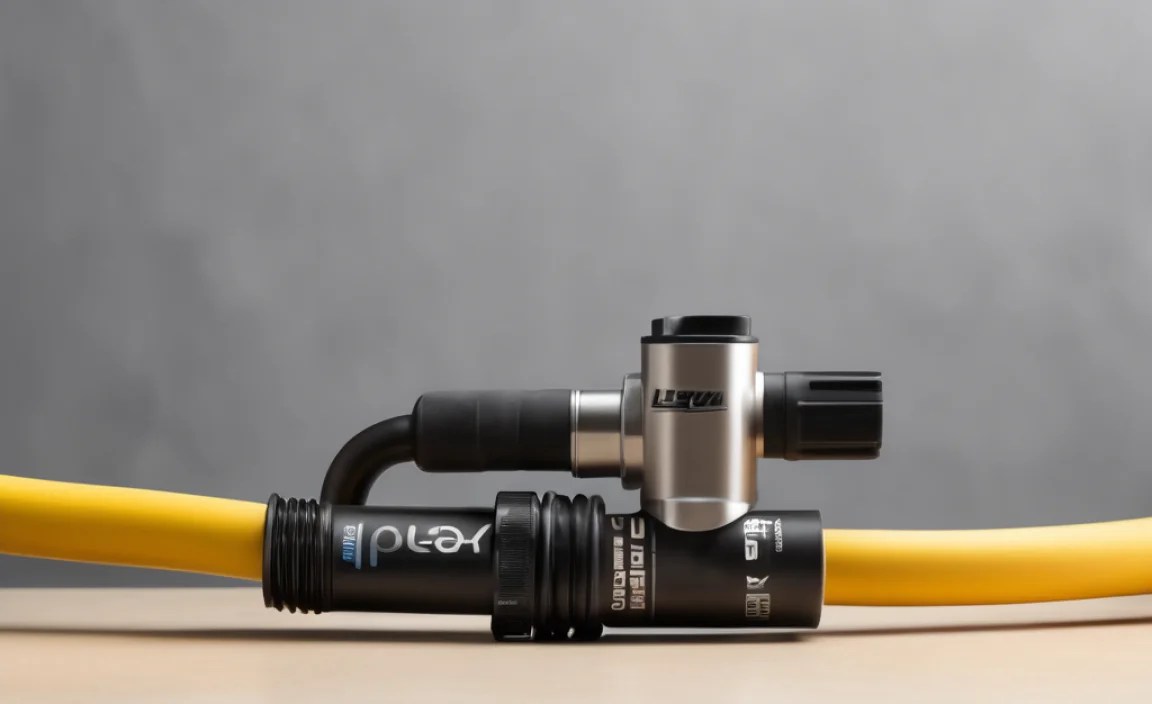
Sometimes, things don’t go as planned. Here are a few common issues and how to fix them:
- Leaks at the Connection: Tighten the connections further. If that doesn’t work, try adding thread seal tape.
- Hose Not Fitting: Make sure you have the correct hose for your pump model.
- Chuck Not Sealing: Ensure the chuck is properly attached to the tire valve. Clean the valve if necessary.
Maintaining Your Lezyne Pump Hose

To keep your pump hose in good condition, follow these tips:
- Regular Inspection: Check the hose for cracks or wear.
- Proper Storage: Store the pump in a cool, dry place.
- Gentle Use: Avoid kinking or bending the hose excessively.
Choosing the Right Replacement Hose
Selecting the correct replacement hose is crucial for a successful repair. Here’s what to consider:
- Compatibility: Ensure the hose is designed for your specific Lezyne pump model.
- Material: Look for durable materials like braided nylon or reinforced rubber.
- Length: Choose a hose length that matches the original.
Lezyne Pump Hose Compatibility Chart
Use this chart to find the right replacement hose for your Lezyne pump model:
| Pump Model | Hose Type | Hose Length |
|---|---|---|
| Lezyne Floor Drive | Threaded | 48 inches |
| Lezyne Micro Floor Drive | Threaded | 24 inches |
| Lezyne Road Drive | Threaded | 18 inches |
| Lezyne Digital Pressure Drive | Threaded | 48 inches |
Understanding Different Types of Pump Hoses
Pump hoses come in various materials and designs. Here’s a breakdown of the most common types:
- Rubber Hoses: Flexible and affordable, but less durable.
- Braided Nylon Hoses: More durable and resistant to kinking.
- Reinforced Rubber Hoses: Offer a good balance of flexibility and durability.
The Importance of Proper Tire Inflation
Maintaining the correct tire pressure is essential for a smooth and safe ride. Here’s why:
- Improved Rolling Resistance: Properly inflated tires roll faster and require less effort.
- Better Handling: Correct pressure enhances grip and control.
- Reduced Risk of Flats: Proper inflation prevents pinch flats.
- Increased Tire Life: Under- or over-inflated tires wear out faster.
Essential Bike Maintenance Tips
Besides pump maintenance, here are some other essential bike maintenance tips:
- Regular Cleaning: Keep your bike clean to prevent rust and wear.
- Chain Lubrication: Lubricate your chain regularly for smooth shifting.
- Brake Inspection: Check your brakes regularly and replace worn pads.
- Tire Condition: Inspect your tires for cuts, bulges, or excessive wear.
Why Lezyne Pumps Are a Great Choice
Lezyne pumps are known for their quality and durability. Here’s why they are a favorite among cyclists:
- High-Quality Materials: Lezyne pumps are made from durable materials that last.
- Innovative Design: Lezyne pumps feature innovative designs for efficient inflation.
- Wide Range of Options: Lezyne offers a pump for every type of cyclist.
Comparing Lezyne Pump Models
Here’s a comparison of some popular Lezyne pump models:
| Pump Model | Type | Pressure (PSI) | Features |
|---|---|---|---|
| Lezyne Floor Drive | Floor Pump | 220 | Steel barrel and piston, ergonomic handle |
| Lezyne Micro Floor Drive | Mini Floor Pump | 160 | Integrated foot peg, compact design |
| Lezyne Road Drive | Hand Pump | 160 | Lightweight, CNC-machined aluminum |
| Lezyne Digital Pressure Drive | Floor Pump | 220 | Digital gauge, accurate pressure readings |
Alternatives to Replacing Your Pump Hose
While replacing the hose is often the best solution, here are a few alternatives to consider:
- Hose Repair Kit: For small cracks or punctures, a repair kit might work.
- Professional Repair: Take your pump to a bike shop for professional repair.
- New Pump: If the pump is very old or damaged, a new pump might be necessary.
Where to Buy Lezyne Pump Hoses
You can purchase Lezyne pump hoses from various sources:
- Local Bike Shops: Support your local shop and get expert advice.
- Online Retailers: Amazon, REI, and other online retailers offer a wide selection.
- Lezyne Website: Purchase directly from the manufacturer.
Cost of a Lezyne Pump Hose Replacement
The cost of a replacement hose varies depending on the model and retailer. Generally, you can expect to pay between $10 and $30 for a new hose.
How to Choose the Right Bike Pump
Choosing the right bike pump can make a big difference in your cycling experience. Here are some factors to consider:
- Type of Pump: Floor pumps are great for home use, while hand pumps are more portable.
- Pressure: Choose a pump that can reach the recommended pressure for your tires.
- Valve Compatibility: Ensure the pump is compatible with your tire valves (Presta or Schrader).
- Durability: Look for a pump made from high-quality materials.
Understanding Presta and Schrader Valves
Bike tires use two main types of valves: Presta and Schrader. Here’s a quick overview:
| Valve Type | Appearance | Common Use | Pros | Cons |
|---|---|---|---|---|
| Presta | Narrow, with a locking nut | Road bikes, high-performance tires | Higher pressure, lighter weight | More fragile, requires adapter for some pumps |
| Schrader | Wider, like car tires | Mountain bikes, hybrid bikes | More durable, easier to inflate at gas stations | Lower pressure, heavier weight |
The Benefits of Maintaining Your Own Bike
Maintaining your own bike offers numerous benefits:
- Cost Savings: Avoid expensive bike shop repairs.
- Convenience: Fix issues on your own schedule.
- Knowledge: Learn more about your bike and how it works.
- Satisfaction: Enjoy the satisfaction of a job well done.
Safety Tips for Bike Maintenance
When working on your bike, always follow these safety tips:
- Wear Gloves: Protect your hands from grease and sharp edges.
- Use Proper Tools: Avoid damaging your bike with the wrong tools.
- Work in a Well-Lit Area: Ensure you can see what you’re doing.
- Consult a Professional: If you’re unsure about a repair, seek professional help.
FAQ: Replacing a Lezyne Pump Hose
Q1: How often should I replace my Lezyne pump hose?
A: Replace your Lezyne pump hose when you notice cracks, leaks, or reduced performance. Regular inspection can help you catch issues early.
Q2: Can I use any hose as a replacement for my Lezyne pump?
A: No, it’s best to use a hose specifically designed for your Lezyne pump model to ensure proper fit and function.
Q3: Do I need special tools to replace the hose?
A: You’ll typically need a wrench or pliers to loosen and tighten the hose connections. A soft cloth can help protect the pump’s finish.
Q4: What if I overtighten the hose connections?
A: Overtightening can damage the threads. Tighten the connections snugly, but avoid excessive force.
Q5: Where can I find the correct replacement hose for my Lezyne pump?
A: Check your local bike shop, online retailers like Amazon or REI, or the Lezyne website.
Q6: Is it difficult to replace a Lezyne pump hose?
A: No, replacing a Lezyne pump hose is a straightforward process that most cyclists can do with basic tools.
Q7: Can a damaged pump hose affect my tire pressure readings?
A: Yes, a damaged hose can cause inaccurate pressure readings, leading to over- or under-inflated tires.
Conclusion
Replacing your Lezyne pump hose is a simple yet effective way to keep your pump working like new. By following these steps, you can easily restore your pump’s performance and save money on costly repairs or replacements. Regular maintenance and timely hose replacements ensure you’re always ready to hit the road or trail with properly inflated tires. So, grab your tools, follow this guide, and enjoy the satisfaction of a well-maintained bike pump!


