
How to Store Hose Properly to Avoid Kinks: Smart Tips

Quick Summary: To keep your hose kink-free, drain it after each use. Then, coil it loosely in large loops or wind it onto a reel. Store it in a cool, dry, shaded spot away from direct sunlight and extreme temperatures. This will help prevent wear and keep your hose ready for your next task!
Hoses are super useful for watering your garden, washing your car, or even rinsing off your bike after a muddy ride. But dealing with a tangled, kinked hose is one of the most annoying things. It stops the water flow, can damage the hose, and wastes your time. The good news is that with a few simple steps, you can store your hose properly and say goodbye to those frustrating kinks. We’ll walk you through the best methods to keep your hose in great shape, making your outdoor tasks much easier and more enjoyable. Let’s dive in!
Why Proper Hose Storage Matters

Taking the time to store your hose correctly is more important than you might think. It’s not just about keeping things tidy; it’s about extending the life of your hose and making sure it’s always ready when you need it. Here’s why it’s worth the effort:
- Prevents Kinks and Tangling: Kinks restrict water flow and can weaken the hose material over time.
- Extends Hose Lifespan: Proper storage protects the hose from sun damage, extreme temperatures, and physical wear.
- Saves Time and Effort: A well-stored hose is easy to access and use, saving you the frustration of untangling it every time.
- Maintains Water Pressure: Kinks reduce water pressure, making your watering or cleaning tasks less efficient.
- Protects the Hose Material: Sunlight and extreme temperatures can degrade the rubber or plastic, leading to cracks and leaks.
Essential Steps Before Storing Your Hose
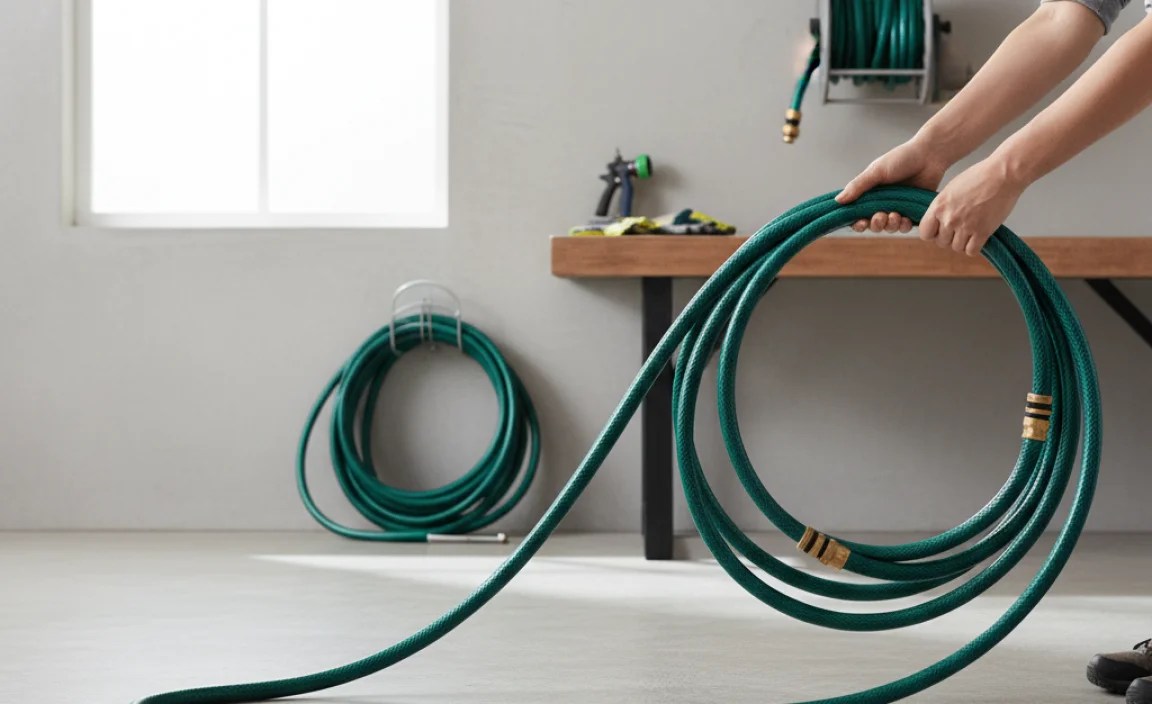
Before you even think about coiling or reeling your hose, there are a few crucial steps to take. These steps ensure that your hose is clean, dry, and ready for storage, which helps prevent damage and prolong its life.
1. Drain the Water Completely
Leaving water in your hose can cause several problems. In warm weather, it can lead to algae growth inside the hose. In freezing temperatures, the water can freeze and expand, potentially cracking or splitting the hose. Here’s how to drain it properly:
- Disconnect the Hose: Detach the hose from the water source (faucet or spigot).
- Lay the Hose Straight: Stretch the hose out as straight as possible on a slight downward slope.
- Walk Along the Hose: Start at the faucet end and walk along the hose, gently lifting and shaking it to encourage water to flow out.
- Elevate One End: Lift one end of the hose and let gravity help drain any remaining water.
- Connectors Down: Hold the hose up with the connectors pointing downward to allow any trapped water at the ends to escape.
2. Clean the Hose
Dirt, debris, and chemicals can accumulate on your hose over time. Cleaning it before storage helps prevent these substances from damaging the hose material. Here’s a simple cleaning process:
- Rinse with Water: Use a hose nozzle or sprayer to rinse the entire length of the hose with clean water.
- Mild Soap (If Needed): If the hose is particularly dirty, use a mild soap (like dish soap) and a soft brush to scrub the surface gently.
- Rinse Again: Thoroughly rinse off all soap residue with clean water.
- Inspect for Damage: While cleaning, check for any cuts, cracks, or weak spots. Address these issues before storing the hose.
3. Dry the Hose
Moisture can lead to mold and mildew growth, which can damage the hose. Drying the hose before storage is essential. Here’s how to do it:
- Lay it Out: Spread the hose out in a sunny spot, if possible. The sun’s UV rays can also help kill any lingering bacteria or algae.
- Wipe it Down: Use a clean cloth to wipe down the hose, removing any remaining water droplets.
- Air Dry: Allow the hose to air dry completely before storing it. This may take a few hours, depending on the weather.
Best Methods for Storing Your Hose

Now that your hose is clean, dry, and ready, let’s explore the best ways to store it to prevent kinks and prolong its lifespan.
1. Coiling by Hand
Coiling by hand is a simple and effective method, especially if you don’t have any specialized equipment. The key is to make large, loose coils to avoid putting stress on the hose material.
- Start Coiling: Begin at one end of the hose and create a large loop, about 2-3 feet in diameter.
- Continue Looping: Continue making loops, laying each one next to the previous one.
- Secure the Coil: Once you’ve coiled the entire hose, use a hose strap, bungee cord, or piece of rope to secure the coil. Avoid using zip ties, as they can be too tight and damage the hose.
- Hang or Store Flat: You can hang the coiled hose on a large hook or store it flat on a shelf or in a storage bin.
2. Using a Hose Reel
A hose reel is a convenient way to store and use your hose. It keeps the hose neatly organized and makes it easy to wind and unwind as needed. There are several types of hose reels available:
- Wall-Mounted Reels: These reels attach to a wall and are great for keeping the hose off the ground.
- Portable Reels: These reels have wheels and can be easily moved around your yard.
- Automatic Reels: These reels have a spring-loaded mechanism that automatically winds the hose for you.
Here’s how to use a hose reel effectively:
- Attach the Hose: Connect one end of the hose to the reel’s connector.
- Wind the Hose: Turn the reel’s handle to wind the hose onto the reel. Make sure to guide the hose evenly across the reel to prevent bunching.
- Avoid Overlapping: Try not to overlap the hose as you wind it, as this can create kinks.
- Secure the End: Use the reel’s clip or strap to secure the end of the hose.
3. Using a Hose Pot or Container
A hose pot or container is a decorative way to store your hose. It keeps the hose hidden and can add a touch of style to your outdoor space.
- Coil the Hose: Coil the hose by hand, as described above.
- Place in Pot: Gently place the coiled hose into the pot or container.
- Avoid Overfilling: Don’t overfill the pot, as this can make it difficult to remove the hose.
- Ensure Drainage: Make sure the pot has drainage holes to prevent water from accumulating inside.
4. Figure-Eight Method
The figure-eight method can prevent kinks by avoiding circular twists. It’s a bit more involved but worth it for long-term hose health.
- Lay the Hose Flat: Start by laying the hose flat on the ground.
- Create the First Loop: Make a loop by bringing the end of the hose back towards the starting point.
- Form the Eight: Instead of coiling in a circle, bring the hose across the first loop to form a figure eight.
- Continue the Pattern: Continue making loops, alternating sides to maintain the figure-eight pattern.
- Secure the Hose: Use straps or cords to hold the figure eight together for storage.
Where to Store Your Hose

Where you store your hose is just as important as how you store it. The ideal storage location will protect the hose from the elements and prevent damage.
1. Shaded Area
Direct sunlight can degrade the hose material over time, causing it to become brittle and crack. Store your hose in a shaded area, such as a garage, shed, or under a covered porch.
2. Cool, Dry Place
Extreme temperatures can also damage the hose. Avoid storing it in direct sunlight or in areas that get very hot or cold. A cool, dry place will help prolong its lifespan.
3. Away from Chemicals
Chemicals, such as fertilizers, pesticides, and cleaning solutions, can react with the hose material and cause it to deteriorate. Store your hose away from these substances.
4. Off the Ground
Storing your hose off the ground helps prevent it from getting dirty and damaged. Use a hose reel, hook, or shelf to keep it elevated.
Tips for Maintaining Your Hose
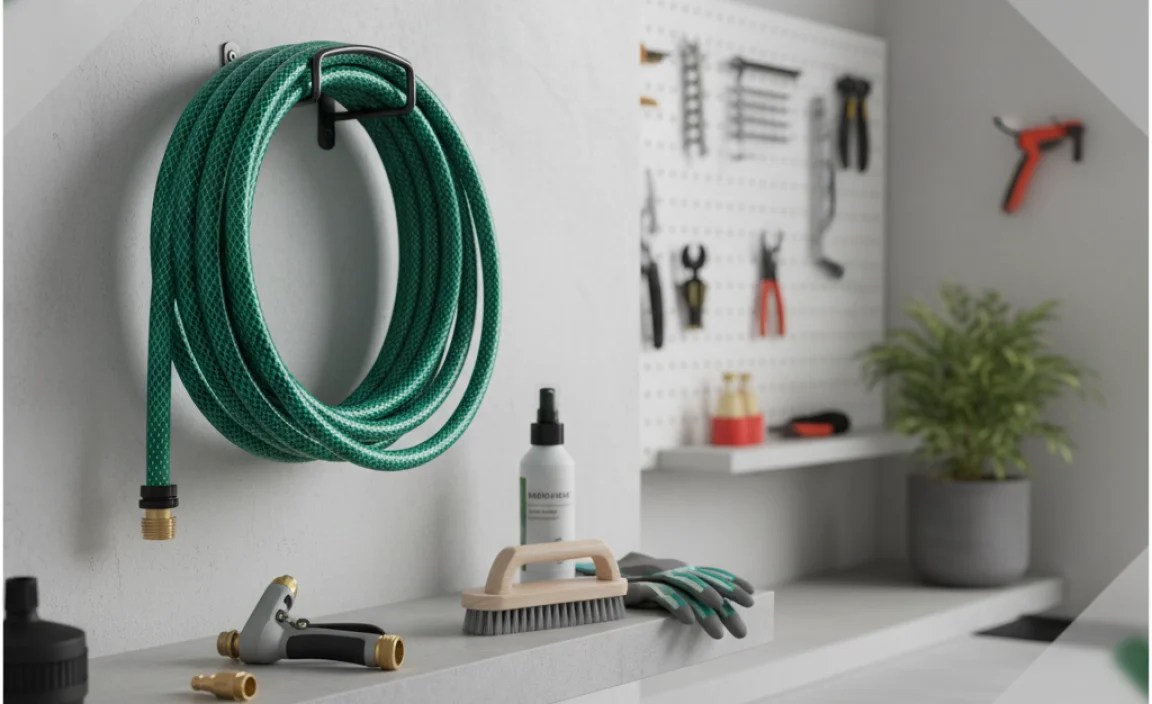
In addition to proper storage, there are a few other things you can do to keep your hose in good condition.
- Avoid Sharp Bends: When using the hose, avoid making sharp bends or kinks. These can weaken the hose material and reduce water flow.
- Use a Nozzle: A good quality nozzle can help regulate water pressure and prevent the hose from bursting.
- Protect from Freezing: In cold weather, disconnect the hose from the faucet and drain it completely to prevent freezing. Store it indoors if possible.
- Inspect Regularly: Periodically inspect the hose for any signs of damage, such as cuts, cracks, or leaks. Repair or replace the hose as needed.
- Use Hose Washers: Replace worn-out hose washers to prevent leaks at the connections.
Choosing the Right Hose for Your Needs
Selecting the right type of hose can also impact its longevity and ease of storage. Here’s a quick guide to different hose types:
| Hose Type | Pros | Cons | Best For |
|---|---|---|---|
| Rubber Hoses | Durable, resistant to cracking, good for hot water | Heavier, more expensive | Heavy-duty use, hot water applications |
| Vinyl Hoses | Lightweight, inexpensive | Less durable, prone to kinking | Light watering tasks |
| Reinforced Hoses | More durable than vinyl, resists kinking | Slightly heavier than vinyl | General use, moderate watering needs |
| Soaker Hoses | Efficient watering, reduces water waste | Not for high-pressure use, can clog | Gardens, flower beds |
| Expandable Hoses | Lightweight, compact storage | Less durable, can burst under high pressure | Light use, small spaces |
Advanced Tips for Hose Longevity
For those who want to take extra care of their hoses, here are some advanced tips to maximize their lifespan:
- Use a Hose Protector: Place hose protectors at the faucet and nozzle ends to prevent wear and tear.
- Avoid Dragging: Avoid dragging the hose across rough surfaces, as this can cause abrasion and damage.
- Store in a Climate-Controlled Environment: If possible, store your hose in a climate-controlled environment to protect it from extreme temperatures and humidity.
- Apply UV Protectant: Periodically apply a UV protectant spray to the hose to shield it from the sun’s harmful rays.
- Rotate Your Hoses: If you have multiple hoses, rotate them to distribute wear and tear evenly.
Troubleshooting Common Hose Problems
Even with the best storage practices, you may encounter some common hose problems. Here’s how to troubleshoot them:
- Kinks: Gently straighten the kinked area and try to work the hose back into its original shape. Avoid pulling or yanking on the hose.
- Leaks: Check the hose connections for loose fittings or worn-out washers. Replace the washers or tighten the fittings as needed. For leaks in the hose body, use a hose repair kit or replace the hose.
- Low Water Pressure: Check for kinks or obstructions in the hose. Also, check the faucet for adequate water pressure.
- Clogging: Flush the hose with water to remove any debris or sediment. You can also use a hose cleaning tool to clear any blockages.
- Cracks: If the hose has cracks, it’s best to replace it. However, you can use a hose repair kit as a temporary fix.
FAQ: Storing Your Hose Properly
Q: Why is my hose kinking even when I store it carefully?
A: Even with careful storage, some hoses are more prone to kinking due to the material they are made from. Consider investing in a higher-quality, kink-resistant hose. Also, make sure you are not coiling the hose too tightly.
Q: Can I store my hose outside during the winter?
A: It’s not recommended. Freezing temperatures can cause the water inside the hose to expand and damage the hose material. It’s best to drain the hose completely and store it indoors during the winter.
Q: How often should I clean my hose?
A: Clean your hose at least once a season, or more often if it gets particularly dirty. Regular cleaning helps prevent the buildup of dirt, algae, and chemicals that can damage the hose.
Q: Are expandable hoses worth it?
A: Expandable hoses are lightweight and easy to store, but they are generally less durable than traditional hoses. They are best suited for light watering tasks and small spaces. If you need a hose for heavy-duty use, a rubber or reinforced hose is a better choice.
Q: Can I use a pressure washer hose reel for my garden hose?
A: While you can, pressure washer hose reels are designed for the higher pressure and thicker hoses used with pressure washers. They might be overkill for a standard garden hose. A regular garden hose reel will likely be more suitable and cost-effective.
Q: What’s the best way to prevent algae growth inside my hose?
A: After each use, drain the hose completely. Storing it in a dark place also helps, as algae need sunlight to grow. Periodically flushing the hose with a diluted bleach solution (1 part bleach to 9 parts water) can also help prevent algae growth, but be sure to rinse it thoroughly afterwards.
Q: My hose connector is leaking. Do I need a new hose?
A: Not necessarily! Often, a leaking connector just means the washer inside is worn out. Try replacing the washer first. If that doesn’t solve the problem, check the connector itself for damage. If the connector is cracked or corroded, you can replace just the connector instead of the entire hose, using a hose repair kit available at most hardware stores.
Conclusion
Storing your hose properly is a simple yet essential part of maintaining your outdoor equipment. By following these tips, you can prevent kinks, extend the life of your hose, and save yourself time and frustration. Remember to drain, clean, and dry your hose before storing it in a shaded, cool, and dry place. Whether you choose to coil it by hand, use a hose reel, or store it in a decorative pot, the key is to avoid sharp bends and protect it from the elements. With a little care and attention, your hose will be ready to tackle any watering or cleaning task for years to come.


