
Easy How to Attach Quick-Release Fittings at Home

Quick Summary: Attaching quick-release fittings at home is easy! First, gather your tools: a pipe cutter, deburring tool, and appropriate quick-release fitting. Cut the pipe cleanly, deburr the edges, and firmly push the fitting onto the pipe until it clicks into place. Give it a gentle tug to ensure a secure connection. Now you’re ready to enjoy leak-free connections in your plumbing projects.
Ever struggled with plumbing projects and those pesky pipe connections? It can be frustrating when pipes leak or fittings don’t quite fit right. But don’t worry! With quick-release fittings, you can make plumbing repairs and installations a breeze. These fittings are designed for easy, tool-free connections, saving you time and effort. In this guide, I’ll walk you through the simple steps to attach quick-release fittings at home, so you can tackle your plumbing tasks with confidence. Get ready to say goodbye to leaks and hello to hassle-free connections!
Understanding Quick-Release Fittings

Quick-release fittings, also known as push-to-connect fittings, have revolutionized plumbing and various other industries. Their primary advantage lies in their ease of use and the fact that they don’t require specialized tools like soldering torches or crimpers. Understanding their components and how they work is essential for a successful installation.
Components of a Quick-Release Fitting
A typical quick-release fitting consists of several key components:
- Body: The main housing of the fitting, usually made of brass, plastic (like CPVC), or stainless steel.
- Collet: A ring of teeth that grip the pipe when it’s inserted.
- O-Ring: A rubber seal that creates a watertight connection.
- Release Collar: A part that, when pressed, retracts the collet, allowing the pipe to be removed.
- Tube Stop: Ensures the pipe is inserted to the correct depth.
How Quick-Release Fittings Work
The magic of quick-release fittings lies in their simple yet effective mechanism. When a pipe is pushed into the fitting:
- The pipe pushes past the collet.
- The collet teeth grip the pipe, preventing it from being pulled out.
- The O-ring creates a seal, preventing leaks.
To release the pipe, you simply press the release collar, which retracts the collet, allowing the pipe to be pulled out.
Essential Tools and Materials
Before you dive into attaching quick-release fittings, it’s crucial to gather the necessary tools and materials. Having everything on hand will make the process smoother and more efficient.
Tools You’ll Need
- Pipe Cutter: A tool designed to make clean, square cuts on pipes. A rotary pipe cutter is ideal for copper and PEX, while a specialized cutter is needed for PVC.
- Deburring Tool or Sandpaper: Used to remove burrs and sharp edges from the cut pipe, ensuring a smooth, leak-free connection.
- Measuring Tape: For accurate measurement of pipe lengths.
- Marker or Pen: To mark the pipe for cutting.
- Release Tool (Optional): Some fittings may require a specific release tool for easier removal.
Materials Required
- Quick-Release Fittings: Choose the correct size and type of fitting for your pipe material (copper, PEX, CPVC, or PVC).
- Pipes: Ensure the pipes are clean and free from damage.
- Thread Seal Tape (Teflon Tape): For threaded connections on the fitting, if applicable.
- Safety Glasses: To protect your eyes from debris.
- Gloves: To protect your hands.
Step-by-Step Guide to Attaching Quick-Release Fittings

Now that you have your tools and materials ready, let’s get into the step-by-step process of attaching quick-release fittings. Follow these instructions carefully to ensure a secure and leak-free connection.
Step 1: Prepare the Pipe
Proper pipe preparation is crucial for a successful connection. Here’s how to do it:
- Measure and Mark: Use a measuring tape and marker to determine the required length of the pipe. Mark the cutting point clearly.
- Cut the Pipe: Use a pipe cutter to make a clean, square cut at the marked point. For different pipe materials:
- Copper: Use a rotary pipe cutter. Tighten the cutter and rotate it around the pipe until it cuts through.
- PEX: Use a PEX pipe cutter. Ensure the cut is straight and doesn’t deform the pipe.
- PVC/CPVC: Use a PVC pipe cutter or a fine-toothed saw. Make sure the cut is square and clean.
- Deburr the Pipe: Use a deburring tool or sandpaper to remove any burrs or sharp edges from the cut end of the pipe. This step is essential to prevent damage to the O-ring and ensure a proper seal.
- Clean the Pipe: Wipe the end of the pipe clean to remove any dirt, debris, or cutting residue. A clean surface ensures a better seal.
Step 2: Attach the Quick-Release Fitting
With the pipe properly prepared, you can now attach the quick-release fitting:
- Inspect the Fitting: Check the fitting for any damage or debris. Ensure the O-ring is in place and in good condition.
- Push the Pipe into the Fitting: Align the pipe with the fitting and firmly push it in. You should feel the pipe pass through the collet and reach the tube stop. You’ll typically hear or feel a click, indicating that the pipe is securely locked in place.
- Verify the Connection: Gently pull on the pipe to ensure it is securely held by the fitting. It should not come loose.
- For Threaded Connections: If the fitting has threaded connections, apply thread seal tape (Teflon tape) clockwise around the threads before screwing it into the mating component. Tighten with a wrench, but be careful not to overtighten.
Step 3: Test the Connection
After attaching the fitting, it’s crucial to test the connection for leaks:
- Turn on the Water Supply: Slowly turn on the water supply to the pipe.
- Inspect for Leaks: Carefully inspect the connection for any signs of leaks. Look for water droplets or seepage around the fitting.
- Correct any Leaks: If you find a leak:
- Turn off the water supply.
- Remove the pipe from the fitting by pressing the release collar.
- Re-inspect the pipe and fitting for any damage or debris.
- Ensure the pipe is fully inserted and the connection is secure.
- Re-test the connection.
Working with Different Pipe Materials
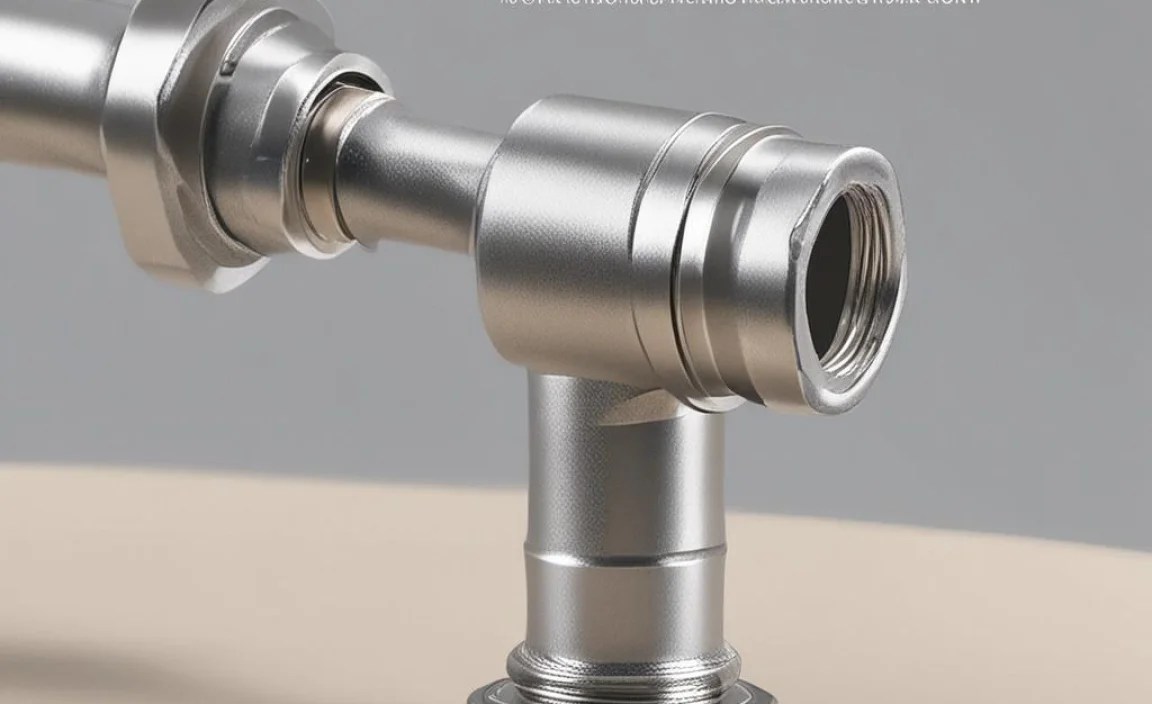
Quick-release fittings are available for various pipe materials, including copper, PEX, CPVC, and PVC. However, the installation process may vary slightly depending on the material. Here’s a breakdown of the key differences:
Copper Pipes
- Preparation: Copper pipes require precise cutting and deburring to ensure a smooth surface for the O-ring to seal against.
- Fittings: Use fittings specifically designed for copper pipes.
- Considerations: Ensure the copper pipe is free from corrosion or damage before attaching the fitting.
PEX Pipes
- Preparation: PEX pipes are flexible, but it’s still important to make a clean, square cut. Use a PEX pipe cutter to avoid deforming the pipe.
- Fittings: Use fittings specifically designed for PEX pipes. These fittings often have an internal sleeve that supports the pipe.
- Considerations: PEX pipes can expand and contract with temperature changes, so allow for some flexibility in the piping system.
CPVC Pipes
- Preparation: CPVC pipes are rigid and require a clean, square cut. Use a CPVC pipe cutter or a fine-toothed saw.
- Fittings: Use fittings specifically designed for CPVC pipes.
- Considerations: CPVC is more resistant to high temperatures than PVC, making it suitable for hot water applications.
PVC Pipes
- Preparation: PVC pipes are rigid and require a clean, square cut. Use a PVC pipe cutter or a fine-toothed saw.
- Fittings: Use fittings specifically designed for PVC pipes.
- Considerations: PVC is not suitable for hot water applications. Ensure the pipes and fittings are clean and free from any primer or cement residue.
Tips for a Secure and Leak-Proof Connection

To ensure a long-lasting, leak-proof connection with quick-release fittings, keep these tips in mind:
- Always use the correct fitting for the pipe material. Mixing fitting types can lead to leaks and connection failures.
- Ensure the pipe is fully inserted into the fitting. The pipe should reach the tube stop inside the fitting.
- Avoid using excessive force when inserting the pipe. If the pipe is difficult to insert, check for burrs or damage.
- Protect fittings from physical stress and impact. Support the piping system to prevent strain on the fittings.
- Regularly inspect fittings for signs of wear or damage. Replace any damaged fittings immediately.
- Use thread seal tape on all threaded connections. Apply the tape in the correct direction (clockwise) to ensure a proper seal.
- Consider using a release tool for easier removal. Some fittings can be difficult to remove by hand, especially in tight spaces.
Troubleshooting Common Issues
Even with careful installation, you may encounter some common issues with quick-release fittings. Here’s how to troubleshoot them:
| Issue | Possible Cause | Solution |
|---|---|---|
| Leak at the fitting |
|
|
| Pipe won’t insert into the fitting |
|
|
| Pipe won’t release from the fitting |
|
|
| Threaded connection leaks |
|
|
Advantages and Disadvantages of Quick-Release Fittings
Like any plumbing solution, quick-release fittings have their pros and cons. Understanding these can help you make an informed decision about whether they’re the right choice for your project.
Advantages
- Ease of Use: Quick-release fittings require no special tools, making them easy to install and remove.
- Time-Saving: They significantly reduce installation time compared to traditional methods like soldering or gluing.
- Versatility: They can be used with various pipe materials, including copper, PEX, CPVC, and PVC.
- Reusability: Many quick-release fittings can be reused, making them a cost-effective solution for temporary or experimental setups.
- Clean Connections: They eliminate the need for messy soldering or gluing, resulting in cleaner and more professional-looking installations.
Disadvantages
- Cost: Quick-release fittings can be more expensive than traditional fittings.
- Potential for Leaks: If not installed correctly, they can be prone to leaks, especially under high pressure or temperature conditions.
- Material Compatibility: Not all quick-release fittings are compatible with all pipe materials. It’s crucial to choose the right fitting for the job.
- Limited Availability: Depending on your location, it may be more difficult to find a wide selection of quick-release fittings compared to traditional fittings.
- Not Suitable for All Applications: Quick-release fittings may not be suitable for applications requiring extremely high pressure or temperature resistance.
FAQ About Quick-Release Fittings
What is a quick-release fitting?
A quick-release fitting, also known as a push-to-connect fitting, is a type of plumbing fitting that allows you to connect pipes without soldering, gluing, or crimping. They use an internal mechanism to grip the pipe and create a watertight seal.
What tools do I need to install quick-release fittings?
You’ll need a pipe cutter, a deburring tool or sandpaper, a measuring tape, and a marker. Some fittings may also require a specific release tool for easier removal.
Can I reuse quick-release fittings?
Yes, many quick-release fittings can be reused. However, it’s essential to inspect the fitting and O-ring for any damage or wear before reusing them.
Are quick-release fittings suitable for hot water applications?
Some quick-release fittings are suitable for hot water applications, but it depends on the material of the fitting and the pipe. CPVC fittings are generally more resistant to high temperatures than PVC fittings.
How do I remove a pipe from a quick-release fitting?
To remove a pipe, press the release collar on the fitting and gently pull the pipe out. Some fittings may require a specific release tool for easier removal.
What should I do if my quick-release fitting is leaking?
First, turn off the water supply and remove the pipe from the fitting. Inspect the pipe and fitting for any damage or debris. Ensure the pipe is fully inserted and the connection is secure. If the leak persists, replace the O-ring or the entire fitting.
Can I use quick-release fittings on any type of pipe?
Quick-release fittings are available for various pipe materials, including copper, PEX, CPVC, and PVC. However, it’s essential to use the correct fitting for the specific pipe material to ensure a secure and leak-free connection.
Conclusion
Attaching quick-release fittings at home is a straightforward process that can save you time and effort on your plumbing projects. By following the steps outlined in this guide, you can confidently make secure, leak-free connections without the need for specialized tools or extensive plumbing experience. Remember to choose the right fittings for your pipe material, prepare the pipes properly, and always test the connections for leaks. With a little practice and attention to detail, you’ll be able to tackle a wide range of plumbing tasks with ease. So go ahead, give it a try, and enjoy the convenience and reliability of quick-release fittings in your home!


