
Ultimate Pump for Fat Bike Tires Type: Which is Best?

Quick Summary: For fat bike tires, you’ll generally want a high-volume pump that can efficiently inflate large tires to lower pressures (typically 5-10 PSI). Options include floor pumps with oversized barrels, electric pumps designed for high-volume inflation, or even some portable pumps specifically made for fat bikes. A pressure gauge is essential to avoid overinflation.
Fat bike tires are big and need a lot of air to fill them up. Using the wrong pump can make inflating them a real struggle. Many cyclists find themselves worn out before they even hit the trail. Don’t worry! Getting the right pump makes a huge difference. This guide will walk you through choosing the best type of pump for your fat bike tires, so you can spend less time pumping and more time riding. We’ll cover everything from floor pumps to portable options, and even electric pumps. Let’s get started!
Understanding Fat Bike Tire Inflation

Fat bike tires are much wider than regular bike tires. This means they need a pump that can move a lot of air quickly. Unlike road bikes that need high pressure, fat bikes use low pressure for better traction on soft surfaces like snow and sand. Understanding these differences is key to choosing the right pump.
Why High Volume Matters
High-volume pumps are designed to move a large amount of air with each stroke. This is crucial for fat bike tires because you’re filling a much larger space. A standard pump might take forever, but a high-volume pump gets the job done quickly. This saves you energy and gets you on the trail faster.
The Importance of Low Pressure Accuracy
Fat bike tires typically operate at pressures between 5 and 10 PSI (Pounds per Square Inch). Because these pressures are so low, accuracy is critical. Overinflating even slightly can ruin the ride quality and reduce traction. A pump with a precise, easy-to-read gauge is a must-have.
Types of Pumps for Fat Bike Tires

There are several types of pumps that can work for fat bike tires, each with its own pros and cons. Let’s explore the most common options:
- Floor Pumps
- Portable Pumps
- Electric Pumps
Floor Pumps: The Go-To Option
Floor pumps are a popular choice for home use. They offer stability and leverage, making it easier to inflate tires quickly. Look for models specifically designed for high-volume inflation.
Features to Look For
- Oversized Barrel: A larger barrel moves more air per stroke.
- Accurate Gauge: Essential for precise low-pressure inflation.
- Durable Construction: Look for metal barrels and sturdy bases.
- Presta and Schrader Valve Compatibility: Ensures versatility.
Recommended Floor Pumps for Fat Bikes
Here are a few highly-rated floor pumps perfect for fat bike tires:
| Pump Model | Key Features | Approximate Price |
|---|---|---|
| Topeak JoeBlow Fat 2 | Oversized barrel, accurate gauge, durable construction | $70-90 |
| SKS Airkomp Pro 12.0 | High volume, stable base, easy-to-read gauge | $50-70 |
| Park Tool PFP-8 | Durable, reliable, suitable for shop use | $80-100 |
Portable Pumps: On-the-Go Inflation
Portable pumps are great for carrying with you on rides. While they require more effort than floor pumps, they can be a lifesaver if you get a flat tire on the trail.
Features to Look For
- High-Volume Design: Look for pumps specifically labeled for fat bike tires.
- Compact Size: Easy to carry in a backpack or frame bag.
- Durable Materials: Must withstand trail conditions.
- Integrated Gauge (Optional): Some portable pumps include a small gauge.
Recommended Portable Pumps for Fat Bikes
Here are some excellent portable pumps for fat bikes:
| Pump Model | Key Features | Approximate Price |
|---|---|---|
| Lezyne HV Drive | High volume, compact, durable | $40-60 |
| Topeak Mountain DA | Dual action, high volume, efficient | $35-55 |
| Blackburn Mammoth 2 Stage | Switchable volume/pressure, durable | $30-50 |
Electric Pumps: Effortless Inflation
Electric pumps offer the ultimate convenience. They inflate tires quickly and effortlessly, making them a great option for those who want to save time and energy.
Features to Look For
- Adjustable Pressure Settings: Allows you to set the desired PSI.
- Automatic Shut-Off: Prevents overinflation.
- Battery Powered or Plug-In: Choose based on your needs.
- High-Volume Capacity: Ensures fast inflation of fat bike tires.
Recommended Electric Pumps for Fat Bikes
Here are a few reliable electric pumps for fat bikes:
| Pump Model | Key Features | Approximate Price |
|---|---|---|
| Viair 85P | Portable, 12V, inflates up to 60 PSI | $50-70 |
| Ryobi P737 ONE+ | Cordless, adjustable pressure, versatile | $60-80 (bare tool) |
| Milwaukee M12 Compact Inflator | Compact, cordless, high-pressure capability | $90-120 (bare tool) |
Step-by-Step Guide to Inflating Fat Bike Tires

No matter which type of pump you choose, the basic steps for inflating fat bike tires are the same. Follow these steps for safe and accurate inflation:
Step 1: Prepare the Tire and Pump
- Check the Valve Type: Fat bike tires typically use either Presta or Schrader valves. Make sure your pump is compatible.
- Prepare the Valve: For Presta valves, unscrew the valve nut. For Schrader valves, remove the valve cap.
- Connect the Pump Head: Securely attach the pump head to the valve.
Step 2: Inflate the Tire
- Start Pumping: Use smooth, consistent strokes.
- Monitor the Gauge: Keep an eye on the pressure gauge to avoid overinflation.
- Aim for the Recommended PSI: Fat bike tires usually require between 5 and 10 PSI. Check your tire sidewall for the manufacturer’s recommendation.
Step 3: Check and Adjust
- Remove the Pump Head: Carefully detach the pump head from the valve.
- Check the Pressure: Use a separate pressure gauge for maximum accuracy. A digital gauge like the Accu-Gage is a great tool.
- Adjust as Needed: Add or release air to reach the desired pressure.
Tips for Accurate Inflation
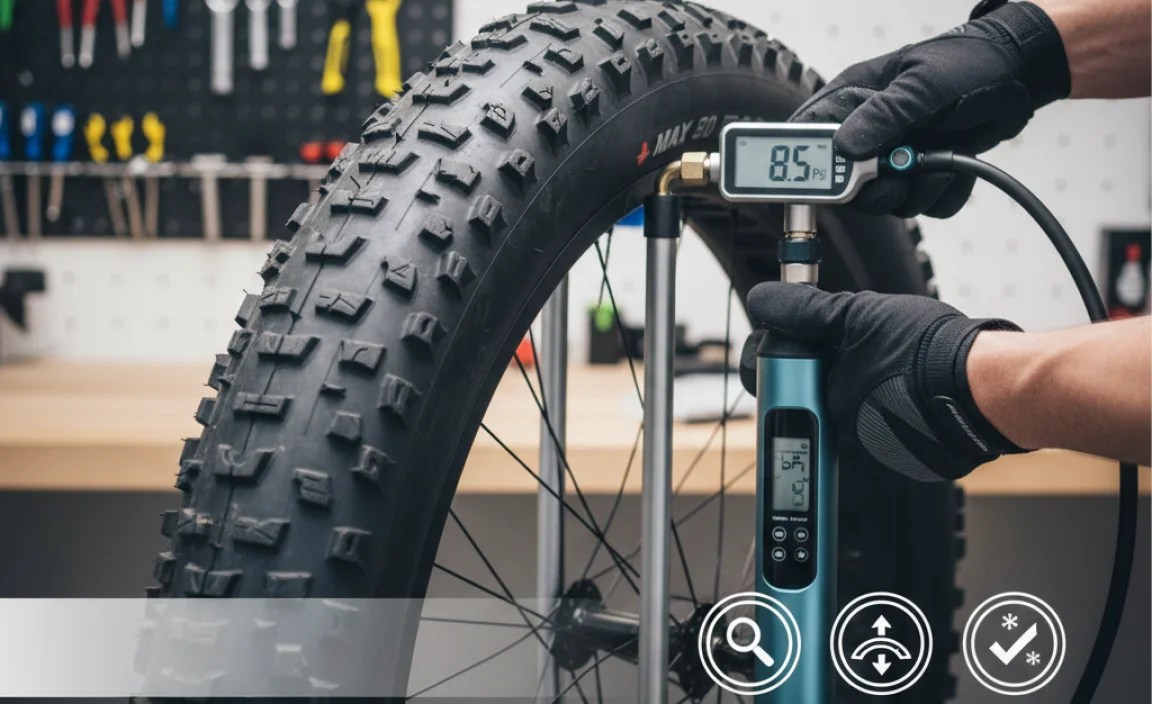
Getting the right tire pressure is crucial for fat bike performance. Here are some tips to help you achieve accurate inflation:
- Use a Digital Gauge: Digital gauges provide more precise readings than analog gauges.
- Check Pressure Regularly: Tire pressure can change with temperature. Check before each ride.
- Experiment with Pressure: Find the optimal pressure for your riding style and terrain.
- Consider Tubeless Setups: Tubeless tires can be run at even lower pressures for improved traction.
Troubleshooting Common Inflation Problems
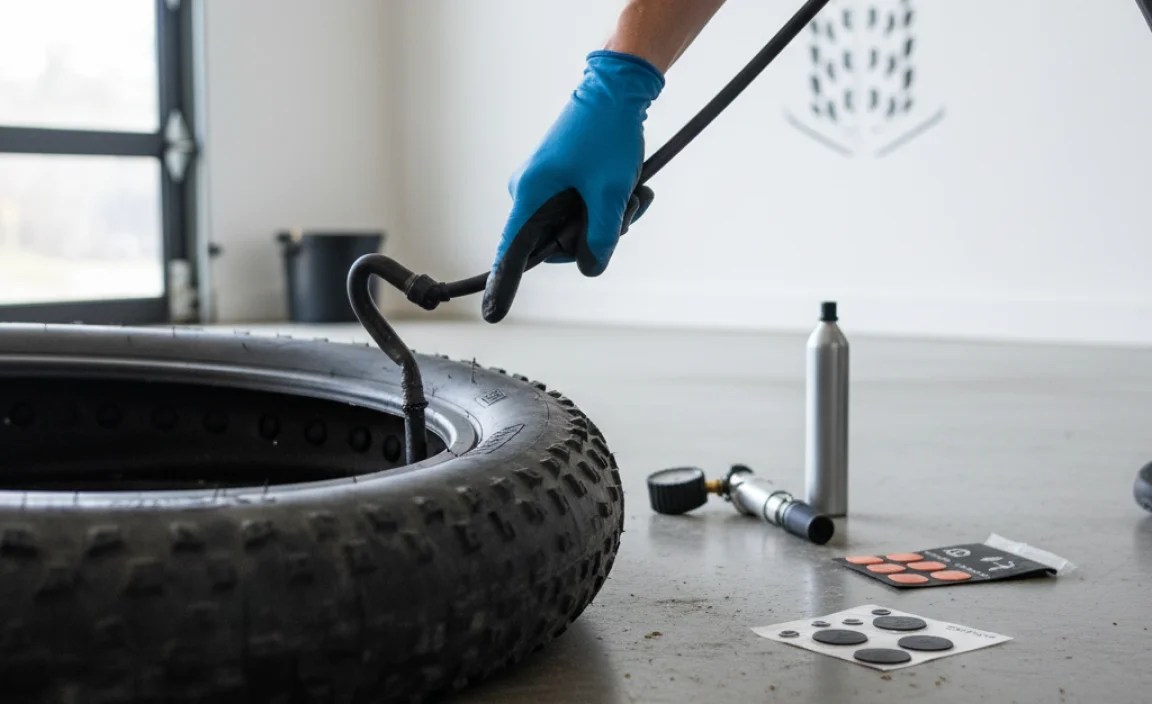
Sometimes, inflating tires can be tricky. Here are some common problems and how to solve them:
- Pump Not Connecting: Make sure the pump head is properly seated on the valve.
- Air Leaking: Check for damage to the valve or tire.
- Gauge Not Working: Replace the gauge or use a separate one.
- Tire Not Holding Air: Look for punctures or leaks in the tire or tube.
Maintaining Your Pump
To keep your pump working properly, regular maintenance is essential. Here are some tips:
- Clean the Pump Head: Remove dirt and debris that can interfere with the seal.
- Lubricate Moving Parts: Use a silicone-based lubricant to keep the pump working smoothly.
- Store in a Dry Place: Protect the pump from moisture and extreme temperatures.
- Replace Worn Parts: Replace seals and hoses as needed.
FAQ About Pumping Fat Bike Tires
What PSI should I inflate my fat bike tires to?
Fat bike tires are typically inflated to a low pressure, usually between 5 and 10 PSI. Check the sidewall of your tire for the manufacturer’s recommended pressure range.
Can I use a regular bike pump for fat bike tires?
While you can use a regular bike pump, it will take a lot longer to inflate fat bike tires. High-volume pumps are specifically designed to move more air per stroke, making the job much easier.
What is a high-volume pump?
A high-volume pump is designed to move a large amount of air with each stroke. This is ideal for inflating large tires like those on fat bikes, mountain bikes, and some hybrid bikes.
How do I know if my pump is compatible with my tire valve?
Most pumps are designed to work with both Presta and Schrader valves. Check the pump head to see if it has adapters or a switch for different valve types.
Why is accurate pressure important for fat bike tires?
Accurate pressure is crucial for fat bike tires because they operate at low pressures. Even a small difference in pressure can significantly affect traction and ride quality.
Can I overinflate my fat bike tires?
Yes, overinflating your fat bike tires can lead to a harsh ride and reduced traction. Always stay within the manufacturer’s recommended pressure range.
How often should I check my fat bike tire pressure?
It’s a good idea to check your fat bike tire pressure before each ride. Tire pressure can change due to temperature fluctuations and slow leaks.
Conclusion
Choosing the right pump for your fat bike tires makes a big difference in your riding experience. Whether you opt for a high-volume floor pump for home use, a portable pump for on-the-go inflation, or an electric pump for effortless filling, knowing the key features and benefits of each type will ensure you’re always ready to hit the trails. Remember to prioritize accuracy and maintain your pump to keep it working smoothly for years to come. Now you’re equipped with the knowledge to keep those fat tires rolling!


