
Easy How to Install Shock Pump Hose Replacement

How to Install a Shock Pump Hose Replacement

Quick Summary: Replacing a shock pump hose is straightforward! First, unscrew the old hose from the pump and the chuck. Next, wrap Teflon tape on the threads of the new hose fittings. Finally, screw the new hose tightly onto both the pump and the chuck. Now you’re ready to accurately inflate your shocks and forks again.
Is your shock pump hose cracked, leaking, or just plain worn out? Don’t worry, you don’t need to buy a whole new pump! Replacing the hose is a simple and affordable fix that will have you back on the trail in no time. A faulty hose can lead to inaccurate pressure readings and wasted effort, making it crucial to have a reliable connection when adjusting your suspension. This guide will walk you through each step of replacing your shock pump hose, ensuring a perfect seal and accurate inflation every time. Let’s get started!
Tools You’ll Need
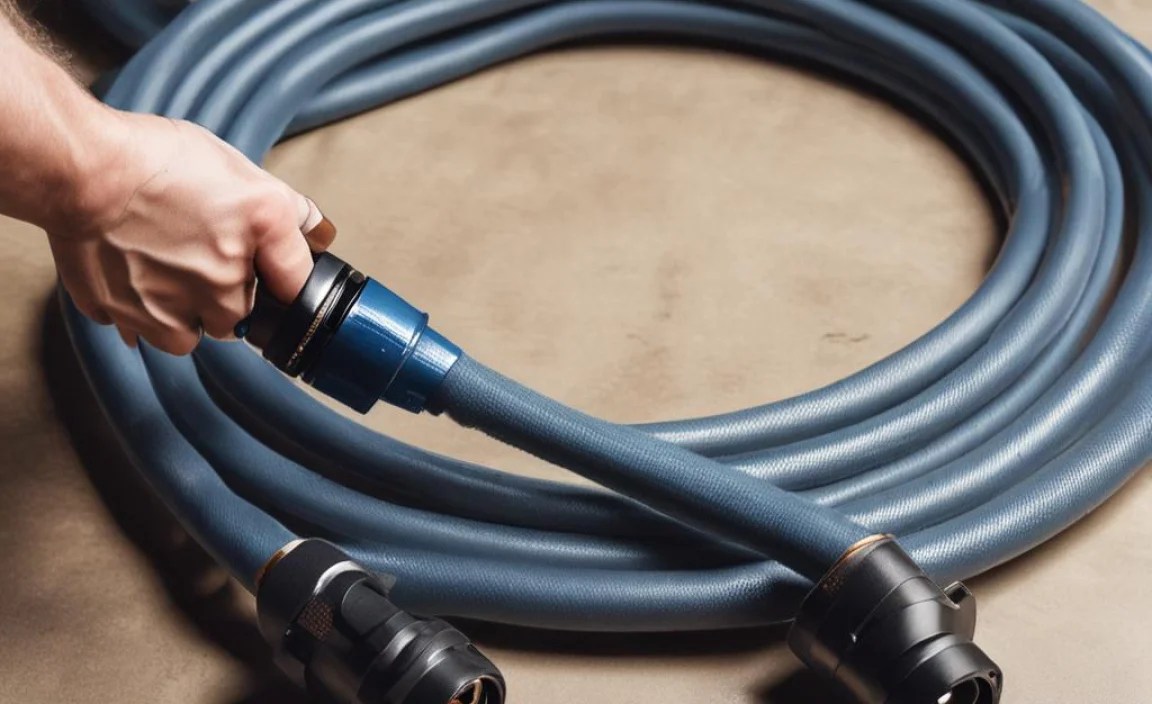
Before you begin, gather these essential tools and materials:
- New shock pump hose (ensure it’s compatible with your pump)
- Adjustable wrench or pliers
- Teflon tape (plumber’s tape)
- Clean rag
Step-by-Step Guide to Replacing Your Shock Pump Hose

Follow these detailed steps to safely and effectively replace your shock pump hose:
Step 1: Prepare Your Work Area
Choose a clean and well-lit workspace. This will help you keep track of small parts and prevent contamination of the pump’s internal components. Lay down a clean rag to protect your pump and provide a stable surface.
Step 2: Disconnect the Old Hose
- Detach the Chuck: Start by unscrewing the chuck (the part that connects to your suspension valve) from the old hose. Use an adjustable wrench or pliers if necessary, but be careful not to damage the chuck.
- Remove the Hose from the Pump: Next, unscrew the old hose from the pump body. Again, use a wrench or pliers for a better grip if needed. Be gentle to avoid stripping the threads.
- Inspect the Threads: Examine the threads on both the chuck and the pump where the hose was connected. Clean off any old sealant or debris with a clean rag.
Step 3: Prepare the New Hose
- Apply Teflon Tape: Wrap Teflon tape clockwise around the threads of both ends of the new hose. Apply 2-3 layers of tape, ensuring it’s wrapped tightly and evenly. This will create a secure, airtight seal. Teflon tape is a plumber’s best friend and is available at most hardware stores.

Step 4: Connect the New Hose
- Attach the Hose to the Pump: Screw one end of the new hose into the pump body. Tighten it securely with a wrench or pliers, but avoid over-tightening, which can damage the threads.
- Attach the Chuck: Screw the chuck onto the other end of the new hose. Again, tighten it securely but be careful not to over-tighten.
Step 5: Test for Leaks
- Connect to Suspension: Attach the chuck to your suspension valve (fork or shock).
- Pump and Check: Pump a few strokes and check for any leaks around the hose connections. If you hear or feel any air escaping, tighten the connections slightly.
- Adjust Pressure: Inflate to your desired pressure and double-check for leaks. If everything is sealed properly, you’re good to go!
Troubleshooting Common Issues

Sometimes, things don’t go exactly as planned. Here’s how to troubleshoot common problems:
- Leaks at the Connections:
- Ensure the Teflon tape is applied correctly and is not damaged. Re-wrap the tape if necessary.
- Tighten the connections slightly more, but be careful not to over-tighten.
- Check for any damage to the threads on the hose, pump, or chuck.
- Difficulty Screwing in the Hose:
- Make sure the threads are clean and free of debris.
- Apply a small amount of grease to the threads to help them turn more easily.
- Ensure you’re using the correct size and type of hose for your pump.
- Inaccurate Pressure Readings:
- Ensure the hose is securely connected and not leaking.
- Calibrate your shock pump if possible.
- Check your suspension for any other issues that might be affecting the pressure.
Choosing the Right Replacement Hose
Selecting the correct replacement hose is crucial for optimal performance and compatibility. Here’s what to consider:
- Compatibility: Ensure the hose is compatible with your specific shock pump model. Check the manufacturer’s specifications or consult with a bike shop.
- Material: Look for hoses made from durable materials like reinforced rubber or braided nylon. These materials are resistant to wear and tear and can withstand high pressures.
- Length: Choose a hose length that is comfortable for you to use. A longer hose can provide more flexibility, but a shorter hose may be more convenient for storage.
- Fittings: Ensure the hose fittings are compatible with your pump and chuck. Look for fittings made from brass or aluminum for durability and corrosion resistance.
Maintenance Tips to Extend Hose Life
Proper maintenance can significantly extend the life of your shock pump hose. Follow these tips to keep your hose in good condition:
- Store Properly: Store your shock pump in a clean, dry place away from direct sunlight and extreme temperatures.
- Avoid Kinking: Avoid kinking or bending the hose, as this can weaken the material and cause leaks.
- Regular Inspection: Regularly inspect the hose for cracks, wear, and damage. Replace the hose if you notice any signs of deterioration.
- Clean Regularly: Clean the hose and fittings regularly with a mild soap and water solution. This will remove dirt and debris that can cause wear and corrosion.
- Lubricate Fittings: Occasionally lubricate the hose fittings with a small amount of silicone grease to keep them moving smoothly and prevent corrosion.
Table: Comparing Different Shock Pump Hose Materials
| Material | Pros | Cons | Typical Lifespan | Cost |
|---|---|---|---|---|
| Reinforced Rubber | Flexible, durable, good pressure resistance | Can crack over time, susceptible to UV damage | 2-3 years | Low to Moderate |
| Braided Nylon | Highly durable, excellent pressure resistance, resistant to abrasion | Less flexible than rubber, can be more expensive | 3-5 years | Moderate to High |
| Thermoplastic | Lightweight, good chemical resistance, moderate pressure resistance | Can be stiff, may crack in extreme cold | 2-4 years | Moderate |
FAQ: Shock Pump Hose Replacement
Here are some frequently asked questions about shock pump hose replacement:
- Q: How often should I replace my shock pump hose?
- A: It depends on how often you use your shock pump and the conditions it’s exposed to. Generally, you should inspect it regularly and replace it every 2-5 years, or sooner if you notice any cracks, leaks, or wear.
- Q: Can I use any type of hose for my shock pump?
- A: No, it’s essential to use a hose specifically designed for shock pumps. These hoses are made to withstand high pressures and have the correct fittings for your pump and suspension valve.
- Q: What is Teflon tape and why is it important?
- A: Teflon tape (also known as plumber’s tape) is a thin, non-adhesive tape used to create a tight seal between threaded connections. It’s essential for preventing leaks and ensuring accurate pressure readings.
- Q: Can I repair a damaged shock pump hose instead of replacing it?
- A: While it might be tempting to try and repair a damaged hose, it’s generally not recommended. Repairs are often unreliable and can compromise the integrity of the hose, leading to leaks or inaccurate pressure readings. It’s best to replace the hose for safety and performance.
- Q: Where can I buy a replacement shock pump hose?
- A: You can purchase replacement shock pump hoses at most bike shops, online retailers specializing in cycling equipment, and some hardware stores. Ensure you choose a hose that is compatible with your shock pump model.
- Q: Is it difficult to replace a shock pump hose?
- A: No, replacing a shock pump hose is a relatively simple task that most cyclists can do themselves with basic tools and a little patience. Just follow the step-by-step instructions in this guide.
- Q: What should I do if I can’t remove the old hose from my shock pump?
- A: If you’re having trouble removing the old hose, try applying a small amount of penetrating oil to the threads and let it sit for a few minutes. Then, use a wrench or pliers to gently loosen the hose. Be careful not to damage the pump or chuck.
Conclusion
Congratulations, you’ve successfully replaced your shock pump hose! By following these simple steps, you’ve not only saved money but also ensured that you can accurately adjust your suspension for optimal performance on the trail. Regular maintenance like this keeps your gear in top shape and enhances your riding experience. So, grab your bike, hit the trails, and enjoy the ride with confidence, knowing your suspension is perfectly dialed in. Happy trails!


