
How to Check if Hose Fits Presta Valve? Easy Guide

Quick Summary: To check if your pump hose fits a Presta valve, first, visually inspect the hose head for a Presta-compatible opening. Some have dual openings. If it looks right, gently push the hose head onto the valve and try to lock it in place. If it doesn’t fit snugly or you can’t get a secure seal, your hose may not be compatible, or you might need to adjust the internal parts of the pump head.
Ever tried to pump up your bike tires only to find that the pump hose just won’t connect? It’s a common frustration, especially with the two main types of bike valves: Presta and Schrader. Presta valves are the skinny ones, often found on road bikes and higher-end mountain bikes. Figuring out if your pump hose is the right match can save you a lot of hassle. Don’t worry, it’s usually a simple fix!
This guide will walk you through the steps to quickly determine if your pump hose is Presta-compatible. We’ll cover everything from visual checks to troubleshooting tips, so you can get back on the road (or trail) in no time. Let’s get started and make sure your tires are properly inflated!
Understanding Presta Valves
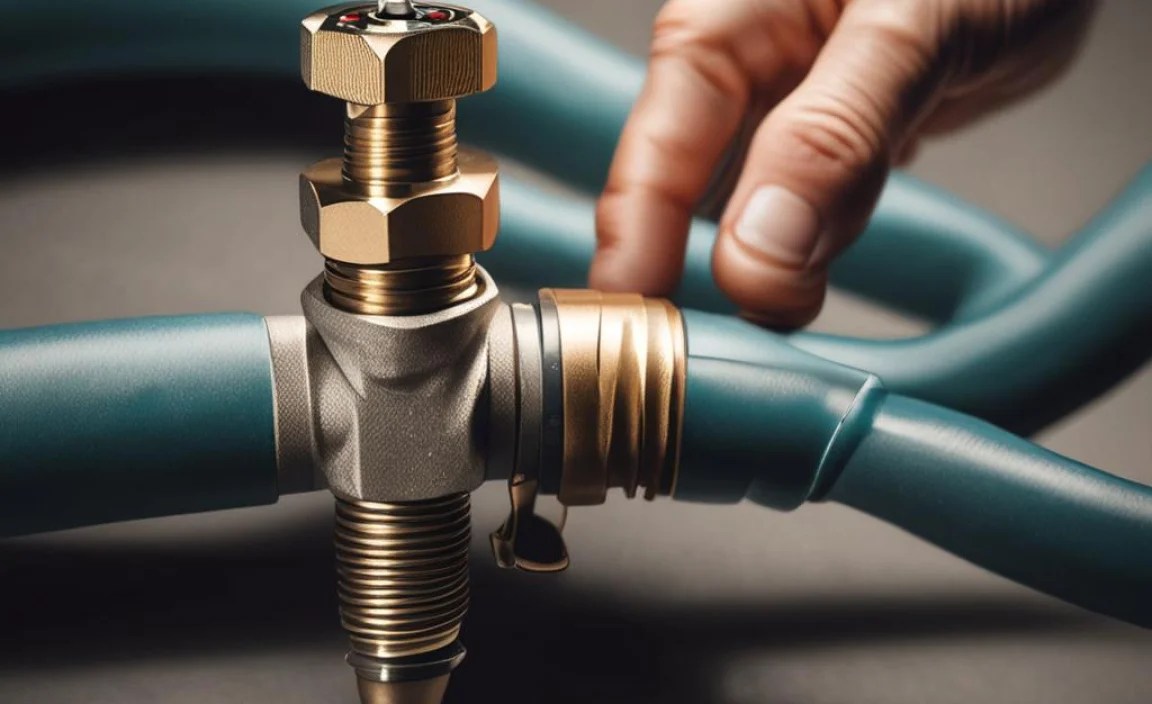
Before diving into checking the hose fit, let’s quickly cover what makes a Presta valve unique. Understanding its design will help you identify the right hose and avoid damaging the valve.
What is a Presta Valve?
A Presta valve is a type of bicycle tire valve that is commonly found on road, racing, and some mountain bikes. It’s narrower than a Schrader valve (the type you see on car tires) and has a small locking nut at the tip. Here’s a quick breakdown:
- Narrower Design: Presta valves are slimmer, allowing for narrower rims on high-performance bikes.
- Locking Nut: You need to unscrew the nut at the top before inflating and screw it back on afterward.
- Higher Pressure: Presta valves generally handle higher pressures better than Schrader valves.
Why is Compatibility Important?
Using the wrong type of pump hose on a Presta valve can lead to several issues:
- Damage to the Valve: Forcing an incompatible hose can bend or break the delicate valve stem.
- Poor Seal: An improper fit will result in air leakage, making it impossible to inflate the tire properly.
- Frustration: Let’s face it, struggling with your pump is annoying and wastes your time.
Checking Your Pump Hose for Presta Compatibility
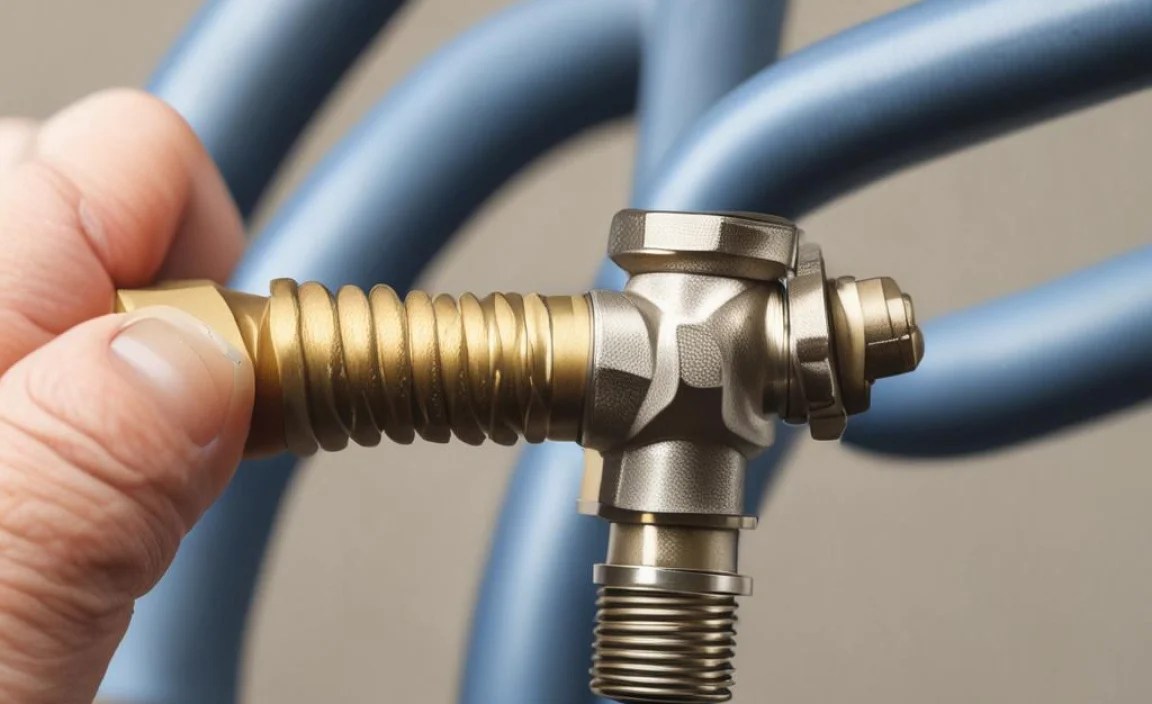
Now, let’s get to the main task: determining if your pump hose is compatible with Presta valves. Here’s a step-by-step guide to help you.
Step 1: Visual Inspection of the Hose Head
The first step is a simple visual check. Look closely at the head of your pump hose. Many modern pumps come with dual-head designs, meaning they can handle both Presta and Schrader valves. Here’s what to look for:
- Dual Openings: Some pump heads have two distinct openings – one for Presta and one for Schrader. The Presta opening will be smaller.
- Switch or Lever: Some pumps have a switch or lever that allows you to toggle between Presta and Schrader settings.
- Single Opening (Adaptable): Some pump heads have a single opening but contain internal parts that can be adjusted to fit either valve type.
If you see two openings or a switch, identify which setting is for Presta. If there’s only one opening, proceed to the next step.
Step 2: Identifying the Correct Opening
If your pump head has two openings, make sure you’re using the correct one. The Presta opening is usually smaller and may be labeled. If it’s not labeled, compare the size of the openings.
Pro Tip: Sometimes, the Presta opening is located deeper inside the pump head. Take a close look to ensure you’re aligning the valve correctly.
Step 3: Testing the Fit
Now, let’s test the fit. This involves gently trying to attach the pump hose to the Presta valve. Here’s how:
- Unscrew the Valve Nut: Before attaching the hose, unscrew the small nut at the top of the Presta valve. Press the valve tip briefly to ensure it’s not stuck.
- Attach the Hose: Gently push the pump hose onto the Presta valve. Make sure it goes on straight to avoid bending the valve.
- Secure the Connection: Most pump heads have a lever or locking mechanism. Engage this to create a tight seal. You should hear or feel it click into place.
- Check for Leaks: Once secured, try pumping a small amount of air. Listen for any hissing sounds, which indicate a leak.
If the hose attaches easily, locks securely, and doesn’t leak, you’re good to go. If you encounter resistance or hear leaks, proceed to the troubleshooting section.
Step 4: Troubleshooting Fit Issues
Sometimes, even if the hose seems compatible, you might still have trouble getting a good fit. Here are some common issues and how to resolve them:
- Hose Won’t Attach:
- Check for Obstructions: Make sure there’s no debris or dirt inside the pump head.
- Valve is Stuck: The Presta valve might be stuck closed. Gently press the valve tip to loosen it.
- Incorrect Alignment: Ensure you’re aligning the hose straight onto the valve.
- Hose Attaches But Leaks:
- Loose Connection: Make sure the locking lever is fully engaged.
- Worn Seal: The rubber seal inside the pump head might be worn out. Replace the seal if necessary.
- Valve Damage: Inspect the Presta valve for any bends or damage. If damaged, the valve (or the entire inner tube) may need replacement.
- Can’t Get a Tight Seal:
- Check the Rubber Gasket: Inspect the rubber gasket inside the pump head. Over time, these can dry out, crack, or become misshapen, preventing a tight seal. Replacement gaskets are inexpensive and easy to install.
Adjusting a Dual-Head Pump
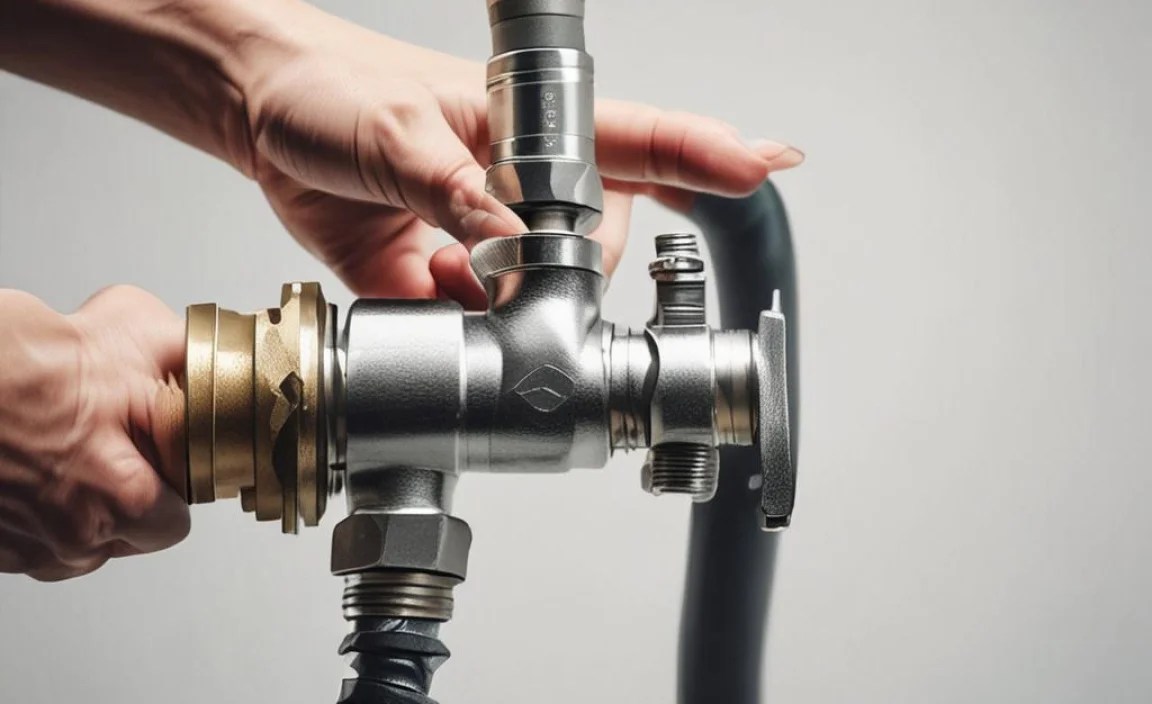
Many modern pumps come with a dual-head design to accommodate both Presta and Schrader valves. If you’re using such a pump and having trouble, here’s how to adjust it properly:
Locate the Switch or Adjustment Mechanism
First, identify where the pump head allows you to switch between Presta and Schrader settings. This could be a lever, a rotating collar, or an internal adjustment.
Switching Between Valve Types
Depending on your pump model, here’s how to switch:
- Lever-Action: Flip the lever to the appropriate setting (usually marked with “P” for Presta and “S” for Schrader).
- Rotating Collar: Rotate the collar until the correct valve type is aligned with the opening.
- Internal Adjustment: Some pumps require you to partially disassemble the head and flip an internal component. Consult your pump’s manual for specific instructions.
Ensuring a Secure Fit After Adjustment
After adjusting, always test the fit to ensure it’s secure. Attach the hose to the Presta valve and check for leaks. If it still leaks, double-check that the adjustment is correct and the locking mechanism is fully engaged.
Using Adapters for Presta Valves
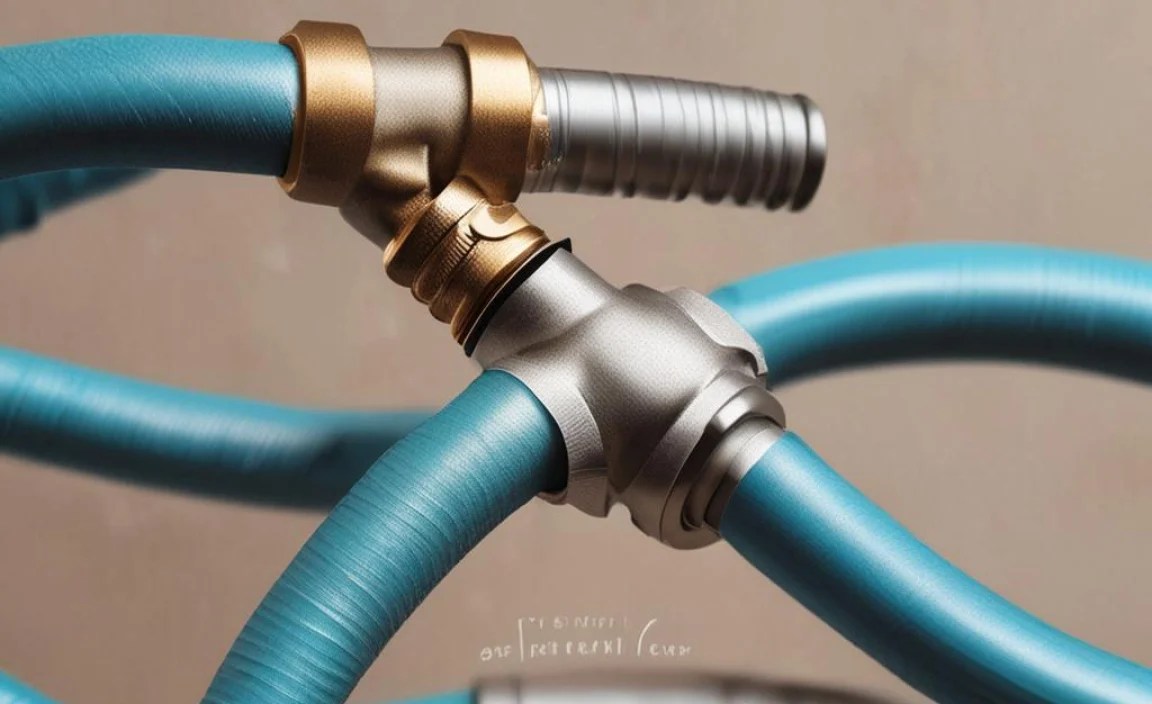
If your pump hose isn’t compatible with Presta valves, you can use an adapter. These small, inexpensive devices allow you to use a Schrader-compatible pump on a Presta valve.
What is a Presta Valve Adapter?
A Presta valve adapter is a small fitting that screws onto the Presta valve, converting it to a Schrader-compatible size. This allows you to use standard Schrader pumps, like those at gas stations, on your Presta valve.
How to Use an Adapter
- Screw on the Adapter: Remove the valve cap and screw the adapter onto the Presta valve stem.
- Attach the Pump Hose: Attach the Schrader-compatible pump hose to the adapter.
- Inflate the Tire: Inflate the tire to the desired pressure.
- Remove the Adapter: After inflating, unscrew the adapter and replace the valve cap.
Pros and Cons of Using Adapters
Here’s a quick look at the advantages and disadvantages of using Presta valve adapters:
| Pros | Cons |
|---|---|
|
|
Maintaining Your Pump Hose
Proper maintenance of your pump hose can extend its life and ensure it works reliably. Here are some tips:
Cleaning the Pump Head
Regularly clean the pump head to remove dirt and debris. Use a small brush or a clean cloth to wipe the inside and outside of the head. This prevents blockages and ensures a good seal.
Checking for Wear and Tear
Inspect the hose and pump head for signs of wear, such as cracks, fraying, or deformation. Replace any worn parts immediately to avoid leaks and ensure proper function. Pay close attention to the rubber gaskets inside the pump head, as these wear out over time.
Storing Your Pump Properly
Store your pump in a clean, dry place to prevent corrosion and damage. Avoid leaving it in direct sunlight or extreme temperatures, which can degrade the rubber and plastic components.
Recommended Pumps for Presta Valves
If you’re in the market for a new pump, here are some highly recommended options that work well with Presta valves:
- Floor Pumps:
- Topeak JoeBlow Sport III: A reliable and durable floor pump with a dual-head design.
- Lezyne Classic Floor Drive: Known for its precision and high-quality construction.
- Mini Pumps:
- Lezyne Road Drive: Compact and efficient, perfect for on-the-go inflation.
- Crankbrothers Sterling S: A versatile mini pump with a Presta/Schrader compatible head.
- CO2 Inflators:
- Genuine Innovations Ultraflate: A quick and easy way to inflate tires using CO2 cartridges.
- Lezyne Control Drive CO2: A controlled CO2 inflator with a durable design.
When choosing a pump, consider the type of riding you do, the size of your tires, and your budget. A good pump is an investment that will save you time and frustration in the long run.
FAQ: Common Questions About Presta Valves and Pump Hoses
Here are some frequently asked questions to help you better understand Presta valves and pump hose compatibility.
Why are Presta valves used on road bikes?
Presta valves are often used on road bikes because they are narrower, allowing for narrower rims. They also handle higher pressures better than Schrader valves, which is important for the high-performance needs of road cycling.
Can I use a Schrader pump on a Presta valve?
Yes, you can use a Schrader pump on a Presta valve by using a Presta valve adapter. This small adapter screws onto the Presta valve, converting it to a Schrader-compatible size.
How do I know if my pump is compatible with Presta valves?
Check the pump head for dual openings (one for Presta and one for Schrader) or a switch/lever to toggle between valve types. If there’s only one opening, it may be adaptable, but you should test the fit to be sure.
What do I do if my Presta valve is stuck?
Gently press the valve tip to loosen it. Sometimes, the valve can become stuck closed, especially if it hasn’t been used in a while. A little pressure should free it up.
How often should I replace the rubber seal in my pump head?
It depends on how frequently you use your pump, but it’s a good idea to check the seal every few months. If you notice leaks or difficulty getting a good seal, it’s likely time to replace it. Replacement seals are usually inexpensive and easy to install.
Can I convert a Presta valve to a Schrader valve?
No, you cannot directly convert a Presta valve to a Schrader valve, as the hole in the rim is different for each type. However, you can use a Presta to Schrader adapter to inflate a Presta tire with a Schrader pump.
What is the ideal tire pressure for my bike with Presta valves?
The ideal tire pressure depends on several factors, including tire size, rider weight, and riding conditions. Check the sidewall of your tire for the recommended pressure range. A floor pump with a built-in pressure gauge can help you achieve the correct inflation.
Conclusion
Checking if your pump hose fits a Presta valve doesn’t have to be a headache. With a little understanding of Presta valves and a few simple checks, you can quickly determine compatibility and avoid frustrating inflation issues. Remember to inspect your pump hose regularly, keep it clean, and consider using adapters if needed. By following these tips, you’ll be able to keep your tires properly inflated and enjoy a smooth, hassle-free ride. Now get out there and enjoy the road!


