
How to Fit Hose onto Bicycle Pump Head: Easy Guide

Quick Summary:
Fitting a hose onto your bicycle pump head is usually straightforward. Start by loosening any clamps, pushing the hose firmly onto the pump head nozzle, and then tightening the clamp securely. If it’s a tight fit, try warming the hose with hot water first. Always check for leaks after fitting.
Ever struggled to attach the hose to your bike pump head? It’s a common frustration. You’re ready to inflate your tires, but the hose just won’t cooperate. Sometimes it’s too loose, other times too tight, and occasionally it just won’t stay on! Don’t worry; it’s a simple fix.
In this guide, I’ll show you how to properly fit a hose onto your bicycle pump head, ensuring a secure and airtight connection. We’ll cover everything from loosening clamps to using warm water for a better fit. Let’s get started and get you back on the road quickly!
Understanding Bicycle Pump Heads and Hoses

Before diving into the fitting process, let’s understand the different parts we’re working with. This will make the whole process clearer and help you troubleshoot any issues that might come up.
Types of Bicycle Pump Heads
There are primarily two types of pump heads you’ll encounter:
- Presta Valve Heads: Designed for Presta valves, which are commonly found on road bikes and high-performance bicycles. These valves are narrower and have a small locking nut at the tip.
- Schrader Valve Heads: Designed for Schrader valves, similar to those found on car tires. These are more common on mountain bikes, hybrid bikes, and older or less expensive bicycles.
Some pump heads are designed to work with both Presta and Schrader valves, often using a dual-head design or an adapter. Make sure you’re using the correct side or adapter for your valve type.
Types of Hoses
Bicycle pump hoses are typically made of rubber or flexible plastic. They need to be durable enough to withstand high pressure but also flexible enough to easily connect to the tire valve. Here are a few common types:
- Rubber Hoses: These are generally more durable and resistant to cracking, but can be less flexible in colder temperatures.
- Plastic Hoses: These are more flexible and lighter but may become brittle and crack over time, especially with exposure to sunlight.
- Reinforced Hoses: These hoses have an internal braiding or reinforcement to prevent them from expanding under high pressure.
Components of the Connection
The connection between the hose and pump head usually involves a few key components:
- Nozzle: The part of the pump head that the hose attaches to. It’s usually a cylindrical piece with ridges or barbs to help grip the hose.
- Hose Clamp: A clamp that secures the hose to the nozzle, preventing it from slipping off under pressure. These can be screw-type clamps or simple pinch clamps.
- Hose: The flexible tube that carries air from the pump to the tire valve.
Tools You’ll Need
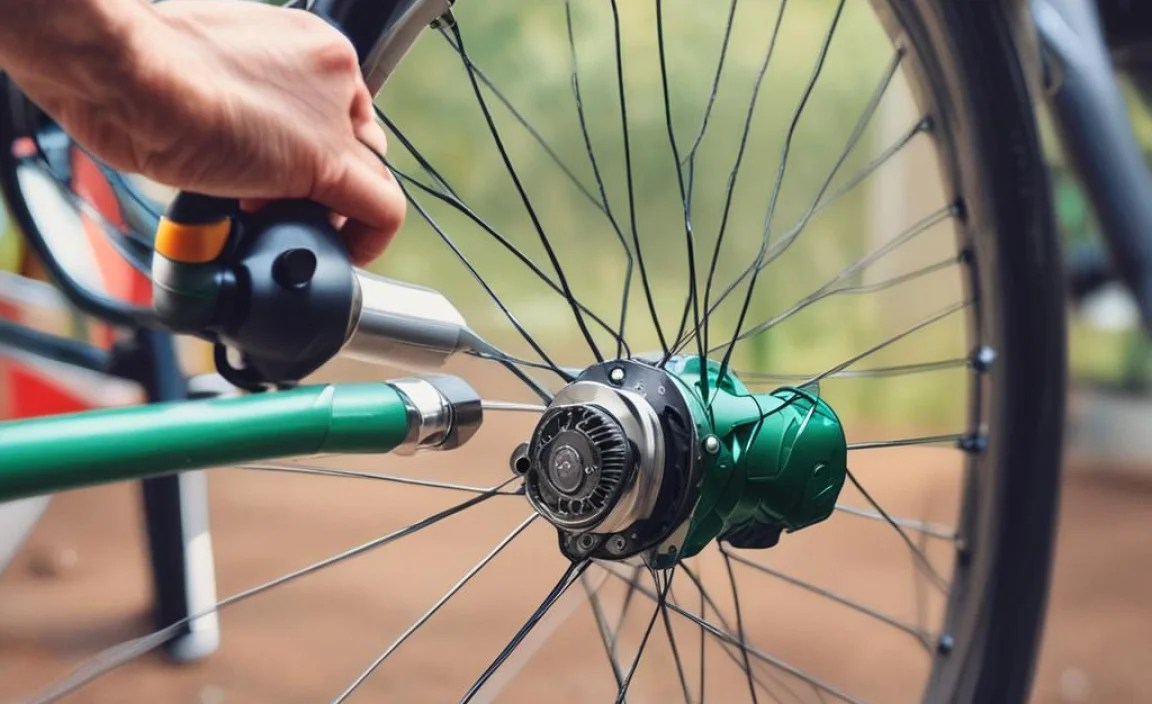
Before you start, gather the necessary tools. Having everything ready will make the process smoother and faster.
- Screwdriver or Pliers: Depending on the type of hose clamp, you’ll need a screwdriver (usually a flathead or Phillips head) or pliers to loosen and tighten it.
- Warm Water (Optional): A cup of warm water can help soften a stiff hose, making it easier to fit onto the nozzle.
- Clean Rag: To wipe away any dirt or debris from the hose and pump head.
- Safety Glasses: To protect your eyes from any potential debris.
Step-by-Step Guide: Fitting the Hose

Now, let’s get to the actual fitting process. Follow these steps to ensure a secure and airtight connection.
Step 1: Prepare the Hose and Pump Head
Before you start, inspect the hose and pump head for any damage or debris. Clean them with a clean rag to ensure a good connection. This is crucial for preventing leaks and ensuring optimal performance.
Look for cracks, splits, or excessive wear on the hose. Check the nozzle on the pump head for any dirt, rust, or damage. A clean and undamaged surface will provide the best seal.
Step 2: Loosen the Hose Clamp
Locate the hose clamp on the pump head nozzle. Depending on the type of clamp, use a screwdriver or pliers to loosen it. If it’s a screw-type clamp, turn the screw counterclockwise to loosen it. If it’s a pinch clamp, use pliers to gently squeeze the clamp open.
Loosening the clamp makes it easier to slide the hose onto the nozzle. Be careful not to overtighten or strip the screw on a screw-type clamp. For pinch clamps, avoid bending or deforming the clamp, as this can weaken its grip.
Step 3: Warm the Hose (If Necessary)
If the hose is stiff or difficult to fit, warming it with warm water can make it more pliable. Submerge the end of the hose in a cup of warm water for a minute or two. This will soften the rubber or plastic, making it easier to stretch over the nozzle.
Avoid using boiling water, as this can damage the hose. Warm water is sufficient to soften the material without causing any harm. Dry the hose thoroughly after warming it to ensure a good grip.
Step 4: Attach the Hose to the Nozzle
With the clamp loosened and the hose prepared, firmly push the hose onto the pump head nozzle. Make sure the hose is pushed on far enough to cover all the ridges or barbs on the nozzle. This will ensure a secure and airtight seal.
Use a twisting motion as you push the hose onto the nozzle. This can help it slide on more easily. Ensure the hose is aligned straight with the nozzle to prevent any kinks or bends that could restrict airflow.
Step 5: Secure the Hose Clamp
Once the hose is fully seated on the nozzle, tighten the hose clamp to secure it in place. If it’s a screw-type clamp, turn the screw clockwise until it’s snug. If it’s a pinch clamp, use pliers to squeeze the clamp closed. Make sure the clamp is positioned over the hose where it meets the nozzle.
Avoid overtightening the clamp, as this can damage the hose or the clamp itself. The goal is to create a secure fit that prevents the hose from slipping off under pressure. Check that the clamp is evenly tightened around the hose.
Step 6: Test for Leaks
After fitting the hose, test for leaks by inflating a tire. Listen for any hissing sounds around the connection between the hose and the pump head. If you hear a leak, try tightening the clamp further or repositioning the hose.
If the leak persists, remove the hose and inspect it for any damage. Also, check the nozzle on the pump head for any obstructions or damage. Sometimes, a small piece of debris can prevent a good seal.
Troubleshooting Common Issues
Sometimes, despite your best efforts, you might encounter issues while fitting the hose. Here are some common problems and how to solve them.
Hose Won’t Fit
If the hose is too tight and won’t slide onto the nozzle, try these solutions:
- Warm Water: As mentioned earlier, warm water can soften the hose and make it more pliable.
- Lubrication: A small amount of silicone grease or soapy water can help the hose slide onto the nozzle. Be careful not to use too much, as this can make the hose slippery.
- Check the Size: Ensure the hose is the correct size for the nozzle. If the hose is too small, it simply won’t fit.
Hose Keeps Slipping Off
If the hose keeps slipping off the nozzle, try these solutions:
- Tighten the Clamp: Make sure the hose clamp is properly tightened. If it’s too loose, the hose will slip off under pressure.
- Replace the Clamp: If the clamp is damaged or worn out, it may not provide enough grip. Replace it with a new clamp.
- Clean the Surfaces: Ensure both the hose and nozzle are clean and free of any grease or oil. A clean surface will provide better grip.
- Use a Better Clamp: Upgrade to a higher-quality hose clamp that provides a stronger grip. Screw-type clamps are generally more secure than pinch clamps.
Leaks at the Connection
If you hear air leaking from the connection between the hose and pump head, try these solutions:
- Tighten the Clamp: As with a slipping hose, make sure the clamp is properly tightened.
- Reposition the Hose: Sometimes, repositioning the hose slightly can create a better seal. Try pushing it further onto the nozzle or rotating it slightly.
- Check for Damage: Inspect the hose and nozzle for any damage, such as cracks or splits. Replace any damaged parts.
- Use Teflon Tape: Wrap a small amount of Teflon tape around the nozzle before attaching the hose. This can help create a tighter seal.
Maintaining Your Bicycle Pump

Proper maintenance can extend the life of your bicycle pump and ensure it’s always ready when you need it. Here are some tips for maintaining your pump.
Regular Cleaning
Clean your bicycle pump regularly to remove any dirt, dust, or debris. Use a clean rag to wipe down the pump body, hose, and pump head. Pay special attention to the nozzle, as this is where dirt can accumulate and cause leaks.
Check for Wear and Tear
Periodically inspect your pump for any signs of wear and tear. Check the hose for cracks or splits, the pump head for damage, and the pump body for rust or corrosion. Replace any worn or damaged parts promptly.
Lubrication
Lubricate the moving parts of your pump to keep them working smoothly. Use a silicone-based lubricant on the pump piston, seals, and any other moving parts. Avoid using oil-based lubricants, as these can attract dirt and grime.
Storage
Store your bicycle pump in a cool, dry place away from direct sunlight. This will help prevent the hose from cracking and the pump body from rusting. If possible, hang the pump up to prevent the hose from kinking.
Choosing the Right Bicycle Pump
Selecting the right bicycle pump can make a big difference in your cycling experience. Here are some factors to consider when choosing a pump.
Type of Pump
There are two main types of bicycle pumps:
- Floor Pumps: These are larger pumps that stand on the floor and are operated with both hands. They provide more leverage and can inflate tires to higher pressures more easily.
- Hand Pumps: These are smaller, portable pumps that are designed to be carried with you on rides. They are less powerful than floor pumps but are convenient for emergency repairs.
Valve Compatibility
Make sure the pump you choose is compatible with the type of valves on your tires. Some pumps are designed for Presta valves, others for Schrader valves, and some can handle both.
Pressure Gauge
A pressure gauge is essential for accurately inflating your tires. Look for a pump with a clear, easy-to-read gauge that displays pressure in both PSI (pounds per square inch) and bar (a metric unit of pressure).
Build Quality
Choose a pump that is made from high-quality materials and is built to last. Look for pumps with metal bodies, durable hoses, and sturdy pump heads. A well-built pump will provide years of reliable service.
Features
Some pumps come with additional features, such as a built-in pressure release valve, a comfortable handle, or a storage compartment for spare parts. Consider which features are important to you and choose a pump accordingly.
Table: Comparing Hose Materials
| Material | Pros | Cons | Typical Lifespan |
|---|---|---|---|
| Rubber | Durable, Resistant to cracking | Less flexible in cold temperatures | 3-5 years |
| Plastic | Flexible, Lightweight | Can become brittle and crack over time | 1-3 years |
| Reinforced | Very durable, Prevents expansion under pressure | Can be more expensive | 5-7 years |
Table: Troubleshooting Hose Fit Issues
| Issue | Possible Causes | Solutions |
|---|---|---|
| Hose won’t fit | Hose too tight, Incorrect size | Warm the hose, Lubricate, Check the size |
| Hose keeps slipping off | Clamp too loose, Damaged clamp, Dirty surfaces | Tighten the clamp, Replace the clamp, Clean the surfaces |
| Leaks at the connection | Clamp too loose, Damaged hose or nozzle | Tighten the clamp, Reposition the hose, Check for damage, Use Teflon tape |
FAQ: Fitting a Hose onto Bicycle Pump Head
1. Why is my bike pump hose so hard to attach?
Sometimes the hose material gets stiff, especially in cold weather. Warming it with warm water usually helps soften it up for easier attachment.
2. What type of lubricant can I use to help fit the hose?
A small amount of silicone grease or even soapy water can help. Just be careful not to use too much, as it can make the hose too slippery to grip properly.
3. How tight should the hose clamp be?
The clamp should be snug enough to hold the hose firmly without being so tight that it damages the hose. You want a secure fit that prevents slipping under pressure.
4. What if I still have leaks after tightening the clamp?
Check the hose and nozzle for any damage. Even a small crack can cause leaks. If they look okay, try repositioning the hose slightly and re-tightening the clamp.
5. Can I use any type of hose clamp?
Ideally, use a hose clamp designed for bicycle pumps. Screw-type clamps generally provide a more secure and adjustable fit compared to pinch clamps.
6. How often should I replace the hose on my bike pump?
It depends on the material and how often you use the pump. Regularly inspect the hose for cracks or wear. If it’s starting to look worn, it’s best to replace it to avoid unexpected failures.
7. What if the nozzle on my pump head is damaged?
If the nozzle is damaged, it may not provide a secure fit for the hose. In this case, it’s best to replace the entire pump head or, if possible, just the nozzle if it’s a replaceable part.
Conclusion
Fitting a hose onto your bicycle pump head doesn’t have to be a frustrating experience. By understanding the components, using the right tools, and following these step-by-step instructions, you can ensure a secure and airtight connection every time. Remember to maintain your pump regularly and choose the right pump for your needs. With a little care and attention, your bicycle pump will be a reliable companion for years to come, keeping your tires properly inflated and your rides smooth and enjoyable. Now, get out there and enjoy the ride!


