
Why Is My Ejector Pump Cycling Every 20 Minutes?

Quick Summary: An ejector pump cycling every 20 minutes usually means there’s too much water entering the basin. Common causes include a faulty check valve, a running toilet, excessive groundwater, or even a pump that’s too small for the job. Address these issues promptly to prevent pump failure and potential flooding.
Is your ejector pump kicking on way too often? It’s a common headache for homeowners with below-grade plumbing. An ejector pump working overtime can lead to serious problems, from burnt-out motors to nasty sewage backups. Figuring out why it’s cycling so frequently is the first step to fixing it. Don’t worry, we’ll walk you through the common culprits and how to troubleshoot them. We’ll cover everything from simple fixes you can do yourself to when it’s time to call in a pro. Let’s get started!
Understanding Ejector Pumps
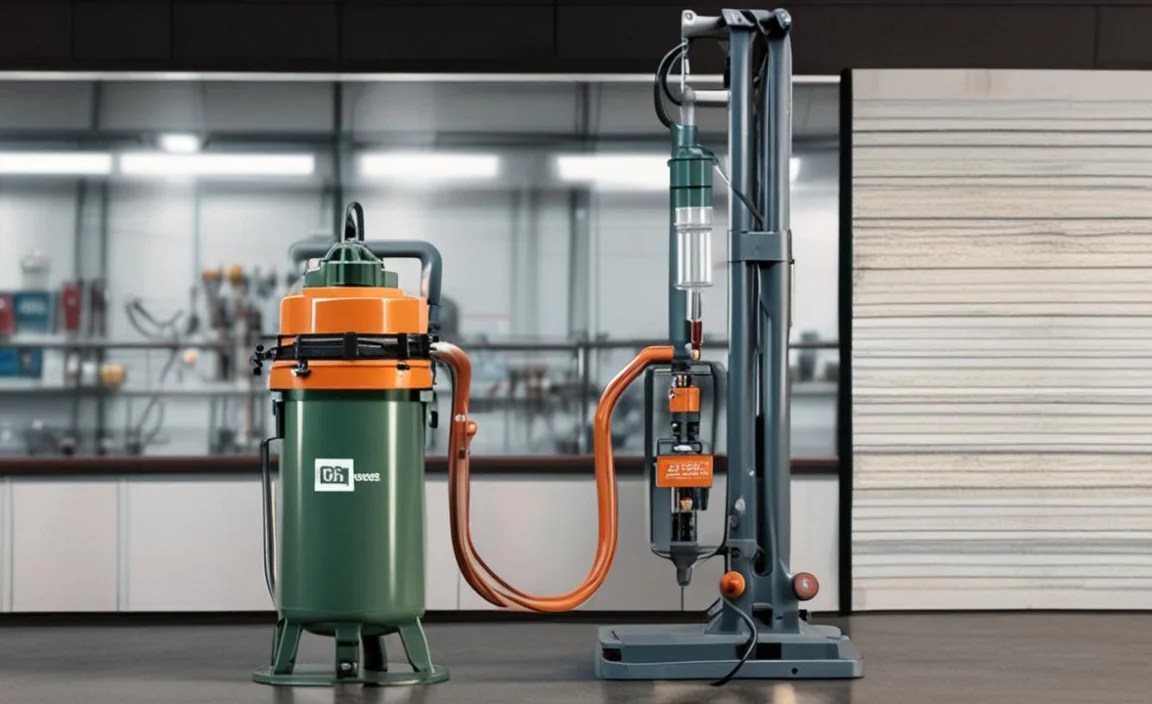
Before diving into the troubleshooting, let’s quickly cover what an ejector pump is and why it’s important.
An ejector pump (also known as a sewage pump) is designed to pump wastewater from below-grade fixtures (like basement bathrooms, laundry rooms, or wet bars) up to the main sewer line. Since these fixtures are lower than the sewer line, gravity can’t do the job, so the ejector pump does.
The pump sits in a basin that collects wastewater. When the water level in the basin reaches a certain point, a float switch activates the pump, which then pushes the wastewater out to the sewer. Once the water level drops, the pump shuts off. This cycle repeats as needed.
Normal cycling depends on usage. However, if your pump is cycling every 20 minutes, that’s a sign that something is definitely not right.
Common Causes of Frequent Cycling

Here are the most common reasons why your ejector pump might be cycling too often:
1. Faulty Check Valve
The check valve is a one-way valve that prevents wastewater from flowing back into the basin after the pump shuts off. If the check valve is faulty, some of the water that was just pumped out will flow back, causing the water level in the basin to rise and trigger the pump again shortly after. This leads to short, frequent cycles.
How to check: Visually inspect the check valve for any signs of damage or debris. You can also try manually operating the valve to see if it’s sticking or not sealing properly.
2. Running Toilet
A running toilet is a common, often unnoticed, cause of ejector pump problems. Even a slow leak can add a significant amount of water to the basin over time, causing the pump to cycle more frequently. This is especially true if the toilet is used infrequently, as the constant trickle of water might not be immediately obvious.
How to check: Add some food coloring to the toilet tank. If the colored water appears in the toilet bowl without flushing, you have a leak. Common causes include a flapper that’s not sealing properly or an overfilled tank.
3. Excessive Groundwater
In some cases, excessive groundwater can seep into the ejector pump basin. This is more common in areas with high water tables or during periods of heavy rain. The groundwater constantly filling the basin will cause the pump to cycle frequently, even if there are no other plumbing issues.
How to check: Examine the area around the basin for any signs of water seepage. If the basin itself is cracked or damaged, that could also be a source of groundwater intrusion.
4. Oversized or Undersized Pump
Believe it or not, the wrong size pump can also cause problems. An oversized pump will empty the basin too quickly, which can create a vacuum and cause the pump to short cycle. Conversely, an undersized pump will struggle to keep up with the inflow of water, leading to frequent cycling as it tries to maintain the water level.
How to check: Check the pump’s specifications to ensure it’s the right size for your application. Consult with a plumbing professional if you’re unsure.
5. Float Switch Problems
The float switch is responsible for turning the pump on and off based on the water level in the basin. If the float switch is stuck, tangled, or malfunctioning, it can cause the pump to cycle erratically or run continuously.
How to check: Inspect the float switch to ensure it’s moving freely and not obstructed by anything. Try manually moving the float switch to see if it activates the pump correctly.
6. Clogged or Blocked Pipes
A partial clog in the discharge pipe can restrict the flow of wastewater, causing the pump to work harder and cycle more frequently. Similarly, a blockage in the inlet pipe can prevent water from entering the basin properly, leading to irregular cycling.
How to check: Look for any signs of blockage or restriction in the pipes. You can try using a plumbing snake to clear any obstructions.
7. Sump Pump Discharge
Sometimes, a sump pump might be discharging into the same drain line as your ejector pump. If the sump pump is running frequently (especially during rain), it can overload the ejector pump system and cause it to cycle more often.
How to check: Trace the discharge line from your sump pump to see where it connects. If it’s connected to the ejector pump’s drain line, consider rerouting it to discharge outside, away from the foundation.
Troubleshooting Steps
Now that we’ve covered the common causes, let’s go through some troubleshooting steps you can take to identify and fix the problem.
Step 1: Visual Inspection
Start with a thorough visual inspection of the ejector pump and its components:
- Check the basin: Look for cracks, leaks, or signs of excessive water.
- Inspect the pipes: Look for any signs of damage, blockage, or corrosion.
- Examine the check valve: Make sure it’s clean and appears to be functioning properly.
- Check the float switch: Ensure it’s moving freely and not obstructed.
- Listen to the pump: Note any unusual noises or vibrations.
Step 2: Toilet Test
Perform the food coloring test to check for running toilets. This is a simple and effective way to rule out a common cause of frequent cycling.
Step 3: Monitor Water Usage
Pay attention to your water usage patterns. Are there any periods of high water usage that coincide with the frequent cycling? This could indicate a plumbing leak or other issue.
Step 4: Check for Groundwater Intrusion
Look for signs of water seepage around the ejector pump basin, especially after heavy rain. If you suspect groundwater intrusion, you may need to improve the drainage around your foundation.
Step 5: Test the Float Switch
Carefully move the float switch up and down to see if it activates the pump correctly. If the float switch is sticking or not responding, it may need to be replaced.
Step 6: Clear Any Blockages
If you suspect a clogged pipe, use a plumbing snake to try and clear the obstruction. Be careful not to damage the pipes in the process.
When to Call a Professional

While many ejector pump problems can be resolved with simple troubleshooting, there are some situations where it’s best to call a professional plumber:
- You’re not comfortable working with plumbing or electrical components.
- You’ve tried the troubleshooting steps and the problem persists.
- You suspect a major plumbing leak or structural damage.
- The ejector pump is old or damaged and needs to be replaced.
A qualified plumber can diagnose the problem accurately and recommend the best course of action to get your ejector pump working properly again.
Preventative Maintenance Tips
Preventing problems is always better than fixing them. Here are some tips to keep your ejector pump in good working order:
- Regularly inspect the pump and basin: Look for any signs of leaks, damage, or debris.
- Avoid flushing non-flushable items: Only toilet paper and human waste should go down the toilet.
- Have your plumbing inspected annually: A professional plumber can identify potential problems before they become major issues.
- Consider installing a backup system: A battery-powered backup pump can provide protection during power outages.
Ejector Pump Components and Their Functions
Understanding the different components of an ejector pump can help you diagnose problems more effectively. Here’s a quick overview:
| Component | Function |
|---|---|
| Basin | Collects wastewater from below-grade fixtures. |
| Pump | Pumps wastewater out of the basin and into the sewer line. |
| Check Valve | Prevents wastewater from flowing back into the basin. |
| Float Switch | Activates the pump when the water level reaches a certain point. |
| Discharge Pipe | Carries wastewater from the pump to the sewer line. |
| Inlet Pipe | Allows wastewater to flow into the basin. |
Ejector Pump Cycling Frequency: What’s Normal?
It’s important to have a baseline for what constitutes normal cycling for your ejector pump. Here’s a general guideline:
| Cycling Frequency | Possible Causes | Recommended Action |
|---|---|---|
| Every few hours | Normal usage, minimal water inflow | Monitor and maintain |
| Every hour | Moderate usage, small leak or seepage | Investigate potential leaks, check valve |
| Every 30 minutes | Higher usage, running toilet, minor groundwater intrusion | Check toilets, inspect for seepage, check valve |
| Every 20 minutes | Significant issue: running toilet, groundwater, faulty check valve | Troubleshoot all common causes, consider professional help |
| Constant cycling | Major issue: pump failure, major leak, float switch problem | Immediate professional assistance |
Ejector Pump vs. Sump Pump: What’s the Difference?
It’s easy to confuse ejector pumps and sump pumps, but they serve different purposes:
- Ejector Pump: Pumps wastewater (sewage) from below-grade fixtures to the sewer line.
- Sump Pump: Removes groundwater from around the foundation to prevent flooding.
While both pumps deal with water, they handle different types of water and have different discharge locations. Ejector pumps discharge into the sewer, while sump pumps discharge outside, away from the foundation.
FAQ About Ejector Pumps
Here are some frequently asked questions about ejector pumps:
- Q: How long should an ejector pump last?
- A: With proper maintenance, an ejector pump can last 7-10 years.
- Q: Can I install an ejector pump myself?
- A: While it’s possible, it’s generally recommended to have a professional install an ejector pump, as it involves plumbing and electrical work.
- Q: How much does it cost to replace an ejector pump?
- A: The cost can vary depending on the pump type and installation complexity, but typically ranges from $500 to $1500.
- Q: What happens if my ejector pump fails?
- A: If your ejector pump fails, wastewater can back up into your basement, causing flooding and potential sewage contamination.
- Q: How do I know if my ejector pump is the right size?
- A: The correct size depends on the number of fixtures it serves and the flow rate required. Consult with a plumber to determine the appropriate size for your needs.
- Q: Can I use a regular pump as an ejector pump?
- A: No, you should only use a pump specifically designed as an ejector pump, as it’s designed to handle solids and wastewater.
- Q: What’s the best way to clean an ejector pump basin?
- A: You can clean the basin by flushing it with water and using a brush to scrub away any debris. Be sure to turn off the pump before cleaning.
Conclusion
An ejector pump cycling every 20 minutes is a clear sign that something is amiss. By systematically troubleshooting the common causes – from faulty check valves and running toilets to groundwater intrusion and float switch problems – you can often identify and resolve the issue yourself. Remember to prioritize safety and don’t hesitate to call a qualified plumber when needed. Regular maintenance and preventative measures will go a long way in keeping your ejector pump running smoothly and protecting your home from potential sewage backups. Take action promptly, and you’ll be back to a worry-free plumbing system in no time!
“`


