
How to Select Hose with Quick Release Connector: Easy Guide

Quick Summary:
Selecting the right hose with a quick-release connector involves considering the hose material, length, diameter, connector type, and intended use. Ensure the hose is durable, flexible, and compatible with your water source and equipment. Opt for connectors made of brass or stainless steel for longevity and a secure, leak-proof fit.
Choosing the right hose with a quick-release connector can seem daunting, but it doesn’t have to be! Whether you’re watering your garden, washing your car, or connecting tools to an air compressor, the right hose and connector can save you time and frustration. Many people struggle with leaky connections, hoses that kink easily, or connectors that are difficult to use.
In this guide, we’ll walk you through everything you need to know to select the perfect hose with a quick-release connector for your needs. We’ll cover hose materials, connector types, and essential features to look for. By the end, you’ll be equipped to make an informed decision and enjoy hassle-free connections every time.
Understanding Hose Materials
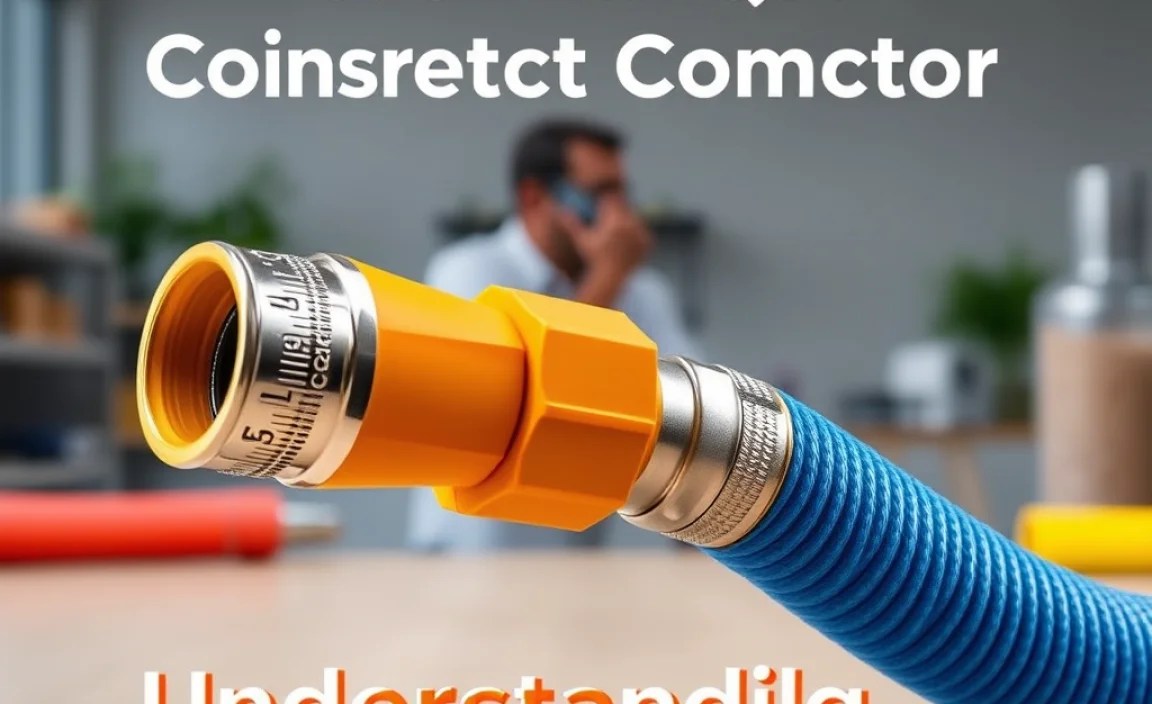
The material of your hose significantly impacts its durability, flexibility, and overall performance. Here’s a breakdown of common hose materials:
Rubber Hoses
Rubber hoses are known for their durability and resistance to cracking, even in cold weather. They are heavier than other types of hoses but can withstand high water pressure and are less prone to kinking.
- Pros: Durable, kink-resistant, suitable for hot water
- Cons: Heavier, more expensive
- Best for: Heavy-duty use, professional applications
Vinyl Hoses
Vinyl hoses are lightweight and more affordable, making them a popular choice for general use. However, they are less durable than rubber hoses and can become stiff and prone to cracking over time.
- Pros: Lightweight, inexpensive
- Cons: Less durable, prone to kinking and cracking
- Best for: Light use, occasional watering
Reinforced Hoses
Reinforced hoses combine vinyl or rubber with an inner mesh layer, usually made of nylon or polyester. This reinforcement enhances the hose’s strength and resistance to bursting under pressure.
- Pros: More durable than vinyl, good pressure resistance
- Cons: Can still kink, may not be as flexible as rubber
- Best for: General use, moderate pressure applications
Polyurethane Hoses
Polyurethane hoses are lightweight, flexible, and resistant to abrasion and chemicals. They are often used in air compressors and pneumatic tools due to their excellent flexibility and durability.
- Pros: Lightweight, flexible, chemical-resistant
- Cons: Can be more expensive than vinyl
- Best for: Air compressors, pneumatic tools, applications requiring flexibility
Choosing the Right Hose Length and Diameter
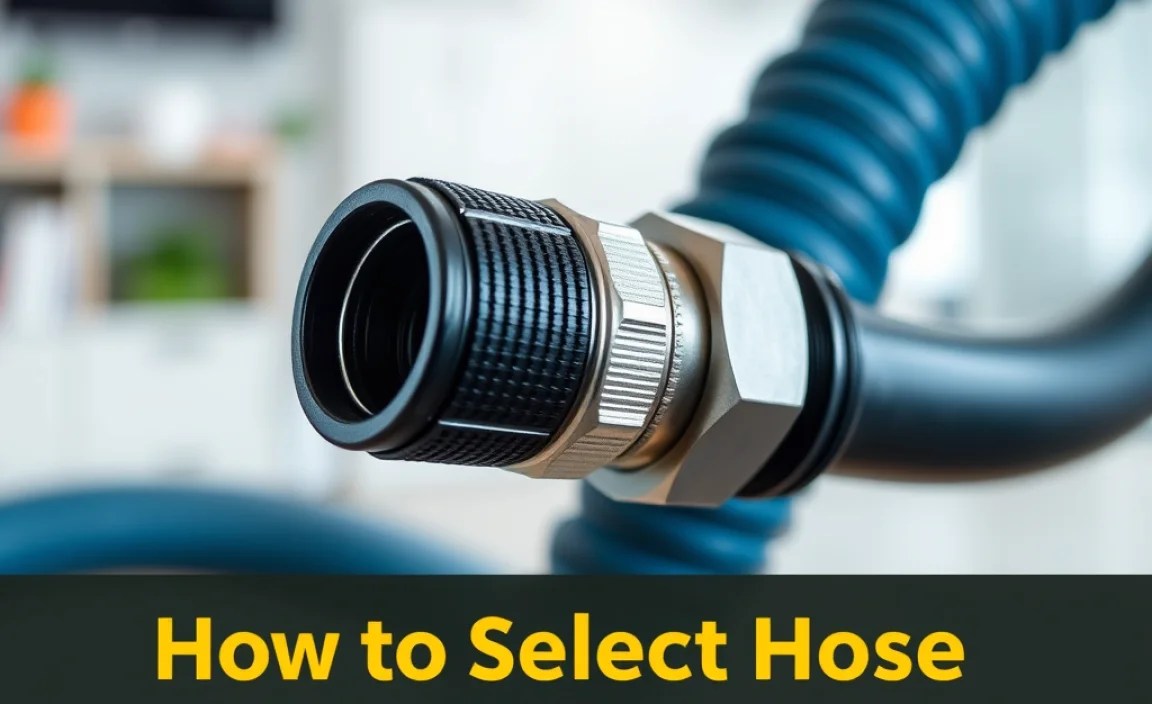
Selecting the appropriate hose length and diameter is crucial for optimal performance. Here’s what you need to consider:
Hose Length
The length of your hose should be sufficient to reach all areas you need to cover without being excessively long, which can reduce water pressure and become cumbersome. Measure the distance from your water source to the farthest point you’ll need to reach, and add a few extra feet for flexibility.
- Too Short: Limits your reach and can be inconvenient.
- Too Long: Reduces water pressure and can be difficult to manage.
Hose Diameter
The diameter of your hose affects the water flow rate. Common hose diameters include 1/2 inch, 5/8 inch, and 3/4 inch. A larger diameter allows for greater water flow, which is beneficial for tasks like filling large containers or operating multiple sprinklers.
- 1/2 Inch: Suitable for light watering and small gardens.
- 5/8 Inch: A good balance of flow and manageability for general use.
- 3/4 Inch: Provides maximum water flow for large areas and high-demand applications.
Here’s a table summarizing the recommended hose diameter based on the distance:
| Distance from Water Source | Recommended Hose Diameter |
|---|---|
| Up to 50 feet | 1/2 inch or 5/8 inch |
| 50 to 100 feet | 5/8 inch |
| Over 100 feet | 3/4 inch |
Understanding Quick-Release Connectors

Quick-release connectors make it easy to attach and detach hoses from water sources, tools, and accessories. They come in various materials and designs, each with its own advantages and disadvantages.
Types of Quick-Release Connectors
- Standard Connectors: These are the most common type, featuring a simple push-and-click mechanism. They are easy to use and widely available.
- Ball-Lock Connectors: Ball-lock connectors use a series of ball bearings to secure the connection. They offer a more secure and leak-proof fit, especially under high pressure.
- Cam-Lock Connectors: Cam-lock connectors use a lever to lock the connection in place. They are commonly used in industrial applications due to their robust design and secure seal.
Connector Materials
- Plastic Connectors: Plastic connectors are lightweight and inexpensive but less durable than metal connectors. They are suitable for light-duty applications.
- Brass Connectors: Brass connectors are durable, corrosion-resistant, and provide a good seal. They are a popular choice for general use.
- Stainless Steel Connectors: Stainless steel connectors are the most durable and corrosion-resistant option. They are ideal for heavy-duty applications and environments where exposure to chemicals or harsh conditions is a concern.
Here’s a comparison table of connector materials:
| Material | Pros | Cons | Best For |
|---|---|---|---|
| Plastic | Lightweight, Inexpensive | Less Durable, Prone to Cracking | Light-Duty Applications |
| Brass | Durable, Corrosion-Resistant, Good Seal | More Expensive than Plastic | General Use |
| Stainless Steel | Most Durable, Corrosion-Resistant, Best Seal | Most Expensive | Heavy-Duty Applications, Harsh Environments |
Key Features to Look For
When selecting a hose with a quick-release connector, consider these key features to ensure you get the best performance and longevity:
Kink Resistance
A good hose should be resistant to kinking, which can restrict water flow and damage the hose. Look for hoses with reinforced construction or anti-kink technology.
Burst Pressure
The burst pressure indicates the maximum pressure the hose can withstand before bursting. Choose a hose with a burst pressure that exceeds the maximum pressure of your water source to prevent leaks and damage.
UV Resistance
If you plan to use the hose outdoors, look for a hose with UV resistance to prevent degradation from sunlight exposure. UV-resistant hoses are less likely to crack and become brittle over time.
Ergonomic Design
Consider the design of the quick-release connector. Look for connectors with an ergonomic grip and easy-to-use locking mechanism. This will make it easier to attach and detach the hose, especially with wet or gloved hands.
Compatibility
Ensure that the quick-release connector is compatible with your water source, tools, and accessories. Check the thread size and type to ensure a secure and leak-proof fit. Most garden hoses use a standard GHT (Garden Hose Thread), but it’s always good to double-check.
The Occupational Safety and Health Administration (OSHA) provides guidelines to ensure safe working conditions, including proper hose and connector usage in industrial settings.
Step-by-Step Guide to Selecting a Hose with a Quick-Release Connector
Follow these steps to choose the right hose and quick-release connector for your needs:
Step 1: Determine Your Needs
Consider how you will primarily use the hose. Will it be for gardening, washing your car, or connecting to an air compressor? Understanding your needs will help you narrow down the options.
Step 2: Measure the Required Length
Measure the distance from your water source to the farthest point you need to reach. Add a few extra feet for flexibility. Choose a hose length that meets your needs without being excessively long.
Step 3: Choose the Right Hose Diameter
Select the appropriate hose diameter based on the distance and water flow requirements. A 5/8-inch hose is a good choice for general use, while a 3/4-inch hose is better for high-demand applications.
Step 4: Select the Hose Material
Choose a hose material that meets your durability and flexibility requirements. Rubber hoses are ideal for heavy-duty use, while reinforced hoses offer a good balance of durability and affordability.
Step 5: Choose the Quick-Release Connector Type
Select a quick-release connector type based on your needs and budget. Standard connectors are suitable for general use, while ball-lock and cam-lock connectors offer a more secure and leak-proof fit.
Step 6: Choose the Connector Material
Select a connector material that meets your durability and corrosion resistance requirements. Brass connectors are a good choice for general use, while stainless steel connectors are ideal for heavy-duty applications and harsh environments.
Step 7: Check for Key Features
Look for key features such as kink resistance, burst pressure, UV resistance, and ergonomic design. These features will enhance the hose’s performance and longevity.
Step 8: Read Reviews and Compare Options
Read reviews from other users and compare different options before making a final decision. This will help you identify any potential issues and ensure you are getting a high-quality product.
Maintaining Your Hose and Connectors
Proper maintenance can extend the life of your hose and connectors. Here are some tips to keep them in good condition:
- Store Properly: Store your hose in a cool, dry place away from direct sunlight. Use a hose reel or hanger to prevent kinking and damage.
- Drain After Use: Drain the hose after each use to prevent water from freezing and causing damage.
- Inspect Regularly: Inspect the hose and connectors regularly for signs of wear and tear. Replace any damaged parts immediately.
- Clean Periodically: Clean the hose and connectors periodically with mild soap and water to remove dirt and debris.
- Lubricate Connectors: Lubricate the quick-release connectors with silicone grease to ensure smooth operation and prevent corrosion.
The Environmental Protection Agency (EPA) provides guidelines on water conservation, including efficient watering practices that can extend the life of your hose.
Troubleshooting Common Issues
Even with the best hose and connectors, you may encounter some common issues. Here’s how to troubleshoot them:
- Leaks: Check the connections for tightness. Ensure that the O-rings or washers are in good condition and properly seated. Replace any worn or damaged parts.
- Kinks: Avoid sharp bends and twists in the hose. Use a hose reel or hanger to store the hose properly. If the hose is prone to kinking, consider a more kink-resistant model.
- Low Water Pressure: Check for kinks or obstructions in the hose. Ensure that the hose diameter is sufficient for your needs. Clean the hose and connectors to remove any debris that may be restricting water flow.
- Difficult Connections: Lubricate the quick-release connectors with silicone grease. Ensure that the connectors are properly aligned before attempting to connect them. If the connectors are damaged, replace them.
FAQ: Selecting a Hose with Quick Release Connector
What is the best material for a garden hose with a quick-release connector?
Rubber hoses are the most durable and kink-resistant, making them ideal for heavy-duty use. Reinforced hoses offer a good balance of durability and affordability. For connectors, brass is a great all-around choice, while stainless steel provides the best corrosion resistance.
How do I choose the right length for my garden hose?
Measure the distance from your water source to the farthest point you need to reach and add a few extra feet for flexibility. Avoid hoses that are too long, as they can reduce water pressure and be difficult to manage.
What size garden hose should I buy?
A 5/8-inch hose is a good choice for general use, providing a balance of water flow and manageability. For larger areas or high-demand applications, consider a 3/4-inch hose for maximum water flow.
Are quick-release connectors worth it?
Yes, quick-release connectors make it easy to attach and detach hoses from water sources, tools, and accessories. They save time and frustration compared to traditional threaded connections.
How do I prevent my garden hose from kinking?
Choose a hose with reinforced construction or anti-kink technology. Store the hose properly on a reel or hanger to prevent sharp bends and twists. Avoid dragging the hose across rough surfaces.
How do I maintain my garden hose and quick-release connectors?
Store the hose in a cool, dry place away from direct sunlight. Drain the hose after each use to prevent freezing. Inspect the hose and connectors regularly for signs of wear and tear. Clean the hose and connectors periodically with mild soap and water.
Can I use a quick-release connector with any garden hose?
Most quick-release connectors are designed to be compatible with standard garden hoses. However, it’s essential to check the thread size and type to ensure a secure and leak-proof fit. Garden hoses typically use a GHT (Garden Hose Thread).
Conclusion
Selecting the right hose with a quick-release connector doesn’t have to be complicated. By considering the hose material, length, diameter, connector type, and key features, you can choose a hose that meets your needs and provides years of reliable performance. Remember to maintain your hose and connectors properly to extend their lifespan and prevent common issues. With the right hose and connectors, you’ll be able to tackle any task with ease and efficiency!


