
How Does the Heat Pump Cycle Work? A Simple Guide

The heat pump cycle moves heat from one place to another using a refrigerant. This refrigerant evaporates to absorb heat from a cold source, then condenses to release heat to a warmer area. A compressor and expansion valve control the refrigerant’s pressure and temperature, making the heat transfer possible.
Ever wondered how your heat pump keeps your home warm in the winter and cool in the summer? It might seem like magic, but it’s all based on a clever cycle that moves heat around. Understanding this cycle can help you troubleshoot minor issues and appreciate the efficiency of your system. Don’t worry, it’s not as complicated as it sounds! We’ll break down each step in plain language, so you can easily grasp how your heat pump works. Let’s jump in and see how this amazing technology keeps you comfortable year-round!
Understanding the Basics of Heat Pumps

Before we dive into the cycle itself, let’s cover the fundamental principles behind heat pumps. These systems don’t generate heat; they simply transfer it from one place to another. Think of it like a water pump – it moves water, but doesn’t create it. Heat pumps use a refrigerant, a special substance that easily changes between liquid and gas states, to move heat efficiently. This process relies on basic physics principles.
What is a Refrigerant?
Refrigerant is the lifeblood of a heat pump. It’s a fluid with a low boiling point, which means it can easily evaporate and condense at temperatures commonly found in the environment. As it evaporates, it absorbs heat; as it condenses, it releases heat. Different types of refrigerants exist, but they all share this essential property of efficient heat transfer. Older refrigerants like Freon (R-22) have been phased out due to environmental concerns, replaced by more eco-friendly options like R-410A and R-32. The U.S. Environmental Protection Agency (EPA) provides detailed information on refrigerant regulations and safe handling practices.
The Key Components of a Heat Pump
A heat pump system consists of four main components that work together to move heat:
- Evaporator: This is where the refrigerant absorbs heat and evaporates into a gas.
- Condenser: Here, the refrigerant releases heat and condenses back into a liquid.
- Compressor: This increases the pressure and temperature of the refrigerant gas.
- Expansion Valve (or Metering Device): This reduces the pressure and temperature of the liquid refrigerant before it enters the evaporator.
These components are connected in a closed loop, allowing the refrigerant to circulate continuously and transfer heat efficiently.
The Heat Pump Cycle: A Step-by-Step Guide

Now, let’s walk through the heat pump cycle, step by step. We’ll cover both heating and cooling modes to give you a complete picture of how your heat pump works year-round.
Heating Mode: Warming Your Home
In heating mode, the heat pump extracts heat from the outside air (even when it’s cold!) and transfers it inside your home.
- Evaporation: The cold, low-pressure refrigerant enters the outdoor evaporator coil. Here, it absorbs heat from the outside air and turns into a low-pressure gas.
- Compression: The low-pressure refrigerant gas then flows to the compressor. The compressor increases the pressure and temperature of the gas, making it a hot, high-pressure gas.
- Condensation: The hot, high-pressure gas travels to the indoor condenser coil. Here, it releases its heat into your home, warming the air that circulates through your vents. As it releases heat, the refrigerant condenses back into a high-pressure liquid.
- Expansion: The high-pressure liquid refrigerant then flows through the expansion valve, which reduces its pressure and temperature. This creates a cold, low-pressure liquid, ready to start the cycle again in the outdoor evaporator coil.
Cooling Mode: Cooling Your Home
In cooling mode, the heat pump reverses the process, extracting heat from inside your home and transferring it outside.
- Evaporation: The cold, low-pressure refrigerant enters the indoor evaporator coil. Here, it absorbs heat from the inside air, cooling your home, and turns into a low-pressure gas.
- Compression: The low-pressure refrigerant gas flows to the compressor, which increases its pressure and temperature, creating a hot, high-pressure gas.
- Condensation: The hot, high-pressure gas travels to the outdoor condenser coil. Here, it releases its heat into the outside air. As it releases heat, the refrigerant condenses back into a high-pressure liquid.
- Expansion: The high-pressure liquid refrigerant then flows through the expansion valve, reducing its pressure and temperature. This creates a cold, low-pressure liquid, ready to start the cycle again in the indoor evaporator coil.
The Reversing Valve: Switching Between Modes
So, how does the heat pump switch between heating and cooling modes? This is where the reversing valve comes in. This valve changes the direction of the refrigerant flow, allowing the heat pump to either extract heat from outside and bring it inside (heating) or extract heat from inside and release it outside (cooling). The reversing valve is controlled by a thermostat, which senses the temperature inside your home and signals the valve to switch modes as needed.
Understanding COP and HSPF

When shopping for a heat pump, you’ll encounter terms like Coefficient of Performance (COP) and Heating Seasonal Performance Factor (HSPF). These ratings indicate the efficiency of the heat pump in heating and cooling modes.
Coefficient of Performance (COP)
COP measures the heating efficiency of a heat pump at a specific operating condition. It’s the ratio of heat output to energy input. For example, a heat pump with a COP of 3.0 produces 3 units of heat for every 1 unit of energy it consumes. The higher the COP, the more efficient the heat pump.
Heating Seasonal Performance Factor (HSPF)
HSPF measures the overall heating efficiency of a heat pump over an entire heating season. It takes into account variations in temperature and operating conditions. HSPF is calculated by dividing the total heating output by the total energy input during the heating season. A higher HSPF indicates a more efficient heat pump.
The Air Conditioning, Heating, and Refrigeration Institute (AHRI) provides certification and performance standards for heat pumps, ensuring accurate and reliable efficiency ratings.
Troubleshooting Common Issues
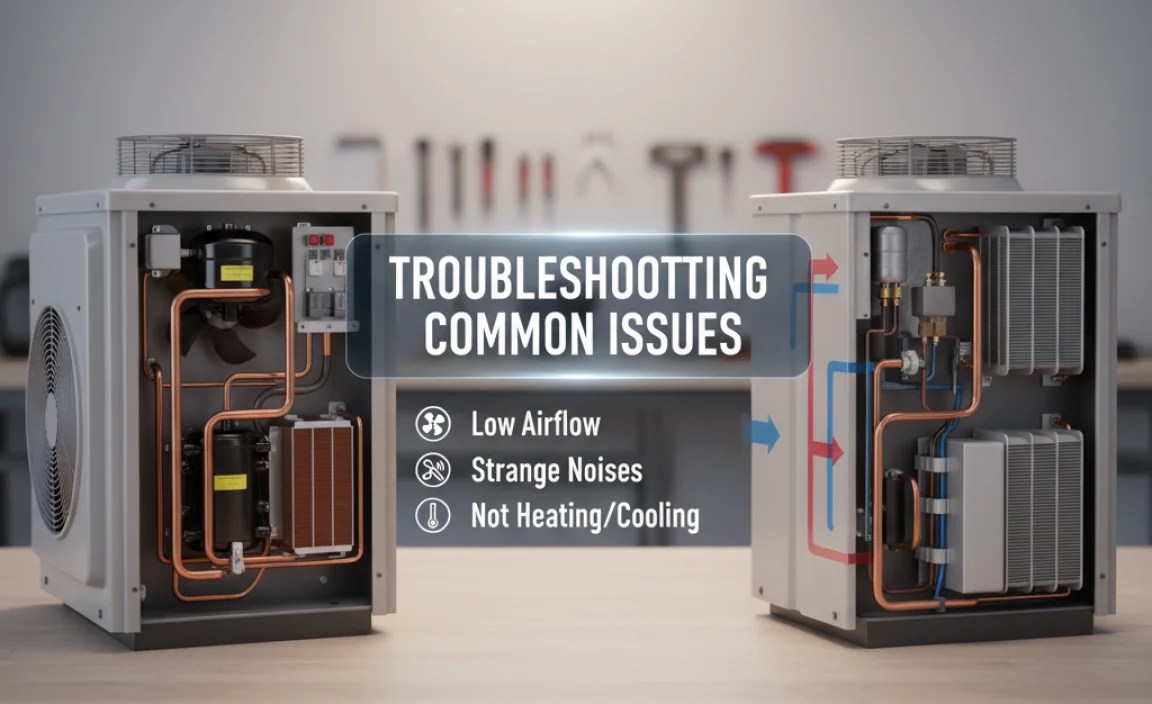
Even with proper maintenance, heat pumps can experience problems. Here are some common issues and how to troubleshoot them:
- Heat pump not heating or cooling: Check the thermostat settings, air filter, and circuit breaker. Make sure the outdoor unit is free of debris.
- Noisy operation: Check for loose parts, debris in the outdoor unit, or a malfunctioning fan motor.
- Ice buildup on the outdoor unit: This can be normal during cold weather, but excessive ice buildup may indicate a problem with the defrost cycle.
- Reduced airflow: Check the air filter and ductwork for blockages.
If you encounter any serious issues, it’s always best to consult a qualified HVAC technician. Regular maintenance can help prevent many problems and extend the life of your heat pump.
Maintaining Your Heat Pump
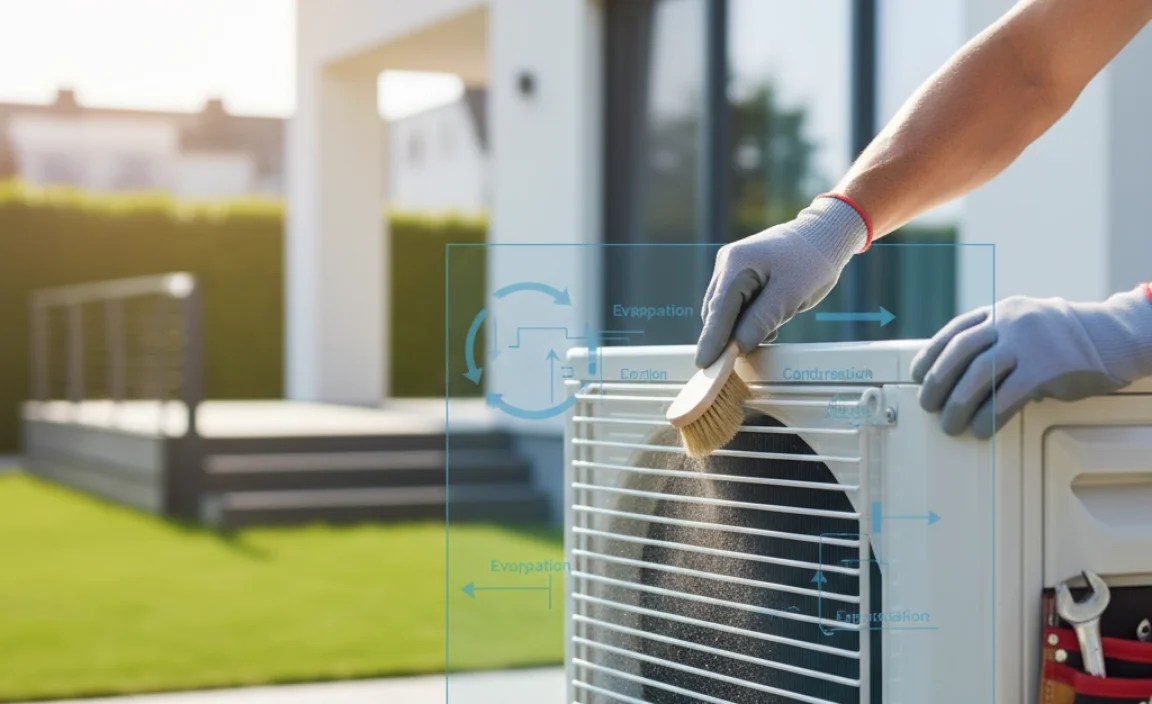
Proper maintenance is crucial for keeping your heat pump running efficiently and reliably. Here are some essential maintenance tasks:
- Clean or replace air filters regularly: Dirty air filters restrict airflow and reduce efficiency. Check your filters monthly and replace them every 1-3 months, depending on usage and air quality.
- Clean the outdoor unit: Remove leaves, debris, and snow from around the outdoor unit. This ensures proper airflow and prevents damage.
- Check the coils: Clean the evaporator and condenser coils periodically to remove dirt and dust. You can use a fin comb to straighten bent fins.
- Inspect the fan: Check the fan blades for damage and ensure the fan motor is running smoothly.
- Schedule professional maintenance: Have a qualified HVAC technician inspect and service your heat pump annually. This includes checking refrigerant levels, lubricating moving parts, and inspecting electrical connections.
Regular maintenance can save you money on energy bills and prevent costly repairs down the road.
Heat Pump Efficiency Tips
Here are some tips to maximize the efficiency of your heat pump:
- Set the thermostat at a constant temperature: Avoid drastic temperature changes, as this can reduce efficiency.
- Use a programmable thermostat: Set the thermostat to lower the temperature when you’re away or asleep.
- Seal air leaks: Seal any cracks or gaps around windows, doors, and other openings to prevent heat loss.
- Insulate your home: Proper insulation helps keep your home warm in the winter and cool in the summer, reducing the load on your heat pump.
- Use curtains or blinds: Close curtains or blinds during the day to block sunlight and reduce heat gain in the summer. Open them in the winter to let sunlight in and warm your home.
Heat Pump vs. Traditional HVAC Systems
Heat pumps offer several advantages over traditional HVAC systems, such as furnaces and air conditioners.
| Feature | Heat Pump | Traditional HVAC System |
|---|---|---|
| Efficiency | More efficient, especially in moderate climates | Less efficient |
| Heating and Cooling | Provides both heating and cooling | Requires separate systems for heating and cooling |
| Environmental Impact | Lower greenhouse gas emissions | Higher greenhouse gas emissions |
| Upfront Cost | Can be higher | Generally lower |
| Operating Cost | Generally lower | Generally higher |
However, heat pumps may not be as effective in extremely cold climates, as their heating capacity decreases as the outside temperature drops. In these areas, a hybrid system that combines a heat pump with a gas furnace may be a better option.
Geothermal Heat Pumps: An Alternative
Geothermal heat pumps, also known as ground-source heat pumps, offer even greater efficiency than air-source heat pumps. Instead of exchanging heat with the outside air, they exchange heat with the ground, which maintains a more constant temperature year-round. This makes geothermal heat pumps more efficient and reliable, especially in extreme climates.
How Geothermal Heat Pumps Work
Geothermal heat pumps use a network of underground pipes to circulate a refrigerant or water-antifreeze solution. In the winter, the fluid absorbs heat from the ground and transfers it to the heat pump, which then warms your home. In the summer, the process is reversed, and heat is extracted from your home and transferred to the ground.
Advantages of Geothermal Heat Pumps
- Higher efficiency: Geothermal heat pumps are more efficient than air-source heat pumps.
- Consistent performance: They maintain consistent performance regardless of the outside temperature.
- Longer lifespan: Geothermal heat pumps typically last longer than air-source heat pumps.
- Lower operating costs: They can save you money on energy bills.
Disadvantages of Geothermal Heat Pumps
- Higher upfront cost: Geothermal heat pumps have a higher upfront cost than air-source heat pumps.
- Installation requirements: Installation requires excavation and may not be suitable for all properties.
FAQ About Heat Pumps
Here are some frequently asked questions about heat pumps:
- What is the ideal temperature setting for my heat pump?
- The ideal temperature setting depends on your personal preferences and energy-saving goals. A comfortable and energy-efficient setting is typically between 68-72°F in the winter and 75-78°F in the summer.
- How often should I change my heat pump’s air filter?
- You should check your air filter monthly and replace it every 1-3 months, depending on usage and air quality. A dirty air filter restricts airflow and reduces efficiency.
- Is it normal for my heat pump to make noise?
- Some noise is normal, such as the sound of the fan running or the compressor starting. However, excessive noise may indicate a problem with the system. Contact a qualified HVAC technician if you notice any unusual noises.
- Can I install a heat pump myself?
- Installing a heat pump requires specialized knowledge and tools. It’s best to hire a qualified HVAC technician to ensure proper installation and avoid potential safety hazards.
- How long do heat pumps last?
- With proper maintenance, heat pumps can last 15-20 years or more. Regular maintenance can extend the life of your heat pump and prevent costly repairs.
- Are heat pumps effective in cold climates?
- Heat pumps are effective in moderate climates, but their heating capacity decreases as the outside temperature drops. In extremely cold climates, a hybrid system that combines a heat pump with a gas furnace may be a better option.
- What are the signs that my heat pump needs repair?
- Signs your heat pump needs repair include reduced heating or cooling performance, unusual noises, increased energy bills, and frequent cycling. Contact a qualified HVAC technician if you notice any of these signs.
Conclusion
Understanding the heat pump cycle empowers you to appreciate the technology that keeps your home comfortable year-round. From the evaporation of refrigerant to the compression and condensation processes, each step plays a crucial role in transferring heat efficiently. By following the maintenance tips and efficiency guidelines outlined in this guide, you can ensure your heat pump operates at its best, saving you money and reducing your environmental impact. Whether you’re a homeowner looking to optimize your system or simply curious about how heat pumps work, we hope this article has provided you with valuable insights into this amazing technology.
“`


