
How to Easily Remove Dirt From Hose Connectors

Quick Summary: To remove dirt from hose connectors, start by rinsing with water. For stubborn dirt, use a brush and mild soap. If necessary, disassemble the connector and soak it in vinegar or a commercial cleaner. Rinse thoroughly and dry before reassembling to ensure a clean, leak-free connection.
Hose connectors are essential for keeping your bike pump working smoothly, but they can get clogged with dirt and grime. This can make it hard to inflate your tires properly, which is frustrating when you’re trying to get out for a ride. Luckily, cleaning them is a simple task that can make a big difference in your pump’s performance. This guide will walk you through each step, so you can keep your connectors clean and your tires inflated with ease. Let’s get started!
Why Clean Your Hose Connectors?

Keeping your hose connectors clean is about more than just appearances. Dirt and grime can cause several problems that affect your bike pump’s functionality and your overall cycling experience.
- Poor Seal: Dirt can prevent the connector from forming a tight seal, leading to air leaks.
- Inefficient Pumping: A compromised seal means you have to work harder to inflate your tires.
- Damage to Valves: Debris can get into your tire valves, causing damage and air loss.
- Reduced Lifespan: Accumulated dirt can corrode the connector, shortening its lifespan.
Tools and Materials You’ll Need

Before you start, gather these essential tools and materials. Having everything on hand will make the cleaning process smooth and efficient.
- Water Source: A sink or hose to rinse the connectors.
- Small Brush: A toothbrush or small cleaning brush to scrub away dirt.
- Mild Soap: Dish soap or a gentle cleaner to loosen grime.
- Vinegar (Optional): For stubborn dirt and mineral buildup.
- Commercial Cleaner (Optional): A specialized cleaner for bike parts.
- Clean Cloth: To dry the connectors after cleaning.
- Small Tools (Optional): Pliers or wrenches for disassembling the connector, if needed.
Step-by-Step Guide to Cleaning Hose Connectors

Follow these steps to thoroughly clean your hose connectors and ensure they function properly.
Step 1: Initial Rinse
Start by rinsing the hose connector under running water. This will remove loose dirt and debris, making it easier to clean the more stubborn grime.
- Hold the connector under a faucet or hose.
- Rotate the connector to rinse all sides.
- Check for any remaining visible dirt.
Step 2: Scrubbing with Soap
Next, use a small brush and mild soap to scrub the connector. This will help loosen and remove any remaining dirt and grime.
- Apply a small amount of mild soap to the brush.
- Scrub the exterior and interior of the connector.
- Pay special attention to threads and crevices.
- Rinse the connector thoroughly with water.
Step 3: Disassembling the Connector (If Necessary)
If the connector is still dirty, consider disassembling it for a more thorough cleaning. This step is crucial for connectors with intricate designs.
- Use pliers or wrenches to carefully disassemble the connector.
- Keep track of all small parts to ensure proper reassembly.
- Clean each part individually with the brush and soap.
Step 4: Soaking in Vinegar or Commercial Cleaner (For Stubborn Dirt)
For stubborn dirt or mineral buildup, soaking the connector in vinegar or a commercial cleaner can be very effective.
- Vinegar:
- Submerge the connector parts in white vinegar.
- Let them soak for 15-30 minutes.
- Scrub with a brush to remove loosened dirt.
- Rinse thoroughly with water.
- Commercial Cleaner:
- Follow the manufacturer’s instructions for dilution and soaking time.
- Use a brush to scrub away dirt.
- Rinse thoroughly with water.
Step 5: Final Rinse and Inspection
After soaking and scrubbing, give the connector a final rinse to ensure all soap and cleaning solution are removed.
- Rinse the connector parts under running water.
- Inspect each part for any remaining dirt.
- Repeat scrubbing and rinsing if necessary.
Step 6: Drying the Connector
Before reassembling the connector, make sure all parts are completely dry. This will prevent corrosion and ensure a good seal.
- Use a clean cloth to dry each part thoroughly.
- Allow the parts to air dry for a few minutes.
- Ensure no moisture remains before reassembly.
Step 7: Reassembling the Connector
Carefully reassemble the connector, making sure all parts are properly aligned and tightened. This step is critical for ensuring the connector functions correctly.
- Refer to the disassembly steps in reverse order.
- Tighten all parts securely with pliers or wrenches.
- Avoid over-tightening, which can damage the connector.
- Test the connector by attaching it to the hose and inflating a tire.
Maintaining Clean Hose Connectors
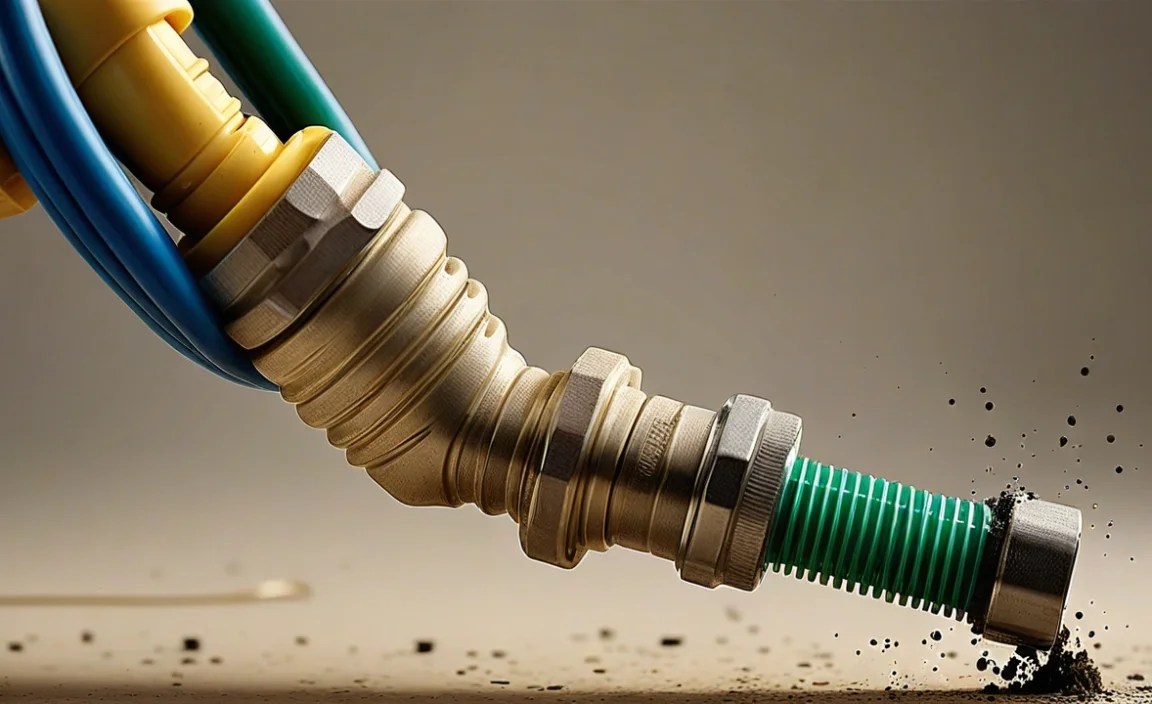
Regular maintenance can prevent dirt buildup and keep your hose connectors in good condition. Here are some tips to keep your connectors clean:
- Regular Cleaning: Clean your hose connectors every few months, or more often if you use your bike pump frequently.
- Storage: Store your bike pump in a clean, dry place to prevent dirt and moisture from accumulating on the connectors.
- Inspection: Regularly inspect your connectors for signs of wear and tear, such as cracks or corrosion.
- Lubrication: Apply a small amount of silicone grease to the threads of the connector to keep them smooth and prevent corrosion.
Troubleshooting Common Issues
Even with regular cleaning, you might encounter some issues with your hose connectors. Here are some common problems and how to troubleshoot them:
| Issue | Possible Cause | Solution |
|---|---|---|
| Air Leak | Dirt or debris preventing a tight seal | Disassemble and clean the connector thoroughly. |
| Difficulty Attaching | Corrosion or damage to the threads | Clean the threads with a brush and apply silicone grease. If damaged, replace the connector. |
| Connector Won’t Release | Buildup of dirt or corrosion | Soak the connector in vinegar or a commercial cleaner. Use pliers to gently loosen the connector. |
| Stiff or Difficult to Use | Lack of lubrication | Apply a small amount of silicone grease to the moving parts of the connector. |
Choosing the Right Cleaning Products
Selecting the right cleaning products can make a big difference in the effectiveness of your cleaning efforts and the longevity of your hose connectors. Here are some recommendations:
- Mild Soap: Dish soap is a safe and effective option for general cleaning.
- Vinegar: White vinegar is excellent for removing mineral buildup and corrosion.
- Commercial Bike Cleaners: Specialized bike cleaners are designed to remove tough grime without damaging the connector.
- Silicone Grease: Applying silicone grease to the threads can help prevent corrosion and keep the connector smooth. You can find great options at reputable retailers like REI.
When to Replace Your Hose Connectors
Even with regular cleaning and maintenance, hose connectors can eventually wear out or become damaged. Here are some signs that it’s time to replace your connectors:
- Visible Damage: Cracks, corrosion, or stripped threads.
- Persistent Leaks: If you can’t stop air leaks even after cleaning and tightening the connector.
- Difficulty Attaching: If the connector becomes increasingly difficult to attach or detach from the valve.
- Reduced Performance: If your bike pump’s performance declines despite your best efforts to maintain it.
Replacing your hose connectors is a simple and affordable way to keep your bike pump working efficiently. You can find replacement connectors at most bike shops or online retailers such as Amazon.
Advanced Cleaning Techniques
For those who want to take their cleaning to the next level, here are some advanced techniques that can help you keep your hose connectors in top condition:
- Ultrasonic Cleaning: An ultrasonic cleaner uses sound waves to agitate the cleaning solution and remove dirt from hard-to-reach places.
- Rust Removal: For connectors with rust, use a rust removal product or a mixture of baking soda and water to scrub away the rust.
- Polishing: Use a metal polish to restore the shine to your connectors and protect them from corrosion.
DIY Cleaning Solutions
If you prefer to use homemade cleaning solutions, here are a couple of effective options:
- Baking Soda Paste: Mix baking soda with water to form a paste. Apply the paste to the connector and scrub with a brush.
- Lemon Juice: Lemon juice is a natural acid that can help dissolve mineral buildup. Soak the connector in lemon juice for 30 minutes, then scrub with a brush.
Hose Connector Types and Cleaning Considerations
Different types of hose connectors may require slightly different cleaning approaches. Here’s a breakdown of common types and their specific needs:
| Connector Type | Description | Cleaning Considerations |
|---|---|---|
| Threaded Connectors | Connectors that screw onto the valve. | Pay close attention to cleaning the threads to ensure a tight seal. |
| Quick-Release Connectors | Connectors that snap onto the valve. | Clean the internal mechanisms to ensure smooth operation. |
| Dual-Head Connectors | Connectors with separate heads for Presta and Schrader valves. | Clean both heads thoroughly to prevent cross-contamination. |
| Flexible Hose Connectors | Connectors with a flexible hose for easier access. | Be gentle when cleaning the hose to avoid damaging it. |
Environmental Considerations
When cleaning your hose connectors, it’s important to consider the environmental impact of your cleaning products. Here are some tips for eco-friendly cleaning:
- Use Biodegradable Cleaners: Choose cleaning products that are biodegradable and environmentally friendly.
- Avoid Harsh Chemicals: Avoid using harsh chemicals that can harm the environment.
- Dispose of Waste Properly: Dispose of used cleaning solutions and materials properly.
- Conserve Water: Use water sparingly when rinsing the connectors.
The Science Behind Cleaning
Understanding the science behind cleaning can help you choose the most effective methods and products. Here are some key concepts:
- Solvents: Solvents dissolve dirt and grime, making it easier to remove.
- Surfactants: Surfactants reduce the surface tension of water, allowing it to penetrate dirt and grime more effectively.
- Acids: Acids dissolve mineral buildup and corrosion.
- Bases: Bases neutralize acids and help remove organic matter.
Safety Precautions
When cleaning your hose connectors, it’s important to take some safety precautions to protect yourself and your equipment. Here are some tips:
- Wear Gloves: Wear gloves to protect your hands from harsh chemicals.
- Eye Protection: Wear eye protection to prevent cleaning solutions from splashing into your eyes.
- Ventilation: Work in a well-ventilated area to avoid inhaling fumes from cleaning products.
- Read Instructions: Always read and follow the instructions on cleaning product labels.
Common Mistakes to Avoid
To ensure you clean your hose connectors effectively and safely, avoid these common mistakes:
- Using Abrasive Cleaners: Abrasive cleaners can scratch and damage the connector.
- Over-Tightening: Over-tightening the connector can damage the threads.
- Ignoring Small Parts: Don’t forget to clean small parts like O-rings and washers.
- Reassembling Wet: Always dry the connector completely before reassembling.
FAQ: Cleaning Hose Connectors
Here are some frequently asked questions about cleaning hose connectors.
Q: How often should I clean my hose connectors?
A: Clean your hose connectors every few months, or more often if you use your bike pump frequently.
Q: Can I use WD-40 to clean my hose connectors?
A: WD-40 can help loosen dirt and grime, but it’s not a substitute for proper cleaning. Use it sparingly and follow up with soap and water.
Q: What’s the best way to remove mineral buildup from my hose connectors?
A: Soak the connectors in white vinegar for 15-30 minutes, then scrub with a brush.
Q: Can I use a dishwasher to clean my hose connectors?
A: It’s not recommended to use a dishwasher, as the high heat and harsh detergents can damage the connectors. Hand washing is a safer option.
Q: How do I prevent corrosion on my hose connectors?
A: Apply a small amount of silicone grease to the threads of the connector to prevent corrosion.
Q: What should I do if my hose connector is stuck?
A: Soak the connector in vinegar or a commercial cleaner to loosen it. Use pliers to gently twist and pull the connector free.
Q: Can I use a metal brush to clean my hose connectors?
A: Avoid using a metal brush, as it can scratch and damage the connector. Use a soft-bristled brush instead.
Conclusion
Keeping your hose connectors clean is a simple but crucial part of bike maintenance. By following these steps and tips, you can ensure your bike pump works efficiently and your tires are always properly inflated. Regular cleaning not only improves performance but also extends the lifespan of your connectors, saving you money in the long run. So, grab your tools, get those connectors clean, and enjoy a smoother, more efficient ride. Happy cycling!


