
How to Identify Burst-Proof Hose: Smart Guide

Quick Summary: Want a garden hose that won’t burst under pressure? Check the hose’s PSI rating – higher is better. Look for reinforced construction with multiple layers and durable materials like rubber or polyurethane. Metal couplings are more reliable than plastic. Finally, read reviews to see how the hose performs in real-world conditions.
Dealing with a burst garden hose is a pain. One minute you’re watering your plants, the next you’re dodging a geyser. It’s frustrating, messy, and wastes water. But don’t worry, you can avoid this problem! Choosing the right hose is all about knowing what to look for.
This guide will walk you through the key features that make a hose burst-resistant. We’ll cover PSI ratings, materials, construction, and more. By the end, you’ll be able to confidently pick a hose that can handle the pressure and last for years. Let’s get started!
Understanding Hose Pressure Ratings

The pressure rating of a garden hose tells you how much water pressure it can handle before bursting. This is measured in pounds per square inch (PSI). Knowing this number is the first step in choosing a burst-proof hose.
What is PSI?
PSI stands for pounds per square inch. It’s the unit of measurement for pressure. In the context of a garden hose, it tells you how much force the water is exerting on the inside of the hose.
Why PSI Matters for Hose Durability
A higher PSI rating means the hose can withstand more pressure. This is important because water pressure can vary depending on your location and time of day. A hose with a low PSI rating is more likely to burst under high pressure.
Most homes have water pressure between 40 and 60 PSI. However, some areas can experience higher pressure, especially during off-peak hours. It’s always better to choose a hose with a PSI rating that exceeds your home’s water pressure.
How to Find the PSI Rating on a Hose
The PSI rating is usually printed on the hose itself, often near the couplings. It may also be on the packaging or a tag attached to the hose. Look for a number followed by “PSI.” If you can’t find it, check the manufacturer’s website or contact customer service.
Here’s what to look for:
- Check the hose itself for a printed PSI rating.
- Look at the packaging or any tags that came with the hose.
- Visit the manufacturer’s website and search for the hose model.
- Contact the manufacturer’s customer service for assistance.
Recommended PSI Ratings for Different Uses
The ideal PSI rating depends on how you plan to use the hose. Here are some general recommendations:
- Light-duty use (watering plants, washing cars): 150-200 PSI
- Medium-duty use (power washing, filling pools): 200-300 PSI
- Heavy-duty use (commercial use, high-pressure situations): 300+ PSI
Always choose a hose with a PSI rating that meets or exceeds your needs. It’s better to err on the side of caution to avoid bursts and leaks.
Examining Hose Materials and Construction

The materials and construction of a garden hose play a crucial role in its durability and resistance to bursting. Different materials offer varying levels of strength, flexibility, and resistance to wear and tear.
Common Hose Materials and Their Properties
Here are some of the most common materials used in garden hoses:
- Rubber: Known for its durability and flexibility. Rubber hoses are less likely to kink and can withstand high pressure. They are, however, heavier than other types of hoses.
- Vinyl: A cheaper option that is lightweight and easy to handle. Vinyl hoses are not as durable as rubber and are more prone to kinking and bursting.
- Polyurethane: A lightweight and durable material that is resistant to abrasion and chemicals. Polyurethane hoses are a good compromise between rubber and vinyl.
- Reinforced: These hoses have an extra layer of material, such as nylon or polyester mesh, to increase their strength and burst resistance.
Here’s a quick comparison:
| Material | Pros | Cons |
|---|---|---|
| Rubber | Durable, flexible, kink-resistant | Heavy, more expensive |
| Vinyl | Lightweight, inexpensive | Not as durable, prone to kinking |
| Polyurethane | Lightweight, durable, abrasion-resistant | Can be more expensive than vinyl |
| Reinforced | Extra strength, burst-resistant | Can be stiffer than other hoses |
Identifying Reinforcement Layers
Reinforcement layers are extra layers of material that add strength and burst resistance to a hose. These layers are usually made of nylon, polyester, or other strong fabrics.
To identify reinforcement layers, look for a mesh-like pattern under the outer layer of the hose. You may also be able to feel the extra layers by squeezing the hose. The more layers, the stronger and more burst-resistant the hose will be.
The Role of Couplings in Hose Durability
Couplings are the fittings at the end of the hose that connect to faucets and other accessories. The material and construction of the couplings can significantly impact the hose’s overall durability.
Metal couplings, such as brass or aluminum, are more durable and less likely to leak than plastic couplings. Look for couplings that are securely attached to the hose and have a tight seal.
Here’s what to look for in hose couplings:
- Material: Choose metal couplings over plastic.
- Connection: Ensure the couplings are securely attached to the hose.
- Seal: Look for a tight, leak-proof seal.
You can find more information about hose materials and construction from reputable sources like the EPA.
Checking for Kink Resistance
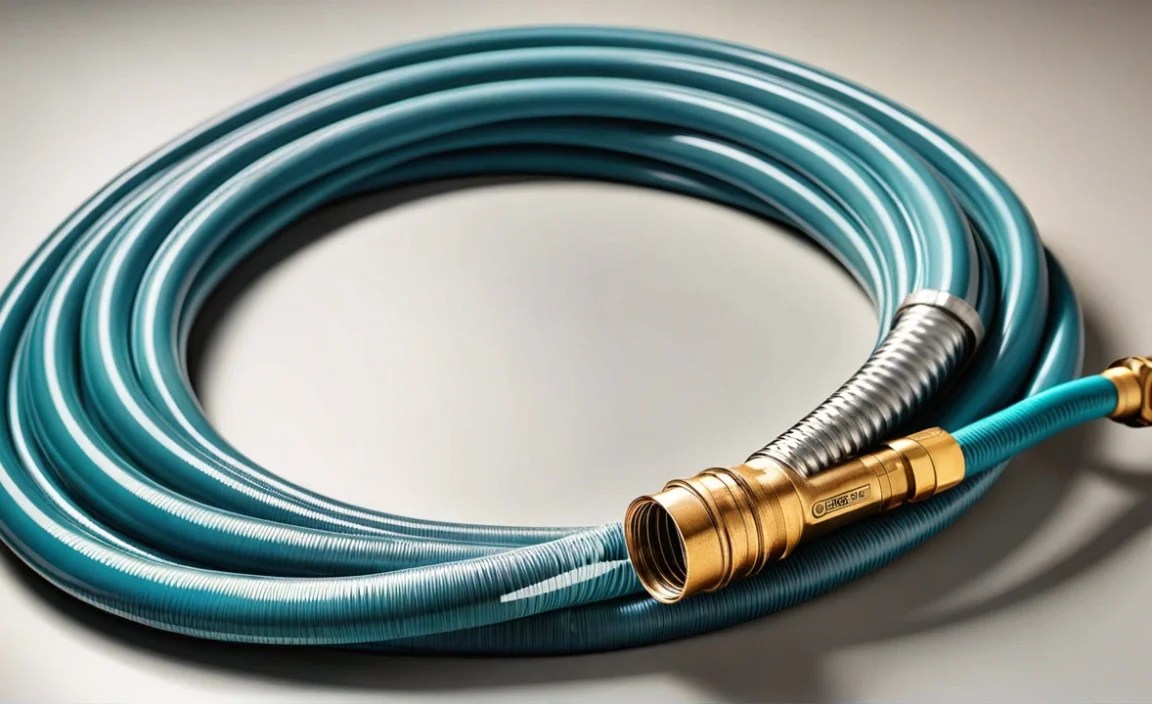
Kinking is a common problem with garden hoses. A kink restricts water flow and can put stress on the hose, leading to bursts and leaks. Choosing a kink-resistant hose can save you a lot of frustration and extend the life of your hose.
Why Kinking Weakens Hoses
When a hose kinks, the water pressure builds up at the point of the kink. This puts stress on the hose walls and can cause them to weaken over time. Repeated kinking can eventually lead to a burst or leak.
Features That Prevent Kinking
Several features can help prevent kinking:
- Reinforced construction: Hoses with multiple layers of reinforcement are less likely to kink.
- Flexible materials: Rubber and polyurethane hoses are more flexible and less prone to kinking than vinyl hoses.
- Anti-kink sleeves: Some hoses come with sleeves or coils that prevent kinking at the faucet and nozzle.
- Coil design: Coil hoses are designed to resist kinking and are easy to store.
Testing a Hose for Kink Resistance Before Buying
Before you buy a hose, test it for kink resistance. Here’s how:
- Unroll the hose and lay it flat on the ground.
- Bend the hose in a few different places to see how easily it kinks.
- Look for hoses that resist kinking and quickly return to their original shape.
You can also ask the salesperson for a demonstration. They may have a display where you can test the hose’s flexibility and kink resistance.
Assessing Hose Flexibility and Handling

A flexible and easy-to-handle hose makes watering and other outdoor tasks much more enjoyable. A stiff, unwieldy hose can be a pain to use and store.
The Importance of Flexibility
A flexible hose is easier to maneuver around plants, furniture, and other obstacles. It’s also less likely to kink, which, as we discussed earlier, can weaken the hose and lead to bursts.
How Material Affects Flexibility
The material of the hose has a big impact on its flexibility. Rubber hoses are generally the most flexible, followed by polyurethane. Vinyl hoses are the least flexible and most prone to kinking.
Here’s a comparison of hose material and flexibility:
| Material | Flexibility | Kink Resistance |
|---|---|---|
| Rubber | Excellent | Excellent |
| Polyurethane | Good | Good |
| Vinyl | Poor | Poor |
Weight and Ease of Coiling
The weight of the hose can also affect its ease of handling. Rubber hoses are heavier than vinyl or polyurethane hoses, which can make them more difficult to carry and coil.
Consider the weight of the hose and how easy it is to coil before you buy it. If you have a large yard or need to move the hose frequently, a lighter hose may be a better choice.
Tips for Easier Hose Handling
Here are some tips for making your garden hose easier to handle:
- Use a hose reel or cart to store and transport the hose.
- Choose a lightweight hose made of vinyl or polyurethane.
- Avoid kinking the hose by using anti-kink sleeves or a coil hose.
- Drain the hose after each use to reduce its weight.
Reading Customer Reviews and Ratings

Customer reviews and ratings can provide valuable insights into the real-world performance of a garden hose. Reading reviews can help you identify potential problems and choose a hose that meets your needs.
Why Customer Feedback Matters
Manufacturers’ descriptions and specifications can be helpful, but they don’t always tell the whole story. Customer reviews offer firsthand accounts of how the hose performs in everyday use. They can reveal issues with durability, kinking, leaking, and other problems that you might not otherwise be aware of.
Where to Find Reliable Reviews
Here are some of the best places to find reliable customer reviews:
- Online retailers: Websites like Amazon, Home Depot, and Lowe’s have customer review sections where you can read about other people’s experiences with different hoses.
- Product review websites: Websites like Consumer Reports and Good Housekeeping conduct independent tests and provide unbiased reviews of garden hoses.
- Gardening forums and communities: Online forums and communities dedicated to gardening can be a great source of information and advice. You can ask other gardeners for their recommendations and read their reviews of different hoses.
What to Look for in Reviews
When reading customer reviews, pay attention to the following:
- Durability: Do customers report that the hose is durable and long-lasting?
- Kink resistance: Does the hose kink easily?
- Leakage: Do customers report any leaks or other problems with the couplings?
- Ease of use: Is the hose easy to handle and maneuver?
- Overall satisfaction: How satisfied are customers with the hose overall?
Taking Ratings with a Grain of Salt
While customer reviews can be helpful, it’s important to take them with a grain of salt. Some reviews may be biased or inaccurate. Look for patterns and trends in the reviews to get a more accurate picture of the hose’s performance.
Also, keep in mind that some customers may have unrealistic expectations or may not be using the hose properly. Consider the source of the review and the reviewer’s experience level when evaluating the feedback.
Understanding Warranty and Return Policies
A good warranty and return policy can protect you in case your hose fails prematurely or doesn’t meet your expectations. Before you buy a hose, take the time to understand the warranty and return policies offered by the manufacturer and retailer.
Why Warranties Matter
A warranty is a guarantee from the manufacturer that the hose will be free from defects in materials and workmanship for a certain period of time. If the hose fails during the warranty period, the manufacturer will repair or replace it free of charge.
A warranty can give you peace of mind knowing that you’re protected in case something goes wrong. It also shows that the manufacturer has confidence in the quality of their product.
What to Look for in a Warranty
Here are some things to look for in a garden hose warranty:
- Length of coverage: The longer the warranty period, the better. Look for warranties that last at least one year, and preferably longer.
- Coverage details: Make sure the warranty covers defects in materials and workmanship. Some warranties may also cover damage from normal wear and tear.
- Exclusions: Be aware of any exclusions in the warranty. For example, some warranties may not cover damage from freezing or misuse.
- Claim process: Understand the process for filing a warranty claim. You may need to provide proof of purchase and return the defective hose to the manufacturer.
Return Policies and Options
A return policy allows you to return the hose to the retailer if you’re not satisfied with it for any reason. Return policies typically have a time limit, such as 30 or 60 days.
Before you buy a hose, check the retailer’s return policy. Make sure you understand the terms and conditions, such as whether you need to return the hose in its original packaging and whether you’ll receive a full refund or store credit.
Registering Your Hose for Warranty
Many manufacturers require you to register your hose in order to activate the warranty. Registration typically involves providing your name, address, and purchase information. You may also need to upload a copy of your receipt.
Registering your hose is a quick and easy way to ensure that you’re covered by the warranty. It also allows the manufacturer to contact you with important updates and information about your product.
FAQ: Burst-Proof Hose
What PSI rating should I look for in a burst-proof hose?
Aim for a PSI rating of at least 200 PSI for general use. If you have high water pressure or plan to use the hose for demanding tasks, choose a hose with a PSI rating of 300 PSI or higher.
Are rubber hoses better than vinyl hoses for burst resistance?
Yes, rubber hoses are generally more durable and burst-resistant than vinyl hoses. Rubber is more flexible and less prone to kinking, which can weaken the hose and lead to bursts.
What are reinforced hoses, and are they worth it?
Reinforced hoses have extra layers of material, such as nylon or polyester mesh, to increase their strength and burst resistance. They are definitely worth it if you want a hose that can withstand high pressure and heavy use.
How can I prevent my garden hose from bursting?
Choose a hose with a high PSI rating, reinforced construction, and durable materials. Avoid kinking the hose, and store it properly when not in use. Also, protect the hose from extreme temperatures and direct sunlight.
Are metal couplings better than plastic couplings?
Yes, metal couplings, such as brass or aluminum, are more durable and less likely to leak than plastic couplings. Look for hoses with metal couplings that are securely attached to the hose and have a tight seal.
How important is the warranty when buying a garden hose?
A good warranty can protect you in case your hose fails prematurely or doesn’t meet your expectations. Look for warranties that last at least one year and cover defects in materials and workmanship.
Can leaving my hose in the sun cause it to burst?
Yes, prolonged exposure to direct sunlight can weaken the hose material and make it more prone to bursting. Store your hose in a shaded area or use a hose reel to protect it from the sun.
Conclusion
Choosing a burst-proof garden hose doesn’t have to be a guessing game. By understanding PSI ratings, materials, construction, and other key features, you can confidently select a hose that will stand up to the pressure and last for years. Remember to check for reinforcement layers, kink resistance, and durable couplings. Read customer reviews to get real-world feedback, and always consider the warranty and return policy before making a purchase.
With the right hose, you can enjoy your gardening and outdoor tasks without worrying about unexpected bursts and leaks. Happy watering!


