
How Hose Materials Affect Durability: Powerful Guide

Quick Summary:
The material of your bike pump hose greatly affects its durability. Rubber hoses are flexible and affordable but can crack over time. Reinforced rubber or braided hoses offer better pressure resistance and longer life. Thermoplastic hoses are lightweight and resist kinks, while metal hoses are the most durable, withstanding high pressures and extreme conditions. Choose the hose based on your pump type and how often you use it.
Ever get frustrated when your bike pump hose cracks or bursts right when you need it most? It’s a common problem for cyclists, and often the material of the hose is to blame. A weak hose can ruin your ride. But don’t worry! Choosing the right hose material can make a big difference.
In this guide, we’ll break down the different materials used in bike pump hoses and how they affect durability. We’ll cover rubber, reinforced rubber, thermoplastic, and even metal hoses. By the end, you’ll know exactly which type of hose is best for your needs, so you can keep your tires inflated and your rides smooth.
Understanding Bike Pump Hose Materials

Bike pump hoses come in various materials, each with its own set of advantages and disadvantages. The material affects the hose’s flexibility, pressure resistance, lifespan, and overall performance. Here’s a closer look at the most common types:
Rubber Hoses
Rubber hoses are a common and affordable option. They are typically made from synthetic rubber compounds like neoprene or EPDM.
- Pros:
- Affordable
- Flexible
- Easy to find and replace
- Cons:
- Lower pressure resistance compared to other materials
- Prone to cracking and degradation over time, especially with exposure to UV light and ozone
- Can become brittle in cold weather
Rubber hoses are suitable for low to moderate pressure applications and occasional use. They are often found on basic floor pumps and hand pumps.
Reinforced Rubber Hoses
Reinforced rubber hoses are similar to standard rubber hoses but include an internal reinforcement layer, typically made of fabric or wire braid.
- Pros:
- Improved pressure resistance compared to standard rubber hoses
- More durable and less prone to bursting under high pressure
- Still relatively flexible
- Cons:
- More expensive than standard rubber hoses
- Can still degrade over time, although more slowly than non-reinforced rubber
- The reinforcement layer can add bulk and reduce flexibility slightly
These hoses are a good upgrade from standard rubber hoses, offering better performance and longevity for frequent use.
Thermoplastic Hoses
Thermoplastic hoses are made from materials like polyurethane or nylon. They are known for their lightweight and resistance to kinking.
- Pros:
- Lightweight
- Excellent kink resistance
- Good chemical resistance
- Smooth inner bore for efficient airflow
- Cons:
- Can be less flexible than rubber hoses, especially in cold weather
- May be more prone to abrasion than rubber hoses
- Can be more expensive than rubber hoses
Thermoplastic hoses are a popular choice for high-end floor pumps and portable pumps where weight and kink resistance are important.
Metal Hoses
Metal hoses are typically made from stainless steel or braided metal. They are the most durable option, capable of withstanding high pressures and extreme temperatures.
- Pros:
- Excellent pressure resistance
- Highly durable and long-lasting
- Resistant to heat, chemicals, and abrasion
- Minimal expansion under pressure, providing accurate readings
- Cons:
- Least flexible of all hose types
- Can be heavy
- Most expensive option
- May require special fittings
Metal hoses are commonly found on high-pressure pumps and are ideal for demanding applications where durability and accuracy are paramount. For example, a shop pump, frequently used on different bikes, benefits from the durability of a metal hose.
Factors Affecting Hose Durability
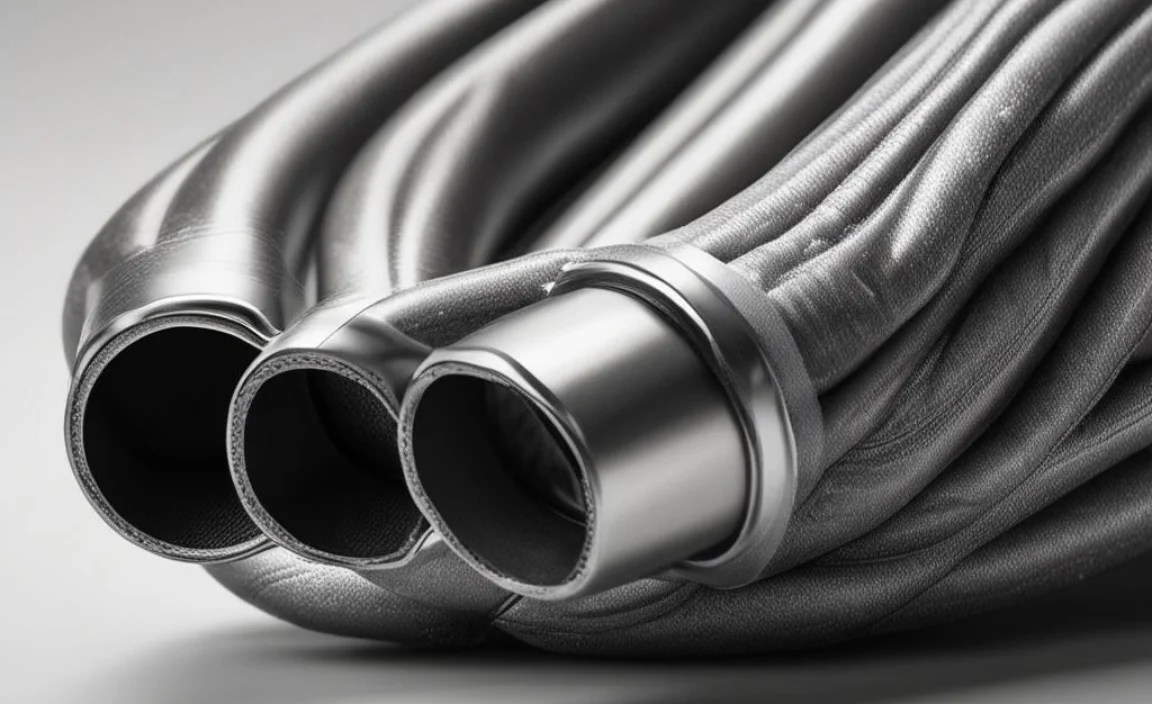
Several factors contribute to the lifespan and durability of a bike pump hose. Understanding these factors can help you choose the right hose material and maintain it properly.
Pressure Rating
The pressure rating of a hose is the maximum pressure it can safely handle. Exceeding this rating can cause the hose to burst or fail prematurely. Different materials have different pressure ratings. For example, a standard rubber hose might have a lower pressure rating than a reinforced rubber or metal hose. Make sure the hose’s pressure rating is appropriate for the pressures you typically use when inflating your tires. Check the pressure rating printed on the hose itself, or in the pump’s manual.
Environmental Conditions
Exposure to sunlight, ozone, and extreme temperatures can degrade hose materials over time. UV radiation can cause rubber to crack and become brittle, while ozone can accelerate the aging process. Extreme temperatures can also affect the flexibility and integrity of the hose. Store your pump in a cool, dry place away from direct sunlight to prolong the life of the hose.
Frequency of Use
The more frequently you use your bike pump, the more wear and tear the hose will experience. Frequent bending, twisting, and stretching can weaken the hose material over time. If you use your pump daily, consider investing in a more durable hose material like reinforced rubber or metal.
Maintenance and Storage
Proper maintenance and storage can significantly extend the life of your bike pump hose. Avoid kinking or twisting the hose, as this can weaken the material and cause it to fail. When storing your pump, coil the hose loosely and avoid placing heavy objects on top of it. Regularly inspect the hose for signs of wear, such as cracks, abrasions, or bulges. Replace the hose if you notice any damage.
Comparing Hose Materials: A Detailed Look

To help you make an informed decision, here’s a detailed comparison of the different hose materials:
| Material | Flexibility | Pressure Resistance | Durability | Cost | Typical Applications |
|---|---|---|---|---|---|
| Rubber | High | Low to Moderate | Low | Low | Basic floor pumps, hand pumps |
| Reinforced Rubber | Moderate to High | Moderate to High | Moderate | Moderate | Mid-range floor pumps, portable pumps |
| Thermoplastic | Moderate | High | Moderate to High | Moderate to High | High-end floor pumps, portable pumps |
| Metal | Low | Excellent | Excellent | High | High-pressure pumps, shop pumps |
Flexibility: Refers to how easily the hose bends and moves without kinking or damage.
Pressure Resistance: Indicates the maximum pressure the hose can withstand before bursting or failing.
Durability: Describes the hose’s resistance to wear, tear, and degradation over time.
Cost: Reflects the relative price of the hose material, with “Low” being the most affordable and “High” being the most expensive.
Typical Applications: Suggests the types of bike pumps where each hose material is commonly used.
Step-by-Step Guide: Replacing Your Bike Pump Hose

Replacing a bike pump hose is a straightforward process that can save you money and extend the life of your pump. Here’s a step-by-step guide:
Step 1: Gather Your Tools and Materials
Before you begin, gather the necessary tools and materials:
- New bike pump hose (compatible with your pump model)
- Screwdriver (usually Phillips or flathead, depending on your pump)
- Wrench or pliers (if needed to remove fittings)
- Scissors or a utility knife
- Optional: Soap and water or silicone lubricant
Step 2: Disconnect the Old Hose
- Release the Pressure: Make sure the pump is not pressurized before you start.
- Locate the Hose Fittings: Identify where the hose connects to the pump body and the pump head.
- Remove the Fittings: Use a screwdriver or wrench to loosen and remove the fittings. Some fittings may be held in place by screws, while others may be threaded.
- Detach the Hose: Carefully pull the old hose away from the pump body and the pump head. If the hose is stuck, try gently twisting it or using a small amount of soap and water as a lubricant.
Step 3: Prepare the New Hose
- Measure and Cut (if necessary): If the new hose is longer than the old one, measure the old hose and cut the new hose to the same length. Use scissors or a utility knife to make a clean cut.
- Prepare the Ends: Ensure the ends of the new hose are clean and free of any debris.
Step 4: Connect the New Hose
- Attach the Fittings: Slide the fittings onto the ends of the new hose. Make sure the fittings are oriented correctly.
- Secure the Fittings: Use a screwdriver or wrench to tighten the fittings. Be careful not to overtighten, as this can damage the hose or the fittings.
- Connect to Pump Body and Head: Attach the hose to the pump body and the pump head, securing the fittings as you did in the previous step.
Step 5: Test the New Hose
- Check for Leaks: Inflate a tire and check for any leaks at the hose fittings. If you detect a leak, tighten the fittings further or re-seat the hose.
- Verify Pressure: Ensure the pump is delivering accurate pressure readings with the new hose.
Choosing the Right Hose for Your Needs

Selecting the right hose material depends on your specific needs and priorities. Here are some considerations:
For Occasional Use
If you only use your bike pump occasionally, a standard rubber hose may be sufficient. It’s an affordable option that provides adequate performance for low-pressure applications.
For Frequent Use
If you use your bike pump frequently, consider upgrading to a reinforced rubber or thermoplastic hose. These materials offer better pressure resistance and durability, ensuring reliable performance over time.
For High-Pressure Applications
If you need to inflate tires to high pressures (e.g., for road bikes or track bikes), a metal hose is the best choice. It can withstand high pressures without expanding or bursting, providing accurate readings and consistent performance. For example, road bikes often require pressures above 100 PSI, making a metal hose a reliable choice.
For Portability
If you need a lightweight and portable pump, a thermoplastic hose is a good option. It’s lightweight and resistant to kinking, making it easy to carry and use on the go.
Maintaining Your Bike Pump Hose
Proper maintenance can extend the life of your bike pump hose and ensure it performs optimally. Here are some tips:
- Store Properly: Coil the hose loosely when not in use and store the pump in a cool, dry place away from direct sunlight.
- Avoid Kinking: Avoid kinking or twisting the hose, as this can weaken the material and cause it to fail.
- Inspect Regularly: Regularly inspect the hose for signs of wear, such as cracks, abrasions, or bulges.
- Replace When Necessary: Replace the hose if you notice any damage or if it starts to leak.
- Use Lubricant: If the hose becomes stiff or difficult to connect, use a small amount of soap and water or silicone lubricant to ease the connection.
Common Problems and Solutions
Here are some common problems you might encounter with bike pump hoses and how to solve them:
| Problem | Possible Cause | Solution |
|---|---|---|
| Hose Leaks | Cracks or abrasions in the hose material; Loose fittings | Replace the hose; Tighten the fittings |
| Hose Bursts | Exceeding the pressure rating of the hose; Weakened hose material | Replace the hose with a higher-pressure model; Avoid over-inflating tires |
| Hose Kinks | Improper storage; Frequent bending or twisting | Store the hose properly; Avoid kinking or twisting |
| Difficult to Connect | Stiff hose material; Dirty fittings | Use soap and water or silicone lubricant; Clean the fittings |
| Inaccurate Pressure Readings | Expanding hose under pressure (common with rubber hoses); Faulty gauge | Use a hose with minimal expansion (metal or high-quality thermoplastic); Calibrate or replace the gauge |
Expert Tips for Hose Longevity
Here are some expert tips to maximize the lifespan of your bike pump hose:
- Choose the Right Hose for the Job: Select a hose material that is appropriate for the pressures you typically use.
- Protect from UV Exposure: Store your pump in a location away from direct sunlight to prevent UV degradation.
- Avoid Extreme Temperatures: Do not expose the hose to extreme temperatures, as this can affect its flexibility and integrity.
- Use Quality Fittings: Invest in high-quality fittings that are compatible with your hose material.
- Regularly Inspect and Maintain: Inspect the hose regularly for signs of wear and tear, and replace it when necessary.
External Resources and Further Reading
For more information on bike pump maintenance and hose materials, check out these resources:
- Park Tool Repair Help: Comprehensive guides on bike maintenance and repair.
- Sheldon Brown’s Website: A wealth of information on all things cycling.
FAQ: Bike Pump Hose Durability
What is the best material for a bike pump hose?
The best material depends on your needs. Metal hoses are most durable and best for high pressure. Thermoplastic hoses balance weight and durability well. Rubber hoses are affordable for occasional use.
How often should I replace my bike pump hose?
Inspect it regularly. Replace it if you see cracks, leaks, or damage. Depending on use and material, this could be every 1-5 years.
Can I use any hose to replace my bike pump hose?
No. Use a hose specifically designed for bike pumps. Ensure it’s compatible with your pump model and can handle the required pressure.
How do I prevent my bike pump hose from cracking?
Store your pump in a cool, dry place away from sunlight. Avoid kinking the hose and regularly inspect it for wear.
Are metal hoses worth the extra cost?
Yes, if you frequently pump to high pressures or want maximum durability. Metal hoses resist wear and provide accurate pressure readings.
What pressure rating should my bike pump hose have?
Choose a hose with a pressure rating that exceeds the maximum pressure you’ll use for your tires. Check your tire’s recommended pressure.
Can I repair a damaged bike pump hose?
It’s best to replace a damaged hose. Repairs are often temporary and unreliable, especially under high pressure.
Conclusion
Choosing the right material for your bike pump hose is essential for ensuring durability, performance, and safety. By understanding the properties of different materials like rubber, reinforced rubber, thermoplastic, and metal, you can make an informed decision based on your specific needs and riding style. Regular maintenance, proper storage, and timely replacement of worn hoses will keep your tires properly inflated and your rides smooth and enjoyable. Now you’re equipped to make a smart choice and keep your tires inflated with confidence!


