
What Causes a Well Pump to Short Cycle? A Simple Guide

Quick Summary: A well pump short cycles when it turns on and off too frequently in a short period. Common causes include a waterlogged pressure tank, a faulty pressure switch, low well yield, leaks in the system, or incorrect pump size. Fixing these issues can prevent pump damage and ensure consistent water pressure.
Is your well pump acting up, turning on and off more often than it should? This is called short cycling, and it’s a common headache for homeowners with well systems. It’s frustrating because it leads to inconsistent water pressure and can seriously damage your pump over time. But don’t worry, it’s often fixable! This guide will walk you through the most common causes of short cycling and what you can do to troubleshoot and resolve them. We’ll cover everything from simple fixes you can do yourself to when it’s time to call in a pro. Let’s get your water running smoothly again!
Understanding Well Pump Short Cycling

Before we dive into the causes, let’s clarify what short cycling actually means. A well pump is designed to maintain a certain water pressure in your home. It does this by pumping water from the well into a pressure tank. When you use water, the pressure in the tank drops, and the pump kicks on to refill it. Once the pressure reaches a set level, the pump turns off.
Short cycling happens when the pump turns on and off rapidly, much more often than it should. Instead of running for a few minutes to replenish the tank, it might switch on for just a few seconds, then off, then on again. This puts extra strain on the pump motor and can significantly shorten its lifespan.
Common Causes of Well Pump Short Cycling

Several factors can lead to well pump short cycling. Here are the most common culprits:
1. Waterlogged Pressure Tank
The pressure tank is a crucial component of your well system. It’s designed to store water under pressure and provide a cushion against pressure fluctuations. A healthy pressure tank has a bladder or diaphragm that separates the water from a pocket of compressed air. This air cushion allows the tank to maintain pressure and reduce the frequency of pump cycles.
When a pressure tank becomes waterlogged, it means the air cushion has been lost, and the tank is filled almost entirely with water. Without the air cushion, the pump has to work much harder and cycle on and off more frequently to maintain pressure.
How to check for a waterlogged pressure tank:
- Tap on the side of the tank. If it sounds full of water from top to bottom, it’s likely waterlogged.
- Check the air pressure at the Schrader valve (like a tire valve) on top of the tank. If water comes out instead of air, the bladder is likely ruptured.
Solutions:
- Recharge the air pressure: If the bladder isn’t ruptured, you might be able to recharge the air pressure. Turn off the pump, drain the tank completely, and then use an air compressor to add air to the tank to the pressure specified by the manufacturer (usually a few PSI below the pump’s cut-in pressure).
- Replace the pressure tank: If the bladder is ruptured, the tank needs to be replaced.
2. Faulty Pressure Switch
The pressure switch is a small, but vital component that tells the pump when to turn on and off. It senses the water pressure in the system and triggers the pump to start when the pressure drops below a certain level (the cut-in pressure) and to stop when it reaches a higher level (the cut-out pressure).
If the pressure switch is faulty, it might not sense the pressure correctly, causing the pump to cycle erratically. It might turn on and off too quickly, or it might not turn off at all.
How to check for a faulty pressure switch:
- Observe the pressure gauge while the pump is running. If the gauge fluctuates wildly or doesn’t reach the cut-out pressure, the switch might be faulty.
- Inspect the switch for signs of corrosion or damage.
- Use a multimeter to test the continuity of the switch contacts.
Solutions:
- Clean the switch: Sometimes, debris or mineral buildup can interfere with the switch’s operation. Clean the switch contacts with a wire brush or electrical contact cleaner.
- Adjust the pressure settings: Some pressure switches have adjustable settings. Consult the manufacturer’s instructions to ensure the settings are correct.
- Replace the pressure switch: If cleaning or adjusting the switch doesn’t solve the problem, it’s best to replace it. They’re relatively inexpensive and easy to replace.
3. Low Well Yield
Well yield refers to the amount of water a well can produce in a given time period. If your well has a low yield, it means it can’t replenish water as quickly as your pump is drawing it out. This can cause the water level in the well to drop rapidly, triggering the pump to turn on frequently to try and keep up with demand.
How to check for low well yield:
- Monitor your water usage. Does short cycling occur mainly when you’re using a lot of water, like when running the sprinkler system or taking a long shower?
- Have a well professional perform a well yield test to determine the well’s flow rate.
Solutions:
- Install a larger pressure tank: A larger tank can store more water, reducing the frequency of pump cycles.
- Restrict water usage: Be mindful of your water consumption and avoid using multiple water-intensive appliances at the same time.
- Consider well deepening or hydrofracturing: These are more involved solutions that can increase the well’s yield. Consult a well drilling professional to explore these options.
4. Leaks in the System
Leaks in your plumbing system can cause a drop in water pressure, triggering the pump to turn on to compensate. Even small leaks can lead to frequent short cycling.
How to check for leaks:
- Check all visible pipes and fixtures for signs of leaks, such as drips, wet spots, or corrosion.
- Inspect the well casing and the connections around the pressure tank.
- Check for silent leaks by turning off all water-using appliances and observing the water meter. If the meter is still running, you likely have a leak somewhere in the system.
Solutions:
- Repair or replace leaky pipes and fixtures: Address any visible leaks promptly.
- Check the well casing for cracks or damage: If you suspect a leak in the well casing, contact a well professional for inspection and repair.
5. Incorrect Pump Size
If your well pump is too powerful for your well’s yield or your home’s water needs, it can cause short cycling. An oversized pump will fill the pressure tank too quickly, causing the pressure switch to trip frequently.
How to check for incorrect pump size:
- Review the pump’s specifications and compare them to your well’s yield and your home’s water demand.
- Consult a well professional to assess whether the pump is properly sized for your system.
Solutions:
- Replace the pump with a properly sized model: If the pump is oversized, replacing it with a smaller pump that is better suited to your well and your home’s water needs will resolve the short cycling issue.
6. Clogged or Damaged Foot Valve
The foot valve is located at the bottom of the well, on the end of the suction pipe. It’s a one-way valve that prevents water from flowing back into the well when the pump shuts off. If the foot valve is clogged with sediment or debris, or if it’s damaged, it can cause the pump to lose prime and short cycle.
How to check for a clogged or damaged foot valve:
- This is a difficult problem to diagnose without professional help. If you suspect a foot valve issue, it’s best to call a well service company. Symptoms include the pump running but not delivering water, or the pump losing prime frequently.
Solutions:
- Clean or replace the foot valve: This typically involves pulling the pump and the suction pipe out of the well, which is a job best left to a professional.
7. Check Valve Issues
A check valve is installed in the water line to prevent backflow. If this valve fails or becomes obstructed, it can lead to pressure fluctuations and short cycling.
How to check for check valve issues:
- Listen for unusual noises from the valve when the pump starts or stops.
- Inspect the valve for any visible damage or corrosion.
Solutions:
- Replace the check valve: If the valve is faulty, replacing it is the best course of action.
Troubleshooting Steps: A Practical Approach
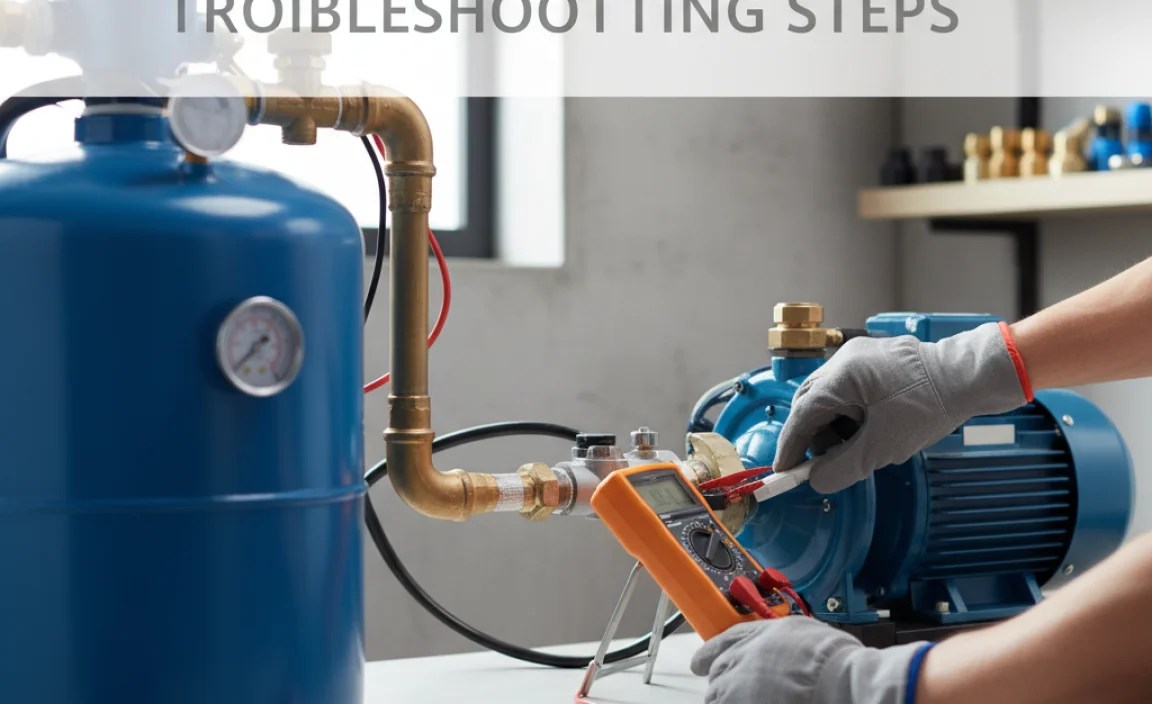
Here’s a step-by-step approach to troubleshooting well pump short cycling:
- Observe the symptoms: Note how frequently the pump is cycling, when it cycles (e.g., during heavy water usage or at random times), and any other unusual behavior.
- Check the pressure tank: Tap on the tank to check for waterlogging and test the air pressure at the Schrader valve.
- Inspect the pressure switch: Look for signs of corrosion or damage and observe the pressure gauge while the pump is running.
- Look for leaks: Check all visible pipes, fixtures, and the well casing for leaks.
- Consider water usage: Does short cycling occur mainly during periods of high water demand?
When to Call a Professional

While some causes of short cycling can be addressed with DIY solutions, others require the expertise of a well professional. It’s best to call a pro if:
- You’re not comfortable working with electrical components or plumbing.
- You suspect a problem with the well itself, such as low yield or a damaged casing.
- You’ve tried the DIY solutions and the problem persists.
A qualified well technician can accurately diagnose the problem and recommend the appropriate solution. They have the tools and expertise to handle complex repairs and ensure your well system is functioning safely and efficiently.
Preventative Maintenance Tips
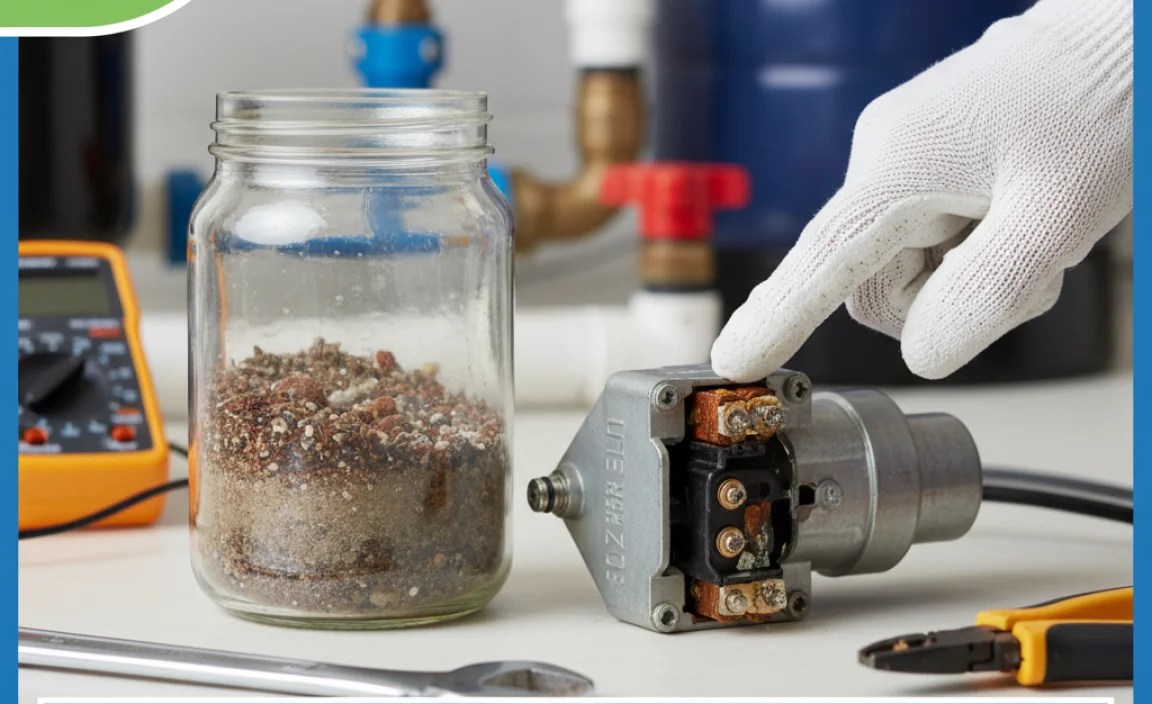
Preventing short cycling is always better than fixing it. Here are some preventative maintenance tips to keep your well system in good shape:
- Regularly check the pressure tank: Test the air pressure at least once a year and recharge it as needed.
- Inspect for leaks: Periodically check your plumbing system for leaks and address them promptly.
- Monitor water usage: Be mindful of your water consumption and avoid overloading the well.
- Schedule annual well inspections: Have a well professional inspect your system annually to identify and address potential problems early on.
Cost Considerations
The cost of fixing well pump short cycling can vary depending on the cause and the extent of the repairs. Here’s a general idea of what you can expect to pay:
| Repair | Estimated Cost |
|---|---|
| Recharging pressure tank | $0 – $50 (DIY) |
| Replacing pressure switch | $50 – $150 (DIY) / $150 – $300 (Professional) |
| Replacing pressure tank | $200 – $500 (DIY) / $500 – $1,000 (Professional) |
| Leak repair | $50 – $500 (depending on the location and complexity of the leak) |
| Well deepening or hydrofracturing | $3,000 – $10,000+ |
| Replacing well pump | $800 – $2,500+ (Professional) |
These are just estimates, and the actual cost may vary depending on your location and the specific contractor you hire.
Well Pump Short Cycling: FAQs
Here are some frequently asked questions about well pump short cycling:
What happens if I ignore short cycling?
Ignoring short cycling can lead to premature pump failure, increased energy consumption, and inconsistent water pressure. The constant starting and stopping puts extra strain on the pump motor, shortening its lifespan.
Can short cycling damage my plumbing?
Yes, the rapid pressure fluctuations caused by short cycling can stress your plumbing system and increase the risk of leaks and pipe damage.
How long should a well pump run each cycle?
A well pump should typically run for at least one to two minutes each cycle. If it’s running for less than that, it could indicate short cycling.
Can cold weather cause short cycling?
Yes, in some cases, cold weather can contribute to short cycling by causing pipes to freeze or restricting water flow.
Is short cycling covered by homeowners insurance?
It depends on the cause of the short cycling and your specific insurance policy. If the short cycling is caused by a covered peril, such as a sudden pipe burst, it might be covered. However, if it’s due to normal wear and tear or lack of maintenance, it likely won’t be covered.
How can I extend the life of my well pump?
Regular maintenance, such as checking the pressure tank, inspecting for leaks, and monitoring water usage, can help extend the life of your well pump.
Can a whole-house water filter cause short cycling?
Yes, a clogged whole-house water filter can restrict water flow, leading to pressure drops and short cycling. Make sure to replace your filter regularly according to the manufacturer’s instructions.
Conclusion
Well pump short cycling is a common problem, but with a little knowledge and troubleshooting, you can often identify and resolve the issue yourself. Remember to start with the simple solutions, like checking the pressure tank and looking for leaks, and don’t hesitate to call a professional if you’re not comfortable tackling the more complex repairs. By taking proactive steps to maintain your well system, you can prevent short cycling and ensure a reliable water supply for years to come.
“`


