
How to Convert Threaded Hose to Quick Release? Easy Guide

Quick Summary: Converting a threaded hose to a quick-release system is straightforward! You’ll need a quick-release adapter set, a wrench, and some Teflon tape. First, disconnect the hose. Then, wrap the threads of the adapter with Teflon tape. Finally, screw the adapter onto the hose and the corresponding fitting onto your pump or tool. Now you can quickly connect and disconnect your hose!
Tired of wrestling with threaded hoses every time you want to inflate a tire or use an air tool? Threaded connections can be slow and frustrating, especially when you’re trying to get on the road quickly. A quick-release system offers a much faster and more convenient way to connect and disconnect your hoses. It’s a simple upgrade that can save you time and effort. Ready to ditch the threads? This guide will walk you through converting your threaded hose to a quick-release system, step by step.
Why Convert to Quick Release?
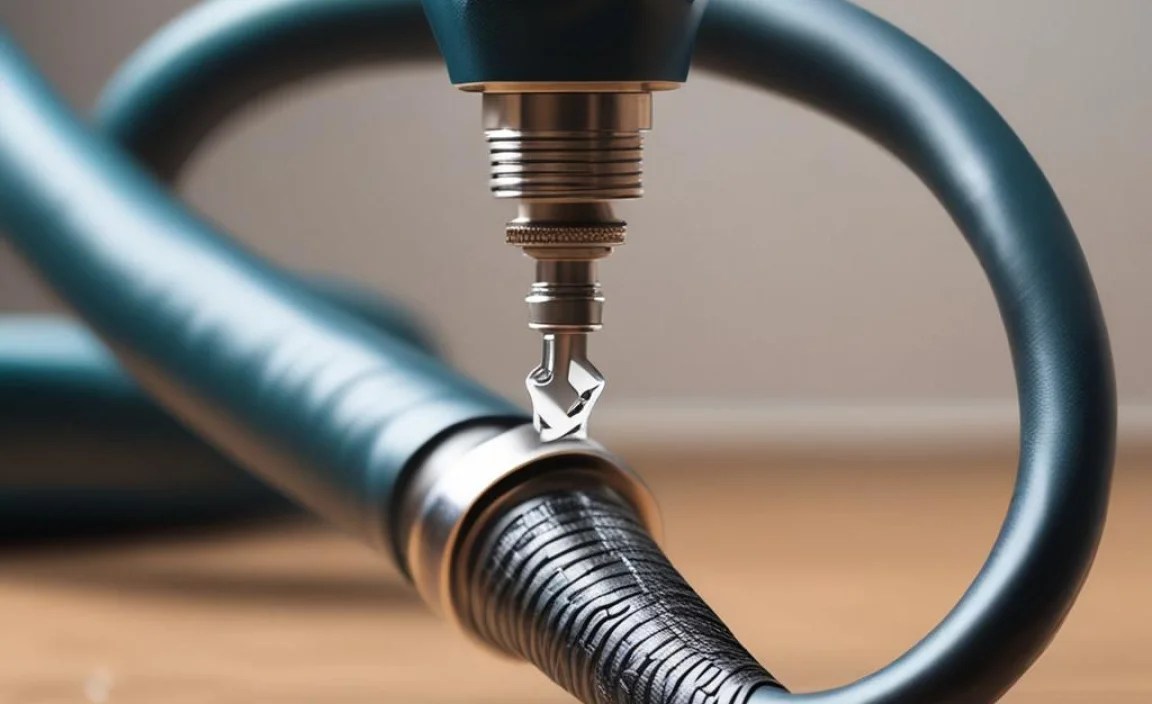
Before we dive into the how-to, let’s look at why you might want to make this conversion. Quick-release systems offer several advantages over traditional threaded connections.
- Speed: Connect and disconnect your hose in seconds.
- Convenience: No more twisting and turning.
- Versatility: Easily switch between different tools and pumps.
- Reduced Wear: Less wear and tear on threads means longer life for your equipment.
For cyclists, this means less time fiddling with your pump and more time riding. For home mechanics, it means a smoother and more efficient workflow. Let’s get started!
Tools and Materials You’ll Need

Before you start, gather the necessary tools and materials. This will make the conversion process much smoother.
- Quick-Release Adapter Set: This includes the male and female adapters needed to convert your hose. Make sure to choose a set that is compatible with your hose size and the devices you’ll be connecting it to.
- Wrench: You’ll need a wrench to tighten the adapters onto the hose and pump or tool. Choose a wrench that fits the adapter size. Adjustable wrenches work well for this.
- Teflon Tape (also known as PTFE tape or plumber’s tape): This is essential for creating a tight seal and preventing leaks.
- Hose: Of course, you need the hose you intend to convert!
- Rag or Cloth: To wipe away any dirt or debris.
Step-by-Step Guide: Converting Your Threaded Hose to Quick Release

Follow these steps to convert your threaded hose to a quick-release system.
Step 1: Disconnect the Hose
First, disconnect the hose from whatever it’s currently attached to. This could be a pump, a tool, or another hose. Make sure to release any pressure in the hose before disconnecting it.
Step 2: Clean the Threads
Use a rag or cloth to clean the threads on both the hose and the device you’ll be connecting it to. This will help ensure a good seal.
Step 3: Apply Teflon Tape
Wrap the threads of the male adapter with Teflon tape. Wrap the tape in the direction that the adapter will be screwed in. This will help create a tight seal and prevent leaks. Usually, 2-3 wraps are sufficient.
Pro Tip: Make sure to wrap the Teflon tape tightly and evenly. Overlapping the tape slightly will help create a better seal. Too much tape and the fitting will not seat properly.
Step 4: Attach the Male Adapter to the Hose
Screw the male adapter onto the hose. Use a wrench to tighten it securely. Be careful not to overtighten, as this could damage the threads. You want it snug, but not forced.
Step 5: Attach the Female Adapter to the Pump or Tool
Wrap the threads of the female adapter with Teflon tape, just like you did with the male adapter. Then, screw the female adapter onto the pump or tool. Again, use a wrench to tighten it securely, but don’t overtighten.
Step 6: Connect the Quick-Release Adapters
Now, simply connect the male and female quick-release adapters together. You should hear a click or feel a snap when they’re securely connected. If the adapters don’t connect easily, check to make sure they’re properly aligned.
Step 7: Test for Leaks
After connecting the adapters, test for leaks. If you’re using the hose to inflate a tire, inflate it to the desired pressure and listen for any hissing sounds. If you’re using the hose with an air tool, turn on the tool and check for leaks around the connection points. If you find any leaks, tighten the adapters further or reapply Teflon tape.
Troubleshooting Tips
Sometimes, things don’t go exactly as planned. Here are some troubleshooting tips to help you overcome common issues.
- Leaks: If you’re experiencing leaks, the first thing to check is the Teflon tape. Make sure it’s wrapped tightly and evenly around the threads. You may need to reapply the tape or tighten the adapters further.
- Difficulty Connecting: If you’re having trouble connecting the quick-release adapters, check to make sure they’re properly aligned. Also, make sure there’s no dirt or debris in the adapters.
- Loose Connection: If the connection feels loose, tighten the adapters further. If that doesn’t help, the threads on the hose or pump may be damaged. In this case, you may need to replace the hose or pump.
Choosing the Right Quick-Release Adapter Set

With so many different quick-release adapter sets available, it can be tough to choose the right one. Here are some factors to consider.
- Compatibility: Make sure the adapter set is compatible with your hose size and the devices you’ll be connecting it to.
- Material: Choose an adapter set made from durable materials like brass or stainless steel.
- Pressure Rating: Consider the pressure rating of the adapter set. Make sure it’s high enough for your intended use.
- Ease of Use: Look for an adapter set that’s easy to connect and disconnect.
Here’s a comparison table to help you evaluate different adapter sets:
| Feature | Brass Adapters | Stainless Steel Adapters | Plastic Adapters |
|---|---|---|---|
| Durability | Good | Excellent | Fair |
| Corrosion Resistance | Good | Excellent | Good |
| Pressure Rating | High | High | Low to Medium |
| Cost | Moderate | High | Low |
Maintaining Your Quick-Release System
To keep your quick-release system in good working order, it’s important to maintain it properly. Here are some tips.
- Clean Regularly: Clean the adapters regularly to remove dirt and debris.
- Lubricate: Lubricate the adapters with a light oil or grease to keep them working smoothly.
- Inspect: Inspect the adapters regularly for signs of wear and tear.
- Replace: Replace the adapters if they’re damaged or worn out.
Safety Precautions
When working with compressed air, it’s important to take safety precautions. Here are some tips.
- Wear Safety Glasses: Always wear safety glasses to protect your eyes from debris.
- Release Pressure: Always release pressure from the hose before disconnecting it.
- Don’t Overtighten: Don’t overtighten the adapters, as this could damage the threads.
- Inspect Hoses: Inspect hoses regularly for signs of wear and tear.
Alternatives to Quick Release
While quick-release systems are great, they aren’t the only option. Here are some alternatives to consider.
- Threaded Connections: Traditional threaded connections are reliable and inexpensive, but they can be slow and inconvenient.
- Cam-Lock Fittings: Cam-lock fittings offer a quick and secure connection, but they can be more expensive than quick-release systems.
- Push-to-Connect Fittings: Push-to-connect fittings are easy to use, but they may not be as durable as other options.
Here’s a table comparing the pros and cons of each type of connection:
| Type of Connection | Pros | Cons |
|---|---|---|
| Threaded | Reliable, inexpensive | Slow, inconvenient |
| Quick-Release | Fast, convenient, versatile | Can be more expensive |
| Cam-Lock | Quick, secure | More expensive |
| Push-to-Connect | Easy to use | May not be as durable |
Recommended Quick Release Adapters
Here are some highly recommended quick-release adapters available on the market:
- Milton Industries S-217 1/4″ NPT Male and Female Quick Connectors: Known for their durability and tight seal.
- Astro Pneumatic Tool 4009 Quick Change Connector Set: Popular among professionals for its reliability and ease of use.
- Ryobi Quick Connect Starter Kit: A budget-friendly option that is perfect for beginners.
Advanced Tips and Tricks
Ready to take your quick-release conversion to the next level? Here are some advanced tips and tricks.
- Use Thread Sealant: For an even tighter seal, use a thread sealant in addition to Teflon tape.
- Consider Swivel Fittings: Swivel fittings can help prevent hose kinking and twisting.
- Use Different Colored Hoses: Use different colored hoses to easily identify different tools or applications.
Common Mistakes to Avoid
Avoid these common mistakes when converting your threaded hose to quick release.
- Overtightening: Overtightening the adapters can damage the threads.
- Using the Wrong Size Adapters: Using the wrong size adapters can lead to leaks.
- Forgetting Teflon Tape: Forgetting Teflon tape can result in leaks.
- Not Testing for Leaks: Not testing for leaks can lead to problems down the road.
FAQ: Converting Threaded Hose to Quick Release
Here are some frequently asked questions about converting threaded hoses to quick release.
- Q: What size quick-release adapter do I need?
- A: The size of the quick-release adapter depends on the size of your hose and the devices you’ll be connecting it to. Check the specifications of your hose and devices to determine the correct size.
- Q: Can I use quick-release adapters with any type of hose?
- A: Quick-release adapters can be used with most types of hoses, but it’s important to choose an adapter set that is compatible with your hose material and pressure rating.
- Q: How do I prevent leaks with quick-release adapters?
- A: To prevent leaks, make sure to wrap the threads of the adapters with Teflon tape and tighten them securely. You can also use a thread sealant for an even tighter seal.
- Q: Are quick-release adapters durable?
- A: Quick-release adapters can be very durable, especially if they’re made from high-quality materials like brass or stainless steel. Regular maintenance can also help extend their lifespan.
- Q: Can I use quick-release adapters for high-pressure applications?
- A: Yes, but you need to choose an adapter set with a pressure rating that is high enough for your intended use. Check the specifications of the adapter set before using it for high-pressure applications.
- Q: How often should I replace my quick-release adapters?
- A: Replace your quick-release adapters if they’re damaged, worn out, or showing signs of corrosion. Regular inspection can help you identify when it’s time for a replacement.
- Q: Where can I buy quick-release adapters?
- A: You can buy quick-release adapters at most hardware stores, home improvement stores, and online retailers.
Conclusion
Converting your threaded hose to a quick-release system is a simple and effective way to improve your workflow and save time. By following these steps, you can easily convert your hose and enjoy the benefits of a quick-release system. Remember to choose the right adapter set, maintain your system properly, and take safety precautions when working with compressed air. Happy riding!


