
How to Identify Hose Thread Type: The Easy Guide

Quick Summary: Identifying hose thread type is crucial for leak-free connections. Start by determining if the thread is straight or tapered. Use calipers to measure the outer diameter of a male thread or the inner diameter of a female thread. Compare your measurements to standard thread charts (like NPT, NPTF, BSPP, and BSPT) to pinpoint the exact type. Using thread gauges and thread identification kits can also simplify the process.
Ever struggled to connect a new bike pump hose only to find it doesn’t quite fit? Knowing your hose thread type is key to avoiding leaks and ensuring compatibility. It might seem daunting, but don’t worry! This guide breaks down the process into simple steps. We’ll cover everything from recognizing different thread types to using handy tools that make identification a breeze. Get ready to say goodbye to mismatched connections and hello to smooth, secure fits.
Understanding Hose Thread Types
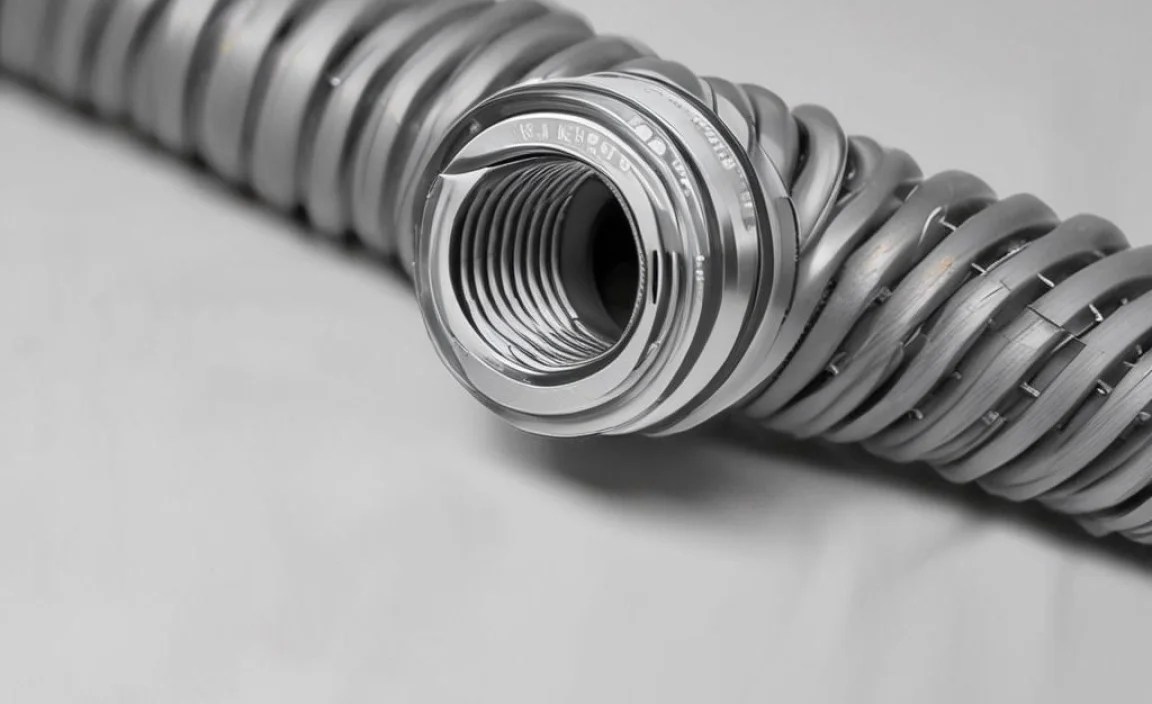
Before diving into the identification process, it’s essential to understand the common types of hose threads you’ll encounter. These threads are standardized to ensure compatibility and leak-proof connections. Here are some of the most prevalent types:
- National Pipe Tapered (NPT): A tapered thread used extensively in North America for plumbing and industrial applications. The taper ensures a tight seal.
- National Pipe Straight (NPS): A straight thread, also common in North America. NPS threads require a gasket or O-ring to create a seal.
- National Pipe Tapered Fuel (NPTF): Similar to NPT but designed for fuel and high-pressure applications. NPTF threads create a tighter seal without sealant.
- British Standard Pipe Parallel (BSPP): A parallel (straight) thread common in Europe, Asia, and Australia. BSPP threads also require a sealing washer or O-ring.
- British Standard Pipe Tapered (BSPT): A tapered thread, similar to NPT but with different thread angles and pitches. BSPT threads seal via the taper.
Understanding the differences between these thread types is the first step in accurate identification. Let’s delve deeper into how to distinguish them.
Step-by-Step Guide to Identifying Hose Thread Type
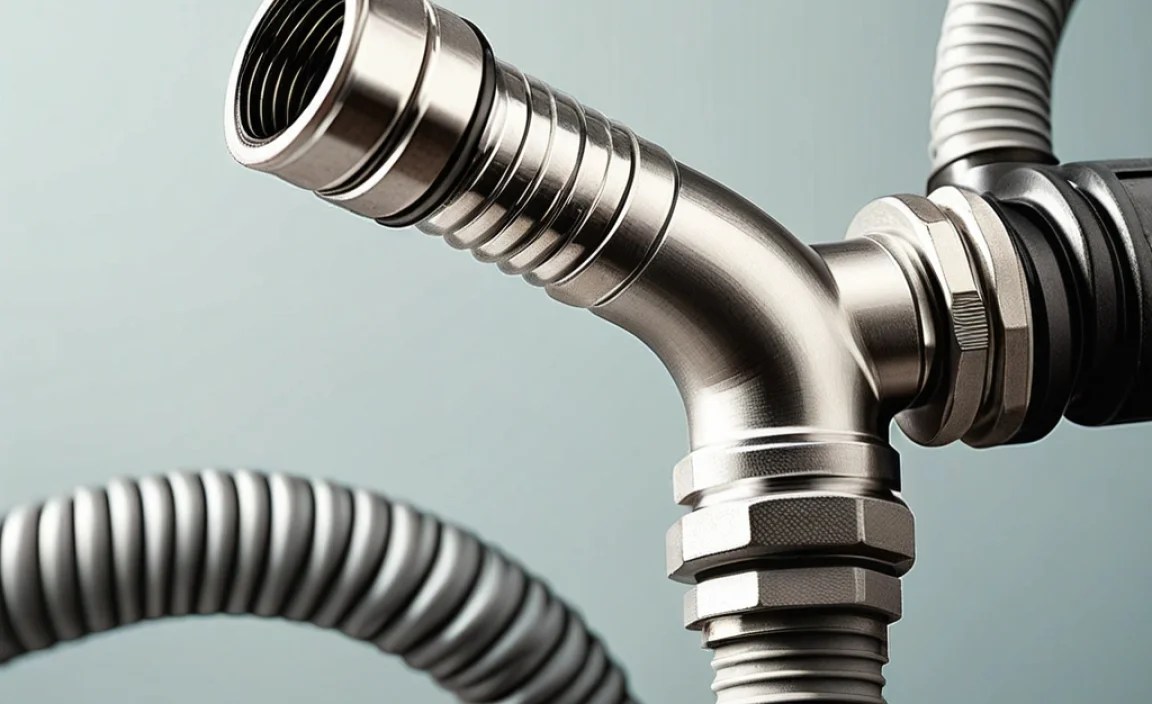
Identifying hose thread types doesn’t have to be complicated. Follow these steps to accurately determine the thread type you’re working with.
Step 1: Determine if the Thread is Straight or Tapered
The first step is to visually inspect the threads to determine if they are straight or tapered. This is a fundamental distinction that narrows down the possibilities.
- Straight Threads: The diameter of the thread remains constant from beginning to end.
- Tapered Threads: The diameter of the thread decreases along its length.
Hold a ruler or straight edge against the threads to help visualize whether the diameter changes. If it does, you’re dealing with a tapered thread.
Step 2: Measure the Thread Diameter
Accurately measuring the thread diameter is crucial for identifying the thread type. You’ll need a set of calipers for this step. Digital calipers provide the most accurate readings, but manual calipers will also work.
- For Male Threads: Measure the outer diameter (OD) of the thread. Place the calipers on the widest part of the thread and record the measurement.
- For Female Threads: Measure the inner diameter (ID) of the thread. Place the calipers inside the thread and record the measurement.
Take multiple measurements to ensure accuracy. Record your measurements in millimeters or inches, depending on your reference charts.
Step 3: Determine the Thread Pitch
Thread pitch refers to the distance between threads. Measuring the thread pitch is another key step in identifying the thread type.
- Using a Thread Pitch Gauge: The easiest way to measure thread pitch is with a thread pitch gauge (also known as a screw pitch gauge). These gauges have a series of blades with different thread pitches. Simply hold the gauge against the threads until you find a blade that matches perfectly.
- Measuring Manually: If you don’t have a thread pitch gauge, you can measure the thread pitch manually. Use a ruler or calipers to measure the distance between a set number of threads (e.g., 10 threads). Then, divide the distance by the number of threads to get the pitch. For example, if 10 threads measure 1 inch, the pitch is 0.1 inch.
Record the thread pitch in millimeters or threads per inch (TPI), depending on the thread standard you’re referencing.
Step 4: Consult Thread Identification Charts
With the thread type (straight or tapered), diameter, and pitch measurements in hand, you can now consult thread identification charts. These charts provide the standard dimensions for various thread types.
Here’s a simplified example of a thread identification chart:
| Thread Type | Type | Nominal Size (inches) | Outer Diameter (inches) | Threads Per Inch (TPI) |
|---|---|---|---|---|
| NPT | Tapered | 1/4 | 0.540 | 18 |
| NPT | Tapered | 1/2 | 0.840 | 14 |
| BSPP | Straight | 1/4 | 0.518 | 19 |
| BSPP | Straight | 1/2 | 0.815 | 14 |
| BSPT | Tapered | 1/4 | 0.518 | 19 |
| BSPT | Tapered | 1/2 | 0.815 | 14 |
Compare your measurements to the chart. Look for a thread type that matches the thread type (straight or tapered), diameter, and pitch you measured. Be aware that slight variations can occur, so look for the closest match.
You can find comprehensive thread charts online from reputable sources like Engineering ToolBox or machinery handbooks.
Step 5: Use Thread Identification Tools
For a more straightforward approach, consider using thread identification tools. These tools are designed to simplify the process and reduce the chances of error.
- Thread Identification Kits: These kits typically include a series of gauges or profiles that match common thread types. Simply try matching the gauges to your thread until you find a perfect fit.
- Digital Thread Identifiers: Some advanced tools use digital technology to measure and identify threads automatically. These devices can be more expensive but offer high accuracy and convenience.
Thread identification tools can be a worthwhile investment if you frequently work with different types of hoses and fittings.
Tools You’ll Need

Having the right tools makes the thread identification process much easier and more accurate. Here’s a list of essential tools:
- Calipers: For measuring the outer and inner diameter of threads. Digital calipers are recommended for their accuracy.
- Thread Pitch Gauge: For measuring the thread pitch.
- Ruler or Straight Edge: For visually determining if a thread is straight or tapered.
- Thread Identification Charts: For comparing your measurements to standard thread dimensions.
- Magnifying Glass: For close inspection of threads.
- Thread Identification Kit (Optional): For quick and easy identification of common thread types.
Investing in quality tools will not only make the process easier but also ensure more accurate results.
Common Mistakes to Avoid
Identifying hose thread types can be tricky, and it’s easy to make mistakes. Here are some common pitfalls to avoid:
- Incorrect Measurements: Double-check your measurements to ensure accuracy. Even small errors can lead to misidentification.
- Assuming Thread Type: Don’t assume the thread type based on appearance or application. Always measure and verify.
- Ignoring Taper: Failing to recognize whether a thread is straight or tapered is a common mistake.
- Using Inaccurate Charts: Ensure you’re using reliable and up-to-date thread identification charts.
- Overlooking Damage: Damaged or worn threads can be difficult to identify. Clean the threads and use a magnifying glass to inspect them closely.
By avoiding these common mistakes, you’ll increase your chances of accurate thread identification.
Tips and Tricks for Accurate Identification
Here are some additional tips and tricks to help you accurately identify hose thread types:
- Clean the Threads: Before measuring, clean the threads with a wire brush to remove any dirt or debris.
- Take Multiple Measurements: Take several measurements and average them to improve accuracy.
- Use Proper Lighting: Good lighting is essential for visual inspection.
- Compare to Known Threads: If possible, compare the unknown thread to a known thread type for reference.
- Consult Experts: If you’re unsure, consult with a knowledgeable professional or machinist.
These tips can help you refine your thread identification skills and avoid costly errors.
Practical Examples
Let’s walk through a couple of practical examples to illustrate the thread identification process.
Example 1: Identifying an NPT Thread
You have a hose with a tapered male thread. You measure the outer diameter and find it to be approximately 0.675 inches. Using a thread pitch gauge, you determine that it has 27 threads per inch (TPI).
Consulting a thread identification chart, you find that these measurements correspond to a 1/8-inch NPT (National Pipe Tapered) thread.
Example 2: Identifying a BSPP Thread
You have a hose with a straight female thread. You measure the inner diameter and find it to be approximately 0.815 inches. Using a thread pitch gauge, you determine that it has 14 threads per inch (TPI).
Consulting a thread identification chart, you find that these measurements correspond to a 1/2-inch BSPP (British Standard Pipe Parallel) thread.
These examples demonstrate how to use measurements and thread charts to identify common thread types.
Thread Compatibility
Understanding thread compatibility is just as vital as identifying thread types. Mixing incompatible threads can lead to leaks, damage to equipment, or even dangerous situations. Here’s a quick guide to thread compatibility:
- NPT and BSPT: While they may seem similar, NPT and BSPT threads have different thread angles and pitches, making them generally incompatible without adapters. Attempting to force them together can damage the threads and create a poor seal.
- NPT and NPS: NPT (tapered) and NPS (straight) threads can sometimes be mated, but it’s not ideal. The tapered NPT thread will attempt to wedge into the straight NPS thread. For a reliable seal, use a sealant or a combination of sealant and a gasket.
- BSPP and BSPT: These British Standard threads share a similar pitch and thread form. However, BSPT is tapered, and BSPP is parallel. Mating them without a proper seal is not recommended for high-pressure applications.
- Straight to Straight: Straight threads (like NPS and BSPP) require a gasket or O-ring to create a seal. Without it, they won’t seal properly, leading to leaks.
Always double-check thread compatibility before connecting hoses or fittings. When in doubt, use adapters or consult with a professional to ensure a safe and leak-free connection.
Resources for Further Learning
To deepen your understanding of hose thread types and identification, here are some valuable resources:
- Online Thread Charts: Websites like McMaster-Carr and Fastenal offer comprehensive thread charts and technical information.
- Engineering Handbooks: Machinery’s Handbook and similar engineering handbooks provide detailed information on thread standards and specifications.
- Online Forums: Online forums dedicated to machining, plumbing, and engineering can be great resources for asking questions and learning from experienced professionals.
- Local Hardware Stores: Many local hardware stores have knowledgeable staff who can assist with thread identification and compatibility.
These resources can provide additional information and support as you continue to learn about hose thread types.
FAQ
What is the difference between NPT and NPTF threads?
NPT (National Pipe Tapered) threads are general-purpose tapered threads that usually require sealant. NPTF (National Pipe Tapered Fuel) threads are designed for fuel and high-pressure applications and are designed to seal without sealant, though sealant is often used for extra security.
Can I use Teflon tape on all types of threads?
Teflon tape is commonly used on tapered threads like NPT and BSPT to help create a seal. However, it’s not recommended for straight threads like NPS and BSPP, which require a gasket or O-ring.
What is a thread pitch gauge?
A thread pitch gauge is a tool used to measure the distance between threads. It has a series of blades with different thread pitches. You match the blades to the threads until you find a perfect fit, indicating the thread pitch.
How do I measure the diameter of a female thread?
To measure the diameter of a female thread, use calipers to measure the inner diameter (ID) of the thread. Place the calipers inside the thread and record the measurement.
What should I do if I can’t identify the thread type?
If you’re unsure, consult with a knowledgeable professional or machinist. They can help you identify the thread type and ensure compatibility.
Are metric threads different from standard threads?
Yes, metric threads use metric measurements (millimeters) for diameter and pitch, while standard threads (like NPT) use inches. They are not interchangeable.
Why is it important to identify the correct thread type?
Identifying the correct thread type ensures proper sealing and prevents leaks, damage to equipment, and potential safety hazards. Mismatched threads can lead to insecure connections and costly repairs.
Conclusion
Identifying hose thread types might seem complex at first, but with the right tools and knowledge, it becomes a manageable task. By following the steps outlined in this guide, you can accurately determine the thread type you’re working with and ensure compatible, leak-free connections. Remember to measure carefully, consult thread charts, and don’t hesitate to seek expert advice when needed. Happy cycling!


