
How to Disconnect Hose Without Losing Air: Easy Guide

Quick Summary: To disconnect a hose without losing air, especially with bike pumps, quickly pinch the valve where the hose connects. For Presta valves, unscrew the valve nut slightly, then pinch. For Schrader valves, use a tool to depress the pin briefly before disconnecting. This minimizes air loss, keeping your tires properly inflated.
Ever struggled to disconnect your bike pump hose and heard that dreaded hiss of escaping air? It’s a common frustration for cyclists, whether you’re topping off your tires before a ride or making adjustments on the trail. Losing air every time you disconnect your pump can be annoying and affect your tire pressure. But don’t worry! There are simple techniques to minimize air loss and keep your tires properly inflated. This guide will walk you through easy, step-by-step methods to disconnect your hose like a pro.
Understanding Bike Valves

Before diving into the disconnection process, it’s important to understand the two main types of bike valves you’ll encounter:
- Presta Valves: These are commonly found on road bikes and some high-performance mountain bikes. They’re narrower and have a valve nut that needs to be unscrewed before inflation.
- Schrader Valves: These are similar to car tire valves and are often found on mountain bikes, hybrid bikes, and older road bikes. They have a spring-loaded pin in the center.
Knowing which type of valve you have will help you choose the right disconnection technique.
How to Disconnect a Hose from a Presta Valve Without Losing Air

Presta valves can be a bit tricky, but with a little practice, you can disconnect the hose without losing much air.
Step 1: Unscrew the Valve Nut
Before you start pumping, make sure the valve nut is fully unscrewed. If you haven’t pumped the tire yet, go ahead and do so now. Once you reach your desired pressure, proceed to the next step.
Step 2: Pinch the Valve
This is the most important step. As you prepare to remove the pump head, pinch the tire valve right where it meets the pump head. This will help to prevent air from rushing out when you disconnect the pump.
Step 3: Quickly Detach the Pump Head
While still pinching the valve, quickly remove the pump head. The goal is to create a seal with your fingers that stops air from escaping faster than the valve can close.
Step 4: Tighten the Valve Nut
After removing the pump head, immediately tighten the valve nut. This ensures the valve is completely closed and prevents any further air loss. Don’t overtighten; just make it snug.
Alternative Method: Slight Pressure Release
Some cyclists prefer to release a tiny bit of pressure before disconnecting. Here’s how:
- After inflating, unscrew the valve nut slightly.
- Gently press the valve to release a small amount of air.
- Quickly disconnect the pump head and tighten the valve nut.
This method helps equalize the pressure and minimize air loss upon disconnection.
How to Disconnect a Hose from a Schrader Valve Without Losing Air

Schrader valves are generally easier to handle than Presta valves, but quick disconnection is still key.
Step 1: Prepare for Quick Removal
Make sure you have a firm grip on the pump head and are ready to remove it quickly. The faster you act, the less air you’ll lose.
Step 2: Depress the Valve Pin (Optional)
Some cyclists find it helpful to briefly depress the valve pin before disconnecting. You can use a small, blunt object like the end of a pen cap or a specific valve core tool. This equalizes the pressure slightly.
Step 3: Quickly Detach the Pump Head
Remove the pump head with a swift, straight motion. Avoid wiggling or twisting, as this can cause more air to escape. A smooth, decisive action is best.
Step 4: Check the Valve Seal
After disconnecting, listen for any hissing sounds. If you hear air leaking, quickly reconnect the pump and try again, ensuring a better seal this time. If leakage continues, the valve core might need replacement.
Troubleshooting Common Issues
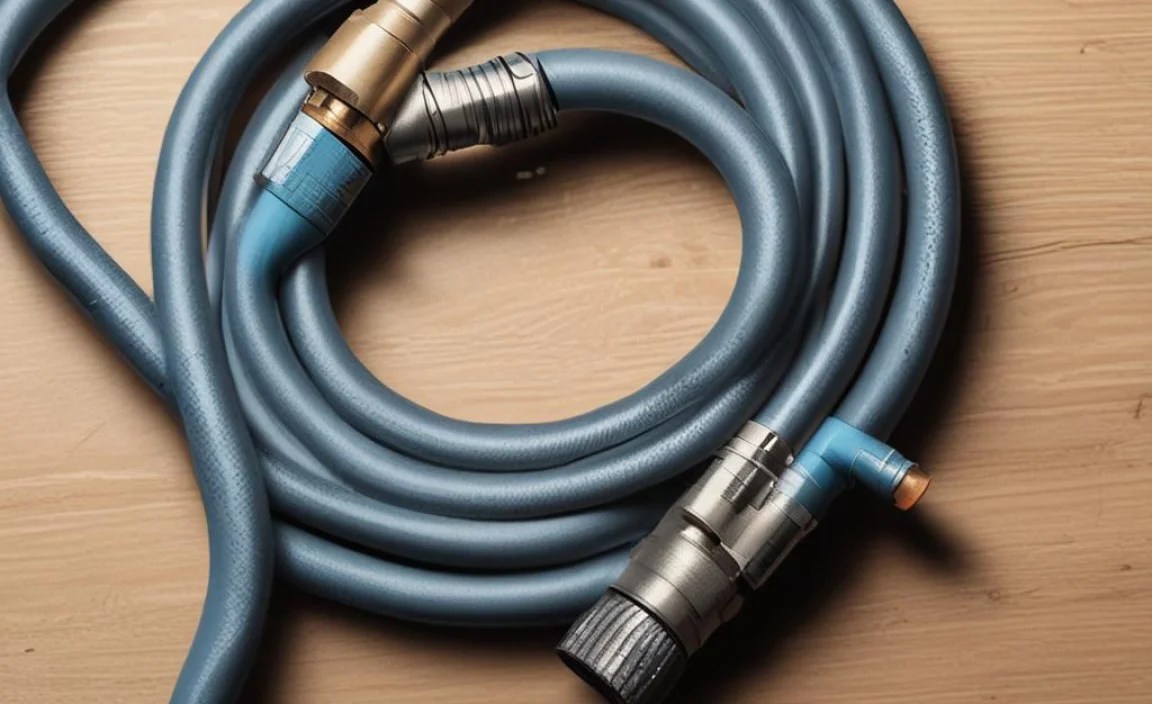
Sometimes, despite your best efforts, you might still encounter issues with air loss. Here are some common problems and how to address them:
Problem: Worn-Out Pump Head
If your pump head is old or damaged, it might not create a tight seal, leading to air loss. Consider replacing the pump head or the entire pump.
Problem: Damaged Valve Core
A damaged valve core can also cause air leaks. You can replace the valve core using a valve core tool. These tools are inexpensive and easy to use. A replacement valve core typically costs less than $5.
Problem: Incorrect Pump Head Size
Using the wrong size pump head for your valve type can also lead to air loss. Make sure you’re using the correct pump head for Presta or Schrader valves.
Choosing the Right Bike Pump

The type of bike pump you use can also affect how easily you can disconnect the hose without losing air. Here are some popular types:
- Floor Pumps: These are great for home use and provide a stable platform for inflating tires to higher pressures. Look for models with a secure pump head and a pressure gauge for accurate inflation.
- Hand Pumps: These are portable and ideal for on-the-go inflation. Choose a compact and lightweight model that fits easily in your backpack or mounts to your bike frame.
- CO2 Inflators: These use cartridges of compressed CO2 to quickly inflate tires. They’re convenient for emergencies but can be less precise than traditional pumps.
Table: Comparing Bike Pump Types
| Pump Type | Pros | Cons | Best For |
|---|---|---|---|
| Floor Pump | Stable, accurate, high pressure | Not portable | Home use, precise inflation |
| Hand Pump | Portable, lightweight | Requires more effort, less accurate | On-the-go inflation, emergencies |
| CO2 Inflator | Fast inflation, very portable | Single-use cartridges, less control | Emergencies, racing |
Essential Tools for Tire Maintenance
Having the right tools can make tire maintenance much easier. Here are a few essentials:
- Valve Core Tool: For removing and replacing valve cores.
- Tire Levers: For removing and installing tires.
- Pressure Gauge: For accurate tire pressure readings.
- Patch Kit: For repairing punctures on the road.
Tips for Maintaining Optimal Tire Pressure
Maintaining the correct tire pressure is crucial for a comfortable and efficient ride. Here are some tips:
- Check Tire Pressure Regularly: Use a reliable pressure gauge to check your tire pressure before each ride.
- Follow Recommended Pressure: Refer to the tire sidewall for the manufacturer’s recommended pressure range.
- Adjust for Riding Conditions: Lower pressure can provide better grip on loose surfaces, while higher pressure can improve rolling resistance on smooth roads.
Why Tire Pressure Matters
Maintaining proper tire pressure is important for several reasons:
- Comfort: Correctly inflated tires absorb bumps and vibrations, providing a smoother ride.
- Efficiency: Proper inflation reduces rolling resistance, making it easier to pedal and maintain speed.
- Grip: The right pressure ensures optimal contact with the road or trail, improving traction and control.
- Puncture Resistance: Underinflated tires are more susceptible to pinch flats, while overinflated tires can be more prone to blowouts.
Advanced Techniques for Minimizing Air Loss
For those looking to take their skills to the next level, here are some advanced techniques:
Using a Threaded CO2 Inflator
Threaded CO2 inflators often have better control and less air loss compared to non-threaded models. The threaded connection ensures a secure seal, and the ability to control the flow of CO2 can minimize waste.
Pre-Inflating Tubes Before Tire Installation
Before installing a new tube, inflate it slightly to give it shape. This helps prevent pinching during installation and makes it easier to seat the tire bead properly.
Seating Tire Beads Evenly
Ensure that the tire beads are evenly seated in the rim before inflating to full pressure. Unevenly seated beads can cause the tire to be wobbly or even blow off the rim. Use soapy water to lubricate the beads if necessary.
The Science Behind Air Loss
Understanding the physics behind air loss can help you troubleshoot and prevent it more effectively. Air loss occurs due to pressure differences and the speed at which the valve can close. When you disconnect a pump, the higher pressure inside the tire tries to equalize with the lower pressure outside, causing air to rush out. The faster you can seal the valve, the less air you’ll lose.
The Bernoulli principle can also be applied here: faster moving air creates lower pressure. If you disconnect the pump slowly, the escaping air moves faster, creating a lower pressure zone that draws more air out of the tire.
Common Mistakes to Avoid
Here are some common mistakes that can lead to increased air loss:
- Disconnecting Too Slowly: Speed is key. The slower you disconnect, the more air you’ll lose.
- Wiggling the Pump Head: Avoid twisting or wiggling the pump head, as this can break the seal and cause air to escape.
- Forgetting to Tighten the Valve Nut: Always tighten the valve nut after inflating a Presta valve.
- Using a Damaged Pump Head: A worn or damaged pump head won’t create a tight seal.
Seasonal Tire Maintenance
Tire maintenance needs can change with the seasons. Here’s what to consider:
- Summer: Hot weather can increase tire pressure. Check your tires more frequently and adjust pressure as needed.
- Winter: Cold weather can decrease tire pressure. You may need to add air to maintain optimal pressure.
- Wet Conditions: Lowering tire pressure slightly can improve grip on wet roads or trails.
DIY vs. Professional Bike Maintenance
While many bike maintenance tasks can be done at home, some are best left to professionals. Consider seeking professional help for:
- Wheel Truing: Requires specialized tools and expertise.
- Suspension Service: Complex and requires specific knowledge.
- Frame Repairs: Can be dangerous if not done properly.
However, tasks like tire inflation, chain lubrication, and brake adjustments are well within the capabilities of most home mechanics.
FAQ: Disconnecting Bike Hoses
What’s the best way to disconnect a pump from a Presta valve?
Unscrew the valve nut, pinch the valve near the pump head, quickly detach the pump, and then tighten the valve nut.
How do I disconnect from a Schrader valve without losing air?
Quickly detach the pump head in a straight motion. You can briefly depress the valve pin before disconnecting to equalize pressure.
Why am I losing so much air when I disconnect my pump?
It could be due to a worn pump head, damaged valve core, or slow disconnection. Try replacing the pump head or valve core and practice a quicker removal.
Can cold weather affect my tire pressure?
Yes, cold weather can decrease tire pressure. Check your tires regularly and add air as needed to maintain the recommended pressure.
What tools do I need for basic tire maintenance?
You’ll need a pump, pressure gauge, tire levers, valve core tool, and a patch kit.
Is it better to use a floor pump or a hand pump?
Floor pumps are better for home use and provide more accurate inflation. Hand pumps are more portable and suitable for on-the-go use.
How often should I check my tire pressure?
Check your tire pressure before each ride to ensure optimal performance and safety.
Conclusion
Disconnecting a hose without losing air might seem like a small detail, but mastering this skill can significantly improve your cycling experience. By understanding the different valve types, using the right techniques, and maintaining your equipment, you can minimize air loss and keep your tires properly inflated. Whether you’re a seasoned cyclist or just starting out, these tips will help you maintain your bike with confidence and enjoy every ride to the fullest. So go ahead, grab your pump, and put these techniques into practice – you’ll be disconnecting like a pro in no time!


