
How to Use Teflon Tape for Sealing Threads: Easy Guide

Quick Summary: Sealing threads with Teflon tape is simple! Clean the threads, wrap the tape clockwise 2-3 times, pull firmly to create a good seal, and screw the parts together. This creates a waterproof and airtight seal, preventing leaks in plumbing, bike pumps, and more.
Are you tired of leaks? Whether it’s a leaky bike pump or a dripping plumbing connection, it’s frustrating! Luckily, there’s a simple solution: Teflon tape, also known as thread seal tape or PTFE tape. It’s an easy way to create a tight, leak-proof seal on threaded connections. This guide will walk you through the process step-by-step. You’ll learn how to apply Teflon tape correctly, so you can say goodbye to those annoying drips and leaks. Let’s get started!
What is Teflon Tape and Why Use It?

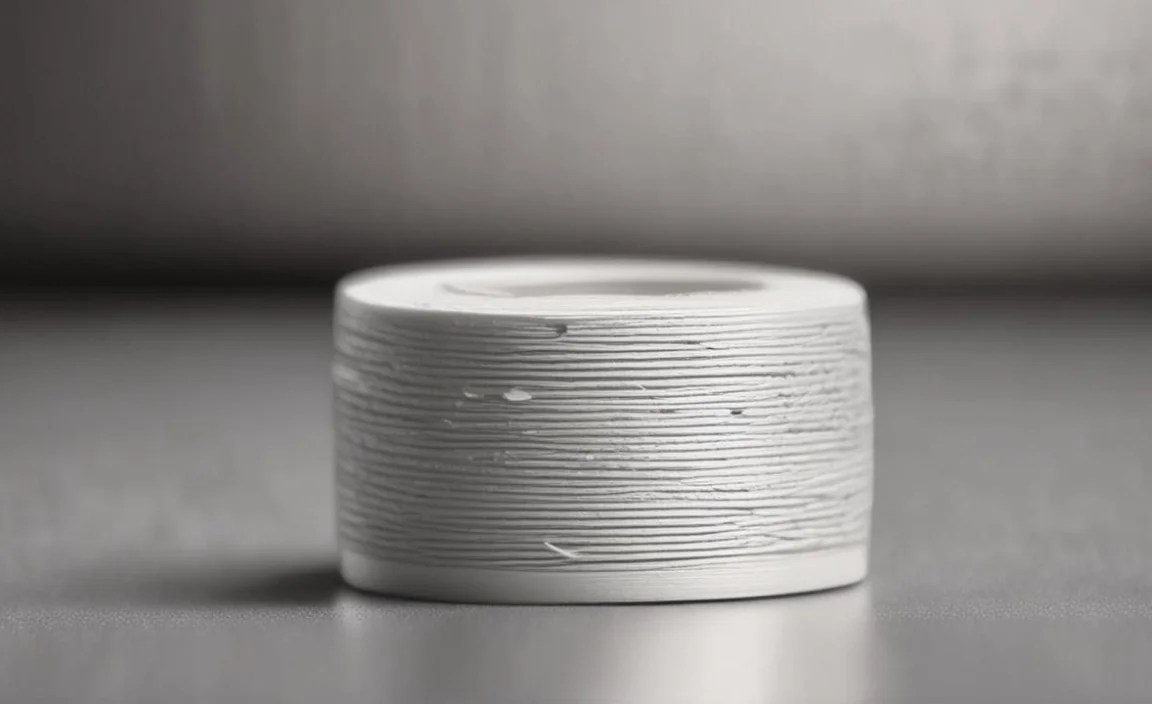
Teflon tape, made from polytetrafluoroethylene (PTFE), is a thin, white tape used to seal pipe threads. It acts as a filler and lubricant, allowing threads to tighten more easily while creating a waterproof and airtight seal.
Benefits of Using Teflon Tape:
- Prevents Leaks: Creates a tight seal to stop water or air from escaping.
- Easy to Use: Simple application process for beginners.
- Heat Resistant: Works well in high-temperature environments.
- Chemical Resistant: Resistant to many chemicals, making it versatile.
- Lubricates Threads: Helps threads tighten smoothly without damage.
Common Uses for Teflon Tape:
- Plumbing: Sealing pipe joints in homes and buildings.
- Bike Pumps: Preventing air leaks in pump connections.
- Gas Fittings: Creating safe seals in gas lines (use yellow, gas-rated tape).
- Shower Heads: Ensuring a watertight seal between the shower arm and head.
- Sprinkler Systems: Sealing threaded connections in irrigation systems.
Tools and Materials You’ll Need

Before you start, gather these simple tools and materials:
- Teflon Tape: Standard white Teflon tape for most applications. For gas lines, use yellow Teflon tape, which is specifically designed for gas fittings.
- Clean Cloth or Brush: To clean the threads before applying the tape.
- Utility Knife or Scissors (Optional): For trimming excess tape.
Step-by-Step Guide: How to Apply Teflon Tape

Follow these steps to properly apply Teflon tape and create a leak-proof seal.
Step 1: Clean the Threads
Start by cleaning the male threads (the ones on the outside) with a clean cloth or brush. Remove any dirt, old tape, or debris. This ensures the Teflon tape adheres properly.
Step 2: Wrap the Threads with Teflon Tape
Hold the threaded fitting in one hand. Take the end of the Teflon tape and place it on the second thread from the end of the fitting. Make sure you’re wrapping the tape in the correct direction.
Important: Wrap the tape clockwise as you face the end of the threads. This ensures the tape tightens as you screw the fitting into its counterpart. If you wrap it counter-clockwise, the tape will unravel when you tighten the connection.
Step 3: Overlap the Tape
As you wrap, overlap the tape by about half its width. This ensures full coverage and a tight seal. Pull the tape firmly as you wrap. This helps it conform to the threads and creates a better seal.
Step 4: Apply the Correct Number of Wraps
Apply 2-3 layers of Teflon tape. This is usually enough for most applications. For higher-pressure systems or older, worn threads, you might need 4-5 layers. The goal is to create a snug fit without making it too difficult to tighten the connection.
Step 5: Smooth the Tape
Once you’ve applied the tape, smooth it down with your fingers. Press it firmly into the threads. This helps the tape adhere and fill any gaps.
Step 6: Trim Excess Tape (Optional)
If there’s any excess tape hanging over the end of the threads, trim it off with a utility knife or scissors. This isn’t always necessary, but it can make the connection look cleaner.
Step 7: Assemble the Connection
Carefully screw the male fitting into the female fitting. Tighten it until it’s snug. You should feel some resistance as the threads engage with the tape. Avoid overtightening, which can damage the threads or the fitting. Use appropriate tools, such as wrenches, to tighten the connection securely.
Step 8: Test for Leaks
After assembling the connection, test it for leaks. For plumbing, turn on the water and check for drips. For air lines, apply soapy water to the connection and look for bubbles. If you find a leak, disassemble the connection, add more Teflon tape, and reassemble.
Tips for a Perfect Seal

Here are some extra tips to ensure a leak-proof seal every time:
- Use the Right Type of Tape: Use standard white Teflon tape for most applications. For gas lines, use yellow Teflon tape.
- Don’t Reuse Tape: Always use fresh Teflon tape for each connection. Old tape can be worn or contaminated, reducing its effectiveness.
- Inspect Threads: Check the threads for damage or corrosion before applying tape. Damaged threads may need to be repaired or replaced.
- Tighten Properly: Tighten the connection until it’s snug, but avoid overtightening. Overtightening can damage the threads or the fitting.
- Practice Makes Perfect: If you’re new to using Teflon tape, practice on some scrap fittings before working on your final project.
Troubleshooting Common Problems
Even with careful application, you might encounter some issues. Here’s how to troubleshoot common problems:
| Problem | Possible Cause | Solution |
|---|---|---|
| Leak after assembly | Insufficient tape, tape applied incorrectly, damaged threads | Add more tape, re-wrap the tape in the correct direction, inspect and repair or replace damaged threads |
| Difficulty tightening the connection | Too much tape | Remove some tape and reassemble |
| Tape unravels during assembly | Tape wrapped in the wrong direction | Re-wrap the tape in the correct (clockwise) direction |
| Connection still leaks after multiple attempts | Severely damaged threads, incompatible fittings | Replace the damaged fitting, ensure fittings are compatible |
When to Use Pipe Dope Instead of Teflon Tape
While Teflon tape is excellent for many applications, pipe dope (also known as pipe joint compound or thread sealant) is better in some cases. Pipe dope is a paste-like sealant that fills gaps and creates a tighter seal, especially on larger or more complex fittings.
Advantages of Pipe Dope:
- Better for Larger Threads: Works well on larger diameter pipes where tape can be difficult to apply evenly.
- Fills Gaps: Fills imperfections in threads for a more reliable seal.
- Suitable for High-Pressure Systems: Provides a stronger seal in high-pressure applications.
Disadvantages of Pipe Dope:
- Messier to Apply: Can be messy and require cleanup.
- Longer Drying Time: May require some time to dry before pressurizing the system.
When to Use Which:
| Application | Recommended Sealant | Reason |
|---|---|---|
| Small plumbing fittings (e.g., shower heads, faucets) | Teflon tape | Easy to apply, clean, and effective for small threads |
| Bike pump connections | Teflon tape | Provides a clean and effective seal for air fittings |
| Large diameter pipes (e.g., main water lines) | Pipe dope | Better coverage and gap filling for larger threads |
| High-pressure gas lines | Yellow Teflon tape or gas-rated pipe dope | Specifically designed for gas applications |
Safety Precautions
While using Teflon tape is generally safe, keep these precautions in mind:
- Avoid Overheating: Teflon tape can release harmful fumes if overheated (above 500°F or 260°C). This is unlikely in most plumbing or bike pump applications but be aware of the risk in high-temperature environments.
- Use Proper Ventilation: If working in a confined space, ensure good ventilation to avoid inhaling any fumes.
- Wash Hands: Wash your hands after handling Teflon tape, especially before eating or drinking.
FAQ: Sealing Threads with Teflon Tape
Here are some frequently asked questions about using Teflon tape for sealing threads:
Q: What is Teflon tape used for?
A: Teflon tape is used to create a waterproof and airtight seal between threaded pipe connections. It helps prevent leaks in plumbing, bike pumps, and other applications.
Q: How many times should I wrap Teflon tape around threads?
A: Wrap the Teflon tape around the threads 2-3 times for most applications. For higher-pressure systems or worn threads, you might need 4-5 layers.
Q: Which direction should I wrap Teflon tape?
A: Wrap the tape clockwise as you face the end of the threads. This ensures the tape tightens as you screw the fitting into its counterpart.
Q: Can I reuse Teflon tape?
A: No, always use fresh Teflon tape for each connection. Old tape can be worn or contaminated, reducing its effectiveness.
Q: What’s the difference between white and yellow Teflon tape?
A: White Teflon tape is for general plumbing applications. Yellow Teflon tape is specifically designed for gas lines and is more resistant to gas permeation. Always use yellow tape for gas fittings.
Q: Is Teflon tape the same as plumber’s tape?
A: Yes, Teflon tape is often called plumber’s tape. It’s the same thing.
Q: Can I use Teflon tape on plastic threads?
A: Yes, Teflon tape can be used on plastic threads. Be careful not to overtighten the connection, as plastic threads are more easily damaged than metal threads.
Conclusion
Using Teflon tape is a simple and effective way to seal threaded connections and prevent leaks. By following these steps and tips, you can create a tight, reliable seal every time. Whether you’re working on plumbing, bike pumps, or other projects, mastering the art of applying Teflon tape will save you time, money, and frustration. So go ahead, grab some Teflon tape, and tackle those leaky connections with confidence!


