
Hose Kinks Under Pressure? The Smart Fix!

Quick Summary: Hose kinks under pressure can be a real headache! To fix them, first, safely relieve the pressure. Then, gently straighten the kink, using heat from a hairdryer if needed. Prevent future kinks by storing your hose properly on a reel or in large loops, and consider using a higher-quality, kink-resistant hose.
Ever been watering your garden or washing your bike, only to have the hose suddenly stop? Chances are, you’ve got a kink. And when that kink is under pressure, it can be tough to deal with! It’s a common problem, but don’t worry, it’s easily fixed. I’ll walk you through how to safely remove those pesky kinks and, more importantly, how to prevent them from happening in the first place. Let’s get started!
Understanding Hose Kinks Under Pressure

Before we dive into fixing kinks, let’s understand why they happen in the first place. Hoses are designed to be flexible, but repeated bending in the same spot weakens the material. Pressure then exacerbates the issue, making the kink tighter and harder to remove.
Why Hoses Kink
- Material Weakness: Repeated bending at the same spot weakens the hose.
- Pressure Build-up: Water pressure makes the kink tighter.
- Poor Storage: Improper storage causes bends and twists.
- Low-Quality Hoses: Cheaper hoses are more prone to kinking.
Dangers of Kinks Under Pressure
Ignoring kinks under pressure isn’t just an inconvenience; it can be dangerous.
- Hose Damage: Excessive pressure can cause the hose to burst.
- Reduced Water Flow: Kinks restrict water flow, reducing efficiency.
- Strain on the Water System: The pump or water system works harder to compensate, potentially leading to damage.
How to Safely Remove a Hose Kink Under Pressure: A Step-by-Step Guide

Here’s a step-by-step guide to safely remove a hose kink under pressure. Always prioritize safety to avoid any injuries or damage.
Step 1: Relieve the Pressure
The first and most important step is to relieve the pressure in the hose. This will make it easier and safer to handle the kink.
- Turn off the Water Source: Go to the faucet or valve and turn off the water supply completely.
- Release Remaining Pressure: If there’s a nozzle attached, open it to allow any remaining water and pressure to escape. If not, carefully detach the hose from the water source to release the pressure. Be prepared for a small burst of water.
Step 2: Assess the Kink
Now that the pressure is relieved, take a close look at the kink. Determine how severe it is and whether the hose material is damaged.
- Inspect for Damage: Check for any cracks, tears, or weakened spots in the hose.
- Identify the Bend: Understand the direction and severity of the bend.
Step 3: Gently Straighten the Kink
With the pressure relieved and the kink assessed, it’s time to gently straighten it.
- Manual Manipulation: Use your hands to gently massage and straighten the hose around the kink. Avoid sudden, forceful movements.
- Warm the Hose (If Needed): If the hose is stiff, especially in cold weather, use a hairdryer or warm water to make it more pliable. Be careful not to overheat the hose, as this can damage the material.
- Gradual Straightening: Work the hose back to its original shape gradually. Patience is key here.
Step 4: Check for Leaks
Once you’ve straightened the kink, it’s crucial to check for leaks. Reconnect the hose to the water source and turn the water on slowly.
- Inspect the Kinked Area: Watch for any signs of leakage around the area where the kink was.
- Test Under Pressure: Increase the water pressure gradually and continue to monitor for leaks.
Step 5: Repair or Replace if Necessary
If you find any leaks, you’ll need to either repair or replace the hose.
- Repair Options: For small leaks, you can use a hose repair kit, which typically includes patches and clamps. Follow the instructions on the kit carefully.
- Replacement: If the hose is severely damaged, it’s best to replace it. Continuing to use a damaged hose can lead to more significant problems and potential bursts.
Preventing Hose Kinks: Proactive Measures

Prevention is always better than cure. Here’s how to prevent hose kinks from happening in the first place.
Proper Hose Storage
How you store your hose makes a big difference in preventing kinks.
- Hose Reels: Use a hose reel to neatly wind and store your hose. This prevents it from tangling and bending in unnatural ways.
- Large Loops: If you don’t have a reel, coil the hose in large, loose loops. Avoid tight bends.
- Avoid Sharp Bends: When storing, make sure the hose isn’t bent sharply around corners or objects.
Choosing the Right Hose
The type of hose you use can also affect how prone it is to kinking.
- Kink-Resistant Hoses: Invest in a high-quality, kink-resistant hose. These hoses are designed with materials and construction techniques that make them less likely to kink.
- Reinforced Hoses: Look for hoses with reinforced layers, which provide extra strength and durability.
- Hose Material: Rubber hoses are generally more flexible and less prone to kinking than vinyl hoses.
Proper Hose Handling
How you handle your hose during use can also prevent kinks.
- Avoid Over-Extending: Don’t stretch the hose to its maximum length, as this can create tension and increase the likelihood of kinking.
- Smooth Out Bends: When using the hose, periodically check for and smooth out any small bends or twists before they turn into kinks.
- Use Hose Guides: If you’re using the hose around plants or obstacles, use hose guides to prevent it from snagging and bending.
Tools and Products to Help

Here are some tools and products that can help you manage and prevent hose kinks.
| Tool/Product | Description | Benefits |
|---|---|---|
| Hose Reel | A device for winding and storing hoses. | Prevents tangling, kinking, and extends hose life. |
| Hose Guides | Small stakes or rollers that guide the hose around plants and obstacles. | Prevents snagging and bending. |
| Hose Repair Kit | Includes patches, clamps, and sealant for repairing small leaks. | Cost-effective solution for minor hose damage. |
| Kink-Resistant Hose | Hoses designed with materials and construction techniques to resist kinking. | Reduces the likelihood of kinks and improves water flow. |
Comparing Hose Types
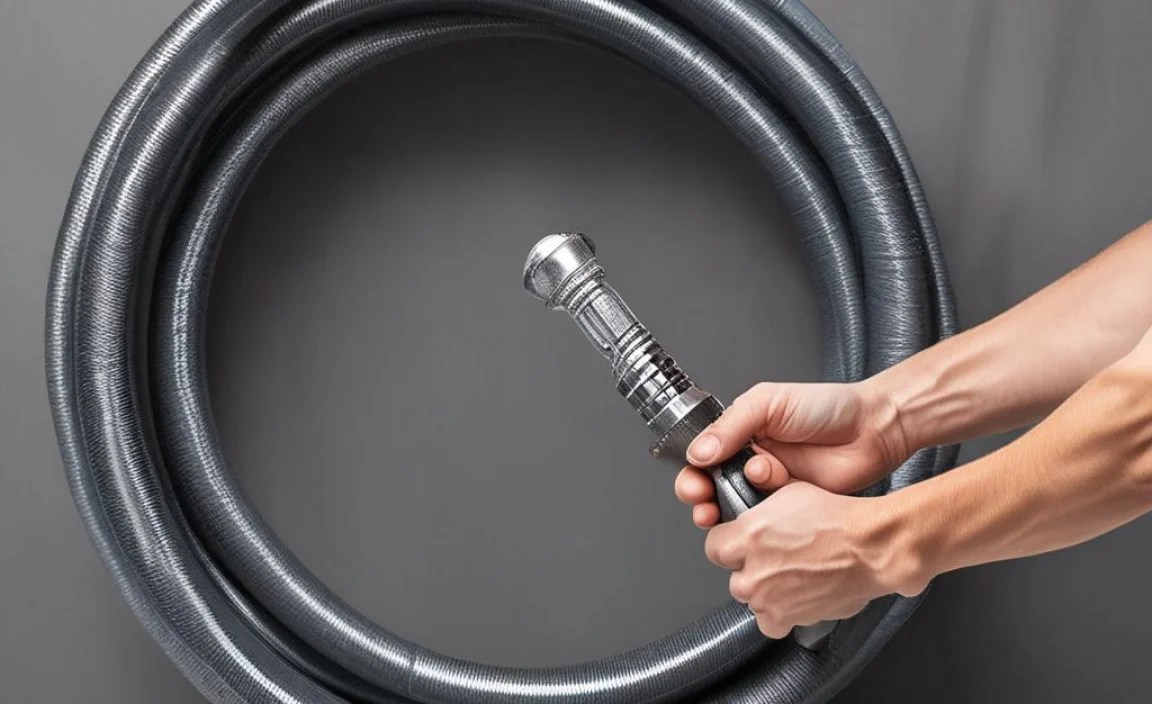
Choosing the right type of hose can make a significant difference in preventing kinks. Here’s a comparison of common hose types:
| Hose Type | Material | Pros | Cons | Best Use |
|---|---|---|---|---|
| Rubber Hose | Rubber | Highly flexible, durable, kink-resistant, withstands hot water. | Heavier, more expensive. | Gardening, landscaping, heavy-duty use. |
| Vinyl Hose | Vinyl | Lightweight, inexpensive. | Prone to kinking, less durable, not suitable for hot water. | Light watering tasks, occasional use. |
| Reinforced Hose | Multiple layers of material (rubber or vinyl with reinforcing mesh) | More durable than standard vinyl, better kink resistance. | Can still kink under pressure, more expensive than vinyl. | General gardening, moderate use. |
| Soaker Hose | Porous rubber or plastic | Delivers water directly to plant roots, reduces water waste. | Not for high-pressure use, can clog over time. | Targeted watering of garden beds and shrubs. |
Advanced Tips for Stubborn Kinks
Sometimes, a kink is particularly stubborn and requires extra attention. Here are some advanced tips to try:
- Heat Treatment: Submerge the kinked area in hot (but not boiling) water for several minutes to soften the material. Then, gently try to straighten it.
- Weight and Time: After applying heat, lay the hose flat on a warm surface and place a weight on the kinked area. Leave it for several hours or overnight to help the hose regain its shape.
- Professional Help: If the kink is severe and you’re unable to fix it yourself, consider consulting a professional at a local hardware store or garden center. They may have specialized tools or techniques to help.
Common Mistakes to Avoid
Here are some common mistakes people make when dealing with hose kinks, and how to avoid them:
- Forcing the Kink: Avoid using excessive force to straighten a kink, as this can damage the hose.
- Using Sharp Objects: Never use knives or sharp tools to cut or pry at a kink, as this can puncture the hose.
- Ignoring Small Leaks: Don’t ignore small leaks after straightening a kink. Repair them promptly to prevent further damage.
- Storing Hoses in Direct Sunlight: Avoid storing hoses in direct sunlight, as UV exposure can degrade the material and make it more prone to kinking.
FAQ: Hose Kinks Under Pressure
Why does my hose keep kinking?
Your hose probably keeps kinking due to material weakness from repeated bending, poor storage, or low-quality construction. Try a kink-resistant hose and store it properly on a reel.
Is it dangerous to use a hose with a kink?
Yes, it can be. Kinks restrict water flow, strain your water system, and can cause the hose to burst under pressure.
How do I release pressure from a kinked hose?
First, turn off the water source. Then, open the nozzle or detach the hose to release any remaining water pressure.
Can I repair a hose with a severe kink?
It depends. Small leaks can be patched with a repair kit, but severe damage usually requires replacing the hose.
What is the best way to store a hose to prevent kinks?
Use a hose reel or coil the hose in large, loose loops. Avoid sharp bends and store it out of direct sunlight.
Are rubber hoses better than vinyl hoses for preventing kinks?
Yes, rubber hoses are generally more flexible and kink-resistant compared to vinyl hoses.
How can I warm a stiff hose to remove a kink more easily?
Use a hairdryer on a low setting or submerge the kinked area in warm water to make the hose more pliable.
Conclusion
Dealing with hose kinks under pressure doesn’t have to be a frustrating experience. By understanding why kinks happen, following the steps to safely remove them, and implementing preventive measures, you can keep your hose in good working condition. Remember, proper storage, choosing the right hose, and careful handling are key to avoiding those annoying kinks. So go ahead, apply these tips, and enjoy a hassle-free watering experience!


