
How to Easily Connect Hose with Chuck Adapter?

Connecting a hose to a chuck adapter is simple! First, ensure the hose and adapter threads match. Wrap the adapter threads with Teflon tape for a leak-proof seal. Then, firmly screw the hose onto the chuck adapter until snug. Test the connection with air or water to confirm a secure fit. This method works for bike pumps, air compressors, and garden hoses.
Ever struggled to get a tight, leak-free connection between your hose and a chuck adapter? It’s a common frustration, whether you’re inflating bike tires, using air tools, or watering your garden. A loose connection leads to wasted effort and annoying leaks. But don’t worry! I’m Raymond Ammons from BicyclePumper.com, and I’ll guide you through a simple, step-by-step process to achieve a secure, reliable connection every time. Let’s get started and eliminate those frustrating leaks!
Understanding Chuck Adapters and Hoses

Before diving into the how-to, let’s clarify what chuck adapters are and why they’re important. Chuck adapters act as intermediaries, linking hoses to various tools or devices. They come in different shapes and sizes, each designed for specific applications.
Types of Chuck Adapters
Understanding the different types of chuck adapters helps ensure you’re using the right one for the job. Here are some common types:
- Air Chuck Adapters: Used with air compressors to inflate tires or power pneumatic tools.
- Hose Adapters: Connect hoses of different sizes or types.
- Bike Pump Adapters: Specifically designed to fit bicycle tire valves (Presta, Schrader, Dunlop).
- Garden Hose Adapters: Connect garden hoses to faucets, sprinklers, and other watering devices.
Hose Compatibility
Not all hoses are created equal. It’s crucial to ensure the hose you’re using is compatible with the chuck adapter. Consider the following factors:
- Thread Type: Ensure the hose and adapter have matching thread types (e.g., NPT, BSP).
- Hose Diameter: The hose diameter should match the adapter’s specifications.
- Material: Consider the material of the hose and adapter, ensuring they’re suitable for the intended application (e.g., water, air, chemicals).
Tools and Materials You’ll Need

Before you start, gather the necessary tools and materials. Having everything on hand will make the process smoother and more efficient.
- Chuck Adapter: Choose the correct type and size for your hose and application.
- Hose: Ensure the hose is compatible with the adapter.
- Teflon Tape (Plumber’s Tape): Creates a watertight seal.
- Wrench (optional): For tightening the connection. Use the correct size wrench. Adjustable wrenches are a good choice.
- Gloves (optional): To protect your hands.
Step-by-Step Guide: Connecting Hose with Chuck Adapter
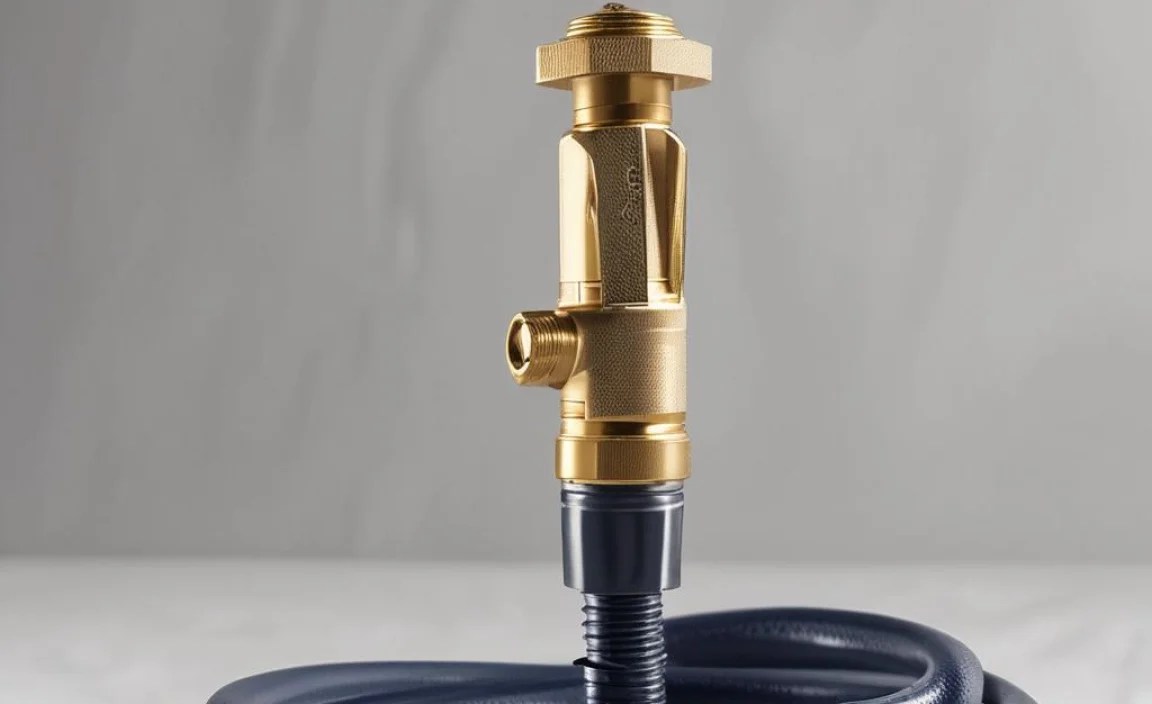
Follow these steps to connect your hose to a chuck adapter securely:
Step 1: Prepare the Adapter
Clean the threads of the chuck adapter. Remove any dirt, debris, or old sealant.
Step 2: Apply Teflon Tape
Wrap Teflon tape clockwise around the threads of the chuck adapter. Use 2-3 layers, overlapping each layer slightly. This creates a tight, leak-proof seal.
Pro Tip: Wrap the tape in the opposite direction of how you’ll screw on the hose. This prevents the tape from unraveling as you tighten the connection.
Step 3: Align the Hose and Adapter
Carefully align the hose with the chuck adapter. Make sure the threads are properly aligned to avoid cross-threading.
Step 4: Hand-Tighten the Connection
Screw the hose onto the chuck adapter by hand. Turn it clockwise until it’s snug. Avoid over-tightening at this stage.
Step 5: Tighten with a Wrench (If Necessary)
If you can’t get a tight enough seal by hand, use a wrench to tighten the connection. Be careful not to over-tighten, as this can damage the threads or the adapter. A quarter turn beyond hand-tight is usually sufficient.
Pro Tip: Use two wrenches—one to hold the adapter and another to tighten the hose. This prevents unnecessary strain on the connection.
Step 6: Test the Connection
Test the connection for leaks. If you’re using an air compressor, turn it on and check for air leaks around the connection. If you’re using a garden hose, turn on the water and check for water leaks. If you detect any leaks, tighten the connection slightly or reapply Teflon tape.
Troubleshooting Common Issues
Even with careful installation, you might encounter some common issues. Here’s how to troubleshoot them:
Leaks at the Connection
Leaks are the most common issue. Here’s how to address them:
- Tighten the Connection: Use a wrench to tighten the connection slightly.
- Reapply Teflon Tape: Remove the hose, clean the threads, and reapply Teflon tape.
- Check for Damage: Inspect the threads of both the hose and the adapter for damage. Replace damaged parts.
Cross-Threading
Cross-threading occurs when the threads are misaligned, causing damage to the threads. Here’s how to avoid and fix it:
- Proper Alignment: Always ensure the threads are properly aligned before tightening.
- Gentle Start: Start tightening the connection by hand, ensuring it screws on smoothly.
- Replace Damaged Parts: If cross-threading occurs, replace the damaged hose or adapter.
Incorrect Adapter Size
Using the wrong size adapter can lead to leaks or prevent a secure connection.
- Verify Compatibility: Double-check the adapter size and thread type against the hose and tool requirements.
- Use Adapters: If necessary, use additional adapters to bridge the size difference.
Best Practices for Hose and Adapter Maintenance
Proper maintenance extends the life of your hoses and adapters and ensures reliable performance.
Regular Inspection
Inspect your hoses and adapters regularly for signs of wear and tear, such as cracks, leaks, or damaged threads.
Proper Storage
Store hoses and adapters in a dry, clean place. Avoid exposing them to extreme temperatures or direct sunlight.
Cleaning
Clean hoses and adapters regularly to remove dirt, debris, and corrosion. Use a mild detergent and water. Rinse thoroughly and allow to dry before storing.
Choosing the Right Hose and Adapter for Your Needs
Selecting the right hose and adapter is crucial for optimal performance and safety. Here’s what to consider:
Material
The material of the hose and adapter should be suitable for the intended application. Consider the following options:
- Rubber: Durable and flexible, suitable for a wide range of applications.
- PVC: Lightweight and chemical-resistant, ideal for garden hoses.
- Brass: Corrosion-resistant and durable, commonly used for air and water connections.
- Stainless Steel: Highly durable and corrosion-resistant, suitable for harsh environments.
Pressure Rating
Ensure the hose and adapter have a pressure rating that meets or exceeds the requirements of your application. Using a hose or adapter with a lower pressure rating can lead to bursting or leaks.
Thread Type
Match the thread type of the hose and adapter. Common thread types include:
- NPT (National Pipe Thread): Commonly used in North America for plumbing and industrial applications.
- BSP (British Standard Pipe): Used in Europe and other parts of the world.
- SAE (Society of Automotive Engineers): Used in automotive applications.
Quick Connect Fittings
Quick connect fittings offer convenience and ease of use. They allow you to quickly connect and disconnect hoses without the need for tools. Consider using quick connect fittings for applications where you frequently change hoses or attachments.
Table: Common Hose and Adapter Combinations
| Application | Hose Type | Adapter Type | Notes |
|---|---|---|---|
| Air Compressor | Rubber Air Hose | Air Chuck Adapter (NPT) | Ensure the adapter matches the compressor’s outlet thread. |
| Garden Watering | PVC Garden Hose | Garden Hose Adapter (GHT) | Standard garden hose thread. |
| Bike Pump (Schrader) | Rubber or Braided Hose | Schrader Valve Adapter | Fits standard car tire valves. |
| Bike Pump (Presta) | Rubber or Braided Hose | Presta Valve Adapter | For high-pressure road bike tires. |
| Pressure Washer | Reinforced Rubber Hose | Pressure Washer Adapter (M22) | Specific to pressure washer connections. |
Table: Troubleshooting Chart
| Problem | Possible Cause | Solution |
|---|---|---|
| Leak at connection | Loose connection | Tighten with a wrench. |
| Leak at connection | Damaged threads | Replace hose or adapter. |
| Leak at connection | Insufficient Teflon tape | Reapply Teflon tape. |
| Cross-threading | Misaligned threads | Replace damaged parts, align carefully. |
| Hose bursts | Exceeding pressure rating | Use a hose with a higher pressure rating. |
| Adapter doesn’t fit | Incorrect thread type/size | Use the correct adapter or a thread adapter. |
FAQ: Connecting Hoses with Chuck Adapters
What is Teflon tape, and why is it important?
Teflon tape, also known as plumber’s tape, is a white, non-adhesive tape used to create a watertight seal between threaded connections. It fills the tiny gaps between the threads, preventing leaks.
How much Teflon tape should I use?
Wrap the threads 2-3 times, overlapping each layer slightly. Too little tape may not create a sufficient seal, while too much can make it difficult to tighten the connection.
Can I reuse Teflon tape?
It’s best to use fresh Teflon tape each time you make a connection. Old tape can become brittle and lose its sealing properties.
What if I don’t have a wrench?
While a wrench provides a more secure connection, you can often achieve a tight enough seal by hand-tightening. Just make sure the connection is snug and doesn’t leak.
How do I know if I’m using the right adapter?
Check the thread type and size of both the hose and the tool you’re connecting to. Refer to the product specifications or consult a hardware professional if you’re unsure.
What do I do if the hose is stuck on the adapter?
Try applying penetrating oil to the connection and let it sit for a few minutes. Then, use a wrench to gently loosen the hose. If it’s still stuck, you may need to cut the hose off and replace it.
Can I use a hose clamp instead of an adapter?
Hose clamps are suitable for connecting hoses to non-threaded fittings, such as barbed fittings. They’re not a substitute for adapters when connecting threaded connections.
Conclusion
Connecting a hose with a chuck adapter doesn’t have to be a daunting task. By following these simple steps and understanding the basics of hose and adapter compatibility, you can achieve a secure, leak-free connection every time. Remember to choose the right tools, apply Teflon tape correctly, and test your connections thoroughly. With a little practice, you’ll be connecting hoses like a pro! Now, go forth and conquer those connections with confidence. Happy riding from BicyclePumper.com!


