
How to Use Hose Splitter for Dual Inflator Setup: Easy Guide

Using a hose splitter for a dual inflator setup lets you inflate two tires at once, saving you time and effort. Just connect the splitter to your air source, attach inflation chucks to each outlet, and you’re ready to inflate two tires simultaneously. This is super handy for bikes, cars, or anything else that needs air!
Ever felt like inflating your tires is taking up too much of your precious riding time? You’re not alone! Many cyclists find it frustrating to inflate tires one at a time, especially when getting ready for a group ride or quickly topping off before heading out. Luckily, there’s a simple solution: using a hose splitter with a dual inflator setup. This allows you to inflate two tires at once, cutting your inflation time in half! Ready to learn how to set this up? Let’s dive in!
What You’ll Need

Before we get started, let’s make sure you have all the necessary tools and equipment. Here’s a quick checklist:
- Hose Splitter: A Y-shaped splitter with a single inlet and two outlets.
- Air Compressor or Pump: Your main source of air.
- Inflation Chucks (2): Devices that attach to the tire valve for inflation.
- Air Hose: To connect the compressor to the splitter (if needed).
- Teflon Tape: For sealing threaded connections.
Step-by-Step Guide: Setting Up Your Dual Inflator

Follow these simple steps to set up your hose splitter for dual inflation. We’ll walk through each step, so you can confidently inflate two tires at once!
Step 1: Prepare the Hose Splitter
First, take your hose splitter and inspect the threads on all connections. Make sure they are clean and free of any debris. If you’re using a new splitter, it’s a good idea to wrap the threads with Teflon tape to ensure a tight, leak-free seal.
- Wrap Threads: Apply Teflon tape clockwise around the male threads of the splitter. Usually, two to three wraps are sufficient.
- Smooth it Out: Press the tape firmly into the threads to ensure it adheres well.
Step 2: Connect the Air Source
Now, let’s connect the hose splitter to your air compressor or pump. This step ensures that the air flows correctly into the splitter.
- Attach Air Hose: If your compressor has a quick-connect fitting, attach the air hose to it. Otherwise, screw the air hose directly onto the compressor outlet.
- Connect to Splitter: Attach the other end of the air hose to the inlet of the hose splitter. Tighten the connection securely using a wrench if necessary, but be careful not to overtighten.
Step 3: Attach the Inflation Chucks
Next, we’ll attach the inflation chucks to the outlets of the hose splitter. These chucks are what you’ll use to connect to the tire valves.
- Prepare Chucks: Ensure your inflation chucks are clean and in good working condition. Check that the levers or locking mechanisms move smoothly.
- Connect Chucks: Screw or snap the inflation chucks onto the outlets of the hose splitter. Again, use Teflon tape on the threads for a secure seal.
- Tighten Securely: Make sure the chucks are firmly attached to prevent any air leakage during inflation.
Step 4: Test the Setup
Before you start inflating your tires, it’s crucial to test the setup for any leaks. This will save you time and ensure accurate inflation.
- Turn on Air Source: Power on your air compressor or pump.
- Listen for Leaks: Listen carefully for any hissing sounds around the connections.
- Check Connections: If you hear a leak, tighten the connections further or reapply Teflon tape.
Step 5: Inflate Your Tires
Now that everything is set up and tested, you’re ready to inflate your tires simultaneously! This is where the time-saving magic happens.
- Attach Chucks to Valves: Securely attach the inflation chucks to the valves of the tires you want to inflate.
- Monitor Pressure: Keep an eye on the pressure gauge on your pump or use a separate tire pressure gauge to ensure you don’t overinflate.
- Inflate Evenly: Inflate both tires gradually, checking the pressure on each to ensure they’re even.
- Detach Chucks: Once the tires are at the desired pressure, detach the chucks from the valves.
Tips for Optimal Performance
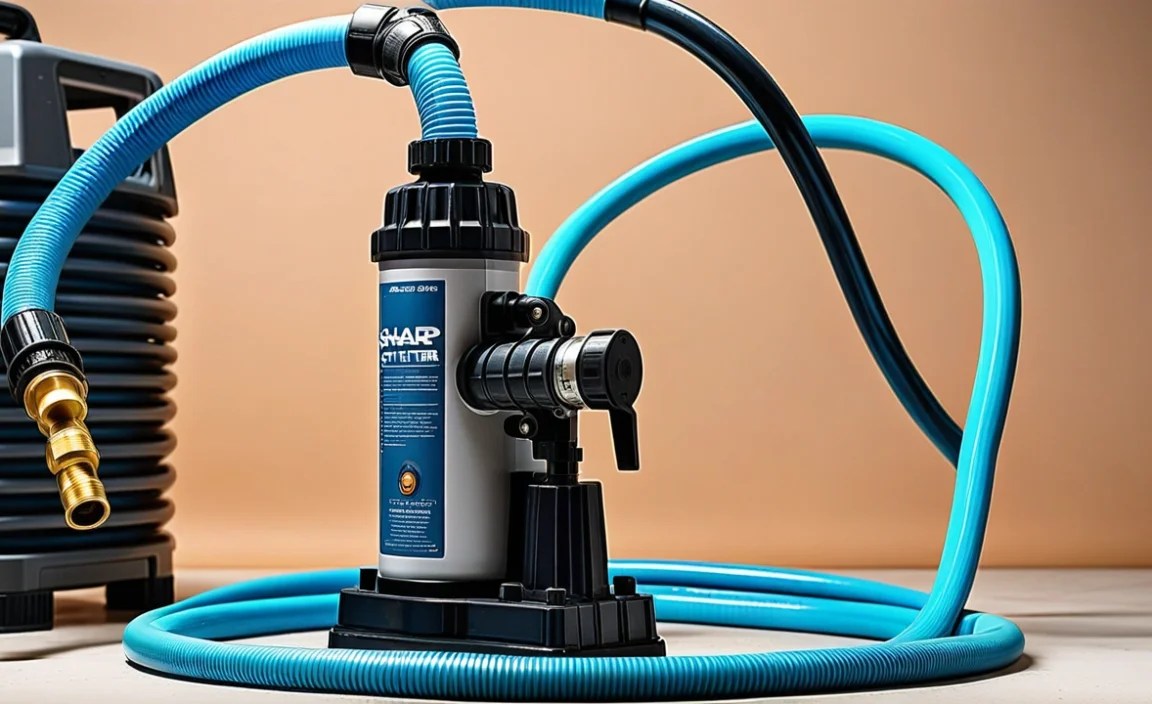
To get the most out of your dual inflator setup, here are a few tips to keep in mind:
- Use Quality Components: Invest in a good quality hose splitter and inflation chucks for durability and reliability.
- Regular Maintenance: Check your setup regularly for leaks and wear. Replace any worn parts promptly.
- Proper Storage: Store your hose splitter and accessories in a clean, dry place to prevent corrosion and damage.
Troubleshooting Common Issues

Even with careful setup, you might encounter a few issues. Here’s how to troubleshoot them:
| Issue | Possible Cause | Solution |
|---|---|---|
| Air Leakage | Loose connections, damaged threads | Tighten connections, replace Teflon tape, or replace damaged parts |
| Uneven Inflation | One chuck not properly sealed, pressure gauge malfunction | Ensure both chucks are securely attached, check pressure gauge accuracy |
| Slow Inflation | Insufficient air compressor output, clogged air filter | Use a more powerful compressor, clean or replace the air filter |
Benefits of Using a Dual Inflator Setup
Why should you bother with a dual inflator setup? Here are some compelling benefits:
- Time-Saving: Inflate two tires at once, cutting your inflation time in half.
- Convenience: Especially useful for bikes, cars, and other vehicles with multiple tires.
- Even Inflation: Helps ensure that both tires are inflated to the same pressure, improving performance and safety.
- Efficiency: Reduces the overall effort required to maintain proper tire pressure.
Choosing the Right Hose Splitter
Not all hose splitters are created equal. Here’s what to look for when choosing one for your dual inflator setup:
- Material: Opt for brass or high-quality metal splitters for durability.
- Thread Size: Ensure the thread size matches your air compressor and inflation chucks.
- Valve Type: Choose a splitter with ball valves for easy control of airflow.
- Pressure Rating: Make sure the splitter can handle the maximum pressure of your air compressor.
Types of Inflation Chucks
There are different types of inflation chucks available. Here’s a quick rundown:
- Clip-On Chucks: These attach to the valve stem with a clip for hands-free inflation.
- Thread-On Chucks: These screw onto the valve stem for a secure, leak-free connection.
- Dual-Head Chucks: Designed for inflating tires with different valve types (e.g., Schrader and Presta).
Safety Precautions
Safety should always be a priority when working with air compressors and inflation tools. Keep these precautions in mind:
- Wear Safety Glasses: Protect your eyes from debris and potential air blasts.
- Don’t Exceed Pressure Limits: Always stay within the recommended pressure limits for your tires and equipment.
- Inspect Equipment Regularly: Check for wear, damage, and leaks before each use.
- Use in a Well-Ventilated Area: Avoid using air compressors in enclosed spaces.
Cost Considerations
Setting up a dual inflator system doesn’t have to break the bank. Here’s a rough estimate of the costs involved:
| Item | Estimated Cost |
|---|---|
| Hose Splitter | $10 – $30 |
| Inflation Chucks (2) | $15 – $40 |
| Air Hose (if needed) | $10 – $25 |
| Teflon Tape | $2 – $5 |
So, for around $37 to $100, you can have a complete dual inflator setup!
Alternative Inflation Methods
While a dual inflator is efficient, here are other options to consider:
- Standard Hand Pump: A reliable, portable option for topping off tires.
- Floor Pump: Provides more power and efficiency than a hand pump.
- CO2 Inflators: Quick and convenient for emergency inflation on the road.
Dual Inflator Applications Beyond Bikes
A dual inflator setup isn’t just for bikes! Here are other uses:
- Car Tires: Inflate car tires more efficiently.
- Sports Equipment: Inflate basketballs, soccer balls, and other sports equipment.
- Inflatable Toys: Quickly inflate pool toys and inflatable mattresses.
Hose Splitter Maintenance Tips
Keep your hose splitter in top shape with these maintenance tips:
- Clean Regularly: Wipe down the splitter with a clean cloth to remove dirt and grime.
- Check for Corrosion: Inspect the splitter for signs of corrosion and address it promptly.
- Lubricate Threads: Apply a small amount of lubricant to the threads to prevent seizing.
- Store Properly: Store the splitter in a dry place away from extreme temperatures.
Advanced Techniques for Dual Inflation
Once you’re comfortable with the basics, try these advanced techniques:
- Using a Digital Pressure Gauge: Get precise pressure readings with a digital gauge.
- Setting Up a Remote Inflation Station: Create a dedicated inflation station in your garage or workshop.
- Integrating with a Tire Pressure Monitoring System (TPMS): Monitor tire pressure in real-time with a TPMS.
Real-World Examples
Here are a few scenarios where a dual inflator setup can be a lifesaver:
- Preparing for a Group Ride: Quickly inflate multiple bikes before a group ride.
- Maintaining a Fleet of Bikes: Efficiently maintain tire pressure on a fleet of rental bikes.
- Emergency Roadside Assistance: Help fellow cyclists with flat tires on the road.
Tire Safety and Inflation
Maintaining proper tire inflation is crucial for safety. Here’s why:
- Improved Handling: Properly inflated tires provide better grip and control.
- Reduced Risk of Blowouts: Underinflated tires are more prone to blowouts.
- Better Fuel Efficiency: Properly inflated tires reduce rolling resistance, improving fuel efficiency.
- Extended Tire Life: Maintaining proper pressure can extend the life of your tires.
FAQ About Using Hose Splitters for Dual Inflation
Here are some frequently asked questions about using hose splitters for dual inflation:
Can I use any hose splitter for inflating tires?
No, it’s important to use a hose splitter that is rated for the pressure you’ll be using. Look for splitters made of brass or other durable materials that can handle the pressure from your air compressor.
Will a dual inflator setup inflate tires twice as fast?
While it inflates two tires at once, the inflation speed depends on your air compressor’s capacity. It will likely be faster than inflating each tire individually, but not necessarily twice as fast.
Is it safe to inflate two tires at the same time?
Yes, it is safe as long as you monitor the pressure and ensure you don’t exceed the recommended PSI for your tires. Using a quality pressure gauge is essential.
What if one tire inflates faster than the other?
This can happen if one chuck isn’t sealed properly or if there’s a slight difference in the tire valves. Make sure both chucks are securely attached and check the valves for any obstructions.
Can I use a dual inflator setup with a portable hand pump?
While possible, it’s not recommended. Hand pumps typically don’t provide enough air volume to inflate two tires efficiently. It’s best to use an air compressor or a high-volume floor pump.
How often should I check my tire pressure?
Ideally, check your tire pressure before every ride or at least once a week. Consistent monitoring ensures optimal performance and safety.
What type of inflation chuck is best for a dual inflator setup?
Thread-on chucks are generally the best for a dual inflator setup because they provide a more secure, leak-free connection compared to clip-on chucks. This ensures even inflation and accurate pressure readings.
Conclusion
Setting up a hose splitter for dual inflation is a game-changer for anyone who regularly inflates tires. It saves time, ensures even inflation, and simplifies maintenance. By following these steps and tips, you’ll be able to inflate your tires quickly and efficiently, so you can spend more time riding and less time pumping. So go ahead, give it a try, and experience the convenience of dual inflation for yourself!


