
How to Reinforce Hose Ends: Easy Powerful Guide

Quick Summary:
Reinforcing hose ends prevents leaks and extends the life of your hoses. You can use hose clamps for a quick fix, heat shrink tubing for a durable seal, or specialized hose reinforcement sleeves for high-pressure applications. Always inspect your hoses regularly for wear and tear and choose the reinforcement method that best fits your needs.
Hoses are essential for many tasks, from watering your garden to maintaining your vehicle. But the ends of hoses often suffer the most wear and tear. They can crack, split, or loosen, leading to leaks and reduced performance. This is frustrating, especially when you rely on your hoses for important jobs. Don’t worry, there are simple and effective ways to reinforce hose ends, so you can keep them working like new.
This guide will walk you through several easy methods to reinforce your hose ends. You’ll learn how to use hose clamps, heat shrink tubing, and specialized sleeves to protect your hoses and prevent leaks. Let’s get started and keep your hoses in top shape!
Why Reinforce Hose Ends?
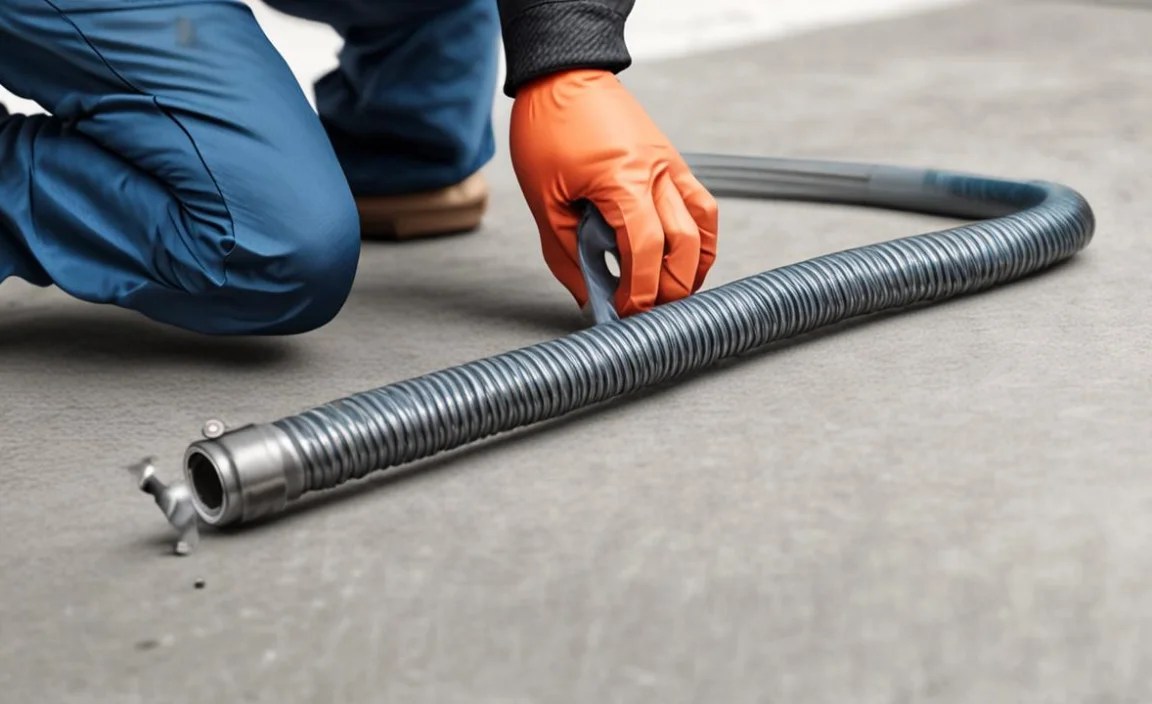
Reinforcing hose ends is a simple step that can save you time, money, and hassle. Here’s why it’s a smart idea:
- Prevents Leaks: A reinforced hose end is less likely to leak, ensuring a steady flow of water or other fluids.
- Extends Hose Life: By protecting the most vulnerable part of the hose, you can significantly extend its lifespan.
- Saves Money: Replacing hoses can be costly. Reinforcing them is a cheaper alternative.
- Improves Performance: A secure hose end ensures optimal pressure and flow, improving the overall performance of your equipment.
- Reduces Downtime: You’ll spend less time dealing with leaks and more time getting the job done.
Methods for Reinforcing Hose Ends
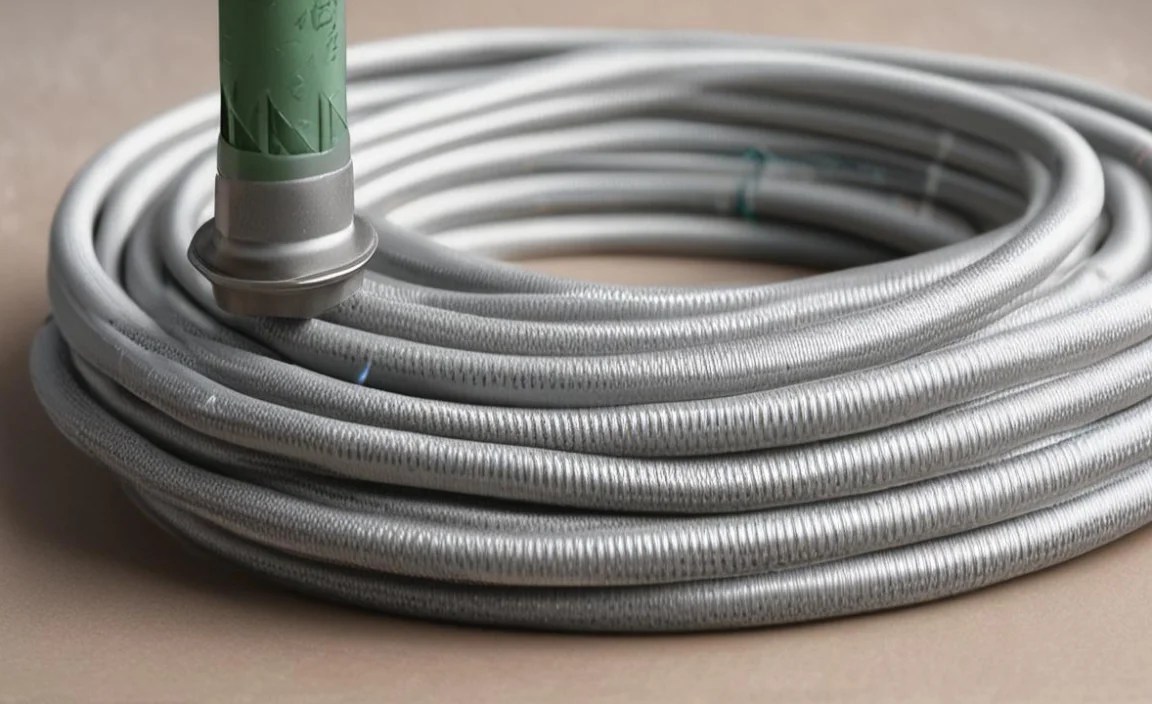
There are several methods you can use to reinforce hose ends, each with its own advantages and disadvantages. Here are some of the most common techniques:
1. Using Hose Clamps
Hose clamps are a simple and effective way to reinforce hose ends, especially for low-pressure applications. They provide a tight seal and are easy to install.
Tools and Materials:
- Hose clamps (stainless steel recommended)
- Screwdriver or nut driver
Step-by-Step Instructions:
- Inspect the Hose End: Check the hose end for any cracks or damage. If the damage is severe, you may need to cut off the damaged section.
- Position the Hose Clamp: Slide the hose clamp over the hose end, positioning it about 1/4 inch from the end.
- Tighten the Clamp: Use a screwdriver or nut driver to tighten the clamp until it’s snug. Be careful not to overtighten, as this can damage the hose.
- Check the Seal: Turn on the water or fluid supply and check for leaks. If you see any leaks, tighten the clamp a little more.
Pros and Cons of Using Hose Clamps:
| Pros | Cons |
|---|---|
| Easy to install | Can damage the hose if overtightened |
| Inexpensive | Not suitable for high-pressure applications |
| Reusable | Can rust if not stainless steel |
2. Applying Heat Shrink Tubing
Heat shrink tubing provides a durable and waterproof seal, making it ideal for protecting hose ends from the elements. It’s a bit more involved than using hose clamps, but the results are worth it.
Tools and Materials:
- Heat shrink tubing (choose the right diameter for your hose)
- Heat gun or hair dryer
- Scissors or utility knife
Step-by-Step Instructions:
- Measure and Cut the Tubing: Measure the length of the hose end you want to reinforce and cut the heat shrink tubing to the same length.
- Slide the Tubing Over the Hose: Slide the tubing over the hose end, positioning it so that it covers the area you want to protect.
- Apply Heat: Use a heat gun or hair dryer to apply heat evenly around the tubing. The tubing will shrink and conform to the shape of the hose.
- Check the Seal: Once the tubing has cooled, check the seal to make sure it’s tight and secure.
Pros and Cons of Using Heat Shrink Tubing:
| Pros | Cons |
|---|---|
| Durable and waterproof | Requires a heat gun or hair dryer |
| Provides a clean, professional look | Can be difficult to remove |
| Protects against abrasion and corrosion | More expensive than hose clamps |
3. Using Hose Reinforcement Sleeves
Hose reinforcement sleeves are designed for high-pressure applications. They provide extra support and prevent the hose from bursting or kinking. These are commonly used in automotive and industrial settings.
Tools and Materials:
- Hose reinforcement sleeves (choose the right size for your hose)
- Hose clamps (optional, but recommended for extra security)
- Pliers or hose clamp tool
Step-by-Step Instructions:
- Slide the Sleeve Over the Hose: Slide the reinforcement sleeve over the hose end, positioning it where you want to add support.
- Secure the Sleeve: If the sleeve has built-in clamps, tighten them using pliers or a hose clamp tool. If not, use separate hose clamps to secure the sleeve in place.
- Check the Fit: Make sure the sleeve is snug and doesn’t move around. If necessary, adjust the clamps for a tighter fit.
Pros and Cons of Using Hose Reinforcement Sleeves:
| Pros | Cons |
|---|---|
| Provides maximum support for high-pressure applications | More expensive than other methods |
| Prevents bursting and kinking | Can be difficult to install |
| Extends hose life in demanding conditions | May require specialized tools |
4. Wrapping with Electrical Tape
Wrapping the hose end with electrical tape is a temporary fix, but it can provide some reinforcement in a pinch. This method is best for low-pressure applications and should be replaced with a more permanent solution as soon as possible.
Tools and Materials:
- Electrical tape
- Scissors or utility knife
Step-by-Step Instructions:
- Clean the Hose End: Make sure the hose end is clean and dry before applying the tape.
- Wrap the Tape Tightly: Start wrapping the tape around the hose end, overlapping each layer by about half.
- Continue Wrapping: Continue wrapping until you’ve covered the area you want to reinforce.
- Secure the End: Cut the tape and press the end firmly to secure it.
Pros and Cons of Using Electrical Tape:
| Pros | Cons |
|---|---|
| Easy and quick to apply | Not very durable |
| Inexpensive | Not suitable for high-pressure applications |
| Good for temporary fixes | Can leave a sticky residue |
5. Using a Combination of Methods
For extra reinforcement, you can combine different methods. For example, you can use heat shrink tubing over a hose clamp for added protection. This approach is particularly useful for hoses that are exposed to harsh conditions or high pressure.
Example: Heat Shrink Tubing Over Hose Clamp
- Install the Hose Clamp: Follow the steps for installing a hose clamp.
- Apply Heat Shrink Tubing: Slide heat shrink tubing over the hose clamp and hose end.
- Apply Heat: Use a heat gun or hair dryer to shrink the tubing, creating a tight seal over the clamp.
This combination provides both the clamping force of the hose clamp and the protective seal of the heat shrink tubing.
Tips for Choosing the Right Reinforcement Method
Choosing the right reinforcement method depends on several factors, including the type of hose, the pressure it will be subjected to, and the environment it will be used in. Here are some tips to help you make the right choice:
- Consider the Hose Type: Different types of hoses require different reinforcement methods. For example, a garden hose may only need a simple hose clamp, while a hydraulic hose may require a reinforcement sleeve.
- Evaluate the Pressure: If the hose will be subjected to high pressure, choose a reinforcement method that can handle it. Hose reinforcement sleeves are generally the best option for high-pressure applications.
- Think About the Environment: If the hose will be exposed to harsh weather conditions or chemicals, choose a reinforcement method that provides protection against these elements. Heat shrink tubing is a good option for protecting against moisture and corrosion.
- Assess the Damage: For minor damage, a hose clamp or electrical tape may be sufficient. For more severe damage, you may need to cut off the damaged section of the hose and use a more robust reinforcement method.
- Read the Hose Specifications: Check the hose manufacturer’s recommendations for reinforcement. This can help you choose the right method and avoid damaging the hose.
Maintaining Reinforced Hoses
Once you’ve reinforced your hose ends, it’s important to maintain them properly to ensure they continue to provide reliable performance. Here are some tips for maintaining reinforced hoses:
- Regular Inspections: Check the hose ends regularly for any signs of wear or damage. Look for cracks, splits, or loose clamps.
- Tighten Clamps as Needed: If you’re using hose clamps, tighten them periodically to ensure they remain snug.
- Replace Damaged Components: If you notice any damage to the reinforcement, such as torn heat shrink tubing or a cracked sleeve, replace it immediately.
- Store Hoses Properly: When not in use, store hoses in a cool, dry place to protect them from the elements. Avoid kinking or bending the hose, as this can damage the reinforcement.
- Clean Hoses Regularly: Clean hoses regularly to remove dirt, debris, and chemicals that can damage the hose and reinforcement.
FAQ: Reinforcing Hose Ends
1. Why do hose ends fail?
Hose ends often fail due to constant bending, exposure to the elements, and pressure changes. This leads to cracks, leaks, and reduced performance.
2. Can I use any type of clamp for hose reinforcement?
No, use stainless steel clamps for the best corrosion resistance. Choose the clamp size that fits your hose diameter for a secure fit.
3. Is heat shrink tubing waterproof?
Yes, heat shrink tubing provides a waterproof seal when properly applied. This protects the hose end from moisture and corrosion.
4. When should I use a hose reinforcement sleeve?
Use a hose reinforcement sleeve for high-pressure applications or when the hose is exposed to extreme conditions. It provides extra support and prevents bursting.
5. Can I reinforce a hose with multiple methods?
Yes, combining methods like using heat shrink tubing over a hose clamp can provide extra protection and durability.
6. How often should I inspect reinforced hose ends?
Inspect reinforced hose ends regularly, at least once a month, to check for wear, damage, or leaks. This helps prevent unexpected failures.
7. What if the hose end is severely damaged?
If the hose end is severely damaged, cut off the damaged section and reattach the hose using appropriate fittings and reinforcement methods.
Conclusion
Reinforcing hose ends is a simple and effective way to extend the life of your hoses and prevent leaks. By using methods like hose clamps, heat shrink tubing, and reinforcement sleeves, you can protect your hoses from wear and tear and ensure they continue to perform reliably. Remember to choose the right reinforcement method for your specific needs and to maintain your hoses properly. With a little effort, you can keep your hoses in top shape and avoid the frustration of leaks and failures. So go ahead, reinforce those hose ends and enjoy worry-free performance!


