
How to Avoid Over-Tightening Hose Fittings: Easy Tips

Quick Summary: Avoiding over-tightening hose fittings is crucial to prevent damage and leaks. Use the correct tools, like a torque wrench, and follow the manufacturer’s torque specifications. Tighten fittings gradually, checking for leaks as you go. If you don’t have a torque wrench, aim for snug plus a quarter turn. Remember, too tight is as bad as too loose!
Ever wrestled with a leaky hose connection after spending ages trying to fix it? Over-tightening hose fittings is a really common mistake, even for experienced mechanics. It’s frustrating because you think you’re making things secure, but you’re actually causing damage that leads to leaks and potential failures. But don’t worry! It’s an easy problem to solve once you understand the right techniques.
In this guide, I’ll walk you through the simple steps to tighten hose fittings correctly every time. You’ll learn about the tools you need, how to find the right torque settings, and the best practices to ensure a leak-free connection without damaging your equipment. Let’s get started and make those leaky fittings a thing of the past!
Understanding Hose Fitting Basics
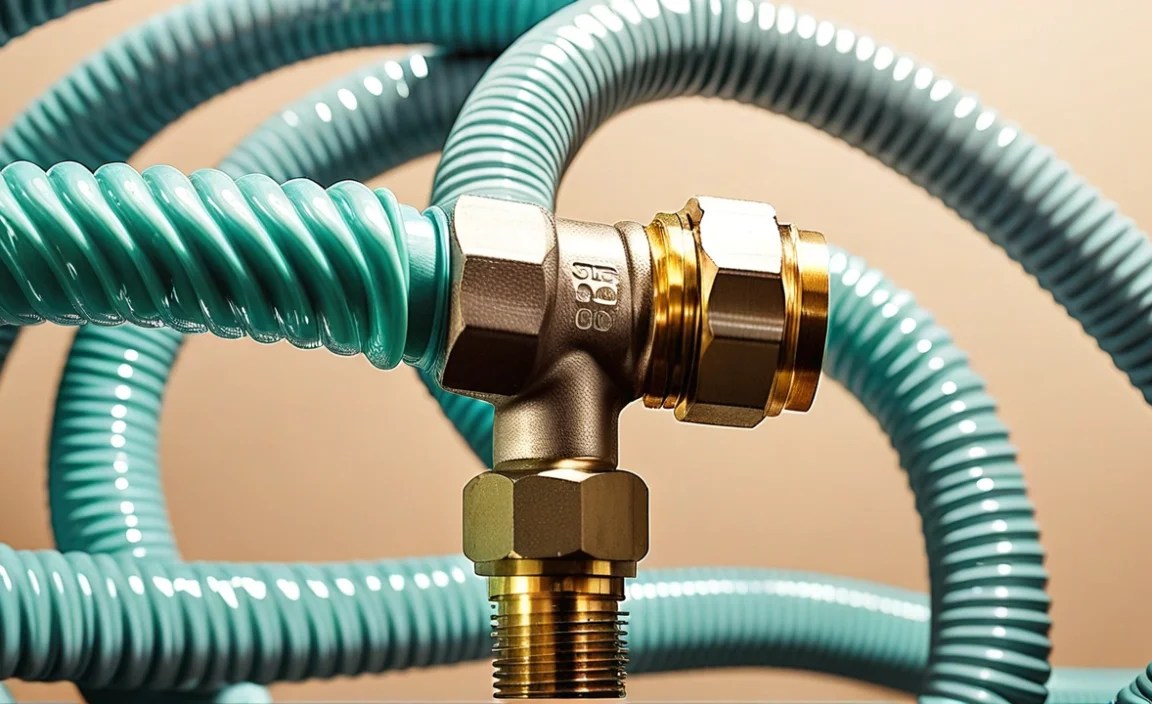
Before diving into how to avoid over-tightening, let’s cover the basics of hose fittings. Knowing the different types and how they work will help you understand why proper tightening is so important.
Types of Hose Fittings
There are several types of hose fittings, each designed for specific applications. Here are some common ones:
- Threaded Fittings: These fittings use threads to create a seal. Common types include National Pipe Thread (NPT) and JIC (Joint Industry Council) fittings.
- Compression Fittings: These fittings use a compression nut and a sleeve (or ferrule) to create a seal when tightened.
- Push-to-Connect Fittings: These fittings allow you to simply push the hose into the fitting for a quick and secure connection.
- Barb Fittings: These fittings have a barbed end that is inserted into the hose, and a clamp is used to secure the hose to the fitting.
Materials Used in Hose Fittings
Hose fittings are made from various materials, each with its own properties and applications. Common materials include:
- Brass: Corrosion-resistant and suitable for water and gas applications.
- Stainless Steel: High strength and corrosion resistance, ideal for harsh environments and high-pressure applications.
- Plastic: Lightweight and corrosion-resistant, suitable for low-pressure applications.
- Aluminum: Lightweight and corrosion-resistant, often used in hydraulic systems.
Why Proper Tightening Matters
Properly tightening hose fittings is crucial for several reasons:
- Preventing Leaks: Correct torque ensures a tight seal, preventing leaks and loss of fluid or gas.
- Avoiding Damage: Over-tightening can damage the fitting, hose, or connected components, leading to premature failure.
- Ensuring Safety: Leaks can create hazardous conditions, especially with flammable or toxic substances.
- Maintaining System Performance: Proper sealing ensures optimal performance of the connected system, whether it’s a hydraulic, pneumatic, or fluid transfer system.
Tools You’ll Need

Having the right tools makes the job of tightening hose fittings much easier and more accurate. Here’s a list of essential tools:
- Wrenches: Use the correct size wrench for the fitting. Avoid adjustable wrenches if possible, as they can slip and damage the fitting. Opt for open-end or box-end wrenches.
- Torque Wrench: A torque wrench is essential for achieving the correct torque. It measures the amount of rotational force applied, ensuring the fitting is neither too loose nor too tight.
- Flare Nut Wrenches: These wrenches are designed specifically for flare nuts on hydraulic and brake lines. They have a box-end with a small opening to fit around the hose, providing a better grip and reducing the risk of rounding off the nut.
- Thread Sealant: Use thread sealant or Teflon tape on threaded fittings to help create a tight seal.
- Penetrating Oil: If you’re dealing with corroded or stuck fittings, penetrating oil can help loosen them before tightening.
- Clean Rags: Keep clean rags handy to wipe away any excess sealant or oil.
Step-by-Step Guide to Tightening Hose Fittings Correctly
Follow these steps to tighten hose fittings correctly and avoid over-tightening:
Step 1: Prepare the Fittings and Hoses
Before you start, make sure the fittings and hoses are clean and free from debris. Inspect the threads for any damage. If you’re using threaded fittings, apply thread sealant or Teflon tape.
- Clean the Threads: Use a wire brush to clean the threads of both the fitting and the hose. This removes any dirt or corrosion that could interfere with the seal.
- Inspect for Damage: Check for any signs of damage, such as stripped threads, cracks, or dents. Replace any damaged components.
- Apply Thread Sealant: For threaded fittings, apply a thin layer of thread sealant or wrap Teflon tape around the threads in the direction of the thread.
Step 2: Hand-Tighten the Fitting
Start by hand-tightening the fitting as much as possible. This helps align the threads and ensures the fitting is properly seated.
- Align the Fitting: Make sure the fitting is properly aligned with the hose.
- Hand-Tighten: Turn the fitting clockwise until it is snug. You should be able to tighten it by hand without using any tools.
Step 3: Use a Wrench to Tighten Further
Once the fitting is hand-tight, use a wrench to tighten it further. If you have a torque wrench, use it to tighten the fitting to the manufacturer’s specified torque. If you don’t have a torque wrench, tighten the fitting until it is snug, then add a quarter turn.
- Select the Right Wrench: Choose the correct size wrench for the fitting. Use an open-end or box-end wrench for standard fittings, and a flare nut wrench for flare nuts.
- Tighten to Specified Torque: If using a torque wrench, set it to the manufacturer’s specified torque and tighten the fitting until the wrench clicks.
- Tighten Without Torque Wrench: If you don’t have a torque wrench, tighten the fitting until it is snug, then add a quarter turn. This should be enough to create a tight seal without over-tightening.
Step 4: Check for Leaks
After tightening the fitting, check for leaks. If you’re working with a fluid system, turn on the system and look for any signs of leakage. If you’re working with a gas system, use a soap solution to check for leaks.
- Turn on the System: If you’re working with a fluid system, turn on the system and allow the fluid to flow through the hose.
- Inspect for Leaks: Look for any signs of leakage around the fitting. If you see any leaks, tighten the fitting slightly and check again.
- Use Soap Solution: If you’re working with a gas system, mix a solution of soap and water and apply it to the fitting. Look for bubbles, which indicate a leak.
Step 5: Make Adjustments if Necessary
If you find any leaks, make small adjustments to the fitting until the leak stops. Avoid over-tightening, as this can damage the fitting and cause it to leak.
- Tighten Slightly: If you find a leak, tighten the fitting slightly and check again.
- Avoid Over-Tightening: Be careful not to over-tighten the fitting, as this can damage it and cause it to leak.
- Replace if Damaged: If the fitting is damaged, replace it with a new one.
Understanding Torque Specifications
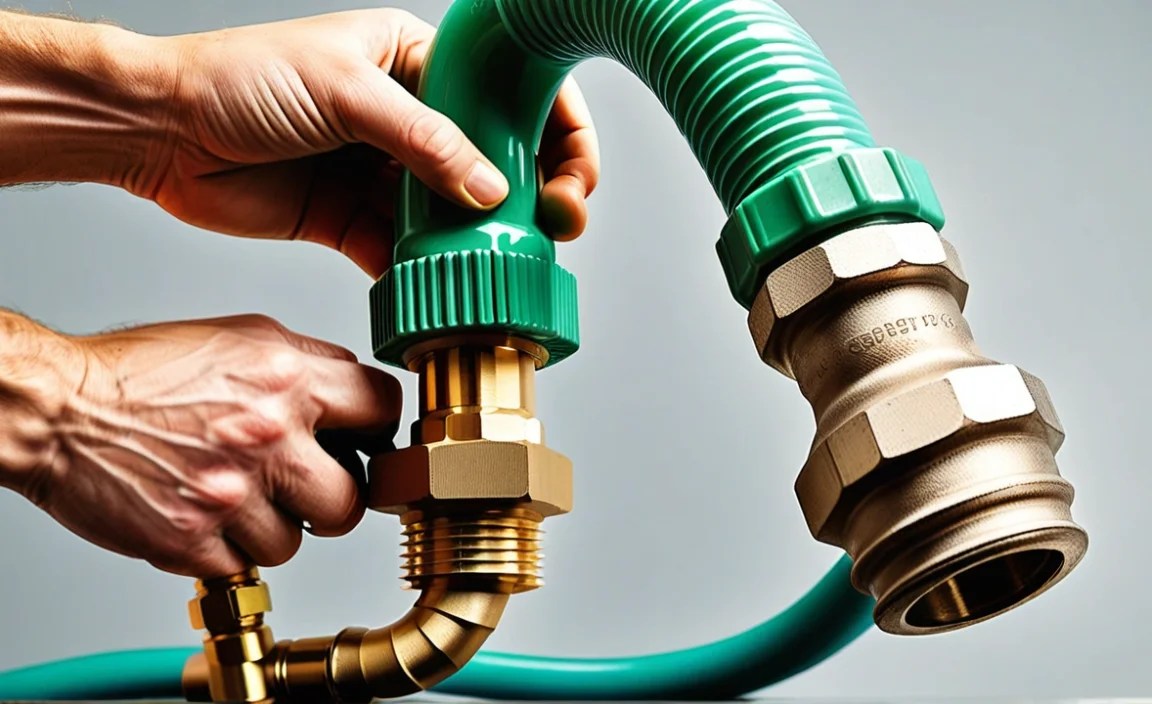
Torque specifications are crucial for achieving the correct tightness without over-tightening. Here’s what you need to know:
Why Torque Specs Matter
Torque specifications provide the exact amount of force needed to create a secure seal without damaging the fitting or hose. Following torque specs ensures consistent and reliable connections.
Finding Torque Specifications
You can usually find torque specifications in the manufacturer’s documentation for the fitting or the equipment it’s used on. Online resources and torque charts are also available.
- Manufacturer’s Documentation: Check the product manual or specification sheet for the fitting or equipment.
- Online Resources: Many websites provide torque charts and specifications for various types of fittings.
- Torque Charts: These charts provide recommended torque values based on fitting size, material, and application.
Using a Torque Wrench
A torque wrench is essential for applying the correct amount of torque. Here’s how to use one:
- Set the Torque: Adjust the torque wrench to the specified torque value.
- Apply Steady Pressure: Place the wrench on the fitting and apply steady pressure until the wrench clicks.
- Avoid Over-Tightening: Once the wrench clicks, stop applying pressure. Over-tightening can damage the fitting.
Common Mistakes to Avoid
Avoiding common mistakes can save you time and prevent damage. Here are some pitfalls to watch out for:
- Over-Tightening: This is the most common mistake. Over-tightening can damage the fitting, hose, and connected components.
- Using the Wrong Tools: Using the wrong size or type of wrench can damage the fitting.
- Ignoring Torque Specifications: Failing to follow torque specifications can lead to under- or over-tightening.
- Reusing Old Fittings: Old fittings may be corroded or damaged. Always use new fittings when possible.
- Not Cleaning the Threads: Dirt and debris on the threads can interfere with the seal.
Tips for Different Types of Hose Fittings
Different types of hose fittings require slightly different techniques. Here are some tips for common types:
Threaded Fittings
- Use Thread Sealant: Always use thread sealant or Teflon tape on threaded fittings to help create a tight seal.
- Tighten Gradually: Tighten the fitting gradually, checking for leaks as you go.
- Avoid Cross-Threading: Make sure the threads are properly aligned before tightening.
Compression Fittings
- Properly Seat the Sleeve: Make sure the sleeve (or ferrule) is properly seated on the hose before tightening.
- Tighten to Specified Torque: Follow the manufacturer’s specified torque for compression fittings.
- Avoid Over-Compressing: Over-compressing the fitting can damage the hose and cause leaks.
Push-to-Connect Fittings
- Ensure Proper Insertion: Make sure the hose is fully inserted into the fitting until it clicks.
- Check the Connection: Tug on the hose to ensure it is securely connected.
- Use the Correct Hose: Use the correct type and size of hose for the fitting.
Barb Fittings
- Use Clamps: Use clamps to secure the hose to the barb fitting.
- Choose the Right Clamp: Choose the right type and size of clamp for the hose and fitting.
- Tighten the Clamp: Tighten the clamp until it is snug, but avoid over-tightening.
Troubleshooting Leaks
Even with careful tightening, leaks can sometimes occur. Here’s how to troubleshoot them:
- Check the Fitting: Inspect the fitting for any signs of damage, such as cracks or corrosion.
- Tighten Slightly: If the fitting is not damaged, try tightening it slightly.
- Replace the Fitting: If the fitting is damaged or tightening doesn’t stop the leak, replace it with a new one.
- Check the Hose: Inspect the hose for any signs of damage, such as cracks or cuts.
- Replace the Hose: If the hose is damaged, replace it with a new one.
- Use Thread Sealant: If you’re working with a threaded fitting, apply thread sealant or Teflon tape to the threads.
Hose Fitting Torque Table
Use the below table to get an idea of common torque values. Always refer to the manufacturer’s documentation for the most accurate specifications.
| Fitting Type | Size | Torque (ft-lbs) |
|---|---|---|
| NPT (Steel) | 1/4″ | 10-12 |
| NPT (Steel) | 1/2″ | 20-25 |
| NPT (Brass) | 1/4″ | 7-9 |
| NPT (Brass) | 1/2″ | 15-18 |
| JIC (Steel) | 1/4″ | 12-15 |
| JIC (Steel) | 1/2″ | 30-35 |
Recommended Torque Values by Material Type
Use the below table to get an idea of recommended torque values based on material type. Always refer to the manufacturer’s documentation for the most accurate specifications.
| Material Type | Fitting Size | Recommended Torque (Nm) |
|---|---|---|
| Brass | 1/4″ | 8-10 |
| Brass | 1/2″ | 20-25 |
| Stainless Steel | 1/4″ | 15-20 |
| Stainless Steel | 1/2″ | 35-40 |
| Aluminum | 1/4″ | 5-7 |
| Aluminum | 1/2″ | 12-15 |
FAQ: Avoiding Over-Tightening Hose Fittings
Here are some frequently asked questions about avoiding over-tightening hose fittings:
- What happens if I over-tighten a hose fitting?
- Over-tightening can damage the fitting, strip the threads, and cause leaks. It can also damage the hose itself, leading to premature failure.
- Can I use Teflon tape on all types of hose fittings?
- Teflon tape is best used on threaded fittings. It’s not necessary for compression or push-to-connect fittings, which rely on different sealing mechanisms.
- How do I know if I’ve tightened a fitting enough without a torque wrench?
- Tighten the fitting until it is snug, then add a quarter turn. This should be enough to create a tight seal without over-tightening.
- What should I do if a fitting is leaking after tightening it?
- First, try tightening the fitting slightly. If it continues to leak, inspect the fitting and hose for damage. If necessary, replace the fitting or hose.
- Are there any special considerations for tightening fittings in cold weather?
- Cold weather can make fittings more brittle. Tighten them gradually and avoid over-tightening. It’s also a good idea to warm up the fittings slightly before tightening.
- Is it okay to reuse old hose fittings?
- It’s generally not recommended to reuse old hose fittings, especially if they show signs of corrosion or damage. New fittings ensure a reliable seal and prevent leaks.
- What type of wrench is best for tightening hose fittings?
- Use an open-end or box-end wrench for standard fittings, and a flare nut wrench for flare nuts. Avoid adjustable wrenches, as they can slip and damage the fitting.
Conclusion
Avoiding over-tightening hose fittings is a simple but crucial skill for anyone working with fluid or gas systems. By using the right tools, following torque specifications, and avoiding common mistakes, you can ensure leak-free connections and prevent damage to your equipment. Remember to take your time, double-check your work, and always prioritize safety. With these tips, you’ll be able to confidently tackle any hose fitting project and keep your systems running smoothly. Happy wrenching!


