
How to Use Hose Adapter for Presta Valve: Easy Guide

Quick Summary:
Using a hose adapter for a Presta valve is simple! First, identify the correct adapter (usually a small, dual-ended piece). Screw the adapter onto the Presta valve, ensuring it’s snug but not too tight. Then, attach your standard Schrader pump head to the adapter. Inflate to your desired pressure. Remove the pump head and then the adapter. You’re all set to ride!
Ever struggled to pump up your bike tires because your pump doesn’t fit your Presta valve? It’s a common frustration for cyclists. Presta valves, often found on road and high-performance bikes, require a different type of pump head than the standard Schrader valve. But don’t worry! A simple hose adapter can bridge the gap, allowing you to use a regular pump. This guide will walk you through the process step-by-step, so you can get back on the road quickly and easily. Let’s get started!
Understanding Presta Valves and Adapters

Before diving into the “how-to,” let’s clarify what Presta valves are and why you might need an adapter.
What is a Presta Valve?
A Presta valve is a narrow valve commonly found on higher-end bicycles, such as road bikes, mountain bikes, and some hybrid bikes. It’s designed to handle higher pressures and is generally considered more reliable than Schrader valves.
- Narrower Design: Presta valves are slimmer, requiring a smaller hole in the rim.
- Higher Pressure: They can handle higher tire pressures, often exceeding 120 PSI.
- Locking Nut: A small nut at the tip needs to be unscrewed to allow inflation and deflation.
Why Use a Hose Adapter?
Many standard bike pumps and air compressors are designed for Schrader valves, the type found on car tires. A Presta-to-Schrader adapter allows you to use these pumps on your Presta valve tubes.
- Convenience: Use readily available pumps at gas stations or with friends.
- Cost-Effective: Avoid buying a separate pump specifically for Presta valves.
- Versatility: One pump can handle both Schrader and Presta valves.
Tools and Materials You’ll Need

The good news is, you don’t need much! Here’s a quick rundown:
- Presta Valve Adapter: These are small, inexpensive, and readily available at bike shops or online.
- Bike Pump (Schrader Compatible): A standard bike pump with a Schrader valve head.
- Your Bike with Presta Valve Tubes: Obviously!
Step-by-Step Guide: Using a Hose Adapter for a Presta Valve
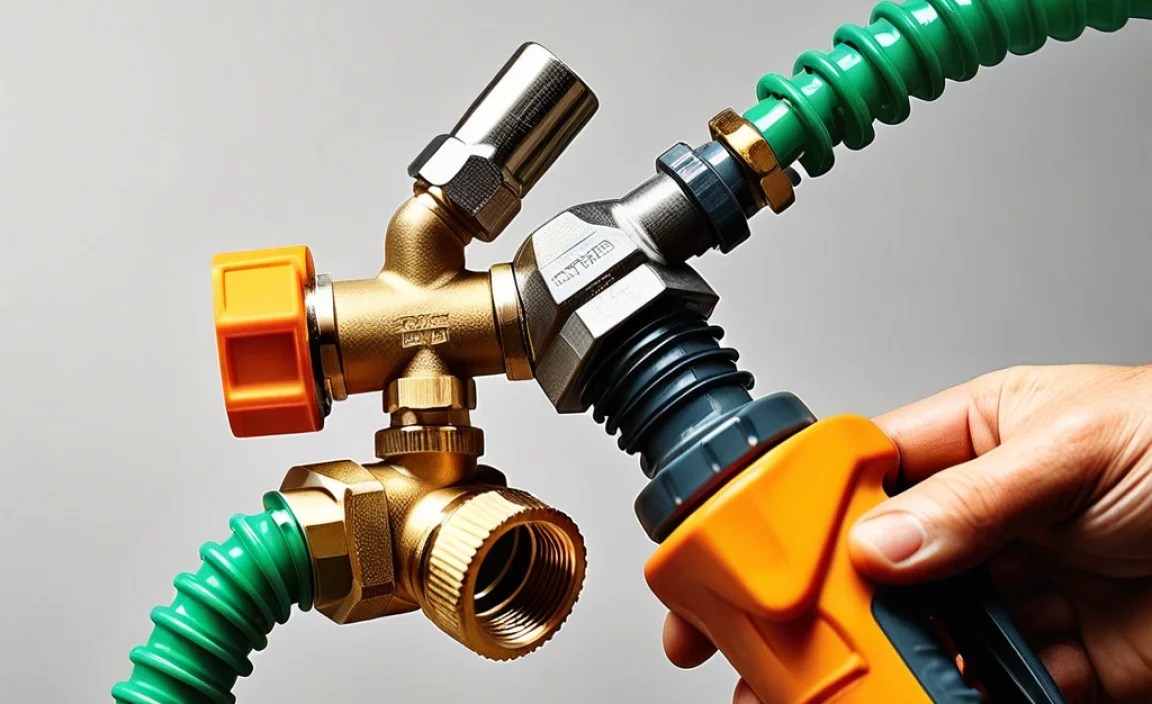
Here’s the simple process broken down into easy-to-follow steps:
Step 1: Prepare the Presta Valve
First, locate the Presta valve on your bike tire. Unscrew the small nut at the tip of the valve stem. This unlocks the valve and allows air to flow in or out.
Pro Tip: Gently push the valve core down a couple of times to ensure it’s not stuck. This also helps to initially break the seal.
Step 2: Attach the Presta Valve Adapter
Now, screw the Presta valve adapter onto the valve stem. Turn it clockwise until it’s snug. Don’t overtighten it, as this could damage the valve.
Important: Ensure the adapter is securely attached to prevent air leakage during inflation.
Step 3: Attach the Pump Head
Next, attach the Schrader pump head to the adapter. Make sure it’s firmly connected to create a tight seal. You should hear a slight hissing sound as the pump head engages.
Note: Some pump heads have a lever that needs to be flipped to lock onto the valve. Ensure this lever is engaged.
Step 4: Inflate the Tire
Begin pumping air into the tire. Use the pressure gauge on your pump to monitor the inflation level. Inflate to the recommended pressure indicated on the tire sidewall.
Safety First: Never exceed the maximum pressure listed on your tire. Overinflation can cause blowouts.
Step 5: Remove the Pump Head and Adapter
Once you’ve reached the desired pressure, carefully remove the pump head from the adapter. Then, unscrew the adapter from the Presta valve.
Quick Tip: Some air might escape when removing the adapter. This is normal and won’t significantly affect the tire pressure.
Step 6: Secure the Presta Valve
Finally, screw the small nut back onto the tip of the Presta valve stem. This helps to prevent dirt and debris from entering the valve and keeps it from rattling.
Maintenance: Periodically check the valve nut to ensure it’s tight. A loose nut can lead to air leaks.
Troubleshooting Common Issues

Even with clear instructions, you might encounter a few hiccups. Here’s how to handle them:
Air Leaking
If you hear air leaking while pumping, check the following:
- Adapter Connection: Ensure the adapter is tightly screwed onto the Presta valve.
- Pump Head Seal: Make sure the pump head is securely attached to the adapter.
- Valve Core: The Presta valve core might be loose. Tighten it with a valve core tool if necessary.
Adapter Won’t Fit
If the adapter doesn’t seem to fit properly, consider these points:
- Adapter Type: Ensure you have the correct type of adapter (Presta to Schrader).
- Valve Obstruction: Check for any debris or damage on the Presta valve that might be preventing the adapter from seating properly.
Pump Not Registering Pressure
If the pump isn’t registering any pressure, try these solutions:
- Pump Functionality: Ensure your pump is working correctly by testing it on a Schrader valve.
- Valve Core: The Presta valve core might be stuck. Gently push it down a few times to loosen it.
Choosing the Right Presta Valve Adapter
Not all adapters are created equal. Here’s what to look for when selecting one:
Material
Adapters are typically made of brass or aluminum. Brass is durable and corrosion-resistant, while aluminum is lightweight. Both are good choices, but brass tends to last longer.
Size and Compatibility
Ensure the adapter is specifically designed for Presta to Schrader conversion. Some adapters might be too short or too wide, leading to air leaks.
Ease of Use
Opt for an adapter that is easy to screw on and off. Some adapters have knurled surfaces for better grip.
Maintaining Your Presta Valves and Adapters
Proper maintenance can extend the life of your Presta valves and adapters:
Regular Cleaning
Periodically clean the Presta valves and adapters with a dry cloth to remove dirt and debris. This helps to maintain a good seal.
Storage
Store the adapter in a safe place when not in use. A small bag or container can prevent it from getting lost or damaged.
Inspection
Regularly inspect the Presta valves for signs of damage, such as cracks or bends. Replace them if necessary.
Benefits of Using Presta Valves
While they might seem a bit more complicated than Schrader valves, Presta valves offer several advantages:
- Higher Pressure Capability: Ideal for road bikes requiring high tire pressures.
- Lighter Weight: Presta valves are slightly lighter than Schrader valves.
- Aesthetic Appeal: Their narrow design can look more streamlined on high-end bikes.
Pros and Cons of Using a Hose Adapter
Here’s a quick overview of the advantages and disadvantages of using a hose adapter:
| Pros | Cons |
|---|---|
| Allows you to use standard Schrader pumps | Requires an additional part that can be lost |
| Cost-effective alternative to buying a Presta-specific pump | Adds a potential point of failure (air leakage) |
| Convenient for using pumps at gas stations | Can be slightly more cumbersome than using a dedicated Presta pump |
Alternatives to Using a Hose Adapter
If you’re not a fan of using adapters, here are some other options:
Presta-Specific Pumps
These pumps are designed specifically for Presta valves and offer a more direct and efficient inflation method. They often come with pressure gauges and ergonomic handles.
Dual-Head Pumps
Some pumps feature a dual head that can accommodate both Schrader and Presta valves. These pumps are versatile and eliminate the need for an adapter.
Threaded CO2 Inflators
CO2 inflators provide a quick and convenient way to inflate tires on the go. They use small cartridges of compressed carbon dioxide to fill the tire in seconds.
Advanced Tips for Tire Inflation
Here are some additional tips to optimize your tire inflation process:
Check Tire Pressure Regularly
Tire pressure can decrease over time, so it’s essential to check it regularly. Use a reliable pressure gauge to ensure accurate readings. The REI Expert Advice section has great tips for choosing the correct tire pressure.
Adjust Pressure Based on Riding Conditions
Consider adjusting your tire pressure based on the type of riding you’ll be doing. Lower pressures can provide better traction on rough terrain, while higher pressures can improve efficiency on smooth roads.
Use a Floor Pump for Accuracy
Floor pumps are more accurate and easier to use than hand pumps. They provide a stable platform and allow you to inflate tires to precise pressures.
Choosing the Right Bike Pump
Selecting the right bike pump can make a significant difference in your cycling experience. Here’s what to consider:
Type of Pump
- Floor Pump: Ideal for home use, offering high pressure and accuracy.
- Hand Pump: Portable and convenient for on-the-go inflation.
- Mini Pump: Compact and lightweight, perfect for carrying on rides.
Pressure Gauge
A built-in pressure gauge is essential for accurate inflation. Look for a gauge that is easy to read and provides precise measurements.
Valve Compatibility
Ensure the pump is compatible with both Schrader and Presta valves. Some pumps have a switchable head, while others require adapters.
Build Quality
Choose a pump made from durable materials that can withstand regular use. Look for features like a sturdy base, ergonomic handle, and robust construction.
Understanding Tire Pressure
Maintaining the correct tire pressure is crucial for performance, comfort, and safety.
Recommended Pressure Range
The recommended pressure range is typically printed on the tire sidewall. Stay within this range to avoid blowouts or poor handling.
Factors Affecting Tire Pressure
Several factors can influence the ideal tire pressure, including:
- Rider Weight: Heavier riders may need higher pressures.
- Tire Width: Wider tires can handle lower pressures.
- Road Conditions: Rough roads may benefit from lower pressures.
Benefits of Correct Tire Pressure
Maintaining the correct tire pressure offers several benefits:
- Improved Rolling Resistance: Optimal pressure reduces friction and increases speed.
- Enhanced Comfort: Proper inflation absorbs bumps and vibrations.
- Increased Tire Lifespan: Correct pressure prevents premature wear and tear.
Safety Tips for Inflating Tires
Follow these safety tips to avoid accidents and injuries:
- Never Exceed Maximum Pressure: Overinflation can cause tire blowouts.
- Inspect Tires Regularly: Check for cuts, bulges, or other signs of damage.
- Use a Reliable Pump: A faulty pump can lead to inaccurate inflation.
- Wear Eye Protection: Protect your eyes from debris or sudden tire failure.
FAQ: Using Hose Adapters for Presta Valves
1. Can I leave the Presta valve adapter on my bike all the time?
While you can, it’s generally not recommended. Leaving the adapter on can expose the valve to dirt and damage. It’s best to remove it after inflating your tires.
2. Are all Presta valve adapters the same size?
No, but most are standardized to fit standard Presta valves and Schrader pump heads. However, it’s always a good idea to check compatibility before purchasing.
3. What if my Presta valve is bent or damaged?
A bent or damaged Presta valve can cause air leaks and make inflation difficult. It’s best to replace the tube or valve core as soon as possible.
4. Can I use a car air compressor with a Presta valve adapter?
Yes, you can, but be very careful. Car compressors can deliver air very quickly, making it easy to overinflate your tires. Use short bursts and monitor the pressure closely.
5. How often should I check my tire pressure?
It’s a good practice to check your tire pressure before each ride, especially if you haven’t ridden in a few days. Tires can lose pressure over time, affecting performance and safety.
6. What is the ideal tire pressure for my road bike?
The ideal tire pressure depends on several factors, including your weight, tire width, and riding conditions. Consult the tire sidewall for the recommended pressure range.
7. Can I use a tubeless tire with a Presta valve?
Yes, tubeless tires typically use Presta valves. However, make sure the valve is compatible with tubeless setups, as some valves have removable cores for sealant injection.
Conclusion
Using a hose adapter for a Presta valve is a simple and effective way to inflate your bike tires with a standard Schrader pump. By following these step-by-step instructions, you can easily maintain your tire pressure and enjoy a smooth and safe ride. Remember to choose the right adapter, maintain your valves, and check your tire pressure regularly. With a little practice, you’ll be a pro at inflating Presta valves in no time! Now get out there and enjoy the ride!


