
How to Seal Hose Joints with Teflon Tape: Smart Guide

To seal hose joints with Teflon tape, start by cleaning the threads. Wrap the tape clockwise, overlapping by half, two to three times. Tighten the joint securely but avoid over-tightening to prevent damage. This creates a waterproof seal, preventing leaks in plumbing or bicycle pumps.
Ever dealt with a leaky hose connection? It’s a common frustration, whether you’re working on your bike pump, garden hose, or home plumbing. A simple solution is using Teflon tape, also known as PTFE tape or plumber’s tape. This inexpensive tape creates a watertight seal, stopping leaks quickly and easily.
In this guide, I’ll walk you through the steps to properly seal hose joints with Teflon tape. I’ll share my experience from years of bike maintenance to ensure a leak-free connection every time. By the end, you’ll have the confidence to tackle these repairs yourself, saving time and money.
What You’ll Need
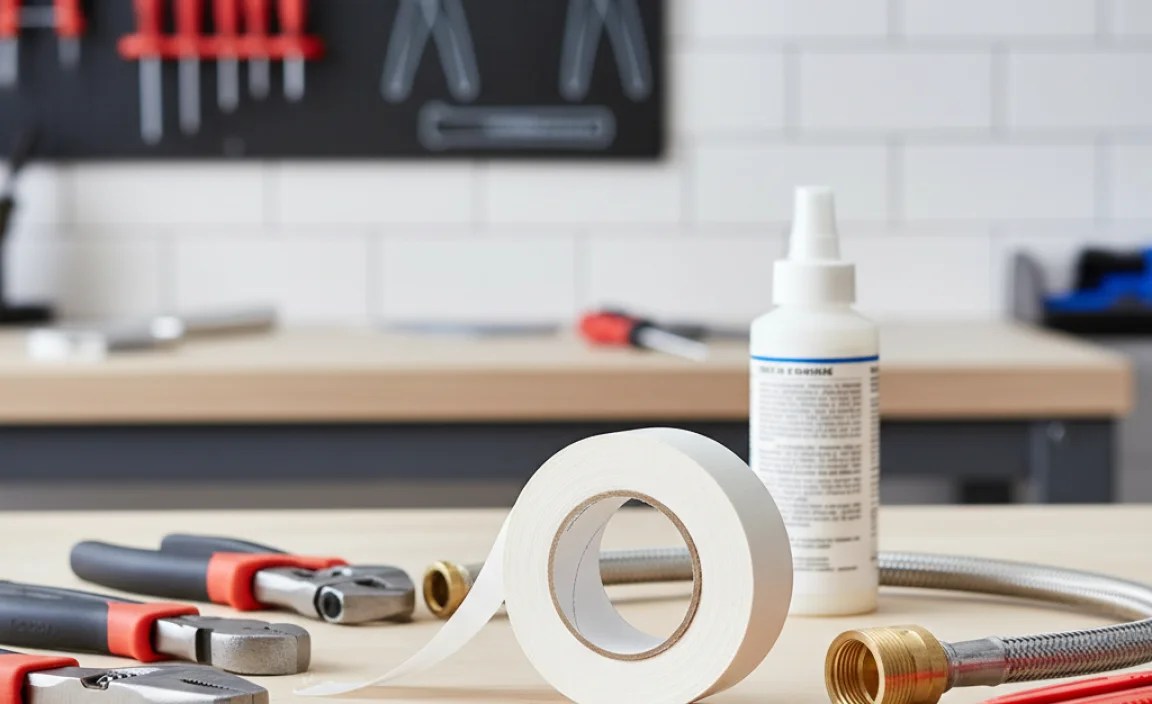
- Teflon Tape (PTFE Tape): Standard white Teflon tape is suitable for most applications.
- Clean Cloth or Brush: To clean the hose threads.
- Hose Joint or Connector: The male-threaded end you’re sealing.
- Wrench or Pliers (Optional): For tightening the connection.
Step-by-Step Guide: Sealing Hose Joints with Teflon Tape

Step 1: Prepare the Hose Joint
Before applying Teflon tape, ensure the threads on the male end of the hose joint are clean and dry. Use a clean cloth or brush to remove any dirt, old tape, or debris. A clean surface ensures the Teflon tape adheres properly, creating a better seal.
Step 2: Applying the Teflon Tape
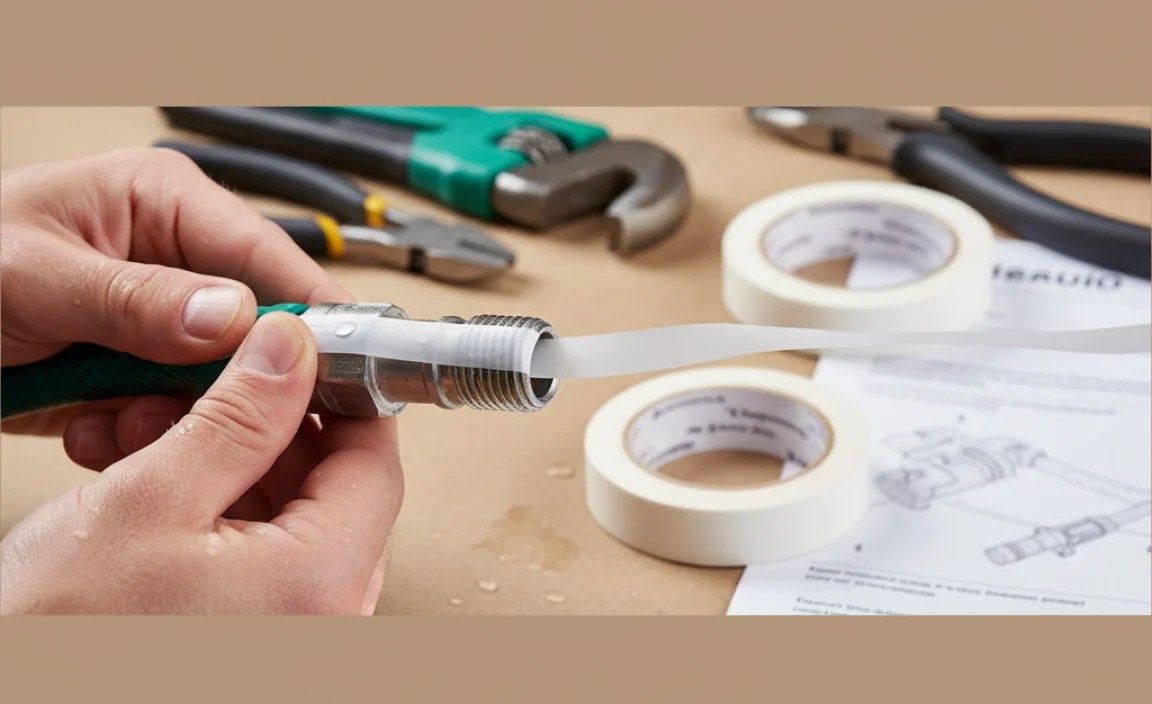
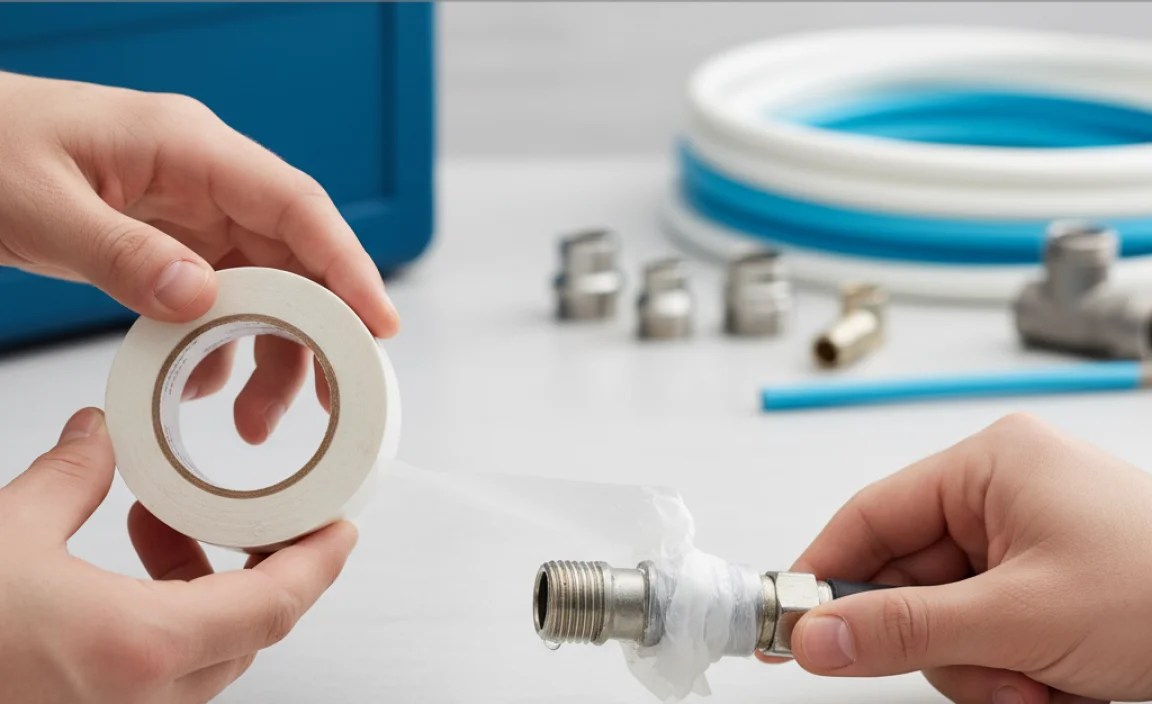
Hold the hose joint with the male threads facing you. Grasp the end of the Teflon tape and align it with the beginning of the threads. Wrap the tape clockwise around the threads, overlapping each layer by about half. Apply the tape with moderate tension, which helps it conform to the threads. Apply two to three layers of Teflon tape for optimal sealing.
Why clockwise? Wrapping in the direction the fitting screws on prevents the tape from unwinding during assembly.
Step 3: Trimming the Excess Tape
After wrapping the threads, trim any excess Teflon tape with your fingers or scissors. Press the end of the tape firmly onto the threads to ensure it’s secure and won’t unravel. This creates a smooth, even surface for a better seal.
Step 4: Connecting the Hose Joint
Carefully align the male-threaded end with the female-threaded end of the connection. Begin tightening the joint by hand, ensuring the threads align properly. Once hand-tight, use a wrench or pliers to tighten the connection further. Be careful not to over-tighten, which can damage the threads or the fitting itself. A snug fit is usually sufficient to create a watertight seal.
Step 5: Testing the Seal
After tightening the hose joint, test the seal by running water or air through the hose. Check for any leaks around the connection. If you notice any leaks, tighten the joint slightly more. If the leak persists, disassemble the joint, apply fresh Teflon tape, and repeat the process.
Tips for a Perfect Seal
- Use Quality Teflon Tape: Thicker, higher-quality tape provides a better seal and lasts longer.
- Proper Overlap: Overlapping the tape by half ensures full coverage of the threads.
- Avoid Over-Tightening: Over-tightening can damage the threads and cause leaks.
- Inspect Regularly: Periodically check hose connections for leaks and reapply Teflon tape as needed.
When to Replace Teflon Tape
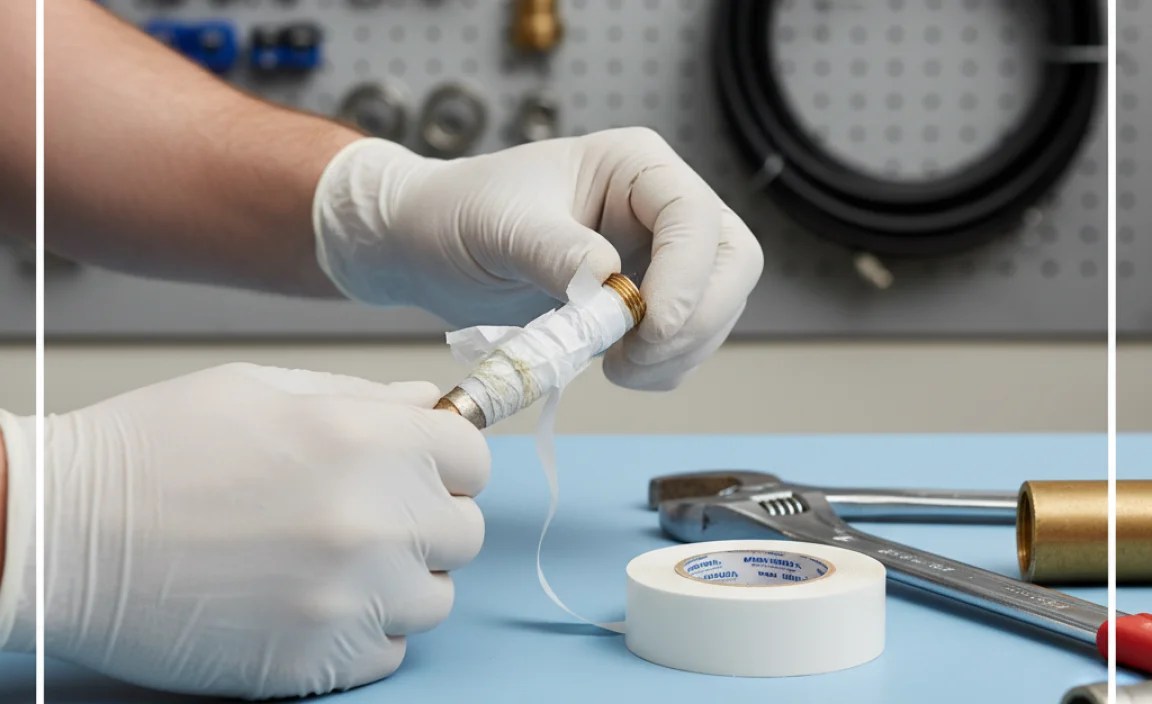
Teflon tape should be replaced whenever you disconnect a hose joint. Over time, the tape can degrade, lose its sealing properties, or become contaminated. Replacing the tape ensures a fresh, reliable seal every time you reconnect the joint.
Troubleshooting Common Issues
- Leaks persist after applying Teflon tape: Ensure the threads are clean and free of damage. Apply additional layers of Teflon tape, and tighten the joint properly.
- Tape unravels during installation: Apply the tape with sufficient tension and press the end firmly onto the threads before connecting the joint.
- Joint is difficult to tighten: Check for cross-threading or damage to the threads. Clean the threads thoroughly and apply a small amount of lubricant if necessary.
Table: Comparing Teflon Tape Grades
| Tape Grade | Density | Thickness | Common Use |
|---|---|---|---|
| Standard | Low | 0.0035 inches | General plumbing, bicycle pumps |
| High-Density | Medium | 0.004 inches | Higher pressure applications |
| Plumber’s Grade | High | 0.005 inches | Professional plumbing, gas lines |
Teflon Tape vs. Pipe Dope
While both Teflon tape and pipe dope (also known as thread sealant) are used to seal threaded connections, they have different applications and advantages. Teflon tape is clean, easy to apply, and suitable for a wide range of materials. Pipe dope provides a more robust seal, especially for larger diameter pipes or connections exposed to high pressure or vibration. However, it can be messier to apply and may not be compatible with all materials. [https://www.familyhandyman.com/article/pipe-dope-vs-teflon-tape/ Family Handyman]
Table: Teflon Tape vs. Pipe Dope
| Feature | Teflon Tape | Pipe Dope |
|---|---|---|
| Ease of Application | Easy, clean | Messy, requires a brush |
| Suitable Materials | Wide range | Limited compatibility |
| Pressure Resistance | Low to medium | High |
| Vibration Resistance | Low | High |
| Best For | Small fittings, DIY projects | Large pipes, professional use |
FAQ: Sealing Hose Joints with Teflon Tape
What is Teflon tape, and why is it used?
Teflon tape, or PTFE tape, is a thin, white tape used to seal threaded pipe joints. It creates a watertight seal by filling the gaps between threads, preventing leaks.
How many layers of Teflon tape should I apply?
Apply two to three layers of Teflon tape for optimal sealing. Overlapping each layer by half ensures full coverage of the threads.
Can I reuse Teflon tape?
No, Teflon tape should not be reused. Always apply fresh tape when reconnecting a joint to ensure a reliable seal.
What direction should I wrap Teflon tape?
Wrap Teflon tape clockwise around the threads, as you look at the end of the fitting. This prevents the tape from unwinding when you tighten the joint.
Is Teflon tape suitable for all types of hose connections?
Teflon tape is suitable for most types of hose connections, including plumbing, bicycle pumps, and garden hoses. However, for high-pressure or critical applications, consider using pipe dope.
What happens if I over-tighten a joint with Teflon tape?
Over-tightening can damage the threads or the fitting itself, leading to leaks. Tighten the joint snugly, but avoid excessive force.
Can I use Teflon tape on plastic fittings?
Yes, Teflon tape is safe to use on plastic fittings. However, be extra careful not to over-tighten, as plastic is more susceptible to damage than metal.
Conclusion
Sealing hose joints with Teflon tape is a simple yet effective way to prevent leaks and ensure a secure connection. By following these steps and tips, you can confidently tackle various plumbing and bicycle maintenance tasks. Remember to prepare the joint properly, apply the tape correctly, and avoid over-tightening. Regular inspection and maintenance will keep your connections leak-free and your equipment running smoothly. With a little practice, you’ll master this essential skill, saving time and money on repairs. Happy sealing!


