
How to Easily Attach Hose Quick Connector

Attaching a hose quick connector is simple! Just push the connector onto the hose, tighten the clamp or collar, and you’re done. This allows you to quickly connect and disconnect hoses from various attachments like nozzles, sprinklers, and other hoses without twisting or struggling.
Ever wrestled with a garden hose, trying to screw it onto a spigot or switch between nozzles? It’s a common frustration, especially when you’re in a hurry to water your plants or wash your bike. Quick connectors are the answer! These handy devices let you snap hoses together and swap attachments in seconds, saving you time and effort.
This guide will walk you through the simple steps of attaching hose quick connectors. We’ll cover everything from choosing the right type of connector to ensuring a leak-proof fit. Get ready to say goodbye to hose-wrangling headaches!
Understanding Hose Quick Connectors
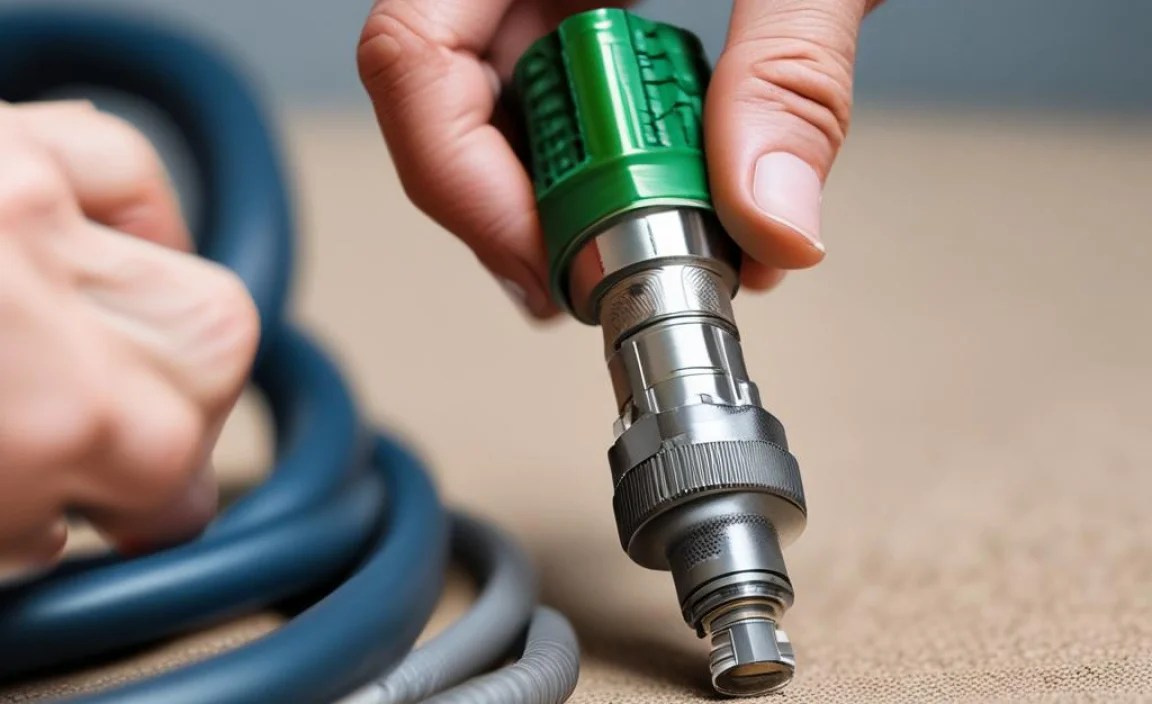
Before we dive into the how-to, let’s clarify what hose quick connectors are and why they’re so useful.
What are Hose Quick Connectors?
Hose quick connectors are two-piece systems that allow you to connect and disconnect hoses and attachments quickly and easily. One piece, the “male” connector, attaches to the hose. The other piece, the “female” connector, attaches to the spigot or attachment. They snap together to form a secure, leak-proof connection.
Benefits of Using Quick Connectors
- Saves Time: Connect and disconnect hoses in seconds.
- Easy to Use: Simple, intuitive design.
- Versatile: Compatible with various hoses and attachments.
- Prevents Twisting: Reduces kinks and tangles in your hose.
- Durable: Made from materials that can withstand regular use.
Types of Quick Connectors
Quick connectors come in various materials and designs. Here’s a quick overview:
- Brass: Durable and corrosion-resistant, ideal for heavy-duty use.
- Aluminum: Lightweight and rust-resistant.
- Plastic: Affordable and suitable for light-duty applications.
Consider the water pressure and frequency of use when choosing the material. Brass connectors are generally more durable and better suited for high-pressure situations.
Tools and Materials You’ll Need

Fortunately, attaching hose quick connectors doesn’t require a lot of tools. Here’s what you’ll need:
- Hose Quick Connector Set: Includes both male and female connectors.
- Hose Cutter or Utility Knife: For making a clean cut on the hose.
- Screwdriver or Pliers: Depending on the type of clamp.
- Gloves (Optional): To protect your hands.
Step-by-Step Guide: Attaching Hose Quick Connectors

Now, let’s get to the main event: attaching those quick connectors! Follow these steps for a secure and leak-proof connection.
Step 1: Prepare the Hose
Start by preparing the end of your hose. A clean, straight cut is essential for a good seal.
- Cut the Hose: Use a hose cutter or utility knife to make a clean, straight cut. If using a utility knife, be careful to avoid jagged edges.
- Remove Debris: Clear any debris or burrs from the cut end of the hose.
Step 2: Attach the Male Connector
The male connector usually attaches to the hose end.
- Loosen the Clamp or Collar: Most quick connectors have a clamp or collar that needs to be loosened before attaching to the hose. Use a screwdriver or pliers to loosen it.
- Insert the Hose: Push the hose firmly into the connector. Make sure it’s inserted all the way to the stop point inside the connector.
- Tighten the Clamp or Collar: Tighten the clamp or collar securely. This will create a tight seal and prevent leaks. Avoid over-tightening, which can damage the hose or connector.
Step 3: Attach the Female Connector
The female connector typically attaches to the spigot, nozzle, or another hose.
- Loosen the Clamp or Collar: Similar to the male connector, loosen the clamp or collar on the female connector.
- Insert the Hose: Push the hose firmly into the connector until it reaches the stop point.
- Tighten the Clamp or Collar: Tighten the clamp or collar securely to create a tight seal.
Step 4: Test the Connection
After attaching both connectors, it’s crucial to test the connection for leaks.
- Connect the Connectors: Snap the male and female connectors together.
- Turn on the Water: Slowly turn on the water supply.
- Check for Leaks: Inspect the connection points for any leaks. If you see leaks, tighten the clamps or collars further. If the leaks persist, double-check that the hose is fully inserted and that the cut is clean.
Troubleshooting Common Issues
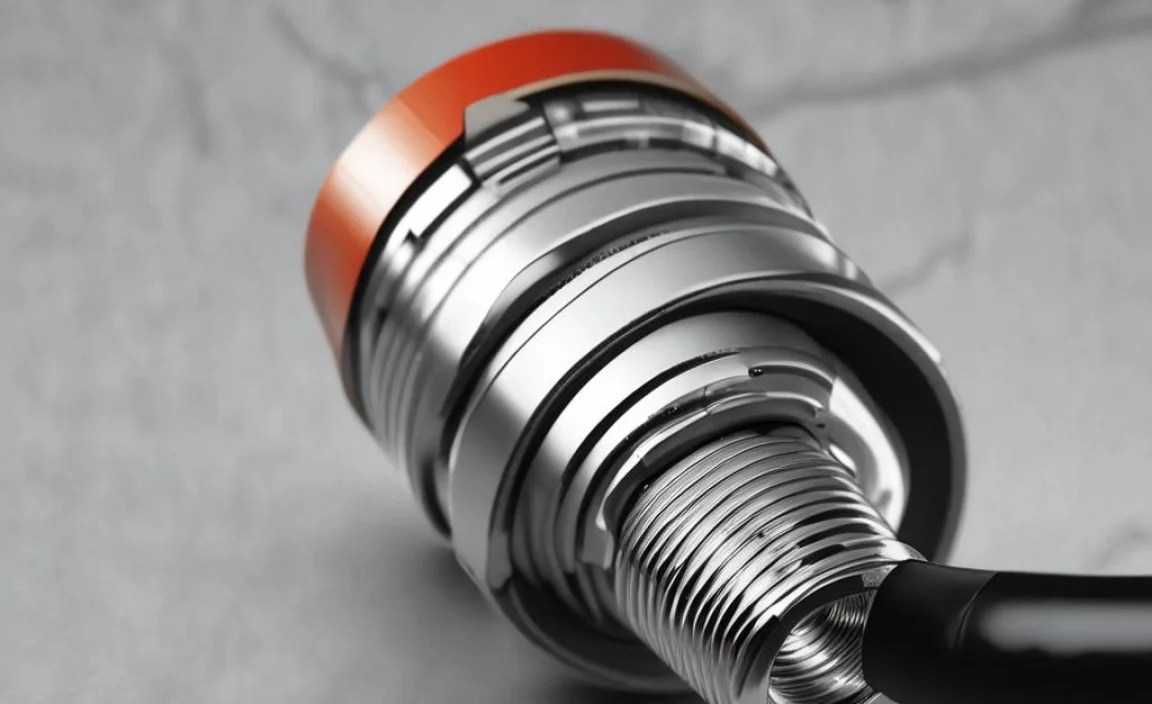
Even with careful installation, you might encounter a few issues. Here’s how to troubleshoot them:
Leaks at the Connection Point
- Tighten the Clamp: The most common cause of leaks is a loose clamp. Tighten it further, but be careful not to over-tighten.
- Check Hose Insertion: Ensure the hose is fully inserted into the connector.
- Inspect the Hose: Look for cracks or damage to the hose near the connection point. If the hose is damaged, cut off the damaged section and reattach the connector.
- Replace the Connector: If the connector itself is damaged, it may need to be replaced.
Connectors Won’t Connect
- Check for Obstructions: Make sure there’s no debris or dirt blocking the connection.
- Ensure Proper Alignment: The connectors need to be properly aligned to snap together.
- Lubricate the Connectors: A small amount of silicone grease can help the connectors slide together more easily.
Low Water Pressure
- Check for Kinks: Kinks in the hose can restrict water flow.
- Inspect the Hose: Look for any blockages inside the hose.
- Clean the Connectors: Debris inside the connectors can also reduce water pressure. Clean them out with a small brush or compressed air.
Tips for Maintaining Your Quick Connectors
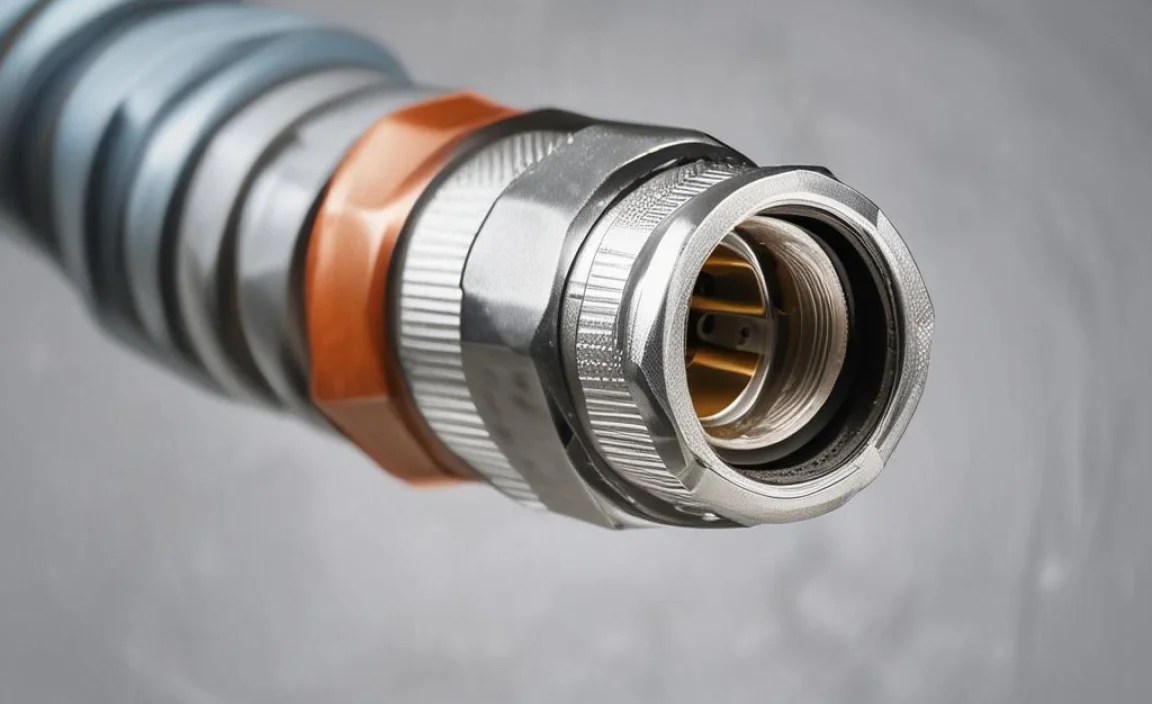
Proper maintenance can extend the life of your quick connectors and keep them working smoothly.
- Rinse After Use: Rinse the connectors with clean water after each use to remove dirt and debris.
- Store Properly: Store the connectors in a dry place away from direct sunlight.
- Lubricate Regularly: Apply a small amount of silicone grease to the moving parts of the connectors to keep them lubricated.
- Inspect Regularly: Check the connectors regularly for signs of wear or damage. Replace them if necessary.
Choosing the Right Quick Connector
Selecting the appropriate quick connector depends on several factors. Here’s a table to help you decide:
| Factor | Considerations | Recommendation |
|---|---|---|
| Material | Durability, corrosion resistance | Brass for heavy-duty, plastic for light-duty |
| Hose Diameter | Match connector size to hose size | Standard sizes: 1/2 inch, 5/8 inch, 3/4 inch |
| Water Pressure | Connector’s pressure rating | Choose connectors rated for your water pressure |
| Frequency of Use | How often will you use the connector? | Brass for frequent use, plastic for occasional use |
| Budget | Price vs. durability | Plastic is cheaper, brass is more expensive but lasts longer |
Quick Connector Safety
While quick connectors are generally safe, it’s essential to follow some safety precautions:
- Avoid Over-Tightening: Over-tightening the clamps can damage the hose or connector.
- Use Appropriate Connectors: Use connectors that are rated for your water pressure and hose size.
- Inspect Regularly: Check the connectors regularly for signs of wear or damage.
- Release Pressure Before Disconnecting: Turn off the water and release the pressure in the hose before disconnecting the connectors.
Quick Connector Brands
Several reputable brands offer high-quality quick connectors. Here are a few to consider:
- Gilmour: Known for durable and reliable connectors.
- Melnor: Offers a wide range of connectors for various applications.
- Gardena: Provides high-quality connectors with innovative designs.
- Orbit: Offers affordable and reliable connectors.
Quick Connector Applications
Quick connectors are incredibly versatile and can be used in a variety of applications:
- Gardening: Connecting hoses to spigots, sprinklers, and nozzles.
- Car Washing: Attaching hoses to spray guns and foam cannons.
- Power Washing: Connecting hoses to pressure washers.
- RVing: Connecting hoses to water sources at campgrounds.
- Boating: Connecting hoses to water pumps and washdown systems.
Advanced Tips and Tricks
Here are some advanced tips and tricks to get the most out of your quick connectors:
- Use Thread Seal Tape: Apply thread seal tape to the threads of the connectors for an extra layer of leak protection.
- Color-Code Your Connectors: Use different colored connectors for different hoses or applications to easily identify them.
- Create a Quick-Connect System: Install quick connectors on all your hoses and attachments for maximum convenience.
Hose Quick Connector vs. Traditional Connectors
Let’s compare quick connectors to traditional threaded connectors:
| Feature | Quick Connector | Traditional Connector |
|---|---|---|
| Connection Speed | Very Fast | Slow |
| Ease of Use | Easy | Can be difficult, especially with tight threads |
| Versatility | High | Limited |
| Leak Resistance | Good (when properly installed) | Good (when properly tightened) |
| Durability | Good (depending on material) | Good (depending on material) |
Frequently Asked Questions (FAQs)
1. Are quick connectors universal?
No, quick connectors are not entirely universal. They come in different sizes (e.g., 1/2 inch, 5/8 inch, 3/4 inch) to match standard hose diameters. Make sure to choose connectors that match the size of your hose.
2. Can I use quick connectors with hot water?
It depends on the type of connector. Some connectors are designed for cold water use only, while others can handle hot water. Check the manufacturer’s specifications before using quick connectors with hot water.
3. How do I remove a stuck quick connector?
Try lubricating the connector with silicone grease or penetrating oil. Gently wiggle the connector back and forth while pulling it apart. If it’s still stuck, use pliers to grip the connector and twist it gently.
4. Do quick connectors reduce water pressure?
High-quality quick connectors should not significantly reduce water pressure. However, cheap or poorly designed connectors may restrict water flow. Choose connectors from reputable brands to minimize pressure loss.
5. Can I use quick connectors for drinking water?
Use quick connectors specifically designed for potable water applications. These connectors are made from materials that are safe for contact with drinking water and will not leach harmful chemicals.
6. How long do quick connectors last?
The lifespan of quick connectors depends on the material, frequency of use, and maintenance. Brass connectors can last for many years with proper care, while plastic connectors may need to be replaced more frequently.
7. Are metal or plastic quick connectors better?
Metal connectors (especially brass) are more durable and corrosion-resistant, making them suitable for heavy-duty use and high-pressure applications. Plastic connectors are more affordable and lightweight, making them a good choice for light-duty applications.
Conclusion
Attaching hose quick connectors is a simple and effective way to streamline your watering and cleaning tasks. By following these steps and tips, you can enjoy the convenience and versatility of quick connectors without the frustration of leaks or connection problems. Remember to choose the right type of connector for your needs, maintain them properly, and always prioritize safety. With a little practice, you’ll be a quick connector pro in no time!


