
How to Seal Threads in Hand Pump Pipe: Easy Guide

Quick Summary: Sealing threads in your hand pump pipe is easy! First, clean the threads. Next, apply thread sealant tape or pipe dope evenly. Then, tighten the pipe fittings securely, but not too tight. This stops leaks and keeps your pump working great. You’ll be back to smooth pumping in no time!
Ever had a leaky hand pump pipe? It’s super frustrating! You pump and pump, but air escapes, and your tire stays flat. Don’t worry; it’s a common problem that’s easy to fix. With a few simple steps, you can seal those threads and get your pump working like new.
This guide will show you how to seal threads on your hand pump pipe like a pro. We’ll cover the tools you need, step-by-step instructions, and some helpful tips to avoid leaks. Let’s get started!
Understanding Thread Sealing
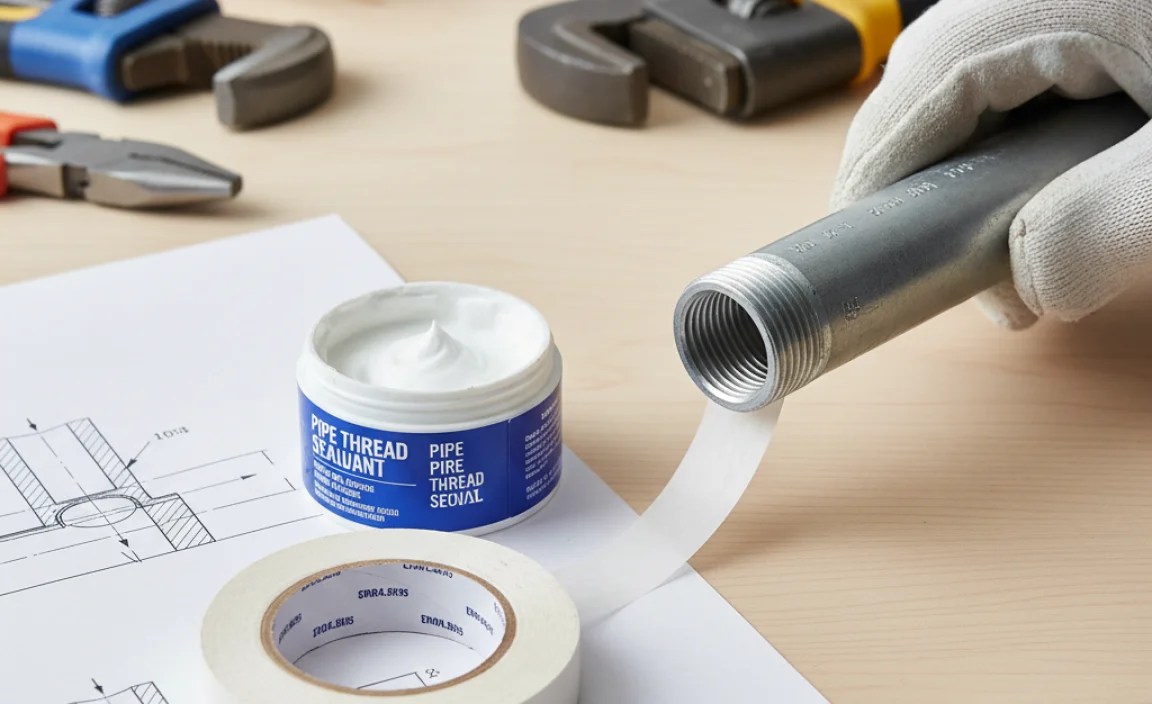
Before diving in, let’s understand why sealing threads is crucial. Threaded connections aren’t naturally airtight. The tiny gaps between the threads can let air or liquids escape. A thread sealant fills these gaps, creating a secure, leak-proof seal.
Types of Thread Sealants
There are two main types of thread sealants for hand pump pipes:
- Thread Sealant Tape (Teflon Tape): This is a thin, white tape that you wrap around the threads. It’s clean, easy to use, and works well for most applications.
- Pipe Dope (Thread Sealant Compound): This is a paste or liquid that you apply to the threads with a brush. It can provide a more robust seal, especially for metal pipes.
Choosing the Right Sealant
For most hand pump pipes, Teflon tape is the best choice. It’s clean, inexpensive, and easy to apply. Pipe dope can be used if you need a stronger seal or if you’re working with metal pipes.
Tools and Materials You’ll Need

Before you start, gather these tools and materials:
- Thread Sealant Tape or Pipe Dope
- Adjustable Wrench or Pipe Wrench
- Clean Cloth or Paper Towels
- Wire Brush or Old Toothbrush (for cleaning threads)
- Safety Glasses
- Gloves (optional)
Step-by-Step Guide to Sealing Threads
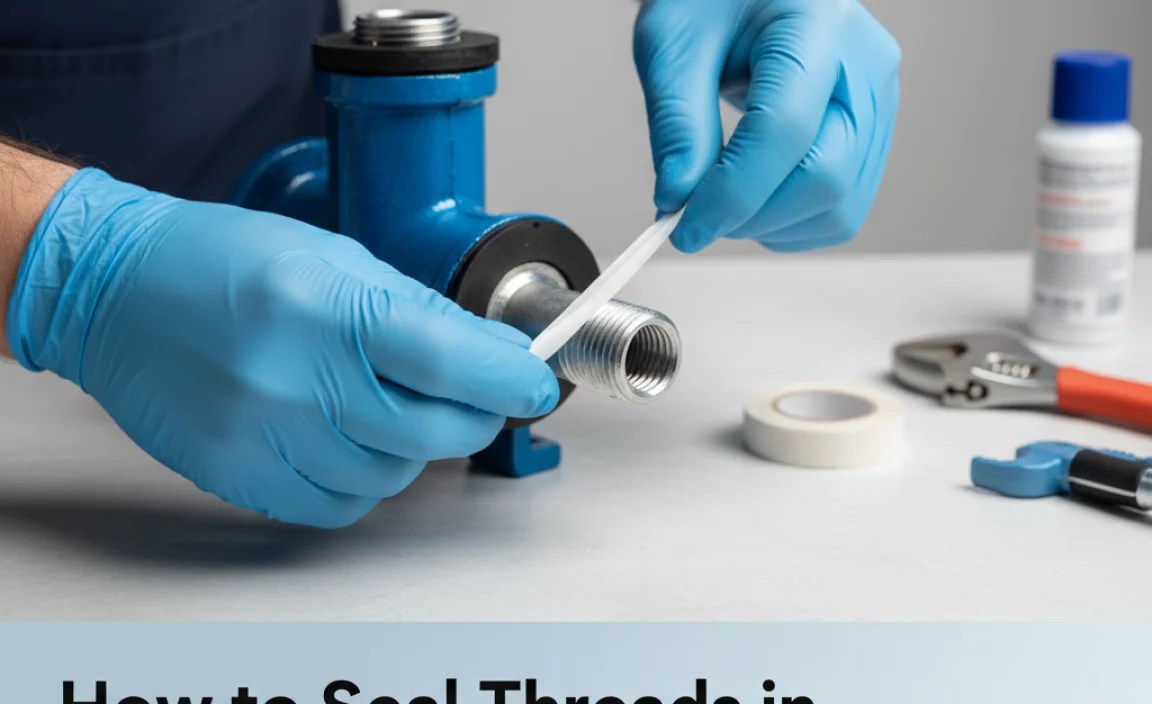
Follow these steps to seal the threads on your hand pump pipe:
Step 1: Prepare the Pipe
Start by disconnecting the pipe from the pump and any other fittings. Use your wrench to loosen the connections and carefully unscrew the pipe.
Step 2: Clean the Threads
Clean the threads on both the pipe and the fitting. Use a wire brush or old toothbrush to remove any dirt, rust, or old sealant. Wipe the threads clean with a cloth or paper towel.
Why is this important? Clean threads ensure the sealant adheres properly and creates a tight seal. Any debris can create gaps and cause leaks.
Step 3: Apply Thread Sealant Tape
If you’re using Teflon tape, follow these steps:
- Hold the end of the tape against the threads, about one thread back from the end of the pipe.
- Wrap the tape around the threads in a clockwise direction (as you look at the end of the pipe). Overlap each wrap by about half the width of the tape.
- Apply 2-3 layers of tape, pulling it tight as you wrap. This helps the tape conform to the threads.
- Tear the tape and press the end firmly against the threads.
Pro Tip: Wrap the tape in the opposite direction that you’ll be tightening the fitting. This prevents the tape from unwinding as you screw the pieces together.
Step 4: Apply Pipe Dope (if using)
If you’re using pipe dope, follow these steps:
- Dip the brush into the pipe dope.
- Apply a thin, even layer of dope to the threads. Make sure to cover all the threads completely.
- Avoid getting dope inside the pipe opening, as this can contaminate the air flow.
Pro Tip: Use pipe dope sparingly. Too much dope can make it difficult to tighten the fitting and can also attract dirt and debris.
Step 5: Reassemble the Pipe
Carefully screw the pipe back into the fitting. Tighten the connection with your wrench until it’s snug. Don’t overtighten, as this can damage the threads or the fitting.
How tight is tight enough? Tighten the fitting until it’s snug and you feel resistance. Then, give it another quarter turn. If you’re using metal fittings, you can tighten them a bit more. If you’re using plastic fittings, be careful not to overtighten, as they can crack.
Step 6: Test for Leaks
After reassembling the pipe, test for leaks. Pump up your tire and listen for any hissing sounds. You can also apply soapy water to the connection. If you see bubbles, there’s a leak.
What to do if you find a leak? If you find a leak, disconnect the pipe and repeat the sealing process. You may need to apply more sealant or tighten the fitting a bit more. Sometimes, a fresh application of Teflon tape is all it takes.
Troubleshooting Common Issues
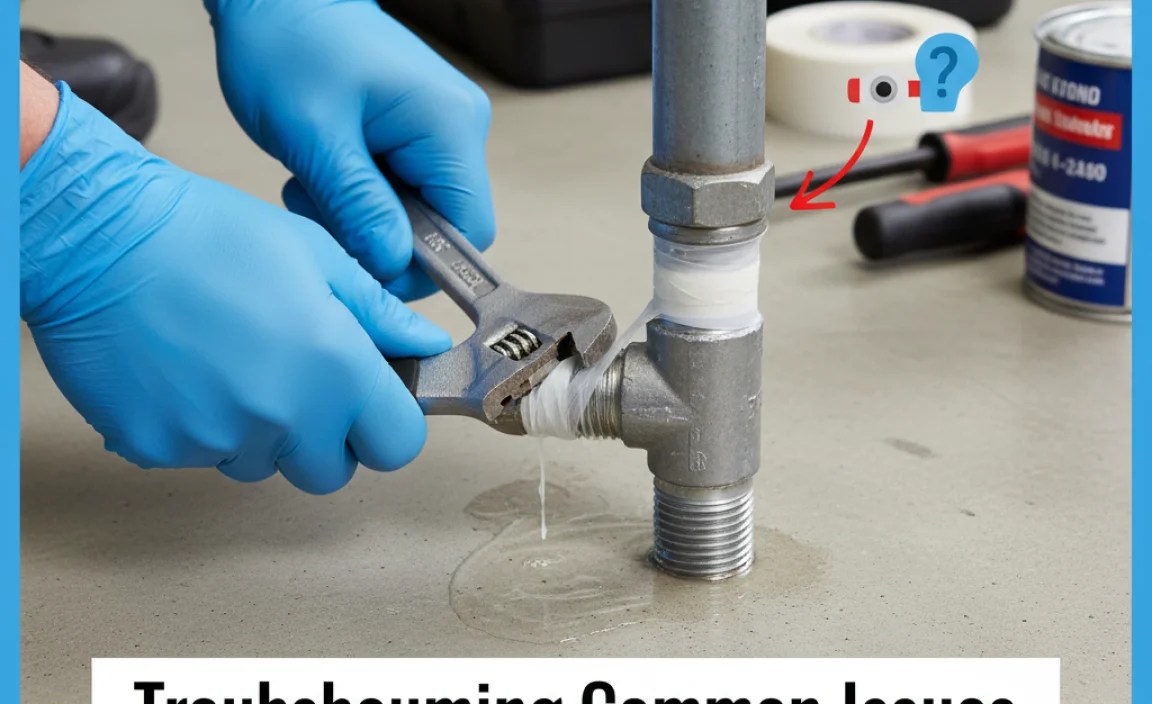
Here are some common issues you might encounter and how to fix them:
- Leaking Connection: This is the most common problem. Make sure you’ve cleaned the threads properly and applied enough sealant. Tighten the fitting securely, but don’t overtighten.
- Difficult to Tighten: If the fitting is difficult to tighten, you may have applied too much sealant. Disconnect the pipe and remove some of the sealant. Also, make sure the threads are properly aligned.
- Damaged Threads: If the threads are damaged, you may need to replace the pipe or fitting. Damaged threads can prevent a proper seal, no matter how much sealant you use.
- Incorrect Sealant: Ensure you’re using a sealant compatible with your pipe material. Some sealants can corrode or degrade certain materials.
Tips for Preventing Leaks
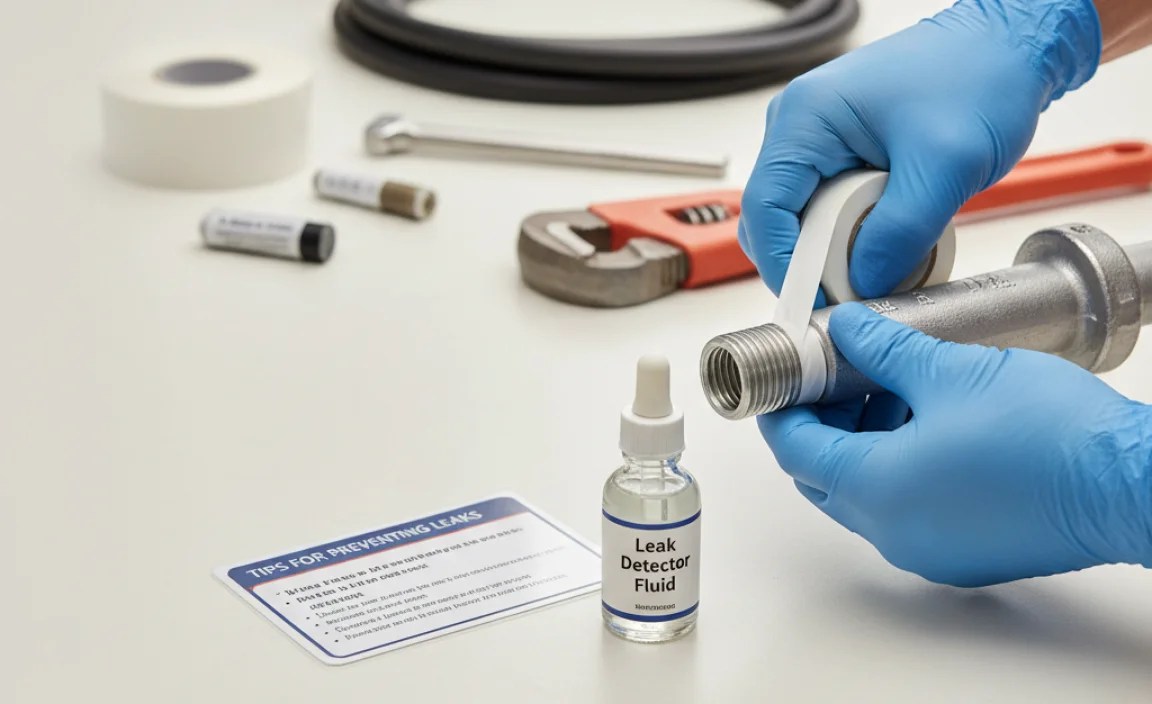
Here are some tips to help prevent leaks in your hand pump pipe:
- Use the Right Sealant: Choose a sealant that’s compatible with your pipe material and the type of fluid or gas you’re sealing.
- Clean the Threads: Always clean the threads thoroughly before applying sealant.
- Apply Sealant Evenly: Apply the sealant evenly to all the threads.
- Don’t Overtighten: Overtightening can damage the threads and cause leaks.
- Inspect Regularly: Check your connections regularly for leaks and tighten them as needed.
Table: Comparing Thread Sealant Tape and Pipe Dope
| Feature | Thread Sealant Tape (Teflon Tape) | Pipe Dope (Thread Sealant Compound) |
|---|---|---|
| Ease of Use | Easy to apply, clean | Requires brush, can be messy |
| Seal Strength | Good for most applications | Stronger seal, especially for metal |
| Cost | Inexpensive | Slightly more expensive |
| Compatibility | Generally compatible with most materials | Check compatibility with specific materials |
| Cleanliness | Clean, leaves no residue | Can be messy, leaves residue |
Table: Common Hand Pump Pipe Materials and Sealant Recommendations
| Pipe Material | Recommended Sealant | Notes |
|---|---|---|
| Plastic (PVC, ABS) | Thread Sealant Tape (Teflon Tape) | Avoid overtightening to prevent cracking. |
| Metal (Steel, Brass, Aluminum) | Pipe Dope or Thread Sealant Tape | Pipe dope can provide a stronger seal for metal. |
| Composite | Thread Sealant Tape (Teflon Tape) | Check manufacturer’s recommendations. |
FAQ: Sealing Threads in Hand Pump Pipe
1. What is thread sealant tape?
Thread sealant tape, often called Teflon tape, is a thin, white tape used to seal pipe threads. It creates a tight, leak-proof connection by filling gaps between the threads.
2. Can I reuse thread sealant tape?
No, you should not reuse thread sealant tape. Once it’s been compressed, it loses its ability to seal properly. Always use fresh tape for each connection.
3. How much thread sealant tape should I use?
Apply 2-3 layers of thread sealant tape, overlapping each wrap by about half the width of the tape. Pull the tape tight as you wrap to help it conform to the threads.
4. What is pipe dope?
Pipe dope is a paste or liquid sealant applied to pipe threads with a brush. It provides a strong seal, especially for metal pipes, by filling gaps and lubricating the threads.
5. Is pipe dope better than thread sealant tape?
It depends on the application. Thread sealant tape is cleaner and easier to use for most hand pump pipes. Pipe dope provides a stronger seal for metal pipes or high-pressure applications.
6. Can I use both thread sealant tape and pipe dope together?
It’s generally not recommended to use both together. Using both can make it difficult to tighten the fitting and may not provide a better seal. Choose one or the other based on your needs.
7. What if I overtighten the fitting?
Overtightening can damage the threads or the fitting, leading to leaks. If you overtighten, loosen the fitting and inspect the threads for damage. If necessary, replace the damaged parts.
Conclusion
Sealing threads in your hand pump pipe doesn’t have to be a headache. By following these simple steps, you can create a leak-proof seal and keep your pump working efficiently. Remember to clean the threads, apply the sealant properly, and tighten the fitting securely. With a little practice, you’ll be a thread-sealing pro in no time! Now get back to pumping those tires and enjoying your ride!


