
How to Find High-Pressure Rated Hose: Easy Guide

Quick Summary: Finding the right high-pressure rated hose involves checking the hose’s pressure rating (PSI or Bar), understanding the application (like power washing or air compressors), and verifying its material (rubber, PVC, or reinforced composites). Look for certifications from organizations like ASTM. Always choose a hose with a pressure rating significantly higher than your equipment’s maximum output to ensure safety and longevity.
Hey there, fellow cyclists! Raymond Ammons from BicyclePumper.com here. Have you ever struggled to find the right high-pressure hose for your bike pump or other equipment? It’s a common headache! Using the wrong hose can lead to leaks, bursts, and even dangerous situations. But don’t worry, it’s easier than you think to find the perfect, pressure-resistant hose. This guide will walk you through each step. Ready to get started?
Understanding High-Pressure Hoses


Before diving into how to find a high-pressure rated hose, it’s crucial to understand what makes a hose “high-pressure.” These hoses are designed to safely handle fluids or gases at much higher pressures than standard hoses. Knowing the basics will help you make an informed decision.
What is Pressure Rating?
The pressure rating, usually measured in pounds per square inch (PSI) or bar, indicates the maximum pressure a hose can withstand before it risks bursting or failing. This rating is determined by the hose’s material, construction, and intended use.
Why is a High-Pressure Hose Important?
Using a hose with an inadequate pressure rating can be dangerous. Over-pressurizing a hose can lead to:
- Hose Bursting: This can cause injury from flying debris or the sudden release of high-pressure fluids/gases.
- Equipment Damage: A burst hose can damage connected equipment due to pressure surges or fluid leaks.
- Inefficient Operation: A hose that can’t handle the pressure will not perform optimally, leading to wasted energy and poor results.
Common Applications of High-Pressure Hoses
High-pressure hoses are used in a variety of applications, including:
- Power Washing: To deliver water at high pressure for cleaning.
- Air Compressors: To transfer compressed air to tools and equipment.
- Hydraulic Systems: To transmit hydraulic fluid in machinery.
- Bicycle Pumps: Especially for inflating tires to high PSI.
Step-by-Step Guide to Finding the Right High-Pressure Hose
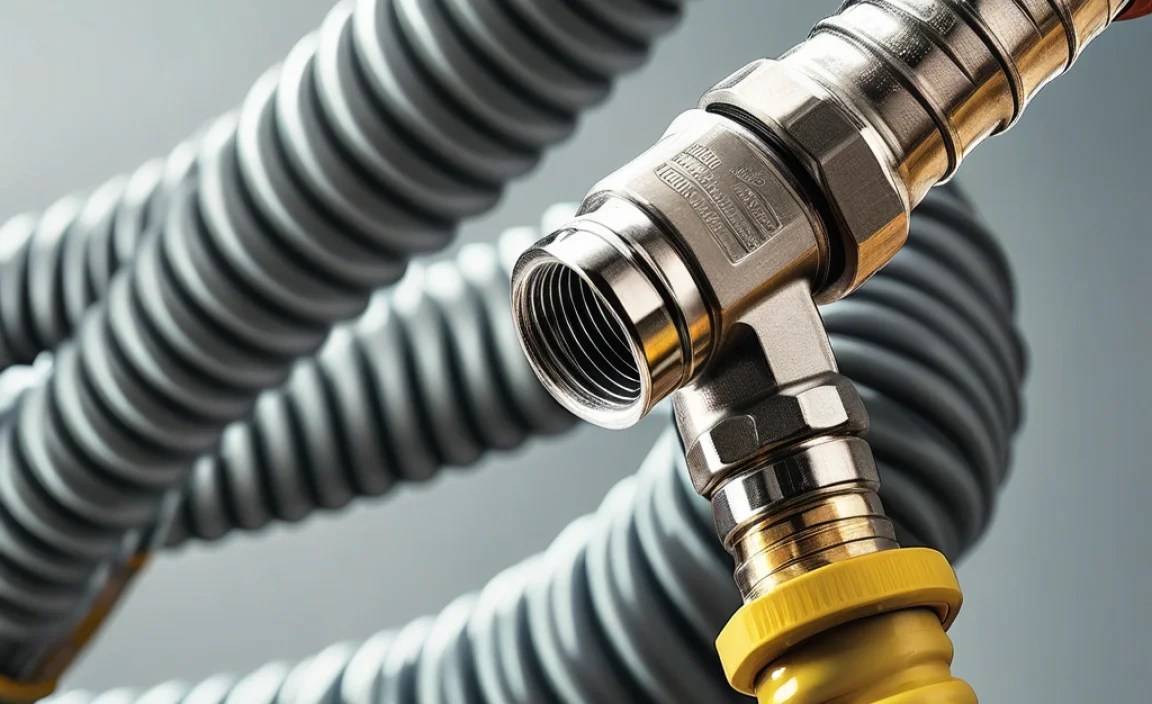
Now, let’s get into the specifics of how to find the right high-pressure hose for your needs. Follow these steps to ensure you choose a hose that is safe, reliable, and effective.
Step 1: Determine Your Pressure Requirements
The first and most critical step is to determine the maximum pressure your application requires. Check the specifications of your equipment (e.g., power washer, air compressor, bike pump) to find its maximum operating pressure.
Example: If your power washer has a maximum pressure of 3000 PSI, you’ll need a hose rated higher than that.
Step 2: Choose the Right Material
High-pressure hoses are made from various materials, each with its own advantages and disadvantages. Here are some common options:
- Rubber: Durable and flexible, suitable for a wide range of applications.
- PVC (Polyvinyl Chloride): Lightweight and chemical-resistant, but less flexible than rubber.
- Reinforced Composites: Offer high strength and pressure resistance, often used in demanding applications.
- Thermoplastic: Combines flexibility and high-pressure resistance; commonly found in hydraulic systems.
Consider the environment in which the hose will be used. If it will be exposed to chemicals, choose a chemical-resistant material like PVC or a specialized rubber compound.
Step 3: Check the Hose’s Pressure Rating
Once you know your pressure requirements and the type of material you need, check the hose’s pressure rating. This information is usually printed directly on the hose or listed in the product specifications.
Important: Always choose a hose with a pressure rating significantly higher than your equipment’s maximum output. A safety factor of 2:1 or 3:1 is recommended. For example, if your equipment requires 3000 PSI, look for a hose rated for 6000-9000 PSI.
Step 4: Look for Certifications and Standards
To ensure the hose meets quality and safety standards, look for certifications from reputable organizations. Some common certifications include:
- ASTM International: Develops technical standards for materials, products, systems, and services.
- SAE International: Sets standards for the automotive, aerospace, and commercial vehicle industries.
- ISO (International Organization for Standardization): An independent, non-governmental international organization that develops standards to ensure quality, safety, and efficiency.
These certifications indicate that the hose has been tested and meets specific performance requirements.
Step 5: Consider Hose Length and Diameter
The length and diameter of the hose also play a crucial role in its performance. A longer hose may result in a slight pressure drop, while the diameter affects the flow rate.
- Length: Choose a length that allows you to comfortably reach your work area without excessive slack.
- Diameter: Select a diameter that matches the requirements of your equipment. A smaller diameter may restrict flow, while a larger diameter may be unnecessary.
Refer to your equipment’s manual for recommended hose length and diameter.
Step 6: Inspect the Hose Fittings
The fittings are the connectors at the end of the hose that attach to your equipment. Ensure they are compatible with your equipment and made of durable materials like brass or stainless steel.
Common Fitting Types:
- Threaded Fittings: Use threads to create a secure connection.
- Quick-Connect Fittings: Allow for quick and easy attachment and detachment.
- Compression Fittings: Use compression to create a tight seal.
Inspect the fittings for any signs of damage or corrosion before use.
Step 7: Check for Abrasion Resistance and UV Protection
If the hose will be used outdoors or in harsh environments, look for abrasion resistance and UV protection. These features will help extend the life of the hose and prevent premature wear and tear.
- Abrasion Resistance: Look for hoses with a durable outer layer that can withstand rubbing and scraping.
- UV Protection: Choose hoses made from materials that are resistant to UV degradation, which can cause cracking and weakening.
Step 8: Read Reviews and Seek Recommendations
Before making a purchase, read reviews from other users to get an idea of the hose’s performance and reliability. Seek recommendations from friends, colleagues, or online forums.
Pro Tip: Look for reviews that specifically mention the hose’s pressure handling capabilities and durability.
Table: Comparing High-Pressure Hose Materials

| Material | Pros | Cons | Typical Applications |
|---|---|---|---|
| Rubber | Durable, flexible, good chemical resistance | Can be heavy, may degrade with some chemicals | Air compressors, power washers, hydraulic systems |
| PVC | Lightweight, chemical resistant, affordable | Less flexible, lower pressure rating | Water hoses, chemical transfer |
| Reinforced Composites | High strength, high pressure resistance, durable | More expensive, less flexible | High-pressure hydraulic systems, industrial applications |
| Thermoplastic | Flexible, high pressure resistance, lightweight | Can be more expensive than rubber or PVC | Hydraulic systems, pneumatic tools |
Table: Key Factors When Choosing a High-Pressure Hose

| Factor | Description | Importance |
|---|---|---|
| Pressure Rating | Maximum pressure the hose can withstand | Critical for safety and performance |
| Material | Type of material the hose is made of | Affects durability, flexibility, and chemical resistance |
| Certifications | Standards met by the hose | Ensures quality and safety |
| Length & Diameter | Size of the hose | Impacts flow rate and pressure drop |
| Fittings | Connectors at the end of the hose | Ensures compatibility and secure connection |
| Abrasion Resistance | Ability to withstand rubbing and scraping | Extends hose life in harsh environments |
| UV Protection | Resistance to UV degradation | Prevents cracking and weakening outdoors |
List: Essential Tools for Working with High-Pressure Hoses

- Wrench Set: For tightening and loosening fittings.
- Thread Sealant: To prevent leaks at threaded connections.
- Hose Cutter: For cleanly cutting hoses to the desired length.
- Safety Glasses: To protect your eyes from debris.
- Gloves: To protect your hands from chemicals and sharp edges.
Maintaining Your High-Pressure Hose
Once you’ve found the perfect high-pressure hose, proper maintenance is essential to ensure its longevity and safety. Here are some tips:
- Inspect Regularly: Check for cracks, bulges, and leaks before each use.
- Store Properly: Avoid kinking or bending the hose, and store it in a cool, dry place away from direct sunlight.
- Clean After Use: Rinse the hose with water to remove dirt and debris.
- Replace When Necessary: If you notice any signs of damage, replace the hose immediately.
FAQ: High-Pressure Hoses
What does PSI mean?
PSI stands for pounds per square inch. It’s a unit of pressure, indicating the force exerted on one square inch of area.
How do I know what pressure rating I need?
Check the specifications of your equipment (like a power washer or air compressor) to find its maximum operating pressure. Choose a hose with a pressure rating significantly higher than this.
Can I use a regular garden hose for high-pressure applications?
No, regular garden hoses are not designed to handle high pressures. Using them in high-pressure applications can lead to bursting and injury.
What are quick-connect fittings?
Quick-connect fittings allow you to quickly and easily attach and detach hoses from equipment without the need for tools.
How often should I replace my high-pressure hose?
Replace your hose if you notice any signs of damage, such as cracks, bulges, or leaks. Even without visible damage, replace it every few years as a safety precaution.
What is the best material for a high-pressure hose?
The best material depends on your application. Rubber is versatile, PVC is lightweight, and reinforced composites offer high strength. Consider the environment and pressure requirements.
How do I store a high-pressure hose properly?
Avoid kinking or bending the hose. Store it in a cool, dry place away from direct sunlight. Consider using a hose reel for easy storage and retrieval.
Conclusion
Finding the right high-pressure rated hose doesn’t have to be a daunting task. By understanding your pressure requirements, choosing the right material, checking for certifications, and following these steps, you can ensure you select a hose that is safe, reliable, and effective for your needs. Always remember safety first and never exceed the recommended pressure rating. Happy cycling and pumping!


