
What Does “Cycle” Mean on a Breast Pump? A Simple Guide

Quick Summary: The “cycle” on a breast pump refers to the number of times the pump suctions and releases per minute. A higher cycle speed doesn’t always mean more milk. Finding the right balance between cycle speed and suction strength is key for comfortable and efficient pumping.
Ever looked at your breast pump and wondered what all those settings mean? You’re not alone! Many new parents find the controls a bit confusing, especially the “cycle” setting. It might seem complicated, but understanding what cycle means can make your pumping sessions much more effective and comfortable. This guide will break down the cycle setting, how it affects milk expression, and how to find the best settings for you. Let’s get started and make pumping easier!
Understanding the Breast Pump Cycle

The cycle setting on a breast pump controls how many times the pump completes a suction and release action in one minute. Think of it as the pace of the pump. Each cycle mimics a baby’s natural suckling pattern.
How Cycle Speed Works
Cycle speed is usually measured in cycles per minute (CPM). For example, a setting of 60 CPM means the pump suctions and releases 60 times in a minute.
The Relationship Between Cycle and Suction
Cycle and suction are closely linked. Suction refers to the strength of the pump, usually measured in mmHg (millimeters of mercury). While cycle determines the pace, suction determines how strong each pull is. Finding the right combination of both is crucial for efficient milk expression.
Why Cycle Speed Matters

Adjusting the cycle speed can impact both milk output and comfort. Here’s why it’s important to understand:
- Milk Output: The right cycle speed can stimulate milk ejection (let-down) and help you express more milk in less time.
- Comfort: Too high or too low cycle speed can cause discomfort. Finding the sweet spot ensures a more pleasant pumping experience.
- Mimicking Baby’s Sucking: Different babies have different sucking patterns. Adjusting the cycle speed can help mimic your baby’s natural nursing style.
Finding the Right Cycle Speed for You

Every woman is different, so there’s no one-size-fits-all answer. Here’s how to find the best cycle speed for you:
Start with the Basics
Begin with the pump’s default or recommended settings. Most pumps have a “stimulation” mode with a faster cycle to initiate let-down, followed by an “expression” mode with a slower, stronger cycle.
Listen to Your Body
Pay attention to how your breasts feel. If you experience discomfort, reduce the suction and/or cycle speed. Comfort is key to successful pumping.
Observe Milk Flow
Watch your milk flow. If the milk isn’t flowing well, try adjusting the cycle speed. Some women respond better to faster cycles, while others prefer slower, stronger pulls.
Experiment and Adjust
Don’t be afraid to experiment. Try different combinations of cycle speed and suction strength until you find what works best for you. Keep a record of your settings for future sessions.
Step-by-Step Guide to Adjusting Cycle Speed

Here’s a step-by-step guide to help you adjust the cycle speed on your breast pump:
- Start with Stimulation Mode: Begin with the stimulation mode, which usually has a faster cycle speed. This helps to trigger let-down.
- Adjust Suction: Gradually increase the suction until you feel a comfortable pull. Avoid any pain.
- Transition to Expression Mode: Once milk starts flowing, switch to the expression mode, which has a slower cycle speed and higher suction.
- Fine-Tune Settings: Adjust the cycle speed and suction to maximize milk flow and comfort. If the flow slows down, you might need to increase the cycle speed slightly.
- Monitor and Record: Keep track of the settings that work best for you. This will save time and frustration in future pumping sessions.
Common Breast Pump Settings Explained
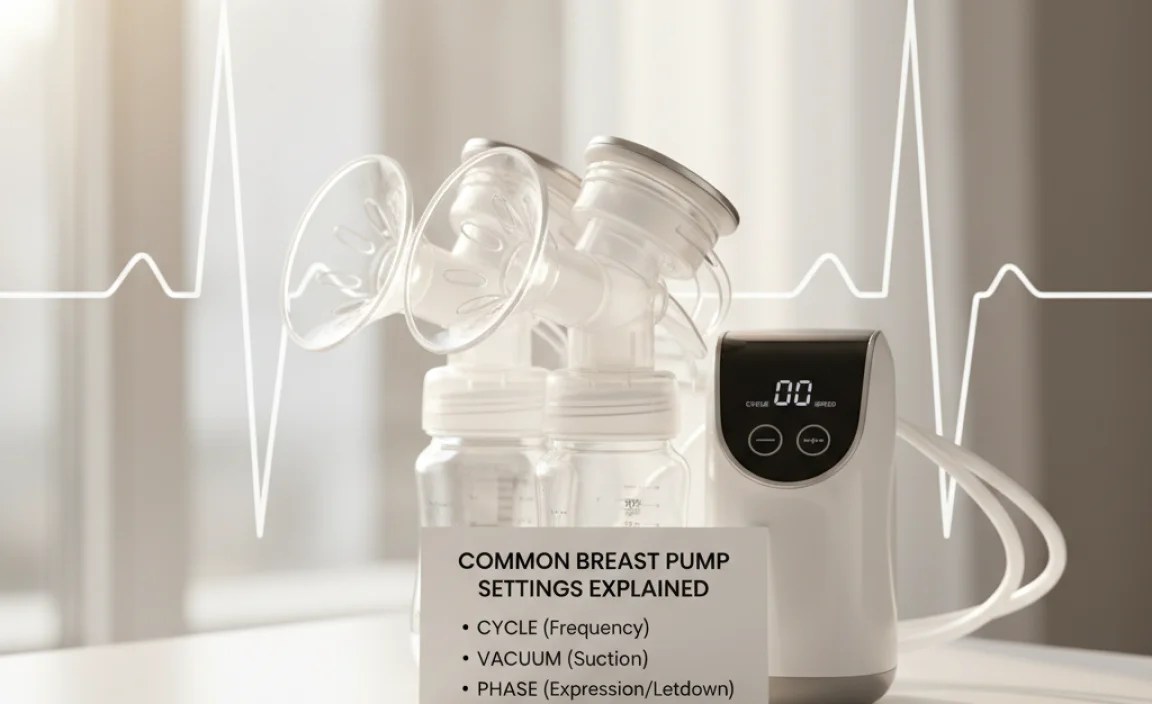
Let’s break down some common breast pump settings you might encounter:
- Stimulation Mode: Fast cycle speed, lower suction. Used to initiate let-down.
- Expression Mode: Slower cycle speed, higher suction. Used to express milk efficiently.
- Variable Speed: Allows you to customize both cycle speed and suction strength.
Troubleshooting Cycle Speed Issues
Sometimes, you might encounter issues with the cycle speed. Here are some common problems and how to address them:
Problem: Pain or Discomfort
Solution: Reduce the suction and/or cycle speed. Ensure the flange size is correct. A properly fitted flange is essential for comfortable pumping.
Problem: Low Milk Output
Solution: Try increasing the cycle speed slightly. Make sure you’re well-hydrated and relaxed. Sometimes, a warm compress can help stimulate milk flow.
Problem: No Let-Down
Solution: Use the stimulation mode for a longer period. Try relaxation techniques, such as deep breathing or listening to calming music. You can also try hand expressing for a few minutes before using the pump.
Choosing the Right Breast Pump
The type of breast pump you choose can also affect your pumping experience. Here’s a quick overview:
Manual Pumps
Manual pumps are hand-operated and require you to create the suction. They’re portable and quiet but can be tiring for frequent pumping.
Electric Pumps
Electric pumps do the work for you and are more efficient for regular use. They come in single and double pump options.
Hospital-Grade Pumps
Hospital-grade pumps are powerful and designed for frequent use, often used by mothers of premature babies or those with milk supply issues. They are available for rent.
Tips for Comfortable and Efficient Pumping
Here are some extra tips to make your pumping sessions more comfortable and efficient:
- Proper Flange Size: Ensure the flange fits correctly. The nipple should move freely in the tunnel without rubbing.
- Relaxation Techniques: Relaxing can help with let-down. Try deep breathing, listening to music, or looking at pictures of your baby.
- Hydration: Drink plenty of water to stay hydrated. Milk production requires adequate fluid intake.
- Regular Pumping Schedule: Establish a regular pumping schedule to maintain your milk supply.
- Massage: Gently massage your breasts before and during pumping to help with milk flow.
Breast Pump Cycle Settings: A Comparison Table
Here’s a table comparing different cycle speed settings and their potential effects:
| Cycle Speed (CPM) | Suction Strength (mmHg) | Typical Use | Potential Benefits |
|---|---|---|---|
| 40-50 | 150-200 | Expression Mode | Efficient milk removal, comfortable for some users |
| 50-60 | 100-150 | Stimulation Mode, Gentle Expression | Stimulates let-down, good for sensitive nipples |
| 60-70+ | 50-100 | Stimulation Mode | Fast stimulation, helps initiate milk flow quickly |
Breast Pump Types: Pros and Cons
Here’s a breakdown of the pros and cons of different breast pump types:
| Pump Type | Pros | Cons |
|---|---|---|
| Manual Pump | Portable, quiet, inexpensive | Can be tiring, less efficient for frequent use |
| Single Electric Pump | Hands-free, more efficient than manual | Pumps one breast at a time, can be time-consuming |
| Double Electric Pump | Pumps both breasts simultaneously, saves time | More expensive, requires a power source |
| Hospital-Grade Pump | Most powerful, designed for frequent use | Expensive, often requires a prescription or rental |
External Resources for Breastfeeding and Pumping
Here are some reliable external resources for more information on breastfeeding and pumping:
- Centers for Disease Control and Prevention (CDC) – Breastfeeding
- Office on Women’s Health – Breastfeeding
- La Leche League International
FAQ About Breast Pump Cycles
Here are some frequently asked questions about breast pump cycles:
What does CPM mean on a breast pump?
CPM stands for cycles per minute. It refers to the number of times the breast pump suctions and releases in one minute.
Is a higher cycle speed better?
Not necessarily. A higher cycle speed can be useful for stimulating let-down, but it’s not always more effective for milk expression. The best cycle speed depends on your individual response and comfort.
How do I know if my cycle speed is too high?
If you experience pain or discomfort, the cycle speed might be too high. Reduce the speed and/or suction until you feel comfortable.
Can I adjust the cycle speed during pumping?
Yes, you can adjust the cycle speed during pumping to find the most effective and comfortable setting. Experiment to see what works best for you.
What is the difference between stimulation and expression mode?
Stimulation mode has a faster cycle speed and lower suction, used to trigger let-down. Expression mode has a slower cycle speed and higher suction, used to efficiently express milk.
How often should I pump?
Pump as often as your baby nurses, usually every 2-3 hours, to maintain your milk supply. Consult with a lactation consultant for personalized advice.
What if I don’t feel a let-down while pumping?
Try using the stimulation mode for a longer period, relaxation techniques, or hand expressing for a few minutes before pumping. Ensure you are well-hydrated and comfortable.
Conclusion
Understanding the “cycle” setting on your breast pump is essential for comfortable and efficient pumping. By experimenting with different cycle speeds and suction strengths, you can find the perfect combination that works for you. Remember to listen to your body, stay hydrated, and seek support from lactation consultants or other experienced mothers. Happy pumping!
“`


