
How to Install Long Hose for Workshop Floor Pump: Easy!

Quick Summary: Want to upgrade your floor pump with a longer hose? It’s easier than you think! First, gather your tools: a wrench, possibly pliers, and your new hose. Then, unscrew the old hose, making note of any washers. Screw on the new hose, ensuring a tight, airtight connection. Test it out, and you’re ready to pump! This simple upgrade gives you more freedom to reach your tires, no matter where they are.
Tired of wrestling with that short hose on your workshop floor pump? We’ve all been there! Trying to reach a valve stem while balancing the pump can be a real pain. The good news is, swapping out your existing hose for a longer one is a simple and effective upgrade. It gives you extra reach and makes inflating your tires much easier. You’ll be pumping like a pro in no time. Let’s get started with a simple, step-by-step guide.
Why Upgrade to a Longer Hose?

Before we dive into the how-to, let’s quickly cover why you might want a longer hose in the first place. It’s not just about convenience; there are some real benefits:
- Increased Reach: This is the most obvious benefit. A longer hose lets you reach valve stems that are further away or in awkward positions.
- Easier Pumping: No more struggling to keep the pump stable while reaching the tire. More freedom of movement makes the job smoother.
- Reduced Strain: Bending and contorting to reach the valve can put strain on your back. A longer hose can alleviate this.
- Versatility: If you have multiple bikes with different valve stem placements, a longer hose provides more flexibility.
Tools and Materials You’ll Need
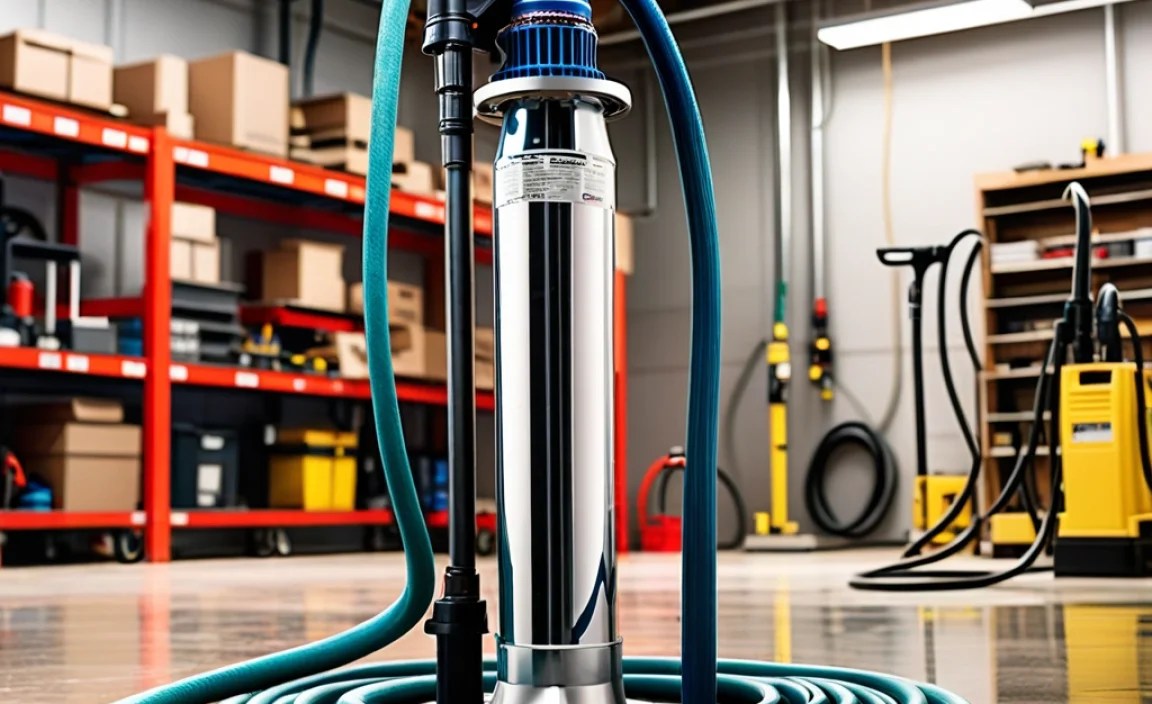
The good news is, you probably already have most of what you need. Here’s a quick checklist:
- New Hose: Make sure it’s compatible with your pump and valve types (Presta/Schrader).
- Wrench: An adjustable wrench or the correct size wrench for your pump’s hose fitting.
- Pliers (Optional): May be needed if the old hose is stuck.
- Teflon Tape (Optional): For creating a tighter seal on the threads.
- Clean Rag: For wiping away any dirt or grease.
- Eye Protection: Safety first!
Step-by-Step Guide: Installing Your New Hose

Ready to get started? Follow these simple steps to install your new, longer hose:
Step 1: Prepare Your Workspace
Find a clean, well-lit area to work. Place your pump on a stable surface. This will make the process much easier and safer.
Step 2: Disconnect the Old Hose
This is where your wrench comes in handy.
- Locate the connection point where the hose attaches to the pump body.
- Using your wrench, carefully loosen the nut or fitting that secures the hose. Be gentle; you don’t want to damage the pump.
- As you unscrew the hose, pay attention to any washers or O-rings. Note their placement, as you’ll need to reinstall them in the same order with the new hose.
- If the hose is stuck, try using pliers to gently grip the fitting and loosen it. Be careful not to crush or damage the fitting.
- Once the fitting is loose, you should be able to unscrew the hose completely by hand.
Step 3: Inspect the Connection Point
Take a close look at the threads on the pump body where the hose connects. Clean away any dirt, grease, or debris with your clean rag. This will ensure a good seal with the new hose.
Step 4: Prepare the New Hose
Before installing the new hose, inspect the threads on the hose fitting. If they look worn or damaged, consider using Teflon tape to create a tighter seal. Wrap the Teflon tape around the threads in a clockwise direction (when viewed from the end of the fitting).
Step 5: Install the New Hose
Now it’s time to install the new hose.
- Carefully screw the new hose fitting into the connection point on the pump body.
- Make sure to reinstall any washers or O-rings in the same order they were in before.
- Tighten the fitting with your wrench until it’s snug. Don’t overtighten, as this could damage the threads.
- If you used Teflon tape, tighten the fitting until it feels secure.
Step 6: Test for Leaks
This is a crucial step to ensure your new hose is properly installed.
- Connect the hose to a tire valve.
- Pump up the tire to a moderate pressure.
- Listen for any hissing sounds, which could indicate a leak.
- Check the connection point between the hose and the pump body for any air leaks. You can also use a soapy water solution to check for leaks. Apply the solution to the connection point and look for bubbles.
- If you find any leaks, tighten the fitting slightly or reapply Teflon tape.
Step 7: Enjoy Your Extended Reach!
Once you’ve confirmed there are no leaks, you’re all set. Enjoy the added convenience and flexibility of your new, longer hose!
Troubleshooting Tips
Sometimes, things don’t go exactly as planned. Here are a few common issues and how to address them:
- Hose Won’t Unscrew: If the old hose is stuck, try applying some penetrating oil to the fitting and let it sit for a few minutes. Then, try again with the wrench.
- Leaks After Installation: If you’re experiencing leaks, double-check the tightness of the fitting. You may also need to reapply Teflon tape or replace any worn washers or O-rings.
- Wrong Hose Size: Make sure you’ve purchased a hose that’s compatible with your pump and valve types. Check the manufacturer’s specifications for compatibility information.
- Damaged Threads: If the threads on the pump body or hose fitting are damaged, you may need to replace the entire pump or hose.
Choosing the Right Hose Length
How long should your new hose be? It depends on your needs and preferences. Consider these factors:
- Bike Types: If you have multiple bikes with different frame sizes and valve stem placements, a longer hose will provide more flexibility.
- Workshop Setup: If your pump is located far from your bike, you’ll need a longer hose to reach the tires.
- Personal Preference: Some people simply prefer the extra reach of a longer hose, even if it’s not strictly necessary.
As a general guideline, a hose length of 3-4 feet is a good starting point for most users. However, you may need a longer or shorter hose depending on your specific needs.
Comparing Hose Materials
Floor pump hoses are typically made from rubber or plastic. Each material has its pros and cons:
| Material | Pros | Cons |
|---|---|---|
| Rubber | Flexible, durable, resistant to cracking | Can be more expensive, may degrade over time |
| Plastic | Affordable, lightweight | Less flexible, more prone to cracking |
Ultimately, the best material for you will depend on your budget and priorities. If you’re looking for the most durable and flexible option, rubber is a good choice. If you’re on a tight budget, plastic may be a better option.
Floor Pump Maintenance Tips
While you’re upgrading your hose, it’s a good time to think about general floor pump maintenance. Here are a few tips to keep your pump in top condition:
- Regular Cleaning: Wipe down the pump body and hose with a clean rag to remove any dirt or grease.
- Check for Leaks: Regularly inspect the hose and fittings for any signs of leaks.
- Lubricate Moving Parts: Apply a small amount of lubricant to the pump’s moving parts, such as the piston and handle.
- Store Properly: Store your pump in a dry, protected area to prevent damage.
Recommended Floor Pumps
If you’re in the market for a new floor pump, here are a few of our top picks:
- Topeak JoeBlow Sport III: A reliable and affordable pump with a long hose and accurate gauge.
- Park Tool PFP-5: A durable and high-quality pump designed for professional use.
- Lezyne Classic Floor Drive: A stylish and well-built pump with a long hose and comfortable handle.
Consider a pump with a long hose from the start. Many newer pumps offer this as a standard feature.
FAQ: Installing a Long Hose for Your Workshop Floor Pump
Here are some frequently asked questions about installing a long hose for your floor pump:
Q: Can I use any hose for my floor pump?
A: No, you need a hose specifically designed for floor pumps. These hoses are typically made of durable materials and have the correct fittings for connecting to the pump and valve.
Q: How do I know what size hose to buy?
A: Check your pump’s manual or the manufacturer’s website for compatibility information. You’ll need to know the diameter of the hose fitting and the type of valve it’s designed for (Presta or Schrader).
Q: Do I need Teflon tape?
A: Teflon tape is not always necessary, but it can help create a tighter seal on the threads, especially if they are worn or damaged. It’s a good idea to have some on hand.
Q: What if I overtighten the fitting?
A: Overtightening the fitting can damage the threads on the pump body or hose. If you suspect you’ve overtightened it, carefully loosen the fitting and inspect the threads for damage. If they are damaged, you may need to replace the pump or hose.
Q: How often should I replace my floor pump hose?
A: The lifespan of a floor pump hose depends on the quality of the material and how often you use it. As a general guideline, you should replace the hose every 1-2 years, or sooner if you notice any signs of wear or damage.
Q: Can I install a longer hose on a mini pump?
A: While possible on some models, it’s less common. Mini pumps are designed for portability, and a longer hose can make them bulky and less convenient to carry. Check your pump’s manual for compatibility information.
Q: Will a longer hose affect pumping performance?
A: A slightly longer hose shouldn’t significantly impact performance. However, excessively long hoses can reduce pumping efficiency. Stick to a reasonable length (3-4 feet) for optimal results.
Conclusion
Upgrading your floor pump with a longer hose is a simple and effective way to improve your cycling experience. By following these step-by-step instructions, you can easily install a new hose and enjoy the added convenience and flexibility it provides. Remember to choose the right hose length and material for your needs, and don’t forget to perform regular maintenance to keep your pump in top condition. Now you can reach those tricky valve stems with ease and get back to enjoying your ride!


