
How to Use Hose Extension for Deeper Rims: Easy Guide

Quick Summary: Using a hose extension for deeper rims is easy! Simply attach the extension to your pump head, ensuring a secure fit. Then, connect the extension to your tire valve and inflate as usual. The extension bridges the gap, letting you pump tires on rims where the valve is hard to reach.
Do you have trouble inflating tires on your bike with deep rims? It’s a common problem! Many cyclists struggle to get their pump head to fit properly and create a good seal. Deep rims can make it awkward to reach the valve stem. But don’t worry, there’s a simple solution: a hose extension. This handy tool lets you easily inflate your tires, no matter how deep your rims are. Keep reading to learn how to use one and enjoy hassle-free inflation!
Why Use a Hose Extension?
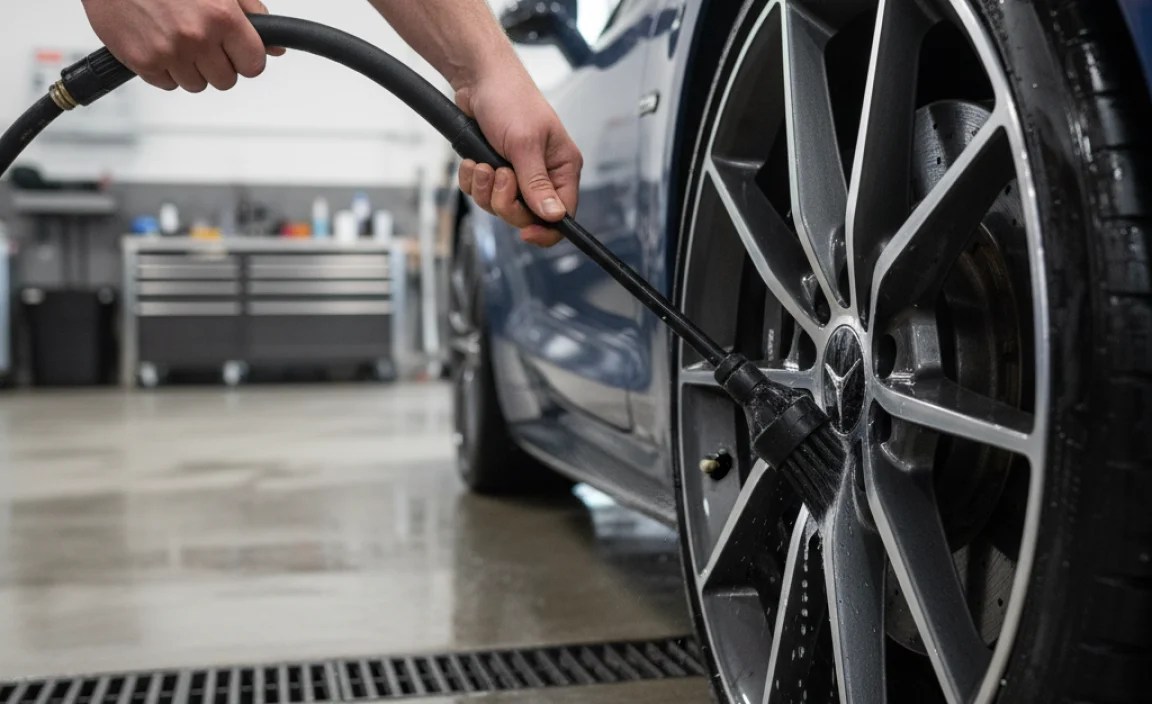
Deep-section rims offer aerodynamic advantages, making them popular among road cyclists and triathletes. However, the increased rim depth can make it difficult to access the valve stem with a standard pump head. Here’s why a hose extension is essential:
- Easier Access: It provides a direct connection to the valve stem, even with deep rims.
- Prevents Damage: Reduces stress on the valve stem, preventing bending or breakage.
- Better Seal: Allows for a more secure and leak-free connection.
- More Comfortable: Eliminates awkward angles and hand positions during inflation.
What You’ll Need

Before you start, make sure you have these items on hand:
- Hose Extension: Choose a high-quality extension with a secure connection.
- Bike Pump: A floor pump is recommended for easier inflation.
- Your Bike: With tires that need inflating.
Step-by-Step Guide: Using a Hose Extension
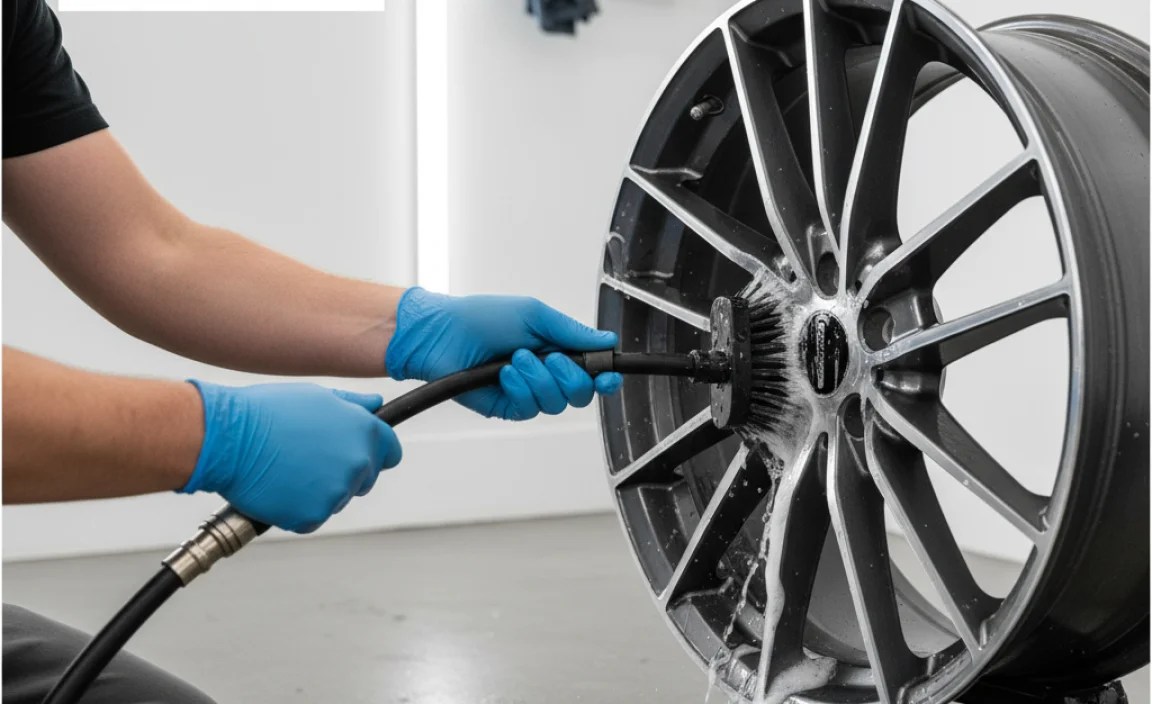
Follow these steps to inflate your tires with a hose extension:
Step 1: Prepare Your Pump and Extension
First, make sure your bike pump is in good working order. Check the pump head for any damage or wear. Now, inspect your hose extension. Ensure that both ends are clean and free from debris. If you’re using the extension for the first time, test the connection to make sure it’s secure.
Step 2: Attach the Extension to the Pump Head
Connect one end of the hose extension to your pump head. Most extensions use a threaded connection or a simple push-on fitting. Make sure the connection is tight and secure. A loose connection can lead to air leaks and make it difficult to inflate your tire.
Step 3: Connect the Extension to the Valve Stem
Now, attach the other end of the hose extension to your tire’s valve stem. For Presta valves, you’ll need to unscrew the valve nut first. Push the extension onto the valve stem until it’s fully seated. Ensure you have a snug fit to prevent air from escaping during inflation. Some extensions have a locking mechanism to secure the connection.
Step 4: Inflate the Tire
With the extension securely connected, start inflating your tire using your bike pump. Use smooth, consistent strokes to build up pressure. Keep an eye on your pump’s gauge to avoid over-inflation. Refer to the recommended tire pressure printed on the sidewall of your tire.
Step 5: Check the Pressure
Once you’ve reached the desired pressure, stop pumping. Use a separate tire pressure gauge to verify the pressure. It’s always a good idea to double-check, as pump gauges can sometimes be inaccurate. Adjust the pressure as needed.
Step 6: Disconnect the Extension
Carefully disconnect the hose extension from the valve stem. For Presta valves, remember to tighten the valve nut after removing the extension. Store the extension in a safe place for future use. You’re now ready to ride with properly inflated tires!
Tips for Success
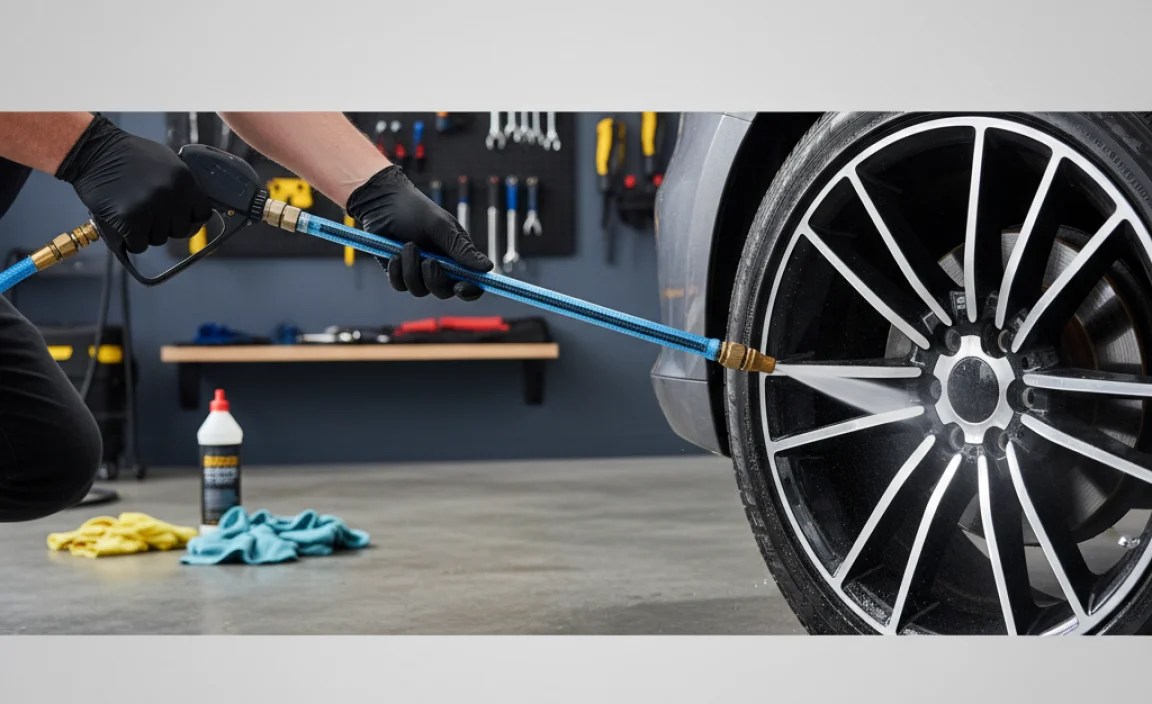
Here are some extra tips to ensure a smooth inflation process:
- Use a Quality Extension: Invest in a durable extension with reliable connections.
- Check for Leaks: Listen for air leaks around the valve stem and pump head.
- Lubricate the Valve: Apply a small amount of valve lubricant to the valve stem for easier connection.
- Don’t Over-Inflate: Always stay within the recommended pressure range for your tires.
- Regularly Inspect: Check your extension for wear and tear, replacing it as needed.
Choosing the Right Hose Extension

Selecting the right hose extension depends on your needs and preferences. Here’s a comparison of different types:
| Type | Pros | Cons | Best For |
|---|---|---|---|
| Threaded Extension | Secure connection, durable | Can be slower to attach/detach | Everyday use, high-pressure tires |
| Push-On Extension | Quick and easy to use | May be less secure | Occasional use, lower-pressure tires |
| Flexible Extension | Easy to maneuver in tight spaces | Can be more prone to kinking | Deep rims, awkward valve placement |
Troubleshooting Common Issues
Sometimes, you might encounter problems while using a hose extension. Here’s how to troubleshoot them:
- Air Leaks: Check the connections between the extension, pump head, and valve stem. Tighten or replace if needed.
- Difficulty Connecting: Make sure the extension is fully seated on the valve stem. Try lubricating the valve.
- Low Pressure: Ensure your pump is working correctly. Check for leaks in the hose or pump head.
Maintaining Your Hose Extension
Proper maintenance will extend the life of your hose extension. Follow these tips:
- Clean Regularly: Wipe down the extension with a damp cloth to remove dirt and grime.
- Store Properly: Keep the extension in a cool, dry place away from direct sunlight.
- Inspect for Damage: Check for cracks, kinks, or worn connections. Replace if necessary.
Alternatives to Hose Extensions
While hose extensions are a great solution, here are some alternative options:
- Valve Extenders: These screw onto the valve stem to make it longer.
- Pumps with Long Hoses: Some pumps have extra-long hoses for easier access.
- Adapter Heads: Some pump heads are designed to fit deep rims more easily.
The Benefits of Properly Inflated Tires
Maintaining proper tire pressure is crucial for a safe and enjoyable ride. Here are some benefits:
- Improved Performance: Correct pressure reduces rolling resistance and increases speed.
- Enhanced Comfort: Proper inflation absorbs bumps and vibrations for a smoother ride.
- Reduced Puncture Risk: Under-inflated tires are more prone to pinch flats.
- Longer Tire Life: Proper pressure prevents excessive wear and tear.
Understanding Valve Types: Presta vs. Schrader
It’s essential to know the difference between Presta and Schrader valves, as they require different inflation techniques. Here’s a quick comparison:
| Valve Type | Appearance | How to Inflate | Commonly Found On |
|---|---|---|---|
| Presta | Narrow, with a locking nut | Unscrew nut, press to release air, attach pump | Road bikes, high-performance bikes |
| Schrader | Wider, like car tires | Simply attach pump | Mountain bikes, hybrid bikes |
The Importance of a Good Bike Pump
Investing in a high-quality bike pump is essential for maintaining your tires. A good pump will make inflation easier, faster, and more accurate. Consider these features when choosing a pump:
- Pressure Gauge: A clear and accurate gauge is crucial for proper inflation.
- Pump Head: Choose a pump head that’s compatible with both Presta and Schrader valves.
- Stability: A wide base provides stability during pumping.
- Durability: Look for a pump made from high-quality materials.
Recommended Tire Pressure
Finding the right tire pressure is crucial for optimal performance and comfort. Refer to the tire manufacturer’s recommendations, usually printed on the tire sidewall. Here’s a general guideline:
- Road Bikes: 80-130 PSI
- Mountain Bikes: 25-40 PSI
- Hybrid Bikes: 40-70 PSI
Experiment with different pressures to find what works best for you and your riding style.
FAQ: Using Hose Extensions
What is a hose extension for bike pumps?
A hose extension is a short hose that connects to your bike pump and tire valve. It makes it easier to reach the valve, especially on bikes with deep rims.
Why do I need a hose extension for deep rims?
Deep rims can make it hard to fit a pump head directly onto the valve. The extension gives you more room to maneuver and ensures a secure connection.
How do I attach a hose extension to my pump?
Most extensions screw or clip onto your pump head. Make sure it’s on tight so no air leaks out when you pump.
Can I use a hose extension with any bike pump?
Yes, most hose extensions are universal and work with standard bike pumps. Just double-check the connection type to be sure.
Will a hose extension affect my tire pressure readings?
A good quality extension shouldn’t affect the reading. However, always double-check the pressure with a separate gauge for accuracy.
How often should I replace my hose extension?
Inspect it regularly for cracks or wear. Replace it if you see any damage or if it starts leaking air.
Are hose extensions only for deep rims?
No, they can be helpful for any bike! They make it easier to inflate tires in tight spaces or at awkward angles.
Conclusion
Using a hose extension for deeper rims doesn’t have to be a challenge. With the right tools and a little practice, you can easily inflate your tires and enjoy a smooth, safe ride. Remember to choose a quality extension, follow the steps outlined in this guide, and maintain your equipment regularly. Happy cycling!


