
How to Use Chuck for Tubeless Tire Inflation: Easy Guide

Quick Summary:
Using a chuck for tubeless tire inflation makes seating your tires easier. First, ensure your tire is properly mounted on the rim. Then, connect the chuck to your inflator and firmly press it onto the valve stem. Inflate until the tire beads snap into place along the rim. Finally, disconnect the chuck and check for a secure seal.
Setting up tubeless tires can be a tricky task. You’ve got the sealant ready, the tire prepped, and you’re all set to go. But then, the air just keeps escaping, and the tire won’t seat properly. Frustrating, right? Many cyclists struggle with this, but the right tool can make all the difference.
A good chuck is a game-changer for tubeless inflation. It provides a secure, airtight connection to your valve stem, ensuring that all the air goes into the tire, helping to seat the beads correctly. In this guide, I’ll walk you through how to use a chuck effectively, step by step. Get ready to ditch the frustration and enjoy hassle-free tubeless setups!
What is a Tire Chuck and Why Use One?

A tire chuck is a small but mighty tool designed to connect your air source—whether it’s a floor pump or a compressor—to the valve stem on your tire. Unlike a regular pump head, a chuck is engineered to provide a secure, airtight seal, which is crucial for tubeless tire inflation.
Why is an Airtight Seal Important for Tubeless Tires?
With tubeless tires, you need a rapid burst of air to push the tire beads onto the rim’s shoulders, creating an airtight seal. If air leaks out during this process, you won’t achieve the necessary pressure to seat the tire correctly. This is where a tire chuck shines. Its secure connection minimizes air loss, allowing you to inflate the tire quickly and efficiently.
Types of Tire Chucks
There are two main types of tire chucks:
- Thread-on Chucks: These screw onto the valve stem, providing an extremely secure connection. They eliminate any chance of accidental disconnection during inflation.
- Press-on Chucks: These are pressed onto the valve stem and held in place by a lever or clip. They offer quick attachment and detachment, making them convenient for repeated use.
Each type has its pros and cons, depending on your preference and the specific needs of your tubeless setup.
Essential Tools and Materials

Before you dive into using a chuck for tubeless tire inflation, make sure you have all the necessary tools and materials on hand. This will ensure a smooth and efficient process.
- Tire Chuck: Choose either a thread-on or press-on chuck based on your preference.
- Floor Pump or Air Compressor: A high-volume floor pump or an air compressor is essential to provide the necessary burst of air.
- Tubeless-Ready Wheels and Tires: Ensure your wheels and tires are compatible with tubeless setups.
- Tubeless Rim Tape: High-quality rim tape is crucial for creating an airtight seal on the rim.
- Tubeless Valve Stems: These valve stems are designed specifically for tubeless setups and have a removable core.
- Tire Sealant: Use a reliable tire sealant to seal any small punctures and maintain air pressure.
- Valve Core Removal Tool: This tool is needed to remove the valve core for adding sealant.
- Tire Levers: Use tire levers to mount the tire onto the rim.
- Soapy Water or Tire Mounting Lube: This helps the tire beads slide onto the rim more easily.
- Rag or Cloth: Keep a rag handy to clean up any sealant spills.
Step-by-Step Guide: Using a Chuck for Tubeless Tire Inflation

Now that you have all the necessary tools and materials, let’s get into the step-by-step process of using a chuck for tubeless tire inflation.
Step 1: Prepare the Rim and Tire
Before you start, make sure your rim is properly taped with tubeless rim tape. The tape should be wide enough to cover the entire rim bed and extend slightly up the sides. Apply the tape carefully, ensuring there are no bubbles or creases. Next, inspect your tire for any cuts or damage. Clean the inside of the tire with a rag to remove any debris.
Step 2: Mount One Side of the Tire
Using tire levers, carefully mount one side of the tire onto the rim. Start opposite the valve hole and work your way around, ensuring the tire bead sits evenly on the rim. Be careful not to pinch the inner tube (if you’re practicing with a tube first) or damage the tire bead.
Step 3: Insert the Tubeless Valve Stem
Insert the tubeless valve stem into the valve hole and tighten the valve nut by hand. Make sure the valve stem is securely seated in the rim. If your valve stem has a removable core, remove it using the valve core removal tool.
Step 4: Add Tire Sealant
With one side of the tire mounted and the valve stem in place, it’s time to add the tire sealant. Shake the sealant bottle well and carefully pour the recommended amount into the tire. Refer to the sealant manufacturer’s instructions for the correct amount. If you removed the valve core, you can also inject the sealant through the valve stem using a sealant injector.
Step 5: Mount the Second Side of the Tire
Now, carefully mount the second side of the tire onto the rim. This can be a bit tricky, so take your time and use tire levers as needed. Start opposite the valve stem and work your way around, making sure the tire bead sits evenly on the rim. Again, be careful not to pinch the tire or damage the bead.
Step 6: Ensure the Tire Bead is Centered
Before inflating, inspect the tire to ensure the bead is centered in the rim channel all the way around. This will help the tire seat properly and create an airtight seal. If the bead is not centered, use your hands to gently push it into place.
Step 7: Connect the Chuck to the Valve Stem
Now it’s time to connect the chuck to the valve stem. If you’re using a thread-on chuck, screw it onto the valve stem until it’s snug. If you’re using a press-on chuck, press it firmly onto the valve stem and engage the lever or clip to secure it in place. Make sure the connection is airtight.
Step 8: Inflate the Tire
With the chuck securely connected, begin inflating the tire using your floor pump or air compressor. Pump quickly and steadily to deliver a burst of air. You should hear the tire beads snapping into place along the rim. Keep inflating until you reach the recommended tire pressure, which is usually printed on the tire sidewall.
Step 9: Check the Seal
Once the tire is inflated, disconnect the chuck and quickly check for any air leaks around the rim. Listen for hissing sounds and inspect the tire-rim interface. If you find any leaks, re-inflate the tire and try seating the beads again. You can also use soapy water to help identify leaks. Apply the soapy water to the tire-rim interface and look for bubbles.
Step 10: Final Adjustments
After confirming that the tire is properly seated and there are no leaks, make any final adjustments to the tire pressure. Fine-tune the pressure to your preferred riding conditions and enjoy your tubeless setup!
Troubleshooting Common Issues
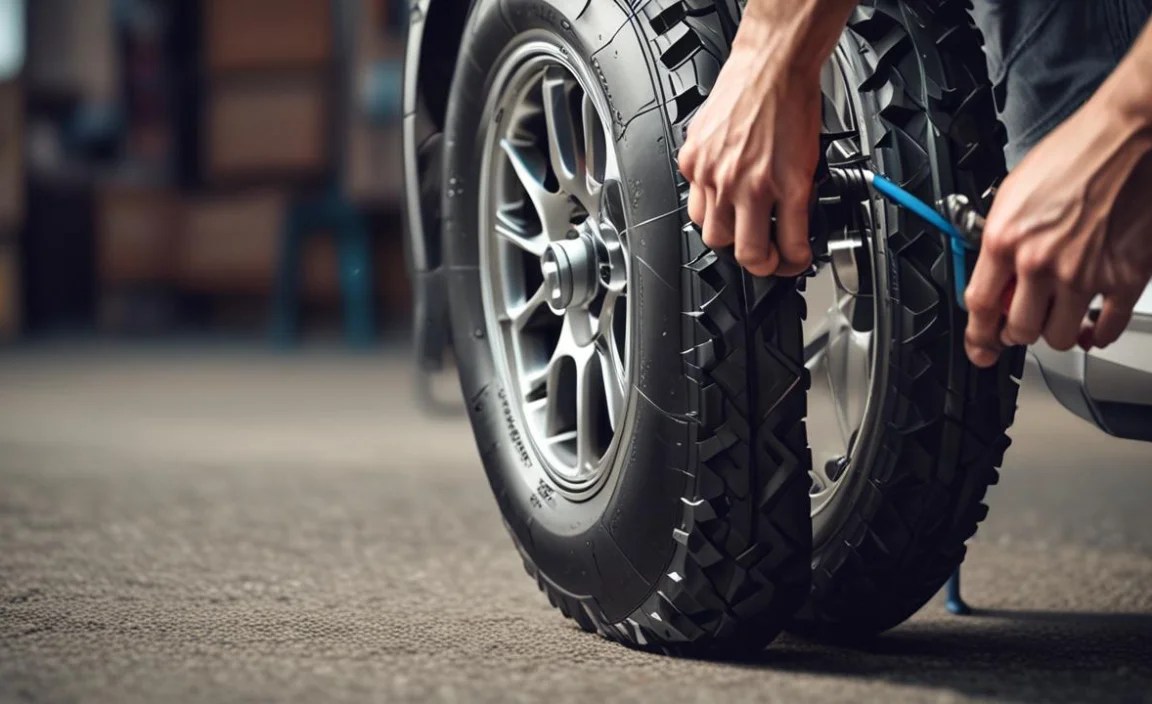
Even with the right tools and techniques, you might encounter some common issues when inflating tubeless tires. Here are a few troubleshooting tips to help you overcome these challenges.
Tire Won’t Seat
If the tire won’t seat properly, make sure the tire bead is centered in the rim channel. Apply soapy water or tire mounting lube to the tire beads to help them slide onto the rim more easily. You can also try using a strap around the circumference of the tire to push the beads towards the rim while inflating.
Air Leaks
If you’re experiencing air leaks, check the rim tape for any damage or creases. Ensure the tubeless valve stem is properly seated and tightened. You can also add more tire sealant to help seal any small leaks. If the leaks persist, you may need to replace the rim tape or valve stem.
Valve Stem Clogs
Tire sealant can sometimes clog the valve stem, making it difficult to inflate or deflate the tire. To prevent this, always store your bike with the valve stem at the top. If the valve stem does become clogged, use a valve core removal tool to remove the core and clean it with a small brush or needle.
Tips for Maintaining Your Tubeless Setup

To keep your tubeless setup running smoothly, here are some tips for regular maintenance.
- Check Tire Pressure Regularly: Use a reliable tire pressure gauge to check your tire pressure before each ride. Adjust the pressure as needed based on your riding conditions.
- Inspect Tires for Damage: Regularly inspect your tires for cuts, punctures, or wear. Replace the tires as needed to maintain optimal performance and safety.
- Top Up Sealant: Tire sealant dries out over time, so it’s important to top it up every few months. Remove the valve core and use a sealant injector to add fresh sealant.
- Clean Valve Stems: Periodically clean your valve stems to prevent clogs and ensure proper airflow. Remove the valve core and use a small brush or needle to clean the stem.
- Re-Tape Rims: Rim tape can deteriorate over time, so it’s a good idea to re-tape your rims every year or two. This will help maintain an airtight seal and prevent leaks.
Table: Thread-on vs. Press-on Chucks
| Feature | Thread-on Chuck | Press-on Chuck |
|---|---|---|
| Security | Extremely Secure | Secure when properly engaged |
| Ease of Use | Requires threading; slightly slower | Quick attachment and detachment |
| Best For | Situations needing maximum security | Frequent use and quick adjustments |
| Cost | Typically mid-range | Typically mid-range |
Table: Common Tubeless Inflation Problems and Solutions
| Problem | Possible Causes | Solutions |
|---|---|---|
| Tire won’t seat | Low air volume, dry tire beads, poor rim tape | Use a high-volume pump, apply soapy water, check/replace rim tape |
| Air leaks | Damaged rim tape, loose valve stem, small punctures | Replace rim tape, tighten valve stem, add more sealant |
| Valve stem clogs | Dried sealant | Clean valve stem, store bike with valve stem at top |
| Tire deforms | Over inflation | Release air to recommended pressure |
Recommended Products
Selecting the right tools can greatly improve your tubeless tire inflation experience. Here are some recommended products that I’ve found to be reliable and effective.
- Thread-on Chuck: Topeak SmartHead ThreadLock – This chuck provides an excellent airtight seal and is compatible with both Presta and Schrader valves.
- Press-on Chuck: Lezyne ABS Flip Thread Chuck – Known for its durable construction and easy-to-use design, this chuck is a favorite among cyclists.
- Floor Pump: Bontrager TLR Flash Charger Pump – This pump is designed specifically for tubeless tires, delivering a high-volume burst of air to seat the beads quickly.
- Tire Sealant: Stan’s NoTubes Tire Sealant – A trusted sealant for its ability to seal punctures effectively and last long.
FAQ About Using a Chuck for Tubeless Tire Inflation
Here are some frequently asked questions about using a chuck for tubeless tire inflation, along with clear and concise answers.
What is the difference between a thread-on and press-on chuck?
A thread-on chuck screws onto the valve stem for a secure connection, while a press-on chuck is pressed onto the valve stem and held in place by a lever or clip. Thread-on chucks are more secure but slower to attach, while press-on chucks are quicker and more convenient.
Can I use a regular pump head for tubeless inflation?
While you can try, a regular pump head often doesn’t provide a secure enough seal for tubeless inflation. A chuck is designed specifically to create an airtight connection, making it much easier to seat the tire beads properly. Therefore, a chuck is highly recommended.
How much tire sealant should I use?
The amount of tire sealant you should use depends on the size of your tire. Refer to the sealant manufacturer’s instructions for the recommended amount. As a general guideline, use about 30-60ml for road tires and 60-120ml for mountain bike tires.
What if the tire won’t seat even with a chuck?
If the tire won’t seat even with a chuck, make sure the tire bead is centered in the rim channel. Apply soapy water or tire mounting lube to the tire beads to help them slide onto the rim more easily. You can also try using a strap around the circumference of the tire to push the beads towards the rim while inflating.
How often should I check my tire pressure with a tubeless setup?
You should check your tire pressure before each ride to ensure it’s within the recommended range. Tubeless tires tend to lose air more slowly than tubed tires, but it’s still important to maintain proper pressure for optimal performance and safety.
Is it okay to mix different brands of tire sealant?
It’s generally not recommended to mix different brands of tire sealant, as they may not be compatible and could cause clumping or other issues. Stick to using the same brand of sealant for the best results.
How do I know if my rims and tires are tubeless-ready?
Tubeless-ready rims and tires will be specifically labeled as such. Look for markings on the rim and tire sidewall indicating that they are compatible with tubeless setups. Additionally, tubeless-ready rims will have a special rim bed designed to create an airtight seal with the tire.
Conclusion
Mastering tubeless tire inflation with a chuck is a valuable skill for any cyclist. By following this guide, you’ll be well-equipped to set up and maintain your tubeless tires with confidence. A proper chuck ensures an airtight seal, making the inflation process smoother and more efficient. Remember to always double-check for leaks and maintain your setup to enjoy the full benefits of tubeless tires: better grip, fewer flats, and a more comfortable ride. Happy cycling!


