
How to Identify High-Quality Hose Fittings: Easy Guide

Quick Summary: To identify high-quality hose fittings, examine the material (brass or stainless steel are best), check for precise threading and smooth surfaces, and ensure secure connections without leaks. Look for certifications like NSF or ASTM, and consider reputable brands known for durability. A good fitting will feel solid and properly sized for your hose.
Ever struggled with a leaky hose connection? It’s frustrating! A low-quality hose fitting can ruin your day, whether you’re watering your garden or working on your bike pump. But don’t worry, spotting a good fitting isn’t as hard as you think. This guide will show you exactly what to look for so you can choose fittings that last. We’ll cover materials, threads, certifications, and more. Ready to say goodbye to leaks and hello to reliable connections?
Understanding Hose Fitting Materials
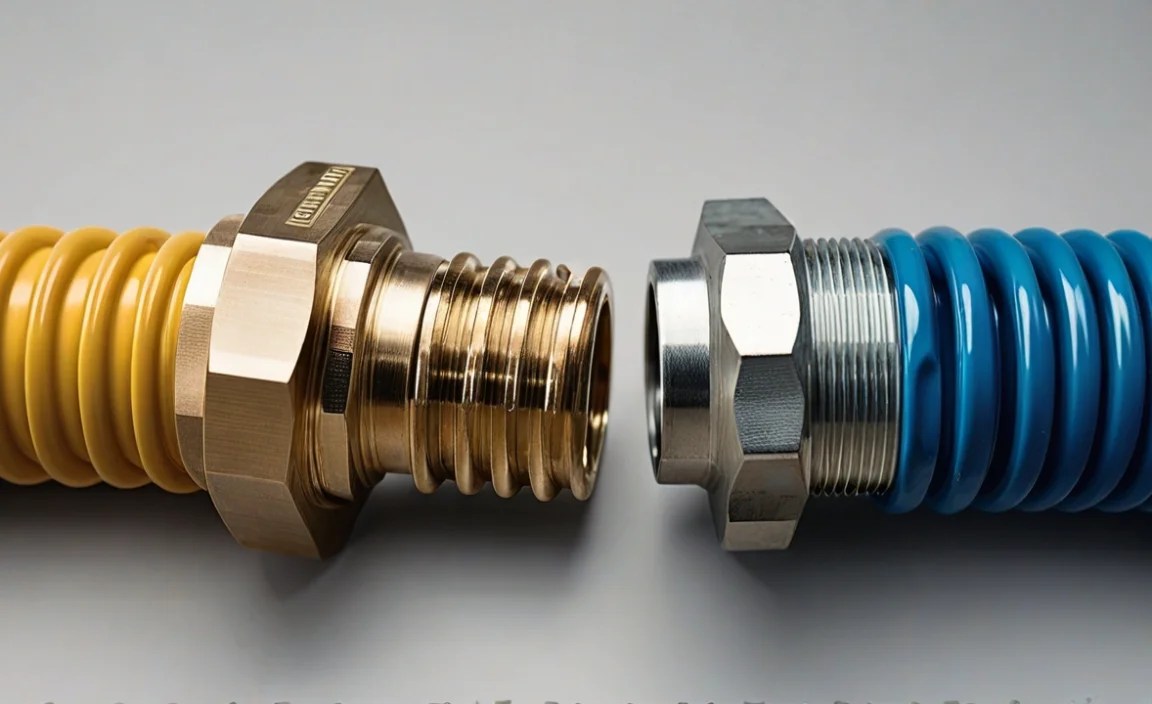
The material of a hose fitting is the first thing you should consider. It determines the fitting’s durability, resistance to corrosion, and overall lifespan. Here’s a breakdown of common materials:
Brass
Brass is a popular choice for hose fittings due to its excellent corrosion resistance and durability. It’s also relatively inexpensive compared to other materials.
- Pros: Corrosion-resistant, durable, readily available, cost-effective.
- Cons: Can contain lead (look for lead-free options), not as strong as stainless steel.
Stainless Steel
Stainless steel is the premium choice for hose fittings. It offers superior strength, corrosion resistance, and longevity. It’s ideal for applications where durability is critical.
- Pros: Excellent corrosion resistance, high strength, long lifespan.
- Cons: More expensive than brass or plastic.
Plastic
Plastic fittings are lightweight and inexpensive. They are suitable for low-pressure applications and where corrosion is a major concern.
- Pros: Lightweight, inexpensive, corrosion-resistant.
- Cons: Lower strength and durability, not suitable for high-pressure applications, prone to cracking.
Aluminum
Aluminum fittings offer a good balance of strength and weight. They are often used in applications where weight is a concern, but they may not be as corrosion-resistant as brass or stainless steel.
- Pros: Lightweight, good strength-to-weight ratio.
- Cons: Can corrode, not as durable as brass or stainless steel.
Here’s a quick comparison table to help you decide:
| Material | Pros | Cons | Best Use |
|---|---|---|---|
| Brass | Corrosion-resistant, durable, cost-effective | Can contain lead, not as strong as stainless steel | General-purpose, gardening, low-pressure applications |
| Stainless Steel | Excellent corrosion resistance, high strength, long lifespan | More expensive | High-pressure applications, marine environments, extreme temperatures |
| Plastic | Lightweight, inexpensive, corrosion-resistant | Lower strength, not for high pressure, prone to cracking | Low-pressure applications, where weight is a concern |
| Aluminum | Lightweight, good strength-to-weight ratio | Can corrode, not as durable as brass or stainless steel | Applications where weight is a concern |
Examining the Threads and Surface Quality

The quality of the threads and surface finish is a key indicator of a high-quality hose fitting. Poorly made threads can lead to leaks and connection failures.
Thread Quality
Carefully inspect the threads on the fitting. They should be clean, sharp, and consistent. Avoid fittings with damaged, flattened, or irregular threads.
- Clean Threads: Ensure there are no burrs or debris on the threads.
- Sharp Threads: The threads should have a distinct edge, not rounded or worn.
- Consistent Threads: The spacing between threads should be uniform.
Surface Finish
A smooth, even surface finish indicates a high-quality manufacturing process. Rough or pitted surfaces can indicate poor quality materials or manufacturing defects.
- Smooth Surface: The fitting should have a smooth, consistent finish without any rough spots.
- No Pits or Blemishes: Check for any signs of pitting, corrosion, or other surface defects.
Thread Engagement
When you connect the fitting to a hose or another fitting, pay attention to how easily the threads engage. A high-quality fitting should thread smoothly and securely without excessive force.
- Smooth Engagement: The threads should engage smoothly without any binding or resistance.
- Secure Connection: The fitting should tighten securely without stripping or cross-threading.
Checking for Certifications and Standards

Certifications and standards ensure that hose fittings meet specific performance and safety requirements. Look for these certifications to ensure you’re getting a high-quality product.
NSF International
NSF International certifies that the fitting meets specific standards for safety and performance. This is particularly important for fittings used in potable water systems. Learn more about NSF standards on their official website.
ASTM International
ASTM International develops and publishes technical standards for a wide range of materials, products, systems, and services. Look for ASTM standards relevant to hose fittings to ensure they meet specific performance criteria.
SAE International
SAE International sets standards for engineering practices, particularly in the automotive, aerospace, and commercial vehicle industries. SAE standards for hose fittings ensure compatibility and performance in these applications.
Here’s a table summarizing these certifications:
| Certification | Description | Significance |
|---|---|---|
| NSF International | Certifies safety and performance standards | Ensures the fitting is safe for potable water systems |
| ASTM International | Develops technical standards for materials and products | Ensures the fitting meets specific performance criteria |
| SAE International | Sets standards for engineering practices | Ensures compatibility and performance in automotive, aerospace, and commercial vehicle applications |
Evaluating the Fitting’s Design and Construction

The design and construction of a hose fitting play a crucial role in its performance and longevity. A well-designed fitting will provide a secure, leak-free connection and withstand the demands of its intended application.
Wall Thickness
The wall thickness of a fitting is an indicator of its strength and durability. Thicker walls generally mean a stronger fitting that can withstand higher pressures and stresses.
- Adequate Thickness: Ensure the fitting has sufficient wall thickness to withstand the intended pressure and stress.
- Uniform Thickness: The wall thickness should be consistent throughout the fitting to ensure uniform strength.
Sealing Mechanisms
The sealing mechanism is critical for preventing leaks. Common sealing mechanisms include threads, O-rings, and compression fittings.
- Threaded Connections: Ensure the threads are clean, sharp, and properly sized for a secure connection.
- O-Rings: Check that O-rings are made of a durable material and properly seated in their grooves.
- Compression Fittings: Ensure the compression sleeve is properly sized and made of a compatible material.
Fitting Type
Different types of fittings are designed for specific applications. Choose the right type of fitting for your needs to ensure a secure, leak-free connection.
- Threaded Fittings: Suitable for general-purpose applications.
- Compression Fittings: Ideal for applications where frequent disassembly is required.
- Barb Fittings: Used with flexible tubing and secured with hose clamps.
- Quick-Connect Fittings: Allow for quick and easy connections and disconnections.
Considering the Brand Reputation and Warranty
The brand reputation and warranty offered by the manufacturer can provide valuable insights into the quality and reliability of a hose fitting. Reputable brands often have a track record of producing high-quality products and offer warranties to back them up.
Brand Reputation
Research the brand to see what other customers say about their products. Look for reviews and testimonials to get an idea of the brand’s reputation for quality and reliability.
- Customer Reviews: Read reviews on websites like Amazon, Home Depot, and industry-specific forums.
- Industry Recognition: Look for brands that have been recognized by industry associations or publications.
Warranty
A warranty is a manufacturer’s promise to repair or replace a defective product. A generous warranty can indicate that the manufacturer has confidence in the quality of their products.
- Warranty Length: Longer warranties generally indicate higher quality.
- Warranty Coverage: Understand what the warranty covers and what it excludes.
Assessing the Fitting’s Weight and Feel
The weight and feel of a hose fitting can also indicate its quality. A high-quality fitting will typically feel solid and substantial.
Weight
A heavier fitting is often an indication of higher quality materials and construction. However, this isn’t always the case, as some materials are denser than others.
- Substantial Weight: The fitting should feel solid and substantial in your hand.
- Consistent Weight: The weight should be consistent with the size and type of fitting.
Feel
The fitting should feel smooth and well-made. There shouldn’t be any rough edges, sharp corners, or other imperfections.
- Smooth Finish: The fitting should have a smooth, consistent finish.
- No Imperfections: Check for any signs of imperfections, such as cracks, dents, or burrs.
Conducting a Pressure Test
If possible, conduct a pressure test to ensure the fitting can withstand the intended pressure without leaking. This is particularly important for high-pressure applications.
Test Setup
Set up a test rig with a pressure gauge and a source of pressurized fluid or air.
Test Procedure
Connect the fitting to the test rig and gradually increase the pressure while monitoring for leaks. Observe the fitting for any signs of deformation or failure.
Safety Precautions
Always wear safety glasses and other appropriate protective gear when conducting a pressure test. Follow all safety guidelines and procedures.
Understanding Different Types of Hose Fittings
There are various types of hose fittings, each designed for specific applications. Knowing the differences can help you choose the right fitting for your needs.
Threaded Fittings
Threaded fittings are the most common type of hose fitting. They use threads to create a secure connection.
- NPT (National Pipe Thread): A tapered thread commonly used in North America.
- BSP (British Standard Pipe): A parallel thread used in many countries outside North America.
- Metric Threads: Used in many European and Asian countries.
Compression Fittings
Compression fittings use a compression sleeve to create a seal. They are ideal for applications where frequent disassembly is required.
Barb Fittings
Barb fittings have a barbed end that is inserted into a flexible hose and secured with a hose clamp.
Quick-Connect Fittings
Quick-connect fittings allow for quick and easy connections and disconnections. They are often used in pneumatic and hydraulic systems.
Here’s a table summarizing different types of hose fittings:
| Fitting Type | Description | Best Use |
|---|---|---|
| Threaded Fittings | Use threads to create a secure connection | General-purpose applications |
| Compression Fittings | Use a compression sleeve to create a seal | Applications where frequent disassembly is required |
| Barb Fittings | Have a barbed end that is inserted into a flexible hose and secured with a hose clamp | Flexible tubing applications |
| Quick-Connect Fittings | Allow for quick and easy connections and disconnections | Pneumatic and hydraulic systems |
Avoiding Common Mistakes When Selecting Hose Fittings
Choosing the wrong hose fitting can lead to leaks, connection failures, and other problems. Here are some common mistakes to avoid:
Mismatched Thread Types
Using fittings with different thread types (e.g., NPT and BSP) can result in a poor seal and leaks. Always use fittings with compatible thread types.
Overtightening Fittings
Overtightening fittings can damage the threads and cause leaks. Tighten fittings to the recommended torque specification.
Using the Wrong Material
Using fittings made of the wrong material can lead to corrosion, failure, and other problems. Choose a material that is compatible with the fluid or gas being conveyed.
Ignoring Pressure and Temperature Ratings
Ignoring the pressure and temperature ratings of fittings can result in catastrophic failures. Always choose fittings that are rated for the intended pressure and temperature.
FAQ: Identifying High-Quality Hose Fittings
Here are some frequently asked questions to help you better understand how to identify high-quality hose fittings.
What is the best material for hose fittings?
Brass and stainless steel are generally considered the best materials for hose fittings due to their durability and corrosion resistance. Stainless steel is ideal for high-pressure applications, while brass is a good option for general-purpose use.
How can I tell if a hose fitting has good threads?
Good threads should be clean, sharp, and consistent. Avoid fittings with damaged, flattened, or irregular threads. The threads should engage smoothly without excessive force.
What certifications should I look for in a hose fitting?
Look for certifications such as NSF International, ASTM International, and SAE International. These certifications ensure that the fitting meets specific performance and safety requirements.
Why is wall thickness important in a hose fitting?
Wall thickness is an indicator of a fitting’s strength and durability. Thicker walls generally mean a stronger fitting that can withstand higher pressures and stresses.
How can I check for leaks in a hose fitting?
Conduct a pressure test to ensure the fitting can withstand the intended pressure without leaking. Monitor the fitting for any signs of deformation or failure.
What are the different types of hose fittings?
Common types of hose fittings include threaded fittings, compression fittings, barb fittings, and quick-connect fittings. Each type is designed for specific applications.
Is it worth paying more for a high-quality hose fitting?
Yes, investing in high-quality hose fittings can save you money and hassle in the long run. High-quality fittings are more durable, reliable, and less likely to leak or fail.
Conclusion
Choosing high-quality hose fittings doesn’t have to be a mystery. By focusing on the material, thread quality, certifications, and design, you can confidently select fittings that will provide reliable, leak-free performance. Remember to consider the brand reputation and warranty for added peace of mind. With these tips, you’ll be well-equipped to make informed decisions and avoid the frustrations of low-quality fittings, ensuring your projects and repairs go smoothly every time. Happy cycling!


