
Easy: How to Use Shock Pump When Access is Tough

Have you ever tried pumping air into a bike tire? It can be easy. But what if you need to add air to your bike’s suspension? Sometimes, it’s tricky to reach the valve. This is especially true if the suspension is in a tight spot. So, how to use shock pump when suspension is difficult to access? Let’s find out!
Bike suspensions help you ride smoothly. They soak up bumps on the trail. Keeping them inflated is important. We will teach you some tricks. These tricks will make it easier to keep your suspension working great.
Key Takeaways
- Using a shock pump extension hose helps reach valves in tight spaces.
- Knowing your bike’s suspension pressure needs prevents over or under-inflation.
- How to use shock pump when suspension is difficult to access involves patience and the right tools.
- Always double-check the shock pump connection to avoid air leaks.
- Regularly maintaining your suspension ensures optimal performance and safety.
Understanding Suspension and Shock Pumps

Before we talk about how to use shock pump when suspension is difficult to access, let’s learn about suspensions. Bike suspensions are like little springs. They make your ride smoother. They absorb bumps and jumps. This keeps you comfortable. Suspensions have air inside them. This air helps them work. Over time, some air can leak out. That’s why we use shock pumps. Shock pumps are special pumps. They add air to your suspension. They have a gauge. The gauge tells you how much air is inside. This helps you get the right amount of air. Using a regular tire pump won’t work. Tire pumps add too much air too fast. Shock pumps let you add small amounts of air. This keeps your suspension safe and working well. Always use a shock pump for your suspension!
- Suspensions make your ride smoother.
- Shock pumps add air to suspensions.
- Regular pumps add too much air.
- Gauges show how much air is inside.
- Air can leak out over time.
Now you know why we need shock pumps. Keeping your suspension in good shape is very important. It helps you ride better. It also keeps you safe. Make sure to check your suspension often. Add air when needed. If you don’t, your suspension might not work right. This can make your ride bumpy. It can even be dangerous. So, take care of your suspension. It will take care of you! Always remember to use the right tool. A shock pump is the only safe way to add air to your suspension. This will keep you riding smoothly for a long time.
Fun Fact or Stat: Did you know that mountain bike suspension can travel up to 200mm? That’s almost 8 inches!
Why Do We Need Suspension?
Have you ever ridden your bike over a bumpy road? Did you feel every bump? Without suspension, your bike would be very uncomfortable. Suspension helps absorb those bumps. It makes your ride smoother. It also helps you stay in control. When your wheels stay on the ground, you can steer better. This is important for safety. Good suspension can make a big difference. It can make riding more fun. It can also make you faster. Many bikes have suspension. Mountain bikes usually have front and rear suspension. Road bikes sometimes have small amounts of suspension. This helps them handle rough roads. Suspension is a great invention!
What Is a Shock Pump?
Imagine trying to fill a balloon with a tiny needle. That would be hard, right? A shock pump is like a special needle for your suspension. It lets you add air very slowly. This is important because too much air can damage your suspension. Shock pumps have a gauge. This gauge shows how much air you are adding. You can see the exact pressure. This helps you get the right amount of air. Regular pumps don’t have gauges like this. They add air too quickly. Always use a shock pump for your suspension. It’s the best way to keep it working well.
Different Types of Suspension
Did you know there are different kinds of suspension? Some bikes have only front suspension. These are called hardtails. Other bikes have front and rear suspension. These are called full-suspension bikes. Front suspension helps absorb bumps in the front. Rear suspension helps absorb bumps in the back. Some suspensions use air. Others use springs. Air suspension is lighter. It’s also easier to adjust. Spring suspension is often more durable. The best type of suspension depends on what kind of riding you do. Mountain bikers often prefer full suspension. Road bikers might prefer a hardtail or a bike with minimal suspension.
Identifying Difficult-to-Access Suspension Valves

Sometimes, it’s hard to reach the valve on your suspension. This is where knowing how to use shock pump when suspension is difficult to access becomes super helpful. Some bikes have valves hidden behind parts. Others have valves in tight spaces. Look closely at your suspension. Can you easily see the valve? Can you easily attach the shock pump? If not, you have a difficult-to-access valve. Don’t worry! There are ways to deal with this. Knowing where your valve is located is the first step. Then, you can find tools to help you reach it. Always be careful when working around your bike’s suspension. You don’t want to damage anything. With a little patience, you can always get the job done!
- Check if the valve is easy to see.
- See if the pump fits easily.
- Look for tight spaces.
- Note any parts blocking the valve.
- Patience is key.
Identifying the problem is half the battle. Once you know the valve is hard to reach, you can plan. Think about what tools might help. A shock pump with a flexible hose is often useful. An extension adapter can also work. These tools give you more room to move. They let you reach the valve without bumping into other parts. Always take your time. Rushing can lead to mistakes. Make sure the pump is securely attached. This will prevent air leaks. A little planning can make the job much easier. It will also protect your bike.
Fun Fact or Stat: Some professional mountain bikers spend over 30 minutes setting up their suspension before a race!
Common Bike Designs
Different bikes have different designs. Some designs make it harder to reach the suspension valve. Mountain bikes often have complex suspension systems. These systems can block the valve. Road bikes usually have simpler suspension. But the valve can still be in a tight spot. Cruiser bikes and hybrid bikes have different designs too. Each design presents its own challenges. Knowing your bike’s design is important. It helps you understand where the valve is located. It also helps you choose the right tools. Some bikes need special adapters. Others just need a flexible hose. Always check your bike’s manual. It can give you helpful information.
Location of Valves
Where is the valve located on your suspension? Is it on the top? Is it on the bottom? Is it on the side? The location matters. Valves on the bottom can be hard to reach. Valves on the side can be blocked by other parts. Valves on the top are usually easier to access. But even these can be tricky. Sometimes, the frame gets in the way. Other times, cables are in the way. Pay attention to the location of the valve. This will help you figure out the best way to reach it. Some valves are also very small. This can make them hard to attach to the pump.
Obstructions Around the Valve
What’s around the valve? Are there cables? Is there part of the frame? Are there other suspension parts? These things can get in the way. They can make it hard to attach the pump. They can also make it hard to see what you’re doing. Sometimes, you can move these things out of the way. Other times, you need to work around them. Be careful not to damage anything. Don’t pull on cables too hard. Don’t scratch the frame. Patience is key. Take your time. Work slowly. You’ll get the job done without causing any damage.
Tools for Accessing Difficult Valves
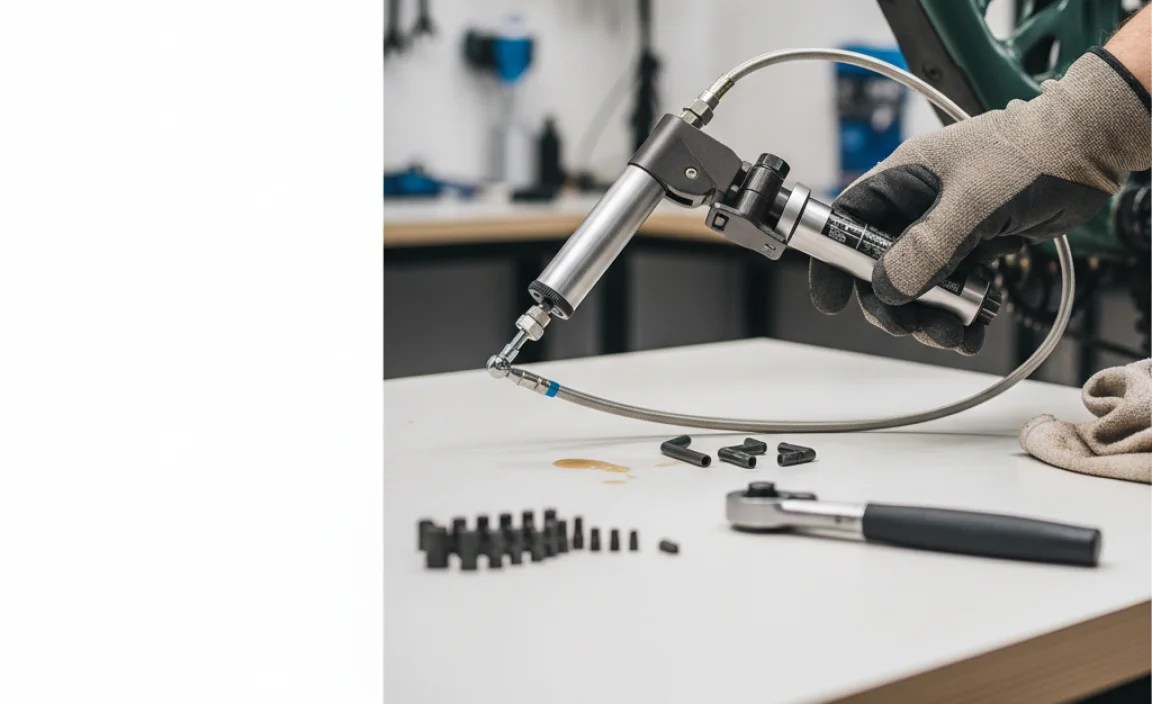
Now that you know about tricky valves, let’s talk about tools. Knowing how to use shock pump when suspension is difficult to access often means having the right tools. There are many helpful tools. Shock pumps with flexible hoses are great. They let you reach around obstacles. Extension adapters add more space. They give you more room to work. Some pumps have rotating heads. These heads let you angle the pump. This can be very helpful in tight spaces. Also, don’t forget about good lighting. A flashlight can help you see the valve. It can also help you see what you’re doing. With the right tools, any valve can be accessed!
- Flexible hose shock pumps are useful.
- Extension adapters add space.
- Rotating pump heads help with angles.
- Flashlights improve visibility.
- Proper tools prevent damage.
Choosing the right tool depends on the problem. If the valve is far away, an extension adapter is best. If the valve is blocked by something, a flexible hose is better. If you can’t see the valve, a flashlight is essential. Sometimes, you need to use more than one tool. You might need a flexible hose and a flashlight. The key is to be prepared. Have a few different tools on hand. This way, you’ll be ready for anything. Also, make sure your tools are in good condition. A broken tool can make the job even harder.
Fun Fact or Stat: The first mountain bike suspension systems appeared in the late 1970s!
Shock Pumps with Flexible Hoses
Have you ever tried to bend a stiff hose into a tight space? It’s not easy! Flexible hoses are much better. They can bend and twist. This lets you reach valves in tricky spots. Look for a shock pump with a long, flexible hose. This will give you more reach. Make sure the hose is strong. You don’t want it to break. A good hose will make your life much easier. It will also protect your bike from scratches. Flexible hoses are a must-have for anyone with a bike with suspension.
Extension Adapters
Imagine needing to reach something that’s just a little too far away. An extension adapter is like a helping hand. It adds extra length to your shock pump. This extra length can make all the difference. It can help you reach valves that are deep inside the frame. Extension adapters are small and easy to use. Just screw it onto the end of your pump. Then, attach the pump to the valve. Make sure everything is tight. This will prevent air leaks. Extension adapters are a simple but effective tool.
Lighting Solutions
Can you imagine trying to work in the dark? It would be very difficult. Good lighting is essential. It helps you see what you’re doing. A flashlight is a simple solution. A headlamp is even better. It keeps your hands free. Shine the light on the valve. Make sure you can see everything clearly. This will help you attach the pump correctly. It will also help you avoid damaging anything. Good lighting is a small thing. But it can make a big difference. Always have a flashlight handy when working on your bike.
Step-by-Step Guide to Using a Shock Pump
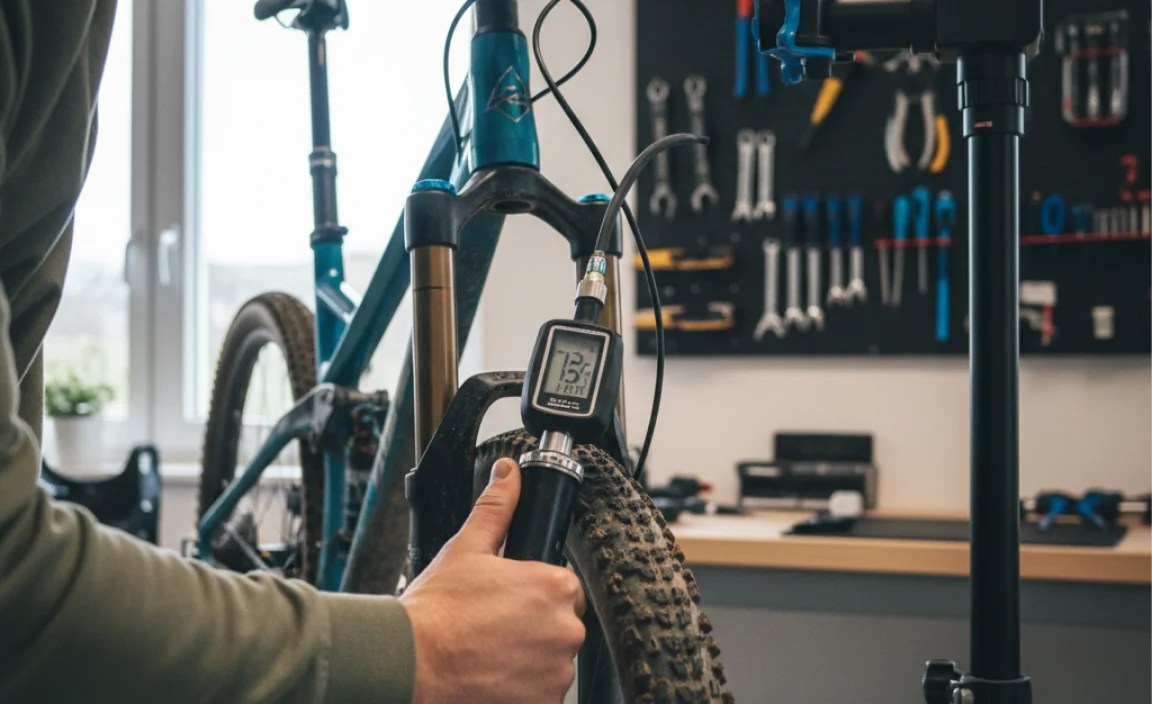
Now, let’s get to the steps on how to use shock pump when suspension is difficult to access. First, find the valve on your suspension. Next, attach the shock pump. Make sure it’s on tight. You don’t want any air to leak out. Then, check the gauge on the pump. See how much air is already inside. Now, start pumping. Pump slowly and steadily. Watch the gauge. Stop when you reach the right pressure. Finally, remove the pump carefully. Check the pressure again. You’re done! It’s easy once you know how.
| Step | Action | Tip |
|---|---|---|
| 1 | Locate the valve | Use a flashlight if needed. |
| 2 | Attach the pump | Ensure a secure connection. |
| 3 | Check the gauge | Note the current pressure. |
| 4 | Pump slowly | Watch the gauge closely. |
| 5 | Remove the pump | Be careful to avoid leaks. |
Following these steps will help you. It will make the process smoother. Remember to always be careful. Don’t rush. Make sure everything is secure. If you’re not sure about something, ask for help. A bike shop can show you how to do it. They can also help you choose the right tools. With a little practice, you’ll become a pro. You’ll be able to keep your suspension in top shape. This will make your rides more enjoyable. It will also keep you safe on the trails.
Fun Fact or Stat: Some shock pumps can measure pressure up to 300 PSI (pounds per square inch)!
Preparing Your Bike
Before you start, get your bike ready. Make sure it’s clean. Dirt can get into the valve. This can cause problems. Clean the area around the valve. Use a clean cloth. Check the valve for damage. If it’s damaged, don’t use it. Get it fixed first. Make sure you have the right tools. Have your shock pump, extension adapter, and flashlight ready. Find a comfortable place to work. You don’t want to be in a hurry. Take your time. Being prepared will make the job easier.
Attaching the Shock Pump
Attaching the shock pump is important. If you don’t attach it right, air will leak out. This can be frustrating. It can also be dangerous. Make sure the pump is lined up correctly. Push it onto the valve firmly. You should hear a click. This means it’s locked in place. If you don’t hear a click, try again. Wiggle the pump a little. Make sure it’s secure. Check for air leaks. If you hear air leaking, stop. Reattach the pump. Make sure it’s on tight. A good connection is essential.
Pumping to the Correct Pressure
How much air do you need? This is a very important question. Too much air can damage your suspension. Too little air can make your ride bumpy. Check your bike’s manual. It will tell you the right pressure. The pressure is measured in PSI. Look at the gauge on the shock pump. Pump slowly. Watch the gauge. Stop when you reach the right PSI. It’s better to add a little too little air. You can always add more. It’s harder to take air out. Be careful. Get the pressure right.
Avoiding Common Mistakes
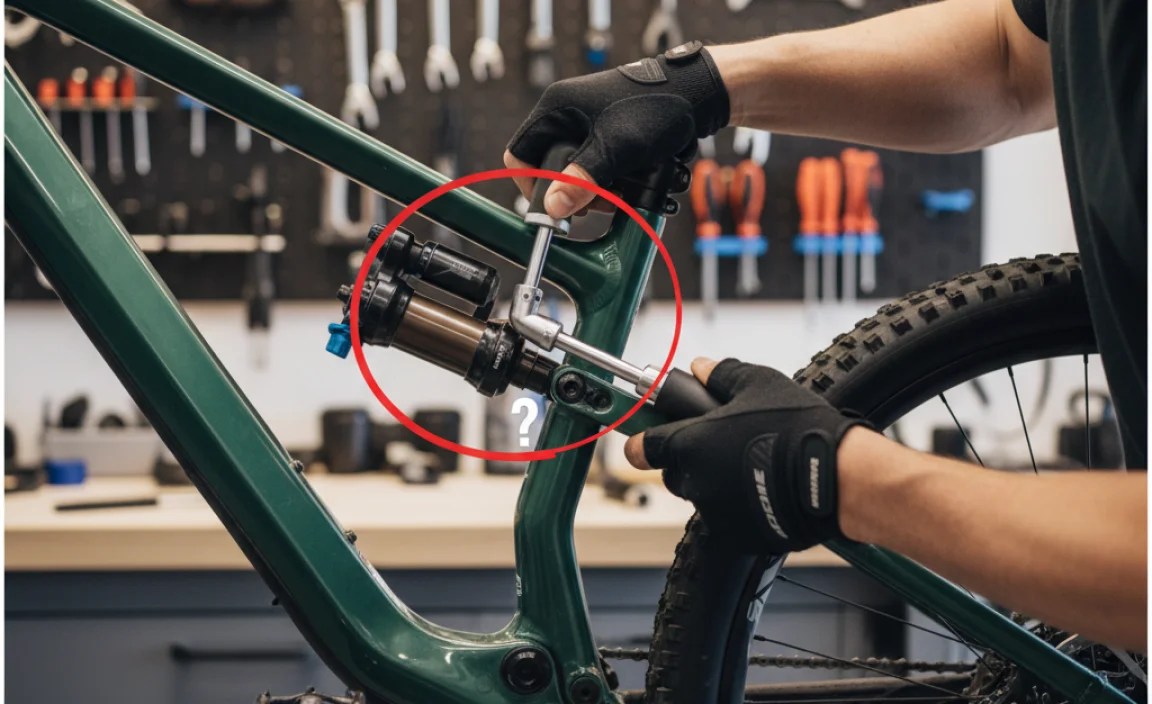
Even with the right tools, mistakes can happen. Knowing how to use shock pump when suspension is difficult to access also means knowing what to avoid. One common mistake is over-inflating the suspension. This can damage it. Another mistake is not attaching the pump correctly. This causes air leaks. Also, be careful not to cross-thread the valve. This can ruin it. Always double-check everything. Read the instructions carefully. If you’re not sure, ask for help. Avoiding these mistakes will keep your suspension working well.
- Avoid over-inflating the suspension.
- Attach the pump correctly.
- Don’t cross-thread the valve.
- Double-check everything.
- Read instructions carefully.
- Ask for help if needed.
Mistakes can be frustrating. But they are also learning opportunities. If you make a mistake, don’t give up. Take a deep breath. Figure out what went wrong. Try again. With practice, you’ll get better. You’ll learn how to avoid these mistakes. You’ll become a suspension expert. Remember, everyone makes mistakes. The important thing is to learn from them. Keep practicing. You’ll be able to keep your suspension in top shape for a long time.
Fun Fact or Stat: Suspension technology is also used in cars, motorcycles, and even airplanes!
Over-Inflation Issues
Too much air is bad. It can damage your suspension. It can make it stiff and uncomfortable. It can even cause it to break. Always check the recommended pressure. Don’t go over it. If you accidentally over-inflate, let some air out. Use the release valve on the shock pump. Release the air slowly. Check the pressure again. Make sure it’s right. Over-inflation is a common mistake. But it’s easy to avoid. Just be careful and pay attention.
Air Leaks and How to Prevent Them
Air leaks are annoying. They can make it hard to get the right pressure. They can also waste your time. To prevent air leaks, make sure the pump is attached correctly. Check the valve for damage. If it’s damaged, replace it. Use Teflon tape on the valve threads. This will help seal the connection. Don’t over-tighten the pump. This can damage the valve. Be gentle. Check for leaks after you attach the pump. If you hear air leaking, stop. Reattach the pump. Make sure it’s on tight.
Cross-Threading Problems
Cross-threading is when you don’t line up the threads correctly. This can damage the valve. It can also damage the pump. To avoid cross-threading, take your time. Line up the threads carefully. Turn the pump slowly. If it feels tight, stop. Back it off. Try again. Don’t force it. Forcing it will only make it worse. If you think you’ve cross-threaded the valve, stop. Get it fixed by a professional. A damaged valve is no good.
Maintaining Your Shock Pump
Your shock pump is a tool. Like any tool, it needs care. Knowing how to use shock pump when suspension is difficult to access also includes maintaining your tools. Keep it clean. Wipe it down after each use. Store it in a safe place. Don’t leave it in the sun. Check the hose for cracks. Replace the hose if needed. Also, check the gauge. Make sure it’s accurate. If it’s not accurate, get it fixed. A well-maintained shock pump will last longer. It will also work better.
- Keep the pump clean.
- Store it in a safe place.
- Check the hose for cracks.
- Make sure the gauge is accurate.
- Replace worn parts.
Taking care of your shock pump is easy. It doesn’t take much time. But it can make a big difference. A clean pump works better. A well-stored pump lasts longer. A pump with a good hose is safer. A pump with an accurate gauge is more reliable. So, take a few minutes to care for your shock pump. It will thank you for it. You’ll be able to keep your suspension in top shape for years to come.
Fun Fact or Stat: Some high-end shock pumps have digital gauges for even more precise readings!
Cleaning Your Shock Pump
Dirt and grime can damage your shock pump. They can clog the valve. They can also make the gauge inaccurate. To clean your shock pump, use a clean cloth. Wipe it down after each use. Pay attention to the valve. Clean it carefully. Use a small brush to remove dirt. Don’t use soap or water. These can damage the pump. Just use a dry cloth. Cleaning your shock pump is easy. It will keep it working well for a long time.
Proper Storage
Where do you keep your shock pump? Do you leave it outside? Do you throw it in a toolbox? This is not good. Your shock pump needs proper storage. Store it in a clean, dry place. Keep it out of the sun. The sun can damage the hose. It can also fade the gauge. Store it in a case or bag. This will protect it from dust and dirt. Proper storage will help your shock pump last longer.
Checking and Replacing Parts
Over time, parts can wear out. The hose can crack. The gauge can become inaccurate. The valve can get damaged. Check your shock pump regularly. Look for signs of wear and tear. If you see a problem, replace the part. You can buy replacement parts online or at a bike shop. Replacing parts is easy. It’s also cheaper than buying a new pump. Keep your shock pump in good condition. It will keep your suspension in good condition too.
Knowing When to Seek Professional Help
Sometimes, you can’t do it all yourself. Knowing how to use shock pump when suspension is difficult to access might still require professional help. If you’re not sure what you’re doing, get help. If you’re having trouble attaching the pump, get help. If you’re damaging the valve, get help. A bike shop can help you. They have the tools and knowledge. They can fix your suspension. They can also teach you how to do it yourself. Don’t be afraid to ask for help. It’s better to be safe than sorry.
- Seek help if unsure.
- Get help with pump attachment.
- Seek help for valve damage.
- Bike shops offer assistance.
- Professional help ensures safety.
There’s no shame in asking for help. Even experienced riders need help sometimes. Bike shops are there to help you. They can answer your questions. They can show you the right way to do things. They can also fix problems that you can’t fix. Building a relationship with your local bike shop is a good idea. They can be a valuable resource. They can help you keep your bike in top shape. This will make your rides more enjoyable.
Fun Fact or Stat: Some professional bike mechanics have years of training and experience!
Recognizing Suspension Problems
How do you know if your suspension is working right? Does it feel smooth? Does it absorb bumps? If not, there might be a problem. Listen for strange noises. Look for leaks. Check the pressure. If you see or hear anything unusual, get it checked out. Suspension problems can be dangerous. They can affect your control of the bike. Don’t ignore them. Get them fixed as soon as possible.
When to Visit a Bike Shop
When should you go to a bike shop? If you’re not sure how to use a shock pump, go to a bike shop. If you’re having trouble attaching the pump, go to a bike shop. If you’re damaging the valve, go to a bike shop. If you see any problems with your suspension, go to a bike shop. A bike shop can diagnose the problem. They can fix it. They can also give you advice. Don’t wait until it’s too late. Visit a bike shop regularly.
Finding a Qualified Mechanic
Not all mechanics are the same. Some are better than others. How do you find a qualified mechanic? Ask your friends. Read online reviews. Look for certifications. A certified mechanic has special training. They know how to work on bikes. Choose a mechanic you trust. Someone who is honest and reliable. Someone who will do a good job. A good mechanic can make a big difference. They can keep your bike running smoothly.
Summary
Learning how to use shock pump when suspension is difficult to access can seem tricky. However, with the right tools and knowledge, it becomes much easier. Understanding your bike’s suspension system and the importance of proper inflation is key. Using tools like flexible hoses and extension adapters can help you reach those hard-to-access valves. Remember to always follow the proper steps. Avoid common mistakes like over-inflation and cross-threading. By taking care of your shock pump and knowing when to seek professional help, you can keep your suspension in top condition. This will ensure a smoother, safer, and more enjoyable ride.
Conclusion
Maintaining your bike’s suspension is important. It keeps you safe. It also makes your rides more fun. Learning how to use shock pump when suspension is difficult to access might seem hard at first. But with the right knowledge and tools, you can do it. Remember to take your time. Be careful. And don’t be afraid to ask for help. With a little practice, you’ll be able to keep your suspension working great. This will make every ride a pleasure.
Frequently Asked Questions
Question No 1: Why is it important to use a shock pump instead of a regular tire pump?
Answer: A shock pump is designed to add small amounts of air at high pressure. This is needed for bike suspensions. Regular tire pumps add too much air too quickly. This can damage the suspension. Shock pumps also have a gauge. This lets you see the exact pressure. This helps you get the right amount of air. Using the wrong pump can be dangerous. Always use a shock pump for your suspension. This will keep it safe and working well. When considering how to use shock pump when suspension is difficult to access, remember the pump type matters.
Question No 2: How do I know what pressure to put in my suspension?
Answer: The correct pressure depends on your bike. It also depends on your weight and riding style. Check your bike’s manual. It will give you a recommended pressure range. You can also find this information online. Start with the recommended pressure. Then, adjust it to your liking. More pressure makes the suspension stiffer. Less pressure makes it softer. Experiment until you find what works best for you. Always stay within the recommended range. This will prevent damage to your suspension. Also consider if you have to adjust the pressure based on how to use shock pump when suspension is difficult to access, for example, if there is any leakage during the process.
Question No 3: What should I do if I accidentally over-inflate my suspension?
Answer: Don’t panic! It’s easy to fix. Shock pumps have a release valve. Use this valve to let out some air. Release the air slowly. Check the gauge frequently. Stop when you reach the correct pressure. It’s better to let out a little too much air. You can always add more. Just be careful. Avoid over-inflating again. Over-inflation can damage your suspension. If you’re concerned about over-inflating when learning how to use shock pump when suspension is difficult to access, practice in an open, accessible area first.
Question No 4: How often should I check and adjust my suspension pressure?
Answer: Check your suspension pressure regularly. At least once a month. More often if you ride a lot. Air can leak out over time. This can affect your suspension’s performance. Before each ride, check for leaks. Look for oil or air. If you see a leak, get it fixed. Regular maintenance will keep your suspension working well. It will also prevent bigger problems. This regular check up is even more important if how to use shock pump when suspension is difficult to access is a regular challenge, as it may be more prone to issues.
Question No 5: What are some signs that my suspension needs service?
Answer: There are several signs. If your suspension feels rough or sticky, it needs service. If you hear strange noises, it needs service. If you see oil leaking, it needs service. If the pressure won’t hold, it needs service. Don’t ignore these signs. Get your suspension serviced by a professional. Regular service will keep it working well. It will also prevent expensive repairs. Ignoring these signs when you’re already struggling with how to use shock pump when suspension is difficult to access can lead to bigger problems.
Question No 6: Can I use any kind of extension hose with my shock pump?
Answer: No, you should only use extension hoses that are specifically designed for shock pumps. These hoses are made to handle the high pressures involved. Using a regular hose could be dangerous. It could burst and cause injury. Make sure the extension hose is compatible with your shock pump. Check the manufacturer’s instructions. Using the right tools is important for safety. When figuring out how to use shock pump when suspension is difficult to access, make sure you’re using the right extension hose.


