
Bike Floor Pump Tubeless: Your Ultimate Inflation Guide

Have you ever seen a bike with a flat tire? It’s no fun! You can’t ride it. But what if you could fix it easily? A bike floor pump tubeless can help. It makes inflating tires quick and simple. Let’s learn more about these helpful tools!
Have you heard of tubeless tires? They don’t have an inner tube inside. These tires need a special bike floor pump. This pump pushes air in fast. It seals the tire to the wheel. It can seem like magic, but it’s science!
Imagine you’re going on a fun bike ride. Suddenly, your tire starts to feel soft. Oh no, a flat! But you have your bike floor pump tubeless. You quickly pump up the tire. Now you can keep riding and enjoy your day. Isn’t that great?
Key Takeaways
- A bike floor pump tubeless is essential for bikes with tubeless tires.
- Using the right pump makes inflating tubeless tires much easier.
- Look for pumps with a clear gauge to see the tire pressure.
- Some pumps have extra features, like adapters for different valves.
- Keeping your tires properly inflated makes bike riding safer and more fun.
What Is a Bike Floor Pump Tubeless?

A bike floor pump tubeless is a special tool. It helps you fill tubeless bike tires with air. Tubeless tires don’t have an inner tube. Instead, they seal directly to the wheel. This needs a strong burst of air. A regular pump might not work. These pumps have a bigger air chamber. They can push more air quickly. This helps the tire seal properly. They also have a gauge. The gauge shows how much air is in the tire. This stops you from overfilling it. Overfilling can cause a tire to burst! Using the right pump makes a big difference. It makes fixing flat tires much easier. It also makes your ride safer and more fun. So, if you have tubeless tires, a bike floor pump tubeless is a must-have.
- It pumps a lot of air fast.
- It helps seal tubeless tires.
- It has a pressure gauge.
- It stops you from over-inflating.
- It makes fixing flats easier.
- It keeps your ride safe.
Think of a bike floor pump tubeless like a superhero for your tires. It’s there to save the day when your tire is flat. It gives your tire the power it needs to grip the road. This means you can ride faster and safer. It also makes sure your tires last longer. The right amount of air pressure prevents wear and tear. You won’t have to buy new tires as often. Taking care of your tires means taking care of yourself. A good pump is an investment in your safety and enjoyment. So, choose wisely and pump away!
How Does a Tubeless Pump Work?
Have you ever wondered how a tubeless pump works? It’s pretty cool! These pumps have two chambers. One chamber fills with air. The other chamber stores the air. When you push the handle, the air rushes out. It goes into your tire very quickly. This quick burst of air is important. It helps the tire seal against the wheel. Without this quick burst, the tire might not stay on. It might leak air. Some pumps have a switch. This switch lets you choose between high volume and high pressure. High volume is for filling the tire fast. High pressure is for getting the tire to the right PSI. The PSI is the measurement of air pressure. Knowing how your pump works can help you use it better.
Why Are They Different?
Tubeless pumps are different from regular pumps. Regular pumps push air slowly. Tubeless pumps push air quickly. Tubeless tires need that quick burst. It helps them seal to the rim. Regular pumps might not be strong enough. They might take too long to fill the tire. This could cause the sealant to dry out. Sealant is the liquid inside tubeless tires. It fills small holes. Tubeless pumps are also stronger. They are built to handle higher pressures. This makes them more reliable for tubeless setups. So, using the right pump is important for tubeless tires. It makes sure they work the way they should.
What Are the Key Features?
Key features make a tubeless pump great. One feature is the air chamber size. A bigger chamber means more air. More air helps seal the tire faster. Another feature is the gauge. A good gauge is easy to read. It shows the pressure clearly. Some pumps have a foot plate. A wide foot plate makes the pump stable. This makes it easier to pump. The hose is also important. A long hose can reach the tire valve easily. The pump head should fit your valve type. Some pumps have different heads for different valves. These features make pumping easier and more effective.
Fun Fact or Stat: Did you know that a tubeless tire can run at lower pressure than a tube tire, providing more grip and comfort?
Choosing the Right Bike Floor Pump

Choosing the right bike floor pump tubeless can feel tricky. There are many options. But don’t worry, it’s easier than you think! First, think about the valve type on your tires. Some bikes have Presta valves. Others have Schrader valves. Make sure the pump head fits your valve type. Next, look at the pressure gauge. A clear, easy-to-read gauge is important. It helps you pump to the right pressure. Consider the pump’s air volume. Tubeless tires need a pump that can deliver a lot of air quickly. Check the pump’s stability. A wide base makes it easier to use. Finally, read reviews. See what other riders say about the pump. With these tips, you can find the perfect bike floor pump tubeless for your needs. This will make maintaining your tires much easier.
- Check your valve type.
- Read the pressure gauge.
- Think about air volume.
- Check the pump’s base.
- Read other user reviews.
- Consider the hose length.
Imagine you are at a bike shop. You see many different pumps. Some are tall, some are short. Some have fancy handles, some don’t. How do you choose? Think about what’s important to you. Do you want a pump that’s easy to store? Do you need a pump that’s super strong? Maybe you want one that looks cool! Don’t be afraid to ask for help. The people at the bike shop can give you advice. They can show you how to use the pumps. They can help you find the perfect one for you. Remember, the right pump will make your life easier. It will keep your tires in great shape.
What About Valve Compatibility?
Valve compatibility is very important. There are two main types of valves. They are Presta and Schrader. Presta valves are thin and have a nut on top. Schrader valves are wider, like car tires. Some pumps have a head that fits both types. Others only fit one type. Make sure the pump head fits your valve. If it doesn’t, you won’t be able to pump up your tire. Some pumps come with adapters. These adapters let you use the pump on different valves. Check the pump’s description to see what valves it fits. This will save you trouble later.
How Important Is the Gauge?
The gauge is super important. It tells you how much air is in your tire. Too little air and the tire will be soft. Too much air and the tire could burst. The gauge helps you get the pressure just right. Look for a gauge that is easy to read. The numbers should be clear. Some gauges are digital. They show the pressure in numbers. Others are analog. They have a needle that points to the pressure. Choose the type that you like best. A good gauge will help you keep your tires in top shape.
What About Pump Stability?
Pump stability matters a lot. A stable pump is easier to use. It won’t tip over when you’re pumping. Look for a pump with a wide base. A wide base keeps the pump steady. Some pumps have feet that you can stand on. This helps keep the pump in place. Check the handle too. A comfortable handle is easier to grip. It won’t hurt your hands when you pump. A stable pump makes inflating your tires much easier. It also makes it safer. You won’t have to worry about the pump falling over.
Fun Fact or Stat: Many professional cyclists use tubeless tires for their races because of their lower rolling resistance and reduced risk of punctures.
Using Your Bike Floor Pump Tubeless

Using your bike floor pump tubeless is simple. First, find the valve on your tire. Remove the valve cap. Then, attach the pump head to the valve. Make sure it’s on tight. If it’s loose, air will leak out. Next, stand on the pump’s base. This keeps it stable. Start pumping up and down. Watch the pressure gauge. Stop when you reach the right pressure. The correct pressure is written on the side of your tire. Remove the pump head carefully. Put the valve cap back on. That’s it! Your tire is now ready to ride. With a little practice, you’ll be a pumping pro. Always double-check the pressure before each ride. This keeps you safe and makes your ride more fun.
- Find the valve on your tire.
- Remove the valve cap.
- Attach the pump head firmly.
- Stand on the pump’s base.
- Pump up and down smoothly.
- Watch the pressure gauge.
- Replace the valve cap.
Imagine you’re getting ready for a big race. Your bike is all set. But wait! Your tires are a little low. You grab your trusty bike floor pump tubeless. You quickly attach it to the valve. With a few smooth pumps, your tires are perfect. You check the gauge. It reads just the right pressure. You feel confident and ready to go. This is the power of a good pump. It gives you the peace of mind to focus on your ride. It ensures your tires are always in top condition. So, take the time to learn how to use your pump. It will pay off in the long run.
How Do You Attach the Pump Head?
Attaching the pump head is easy. First, find the valve on your tire. Remove the cap. Now, look at the pump head. Some have a lever. Others twist on. Put the pump head over the valve. If there’s a lever, flip it to lock the head in place. If it twists on, twist it until it’s snug. Make sure the head is on tight. If it’s loose, air will leak out. This can make it hard to pump. It can also give you a wrong pressure reading. A good connection is important for accurate pumping.
What Pressure Should I Use?
The right pressure is key for a good ride. Too little pressure can cause flats. Too much pressure can make the ride bumpy. The correct pressure is usually written on the side of your tire. It will be a range, like 30-50 PSI. Start in the middle of the range. Then, adjust based on how the ride feels. If the ride is bumpy, let out a little air. If the tire feels soft, add more air. It might take some experimenting to find the perfect pressure for you.
What If Air Is Leaking?
If air is leaking, don’t worry! First, check the pump head. Make sure it’s attached tightly. If it’s loose, tighten it. Next, check the valve. Make sure it’s not damaged. If the valve is leaking, you might need a new one. Sometimes, the pump itself might be leaking. Check the hose and the connections. If you see any cracks or leaks, you might need a new pump. Keeping your pump in good shape will prevent leaks.
Fun Fact or Stat: Tubeless tires often use a sealant to automatically fix small punctures while you ride!
Maintaining Your Bike Floor Pump

Maintaining your bike floor pump tubeless keeps it working well. A little care goes a long way. First, keep your pump clean. Wipe it down with a damp cloth. This removes dirt and grime. Check the hose for cracks. Replace it if you see any. Oil the pump’s moving parts. This keeps them working smoothly. Store your pump in a dry place. This prevents rust and corrosion. Check the pump head regularly. Make sure it’s not worn out. Replace it if needed. With these simple steps, your pump will last longer. It will also be ready when you need it most. A well-maintained pump is a reliable pump. This makes bike maintenance easier.
- Keep the pump clean.
- Check the hose for cracks.
- Oil moving parts regularly.
- Store the pump in a dry place.
- Check the pump head.
- Replace worn parts.
Think of your bike floor pump tubeless like a good friend. You need to take care of it so it can take care of you. Just like you brush your teeth, your pump needs cleaning. Just like you get a checkup, your pump needs maintenance. A little bit of care can make a big difference. It will keep your pump working for years to come. A reliable pump is a happy pump. And a happy pump makes for a happy rider. So, show your pump some love. It will thank you with many years of service.
How Often Should I Clean It?
Cleaning your pump is important. How often should you do it? It depends on how often you use it. If you use it every day, clean it once a month. If you use it once a week, clean it every few months. Look for dirt and grime. If you see any, it’s time to clean. Use a damp cloth to wipe down the pump. Pay attention to the hose and the pump head. These parts can get dirty easily. Keeping your pump clean will help it last longer.
What Kind of Oil Should I Use?
Oiling your pump keeps it working smoothly. But what kind of oil should you use? Use a light machine oil. This type of oil is designed for moving parts. Don’t use cooking oil or WD-40. These can damage the pump. Put a few drops of oil on the moving parts. Pump the handle a few times to spread the oil around. Wipe off any extra oil. Oiling your pump regularly will keep it working well.
How Do I Know When to Replace Parts?
Sometimes, parts need to be replaced. How do you know when? Look for signs of wear and tear. If the hose is cracked, replace it. If the pump head is worn out, replace it. If the gauge is broken, replace it. If the pump isn’t working as well as it used to, it might need new parts. Replacing parts is cheaper than buying a new pump. It also keeps your pump working like new.
Fun Fact or Stat: Some high-end tubeless pumps have built-in pressure relief valves to fine-tune the tire pressure!
Troubleshooting Common Issues
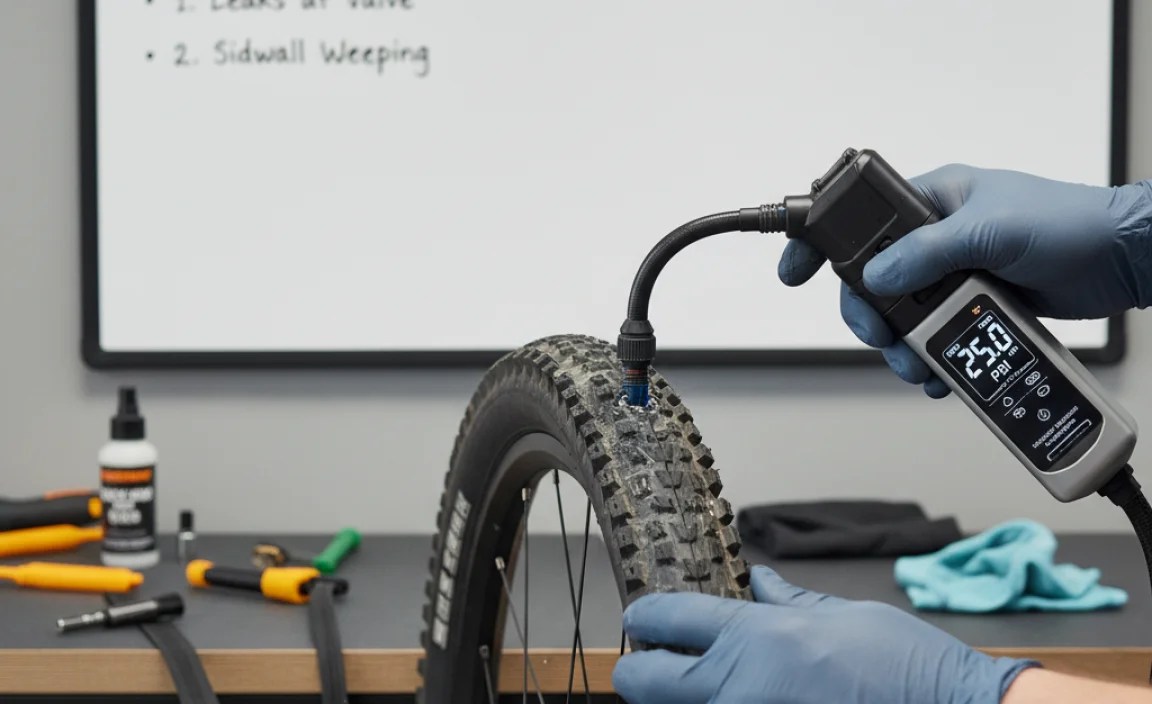
Even the best bike floor pump tubeless can have problems. Knowing how to troubleshoot can save you time and frustration. One common issue is air leaking. Check the pump head. Make sure it’s attached tightly. Another issue is a broken gauge. If the gauge isn’t working, replace it. Sometimes, the pump won’t pump air. Check the hose for blockages. Make sure the valve on your tire is open. If you’re still having trouble, check the pump’s instructions. Many problems have simple solutions. Don’t give up! With a little troubleshooting, you can get your pump working again. This keeps your tires inflated and your rides smooth.
- Check for air leaks.
- Replace a broken gauge.
- Check for hose blockages.
- Make sure the valve is open.
- Read the pump’s instructions.
- Look for damaged parts.
Imagine you’re about to go on a ride. You grab your bike floor pump tubeless. But it’s not working! You feel frustrated. Don’t worry, take a deep breath. Start by checking the basics. Is the pump head on tight? Is the valve open? Sometimes, the simplest solutions are the best. If you’ve checked everything and it’s still not working, don’t be afraid to ask for help. A friend or a bike shop can offer advice. Troubleshooting is a skill. The more you practice, the better you’ll get. Soon, you’ll be a pump-fixing pro!
What If the Pump Won’t Attach?
If the pump won’t attach, check the valve type. Make sure the pump head fits your valve. Some pumps have different heads for Presta and Schrader valves. If the head fits, but it still won’t attach, check for damage. The valve or the pump head might be bent. If they are, you might need to replace them. Sometimes, the valve core is stuck. You can try using a valve core tool to loosen it. A little bit of troubleshooting can solve this problem.
Why Is the Gauge Not Moving?
If the gauge isn’t moving, there could be a few reasons. First, make sure the pump head is attached tightly. If it’s loose, air might be leaking out. This can stop the gauge from moving. Next, check the gauge itself. It might be broken. If it is, you’ll need to replace it. Sometimes, the hose is blocked. This can also stop the gauge from moving. Check the hose for kinks or clogs. Clearing the blockage can fix the problem.
What If I Can’t Reach the Right Pressure?
If you can’t reach the right pressure, you might have a leak. Check the pump head and the valve. Make sure they’re sealed tightly. If air is leaking, you won’t be able to reach the right pressure. Another reason could be the pump itself. The pump might be worn out. This can make it harder to pump air. If you’ve checked everything and you still can’t reach the right pressure, it might be time for a new pump.
Fun Fact or Stat: Tubeless tires were first developed for cars in the 1930s but only became popular for bikes much later.
Bike Floor Pump Tubeless: Brands and Models
There are many bike floor pump tubeless brands and models. Each has its own features. Some popular brands include Topeak, Lezyne, and Park Tool. Topeak pumps are known for their durability. Lezyne pumps are known for their sleek design. Park Tool pumps are known for their reliability. When choosing a pump, think about your needs. Do you want a pump that’s easy to use? Do you want a pump that’s super strong? Read reviews to see what other riders say. Compare features and prices. With a little research, you can find the perfect pump for you. The right pump will make your life easier. It will keep your tires in top shape.
| Brand | Model | Features | Price Range |
|---|---|---|---|
| Topeak | JoeBlow Booster | Large chamber, easy to use | $150-$200 |
| Lezyne | Digital Pressure Over Drive | Digital gauge, strong build | $200-$250 |
| Park Tool | PFP-7 Professional | Durable, reliable, simple | $100-$150 |
| Serfas | TCPG | Good value, easy to read gauge | $80-$120 |
- Topeak is known for durability.
- Lezyne is known for design.
- Park Tool is known for reliability.
- Serfas offers good value.
- Read reviews before buying.
- Compare features and prices.
Imagine you’re walking through a bike shop. You see rows and rows of pumps. Some are shiny, some are plain. Some are expensive, some are cheap. How do you know which one to choose? Think about what you need. Are you a serious racer? Or just a casual rider? Do you need a pump that can handle high pressure? Or one that’s easy to carry? Ask the people at the bike shop for help. They can show you the different models. They can explain the features. They can help you find the perfect pump for your needs. Remember, the right pump can make all the difference.
What Makes a Brand Stand Out?
Some brands stand out for their quality. They use strong materials. They test their pumps carefully. Other brands stand out for their features. They add special gauges or handles. Still other brands stand out for their price. They offer good value for the money. When choosing a brand, think about what’s important to you. Do you want a pump that will last a long time? Do you need special features? Are you on a budget? The right brand will meet your needs.
How Do Prices Vary?
Prices for bike floor pump tubeless can vary a lot. Some pumps cost under $100. Others cost over $200. The price depends on the features and the brand. More expensive pumps often have better gauges. They might also be made of stronger materials. Cheaper pumps might be fine for occasional use. But if you pump your tires often, it’s worth investing in a better pump. Think about how often you’ll use the pump. Then, choose a price range that fits your budget.
What Should I Look For in Reviews?
Reading reviews is a great way to learn about pumps. Look for reviews that talk about the pump’s performance. Does it pump air easily? Is the gauge accurate? Look for reviews that talk about the pump’s durability. Does it last a long time? Look for reviews that talk about the pump’s features. Are the features useful? Pay attention to both positive and negative reviews. This will give you a balanced view of the pump. Reviews can help you make a smart choice.
Fun Fact or Stat: The world record for the fastest bicycle speed is over 180 mph, achieved using a pace car and a specialized bike!
Advantages of Using a Tubeless Setup
Using a tubeless setup has many advantages. One big advantage is fewer flats. Tubeless tires don’t have an inner tube. This means there’s no tube to pinch. Pinch flats happen when the tube gets squeezed between the tire and the rim. Tubeless tires also use sealant. Sealant fills small holes. This stops air from leaking out. Another advantage is lower pressure. You can run tubeless tires at lower pressure. This gives you more grip. It also makes the ride more comfortable. Tubeless tires can improve your ride. They offer better performance and fewer problems. Using the right bike floor pump tubeless is key to enjoying these benefits.
- Fewer flat tires.
- No pinch flats.
- Sealant fills small holes.
- Lower tire pressure.
- More grip on the road.
- More comfortable ride.
Imagine you’re riding on a bumpy road. With regular tires, you’d feel every bump. But with tubeless tires, it’s different. The lower pressure makes the ride smoother. You feel more in control. You can ride faster and longer. Plus, you don’t have to worry as much about flats. A small nail or piece of glass won’t stop you. The sealant will take care of it. This is the magic of tubeless tires. They give you a better riding experience. They make your bike more fun to ride.
Why Are Flats Less Common?
Flats are less common with tubeless tires because there’s no inner tube. Inner tubes can get pinched between the tire and the rim. This causes pinch flats. Tubeless tires don’t have this problem. Also, the sealant inside tubeless tires can seal small punctures. This means you might not even know you got a flat. The sealant fixes it automatically. These two things make tubeless tires much less prone to flats.
How Does Lower Pressure Help?
Lower pressure helps in a few ways. First, it gives you more grip. The tire can mold to the road better. This means you have more control. Second, it makes the ride more comfortable. The tire absorbs bumps better. This reduces vibrations. Third, it can improve rolling resistance. This means you can ride faster with less effort. Lower pressure is a key benefit of tubeless tires.
Is It Worth Switching to Tubeless?
Switching to tubeless is a personal choice. It depends on your riding style and needs. If you ride on rough roads, tubeless can be a great choice. If you want fewer flats, tubeless can help. If you want a more comfortable ride, tubeless is worth considering. But tubeless setups can be more expensive. They also require more maintenance. Weigh the pros and cons before making the switch. A bike floor pump tubeless is a must if you go tubeless.
Fun Fact or Stat: Tubeless tires can sometimes seal punctures that are up to 6mm in size!
Summary
A bike floor pump tubeless is important for riders with tubeless tires. These pumps deliver a quick burst of air. This helps seal the tire to the wheel. Choosing the right pump involves checking valve compatibility. You should also consider gauge accuracy and pump stability. Using the pump correctly means attaching the head firmly. You must also pump to the right pressure. Maintenance involves keeping the pump clean and oiled. You also need to replace worn parts. Troubleshooting common issues like leaks can extend the pump’s life. Tubeless setups offer fewer flats and better grip. They also provide a more comfortable ride.
Conclusion
Choosing the right bike floor pump tubeless is important. It makes inflating your tires easier. It also keeps your tires in good shape. A good pump is a worthwhile investment. It ensures your bike is always ready to ride. Remember to maintain your pump. This will keep it working for years to come. With the right pump, you can enjoy all the benefits of tubeless tires. Happy riding!
Frequently Asked Questions
Question No 1: What is a bike floor pump tubeless, and why do I need one?
Answer: A bike floor pump tubeless is a special pump designed to inflate tubeless bike tires. Tubeless tires don’t have an inner tube. They seal directly to the wheel rim. This requires a strong, quick burst of air to seat the tire bead. A regular pump often can’t provide enough air fast enough. A tubeless pump has a larger air chamber. This allows it to deliver that necessary burst. If you use tubeless tires, a tubeless pump is essential for easy and effective inflation. It makes setting up and maintaining your tires much simpler and more reliable.
Question No 2: How does a bike floor pump tubeless differ from a regular bike pump?
Answer: A bike floor pump tubeless differs from a regular bike pump in a few important ways. The main difference is the air chamber size. Tubeless pumps have a larger chamber. This allows them to push more air in one stroke. This is important for seating tubeless tires. Regular pumps have smaller chambers. They are designed for inflating tires with tubes. Tubeless pumps often have a “boost” feature. This releases a large volume of air quickly. This helps the tire seal to the rim. Regular pumps don’t have this feature. Also, tubeless pumps are usually built stronger. This is because they need to handle higher pressures and more frequent use.
Question No 3: Can I use a bike floor pump tubeless for regular tires with tubes?
Answer: Yes, you can use a bike floor pump tubeless for regular tires with tubes. These pumps work just fine for inflating tires with inner tubes. The larger air chamber simply means it might inflate them a bit faster. However, it’s important to be careful not to over-inflate the tire. Always check the recommended pressure on the tire’s sidewall. A tubeless pump can handle both types of tires. This makes it a versatile tool to have. So, if you have both tubeless and tubed tires, a tubeless pump is a good choice.
Question No 4: What features should I look for when buying a bike floor pump tubeless?
Answer: When buying a bike floor pump tubeless, look for several key features. First, check the valve compatibility. Make sure it works with both Presta and Schrader valves. A clear, easy-to-read gauge is also important. This helps you inflate to the correct pressure. Look for a pump with a large air chamber. This ensures a quick and effective inflation. A stable base will make pumping easier. A long hose can reach the tire valve easily. Consider the pump’s overall build quality and durability. These features will help you choose the best pump.
Question No 5: How do I know what tire pressure to use with my tubeless tires?
Answer: Determining the right tire pressure for your tubeless tires is important. The recommended pressure range is usually printed on the tire’s sidewall. Start within that range. Then, adjust based on your weight, riding style, and terrain. Lower pressure provides more grip and comfort. Higher pressure rolls faster on smooth surfaces. Experiment to find what works best for you. A good gauge on your bike floor pump tubeless will help you. Also, consider using a digital pressure gauge for extra accuracy. Proper tire pressure enhances your riding experience.
Question No 6: How do I maintain my bike floor pump tubeless to keep it working well?
Answer: Maintaining your bike floor pump tubeless is easy. Keep it clean by wiping it down with a damp cloth. This removes dirt and grime. Check the hose for cracks or leaks. Replace the hose if needed. Lubricate the moving parts with a light machine oil. This ensures smooth operation. Store the pump in a dry place to prevent rust. Check the pump head regularly for wear. Replace it if it’s damaged. Regular maintenance extends the life of your pump. It also ensures it’s always ready when you need it.


