
How to Use Air Hose for Bike Pump: Easy Guide

Quick Summary:
To use an air hose for your bike pump, start by selecting the correct valve adapter (Presta or Schrader). Securely attach the adapter to your bike’s valve stem. Then, connect the air hose to the adapter, ensuring a tight seal. Use the pump to inflate your tires to the recommended PSI. Finally, carefully detach the hose to avoid air loss.
Have you ever struggled to get the perfect tire pressure on your bike? It’s a common problem! Many cyclists find it tricky to use an air hose effectively with their bike pump. Getting the right connection and avoiding air leaks can be frustrating. But don’t worry, it’s easier than you think! With a few simple steps, you can master this skill and enjoy smoother, safer rides.
In this guide, I’ll walk you through the process step-by-step. You’ll learn how to choose the right adapter, connect the hose properly, and inflate your tires to the ideal pressure. Let’s get started and make your bike maintenance a breeze!
Understanding Bike Pump Air Hoses

Before diving into the steps, let’s cover the basics of bike pump air hoses. An air hose connects your pump to the tire valve, allowing you to inflate the tire. Different types of hoses and adapters are available, so understanding them is crucial for effective use.
Types of Bike Valves
The first thing to know is that bikes use two main types of valves: Presta and Schrader. Each requires a specific adapter or pump head.
- Presta: These valves are narrow and usually found on road bikes and higher-end mountain bikes. They have a small nut at the tip that you need to unscrew before inflating.
- Schrader: Similar to car tire valves, Schrader valves are wider and more robust. They are commonly used on mountain bikes, hybrid bikes, and some commuter bikes.
Types of Air Hoses and Adapters
Bike pumps come with different types of air hoses and adapters. Some pumps have dual heads that can switch between Presta and Schrader, while others require separate adapters.
- Dual-Head Pumps: These pumps have two openings, one for Presta and one for Schrader valves. Simply choose the correct opening for your valve type.
- Adapter-Based Pumps: These pumps use a single opening, and you need to attach the appropriate adapter for your valve type.
- Threaded vs. Lever-Lock Hoses: Some hoses screw onto the valve (threaded), while others use a lever-lock mechanism for a quick and secure connection.
Tools and Materials You’ll Need

Before you start, make sure you have everything you need. Here’s a list of essential tools and materials:
- Bike Pump: A reliable bike pump with an air hose.
- Valve Adapter (if needed): An adapter that matches your bike’s valve type (Presta or Schrader).
- Tire Pressure Gauge: To ensure you inflate your tires to the correct pressure.
- Rag: To clean the valve if it’s dirty.
Having these tools ready will make the process smoother and more efficient.
Step-by-Step Guide: Using an Air Hose for Your Bike Pump

Now, let’s get into the detailed steps for using an air hose with your bike pump. Follow these instructions carefully to ensure a successful inflation.
Step 1: Prepare Your Bike Valve
First, prepare your bike’s valve. This step is slightly different depending on whether you have a Presta or Schrader valve.
- For Presta Valves: Remove the valve cap and unscrew the small nut at the tip. Press the valve tip briefly to release any remaining air and ensure it’s not stuck.
- For Schrader Valves: Simply remove the valve cap.
Cleaning the valve with a rag can help ensure a good seal and prevent debris from entering the pump.
Step 2: Attach the Correct Adapter to the Air Hose
Next, attach the correct adapter to your air hose. If your pump has a dual head, select the appropriate opening. If it uses separate adapters, attach the one that matches your valve type.
- Dual-Head Pumps: Rotate or flip the pump head to the correct opening (Presta or Schrader).
- Adapter-Based Pumps: Screw or snap the appropriate adapter onto the air hose. Ensure it’s securely attached.
A secure connection here is crucial to prevent air leaks during inflation. Double-check that the adapter is firmly in place.
Step 3: Connect the Air Hose to the Bike Valve
Now, connect the air hose to the bike valve. This step requires a bit of finesse to ensure a tight seal.
- Threaded Hoses: Carefully screw the hose onto the valve stem. Make sure it’s aligned properly to avoid cross-threading.
- Lever-Lock Hoses: Press the pump head onto the valve stem and engage the lever to lock it in place. Ensure the connection is snug.
Listen for any hissing sounds, which indicate an air leak. If you hear a leak, readjust the connection until it’s airtight.
Step 4: Inflate the Tire to the Recommended Pressure
With the hose securely connected, start inflating the tire. Use smooth, steady strokes to pump air into the tire.
- Use a Tire Pressure Gauge: Regularly check the tire pressure using a gauge. The recommended PSI (pounds per square inch) is usually printed on the tire sidewall.
- Avoid Over-Inflation: Do not exceed the maximum PSI listed on the tire. Over-inflating can cause the tire to burst.
Take breaks if needed, and always monitor the pressure to avoid over-inflation.
Step 5: Detach the Air Hose Carefully
Once the tire is inflated to the correct pressure, carefully detach the air hose. This step is crucial to minimize air loss.
- Threaded Hoses: Unscrew the hose quickly and smoothly.
- Lever-Lock Hoses: Disengage the lever and pull the pump head straight off the valve.
After detaching the hose, quickly replace the valve cap to protect the valve from dirt and debris.
Troubleshooting Common Issues
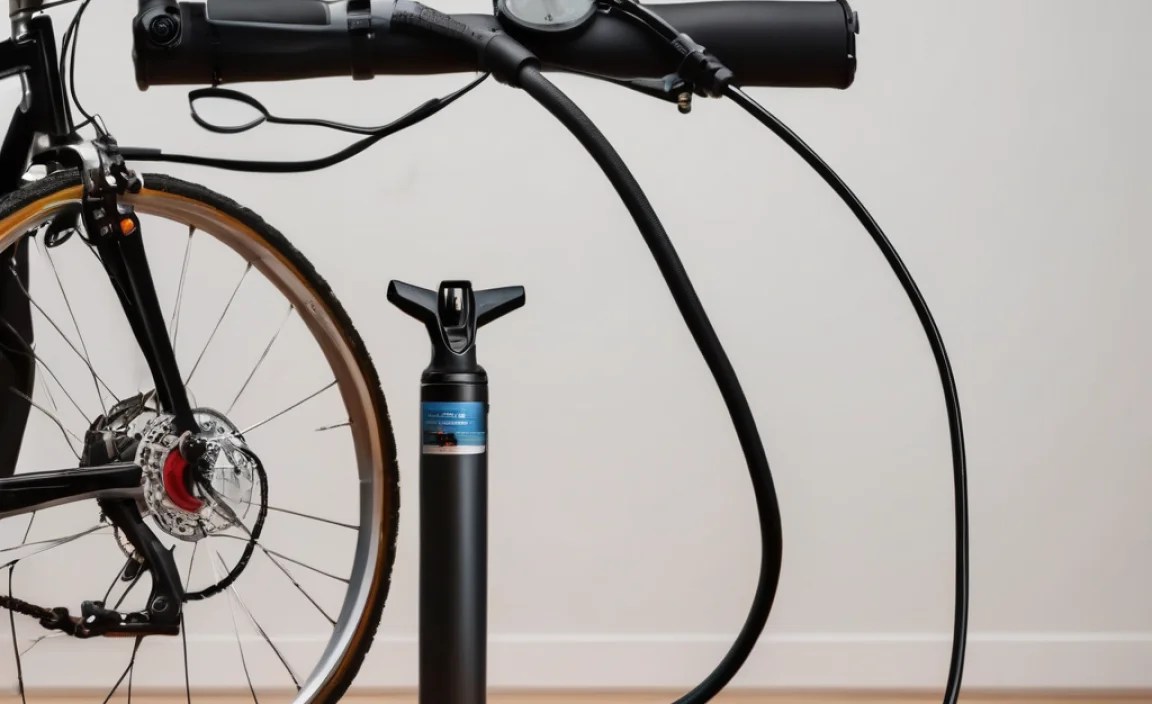
Sometimes, you might encounter issues while using an air hose. Here are some common problems and how to troubleshoot them.
Air Leaks
Problem: Air is leaking from the connection between the hose and the valve.
Solution:
- Ensure the adapter is securely attached to the hose.
- Check that the hose is properly aligned with the valve stem.
- Tighten the connection or readjust the lever lock.
Difficulty Attaching the Hose
Problem: The hose is difficult to attach to the valve.
Solution:
- Make sure you’re using the correct adapter for your valve type.
- Clean the valve stem to remove any dirt or debris.
- Apply a small amount of lubricant to the valve stem.
Tire Not Inflating
Problem: The tire is not inflating despite pumping.
Solution:
- Ensure the valve is open (especially for Presta valves).
- Check for any kinks or blockages in the air hose.
- Make sure the pump is functioning correctly.
Tips for Maintaining Your Bike Pump and Air Hose

To keep your bike pump and air hose in good condition, regular maintenance is essential. Here are some tips to help you:
- Clean the Hose: Periodically clean the air hose with a damp cloth to remove dirt and grime.
- Inspect for Damage: Regularly inspect the hose for cracks, leaks, or other damage. Replace the hose if necessary.
- Lubricate Moving Parts: Lubricate the moving parts of the pump with a silicone-based lubricant to keep them working smoothly.
- Store Properly: Store the pump in a dry, clean place to prevent rust and corrosion.
Choosing the Right Bike Pump and Air Hose
Selecting the right bike pump and air hose can make a big difference in your cycling experience. Here are some factors to consider when making a purchase.
Types of Bike Pumps
There are several types of bike pumps available, each with its own advantages and disadvantages.
- Floor Pumps: These are the most common type of bike pump. They provide high pressure and are easy to use.
- Hand Pumps: Compact and portable, hand pumps are great for on-the-go inflation. However, they require more effort to use.
- CO2 Inflators: These use CO2 cartridges to quickly inflate tires. They are lightweight and convenient but require purchasing cartridges.
Features to Look For
When choosing a bike pump, consider the following features:
- Pressure Gauge: An accurate pressure gauge is essential for achieving the correct tire pressure.
- Dual Head: A dual head that supports both Presta and Schrader valves is convenient.
- Durable Construction: Look for a pump made from high-quality materials that can withstand regular use.
- Comfortable Handle: A comfortable handle can make pumping easier and more efficient.
Recommended Products
Here are some highly-rated bike pumps and air hoses available on the market:
| Product | Description | Features |
|---|---|---|
| Lezyne Classic Floor Drive | A durable and reliable floor pump. | High-pressure, accurate gauge, dual valve head. |
| Topeak Road Morph G Mini Pump | A compact and versatile hand pump. | Integrated gauge, foldable footpad, Presta/Schrader compatible. |
| Genuine Innovations Ultraflate CO2 Inflator | A lightweight and easy-to-use CO2 inflator. | One-handed operation, adjustable flow, compact design. |
The Science Behind Tire Pressure
Understanding the science behind tire pressure can help you optimize your ride. Tire pressure affects rolling resistance, comfort, and handling.
Rolling Resistance
Lower tire pressure generally results in lower rolling resistance on rough surfaces, as the tire can conform to the irregularities. However, too low pressure can increase rolling resistance on smooth surfaces due to increased deformation of the tire.
According to research at Bicycle Rolling Resistance, finding the optimal pressure is key for balancing speed and comfort.
Comfort and Handling
Lower tire pressure can improve comfort by absorbing more vibrations from the road. However, too low pressure can make the bike feel sluggish and less responsive. Higher tire pressure can improve handling on smooth surfaces but may result in a harsher ride.
Factors Affecting Tire Pressure
Several factors can affect the ideal tire pressure for your bike:
- Rider Weight: Heavier riders typically require higher tire pressure.
- Tire Width: Wider tires can be run at lower pressures.
- Road Conditions: Rough roads may benefit from lower pressures, while smooth roads may benefit from higher pressures.
- Riding Style: Aggressive riders may prefer higher pressures for better handling.
Advanced Techniques for Tire Inflation
Once you’ve mastered the basics, you can explore some advanced techniques for tire inflation.
Using a Digital Tire Pressure Gauge
A digital tire pressure gauge provides more accurate readings than an analog gauge. This can be especially useful for fine-tuning your tire pressure for optimal performance.
Setting Tire Pressure for Different Conditions
Experiment with different tire pressures to find what works best for various riding conditions. Consider lowering the pressure slightly for wet or slippery conditions to improve traction.
Tubeless Tire Inflation
If you have tubeless tires, the inflation process is slightly different. You’ll need a tubeless-specific pump or an air compressor to seat the tire beads properly. Tubeless tires often run at lower pressures, providing improved comfort and grip.
Learn more about tubeless tire setup from resources like Global Cycling Network.
Safety Tips for Using Bike Pumps
Safety should always be a priority when using bike pumps. Here are some essential safety tips to keep in mind:
- Wear Safety Glasses: Protect your eyes from potential debris or bursts.
- Inspect Equipment: Regularly inspect your pump and hose for any signs of damage.
- Avoid Over-Inflation: Never exceed the maximum PSI listed on the tire.
- Use Caution: Be careful when detaching the hose to avoid injury.
Common Mistakes to Avoid
Even experienced cyclists can make mistakes when using bike pumps. Here are some common pitfalls to avoid:
- Using the Wrong Adapter: Always use the correct adapter for your valve type.
- Over-Tightening: Avoid over-tightening the hose or adapter, which can damage the valve.
- Ignoring Pressure Ratings: Always pay attention to the pressure ratings on your tires and pump.
- Neglecting Maintenance: Regularly maintain your pump and hose to keep them in good working condition.
FAQ Section
What is the difference between Presta and Schrader valves?
Presta valves are narrow with a small nut at the tip, common on road bikes. Schrader valves are wider, like car tires, and found on mountain and hybrid bikes.
How do I know what PSI to inflate my tires to?
The recommended PSI is printed on the sidewall of your tire. Use a tire pressure gauge to ensure you reach the correct pressure.
What should I do if air is leaking when I try to inflate my tire?
Check that the adapter is securely attached to the hose and the hose is properly aligned with the valve stem. Readjust the connection until it’s airtight.
Can I use a car tire pump for my bike?
While possible with an adapter, car pumps often deliver too much air pressure too quickly, which can damage bike tires. It’s better to use a bike-specific pump.
How often should I check and inflate my bike tires?
Ideally, check and inflate your tires before every ride. At a minimum, check them weekly to maintain optimal performance and safety.
What type of bike pump is best for beginners?
A floor pump with a built-in pressure gauge is best for beginners. It’s easy to use and provides accurate readings.
How do I maintain my bike pump?
Clean the hose regularly, inspect for damage, lubricate moving parts, and store the pump in a dry, clean place.
Conclusion
Using an air hose for your bike pump doesn’t have to be a hassle. With the right tools and techniques, you can easily inflate your tires to the perfect pressure and enjoy a smoother, safer ride. Remember to choose the correct adapter, connect the hose securely, and monitor the pressure carefully. By following these steps and maintaining your equipment, you’ll be well-equipped to handle any inflation needs that come your way. So, grab your pump, hit the road, and enjoy the ride!


