
Hose Too Short? Smart Valve Reach Fix!

Quick Summary: Don’t worry if your pump hose is too short! You can solve this easily. Try removing any adaptors, which shorten the hose length. If that does not work, carefully reposition your bike, or elevate it to reduce the distance to the valve. If all else fails, consider buying a hose extender or a new pump with a longer hose. Happy inflating!
Ever been ready to ride, only to find your bike pump hose just won’t reach the valve? It’s frustrating! You’re all set to inflate your tires, but the hose is too short. This is a common problem for many cyclists, especially with different bike frame sizes or valve types. But don’t worry, there are several easy fixes.
This guide will walk you through simple steps to solve this problem. We’ll cover everything from quick adjustments to smart upgrades. Get ready to say goodbye to those frustrating pumping sessions. Let’s get started!
Understanding the Problem: Why is My Hose Too Short?

Before diving into solutions, let’s understand why this happens. Several factors can contribute to a pump hose being too short to reach the valve.
- Bike Frame Size: Larger bike frames naturally increase the distance between the pump and the valve.
- Valve Type: Different valve types (Presta, Schrader, Dunlop) require different adaptors. Sometimes these adaptors add length and make the hose seem shorter.
- Pump Design: Some pumps have shorter hoses than others. Compact pumps, for example, often sacrifice hose length for portability.
- Hose Material: Stiff hoses can be harder to maneuver, making them seem shorter than they actually are.
- Valve Stem Angle: Some rims have angled valve stem holes, which can make it harder to get a good connection.
Simple Solutions: Quick Fixes to Try First
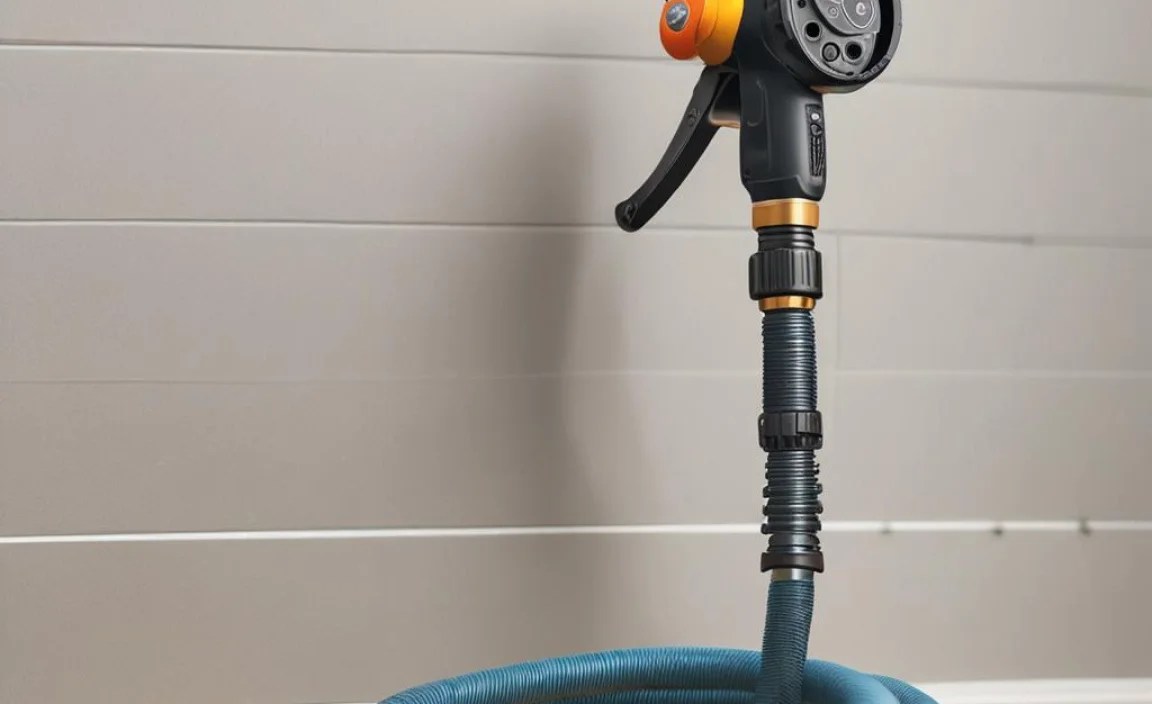
Before considering more complex solutions, try these quick fixes. They often solve the problem without needing extra equipment.
1. Remove Unnecessary Adaptors
Many pumps come with adaptors for different valve types. If you’re using an adaptor that you don’t need, remove it. This can free up valuable length.
- Identify the Adaptor: Look for any small pieces attached to the pump head.
- Remove the Adaptor: Unscrew or detach the adaptor carefully.
- Test the Connection: Try connecting the pump directly to the valve.
2. Reposition Your Bike
Sometimes, simply changing the bike’s position can make a big difference. Try these adjustments:
- Rotate the Wheel: Turn the wheel so the valve is at the lowest point. This reduces the distance the hose needs to reach.
- Lift the Bike: Elevate the bike slightly. You can rest it on a stand, lean it against a wall, or even have someone hold it.
- Angle the Bike: Tilting the bike can bring the valve closer to the pump.
3. Adjust Your Pumping Position
Your body position can also affect how easily you can reach the valve. Consider these tips:
- Get Closer: Move closer to the bike while pumping.
- Use a Stable Base: Make sure you have a firm stance to avoid straining.
- Avoid Overreaching: Don’t stretch the hose too much, as this can damage the pump or valve.
Intermediate Solutions: Using Tools and Accessories
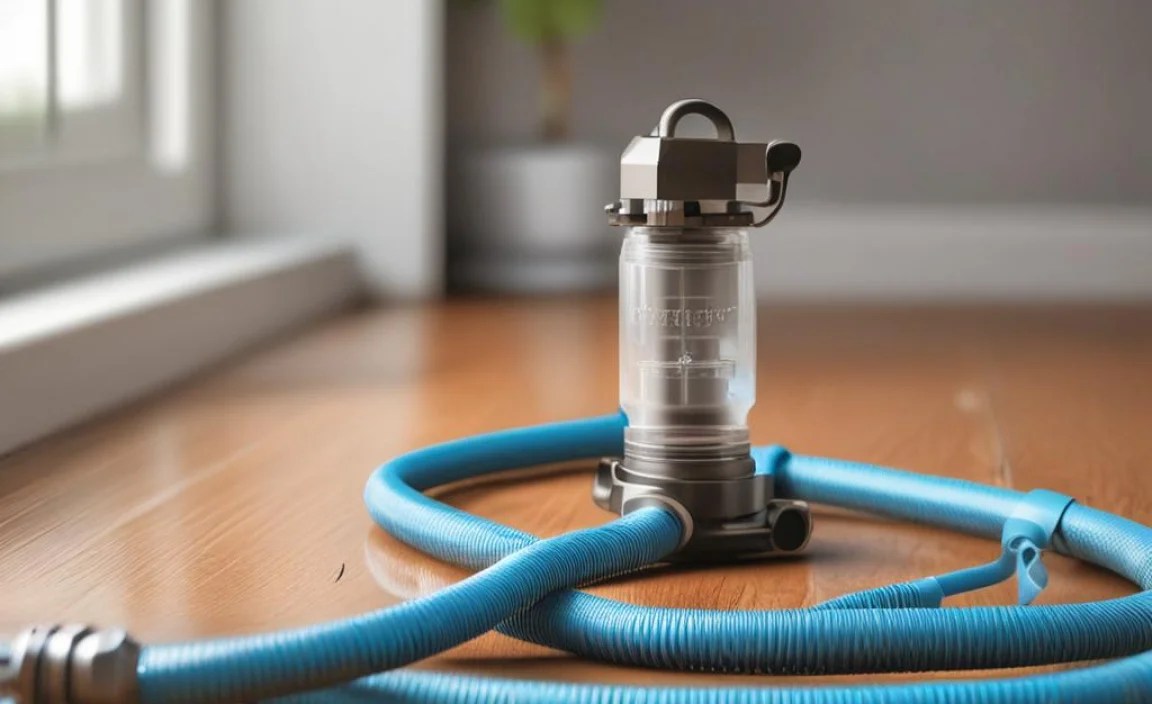
If the quick fixes don’t work, it’s time to bring out some tools and accessories. These solutions require a bit more effort but are still relatively easy to implement.
1. Hose Extenders
A hose extender is a simple tube that attaches to your existing pump hose, adding extra length. This is a cost-effective way to solve the problem.
- Choose the Right Extender: Make sure the extender is compatible with your pump and valve types.
- Attach the Extender: Screw or clip the extender onto the end of your pump hose.
- Test the Connection: Ensure the connection is secure before pumping.
2. Valve Extenders
Valve extenders screw onto your valve stem, making it longer and easier to reach. These are particularly useful for deep-section rims.
- Select the Correct Length: Choose an extender that’s long enough to protrude from the rim.
- Install the Extender: Screw the extender onto the valve stem.
- Inflate Your Tire: Attach the pump and inflate as usual.
3. Flexible Pump Head Adaptors
A flexible pump head adaptor can help you maneuver the pump head into a better position. This is especially useful if your valve is in an awkward spot.
- Find a Compatible Adaptor: Look for an adaptor that fits your pump and valve types.
- Attach the Adaptor: Connect the adaptor to the pump head.
- Adjust the Angle: Position the adaptor for easy access to the valve.
Advanced Solutions: Upgrading Your Equipment

If you’re still struggling, it might be time to upgrade your equipment. These solutions involve buying new gear, but they can significantly improve your pumping experience.
1. Buy a Pump with a Longer Hose
The most straightforward solution is to buy a new pump with a longer hose. Look for models specifically designed for larger bikes or those with long hoses.
Here’s a comparison of popular pumps with longer hoses:
| Pump Model | Hose Length | Valve Compatibility | Price Range |
|---|---|---|---|
| Lezyne Floor Drive | 43 inches | Presta and Schrader | $70 – $90 |
| Topeak JoeBlow Sport III | 36 inches | Presta and Schrader | $50 – $70 |
| Serfas TCPG | 39 inches | Presta and Schrader | $40 – $60 |
2. Consider a Portable Inflator
Portable inflators like CO2 inflators or mini-pumps can be very handy. CO2 inflators quickly fill tires, while mini-pumps are compact and easy to carry. Some mini-pumps have extendable hoses.
Pros and Cons of Portable Inflators:
| Type | Pros | Cons |
|---|---|---|
| CO2 Inflator | Fast inflation, lightweight | Requires cartridges, one-time use per cartridge |
| Mini-Pump | Reusable, no cartridges needed | Slower inflation, requires more effort |
3. Floor Pump vs. Hand Pump
Floor pumps are generally easier to use than hand pumps and often have longer hoses. If you primarily inflate your tires at home, a floor pump is a great investment.
Floor Pump Benefits:
- Longer hose
- More leverage
- Built-in pressure gauge
Hand Pump Benefits:
- Portable
- Lightweight
- Good for emergencies
DIY Solutions: Making Your Own Fixes

If you’re handy and enjoy DIY projects, you can try making your own solutions. These options require some creativity and basic tools.
1. Create a Hose Extension
You can create a hose extension using spare tubing and fittings. This requires some basic plumbing skills but can be a cost-effective solution.
- Gather Materials: You’ll need a length of flexible tubing, two hose clamps, and two barbed fittings that match the diameter of your pump hose and valve.
- Cut the Tubing: Cut the tubing to the desired length.
- Attach the Fittings: Insert the barbed fittings into each end of the tubing and secure them with hose clamps.
- Connect to Pump: Attach one end of the extension to your pump hose and the other end to your valve.
2. Build a Bike Stand
A simple bike stand can elevate your bike, making it easier to reach the valve. You can build one using wood or metal scraps.
Materials Needed:
| Material | Description | Quantity |
|---|---|---|
| Wood or Metal | For the frame and supports | As needed for your design |
| Screws or Welds | To assemble the stand | As needed |
| Rubber Padding | To protect the bike frame | Optional |
Steps:
- Design the Stand: Plan the dimensions and structure of the stand. Make sure it’s stable and can support the weight of your bike.
- Cut the Materials: Cut the wood or metal pieces to the required lengths.
- Assemble the Stand: Screw or weld the pieces together to form the frame.
- Add Padding: Attach rubber padding to any areas that will contact the bike frame.
Maintaining Your Pump and Valves
Proper maintenance can prevent future problems and extend the life of your pump and valves. Here are some tips:
- Clean the Pump Head: Regularly clean the pump head to remove dirt and debris.
- Lubricate Moving Parts: Apply a small amount of lubricant to the pump’s moving parts.
- Check for Leaks: Inspect the hose and connections for leaks.
- Replace Worn Parts: Replace any worn or damaged parts, such as O-rings or seals.
- Keep Valves Clean: Clean your valve stems regularly to prevent buildup and corrosion.
Troubleshooting Common Issues
Even with the best solutions, you might encounter some issues. Here’s how to troubleshoot common problems:
- Air Leaks: If you hear air leaking, check the connection between the pump and valve. Make sure the pump head is securely attached.
- Valve Not Opening: If the valve isn’t opening, try gently wiggling the pump head. Sometimes the valve can get stuck.
- Pump Not Building Pressure: If the pump isn’t building pressure, check the pump’s internal seals. They may need to be replaced.
- Hose Kinking: Avoid kinking the hose, as this can damage it. If the hose is stiff, try warming it up with a hairdryer.
Choosing the Right Pump for Your Needs
Selecting the right pump depends on your specific needs and preferences. Consider these factors when choosing a pump:
- Type of Bike: Different bikes require different pressure levels. Road bikes need higher pressure than mountain bikes.
- Valve Type: Make sure the pump is compatible with your valve type (Presta, Schrader, or Dunlop).
- Portability: If you need a pump for on-the-go repairs, choose a compact mini-pump or CO2 inflator.
- Ease of Use: Look for a pump with a comfortable handle and easy-to-read pressure gauge.
- Durability: Choose a pump made from high-quality materials that will last for years.
<FAQ – Frequently Asked Questions
1. Why is my pump hose suddenly too short?
Sometimes, the hose seems shorter due to stiffening in cold weather, adaptors adding bulk, or simply because the bike position has changed. A quick repositioning of the bike or warming the hose can often help.
2. Can I extend my bike pump hose?
Yes, you can! Hose extenders are available at most bike shops. Alternatively, you can create your own with tubing and fittings, ensuring a secure connection.
3. What type of pump is best for bikes with hard-to-reach valves?
Floor pumps with long, flexible hoses are ideal. Mini-pumps with extendable hoses also work well for on-the-go situations.
4. How do valve extenders help?
Valve extenders screw onto the valve stem, making it longer and easier to access, especially on rims where the valve sits deep inside.
5. Is it safe to use a CO2 inflator instead of a pump?
Yes, CO2 inflators are safe and very convenient for quick inflation. However, they require cartridges and don’t allow for fine-tuning the pressure like a traditional pump.
6. How do I prevent my pump hose from kinking?
Store your pump with the hose loosely coiled. Avoid sharp bends and consider using a hose with a swivel head to reduce strain.
7. What should I do if my pump isn’t building pressure?
Check the pump head connection to the valve. Make sure it’s secure. Also, inspect the pump’s internal seals for wear or damage, and replace if necessary.
Conclusion
Dealing with a pump hose that’s too short can be frustrating, but it’s a problem with many simple solutions. Whether you try quick adjustments, use hose extenders, or upgrade your equipment, you can easily overcome this issue. Remember to maintain your pump and valves to prevent future problems and ensure smooth, hassle-free inflation. With the right tools and techniques, you’ll be back on the road in no time, enjoying your ride without any pumping frustrations. Happy cycling!


