
How to Use Hose for Camping Inflatables: Easy Guide

Using a hose to inflate camping gear is simple! Attach the right nozzle to your hose, connect it to your inflatable, and turn on the water. The water pressure fills your item quickly and evenly. Just remember to drain the water completely afterward to prevent mold and damage. With the right steps, you’ll have your air mattresses and pool floats ready in no time, making your camping experience more comfortable and fun.
Setting up camp can be tough, especially when it comes to inflating air mattresses, pool floats, and other bulky items. Pumping them up manually is tiring and takes forever. Many campers wonder if they can use a regular garden hose to speed up the process. It sounds easy, but you need to do it right to avoid damaging your gear.
This guide will walk you through using a hose to inflate your camping essentials safely and effectively. We’ll cover everything from choosing the right adapter to draining the water properly. By following these steps, you’ll save time and energy, ensuring your camping trip gets off to a great start. Let’s get started and make inflating those items a breeze!
What You’ll Need
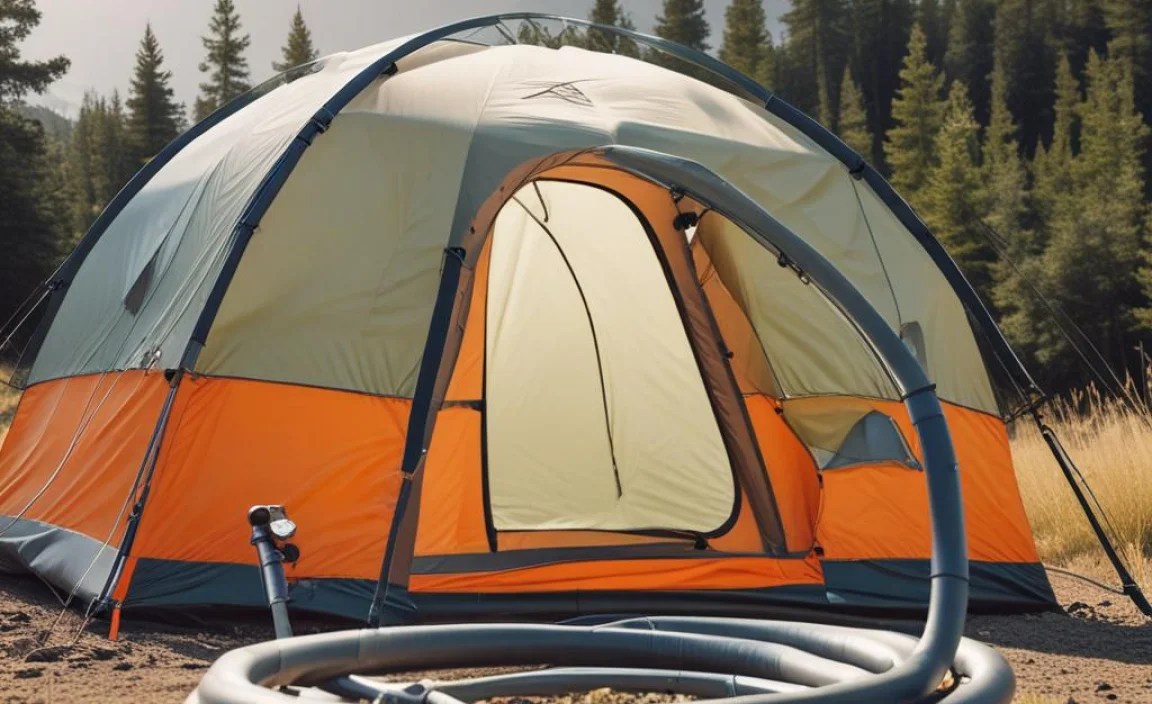
Before you start, gather these essential items to make the process smooth and efficient:
- Garden Hose: A standard garden hose that connects to a water source.
- Hose Nozzles or Adapters: These are crucial for connecting the hose to the inflatable item. You can find various sizes at hardware stores.
- Inflatable Item: Your air mattress, pool float, or other inflatable gear.
- Drainage Area: A spot where you can drain the water after inflation, like a grassy area or drain.
Step-by-Step Guide to Inflating Camping Inflatables with a Hose

Follow these steps to inflate your camping inflatables quickly and safely using a hose.
Step 1: Gather Your Equipment
Collect all the necessary items: a garden hose, appropriate hose nozzles or adapters, and the inflatable you want to inflate. Make sure the hose is in good condition without any leaks or damage. Check that the nozzles fit both the hose and the inflatable valve.
Step 2: Attach the Nozzle or Adapter
Connect the correct nozzle or adapter to the end of your garden hose. This is a critical step because the right fit ensures efficient inflation and prevents damage to the inflatable. Most inflatables have specific valve sizes, so choosing the right adapter is essential. Secure the nozzle tightly to avoid leaks.
Step 3: Connect the Hose to the Inflatable
Carefully attach the hose (with the nozzle) to the valve of the inflatable. Ensure a snug fit to prevent water from leaking out during inflation. Some valves may require you to hold the nozzle in place. Double-check the connection to avoid any issues once you start the water flow.
Step 4: Turn on the Water Slowly
Gradually turn on the water supply to the hose. Start with a low flow to control the inflation process. Monitor the inflatable as it fills up, making sure it expands evenly. Avoid turning the water on full blast immediately, as this can cause the inflatable to burst or become misshapen.
Step 5: Monitor the Inflation
Keep a close eye on the inflatable as it fills with water. Ensure it is inflating evenly and not overfilling. Overfilling can stretch the material and cause damage. If you notice any bulging or uneven expansion, reduce the water flow or stop the process to adjust the inflatable.
Step 6: Turn Off the Water
Once the inflatable is fully inflated to the desired firmness, turn off the water supply. It’s better to slightly under-inflate than to over-inflate. Remember, the inflatable will feel firmer once you drain the water and it settles.
Step 7: Disconnect the Hose
Carefully disconnect the hose from the inflatable valve. Be prepared for some water to spill out during this step. Have a towel handy to wipe up any excess water and prevent it from getting everywhere.
Step 8: Drain the Water
This is a crucial step to prevent mold and mildew. Open the inflatable’s valve and let the water drain out completely. You can gently squeeze and manipulate the inflatable to help remove all the water. Ensure the inflatable is as empty as possible before storing it.
Step 9: Dry the Inflatable
After draining, allow the inflatable to air dry completely. Spread it out in a sunny spot to help the drying process. Make sure all surfaces are dry to prevent mold and mildew growth. This step is vital for maintaining the inflatable’s condition and prolonging its lifespan.
Step 10: Store Properly
Once the inflatable is completely dry, store it in a cool, dry place. Avoid storing it in direct sunlight or damp areas, as this can damage the material. Fold it neatly to save space and prevent creases that can weaken the material over time. Storing it properly ensures it will be ready for your next camping trip.
Choosing the Right Hose Nozzle or Adapter

Selecting the correct hose nozzle or adapter is essential for efficient and safe inflation. Here’s what you need to know:
- Valve Compatibility: Check the valve type of your inflatable. Common types include Boston valves, pinch valves, and stem valves.
- Nozzle Types: Various nozzles are available, such as cone-shaped nozzles, threaded nozzles, and universal adapters. Choose one that fits your valve type snugly.
- Material: Opt for durable materials like brass or hard plastic. These materials can withstand water pressure and frequent use.
- Size: Ensure the nozzle size matches the valve opening. A too-small nozzle will leak, while a too-large nozzle won’t fit.
Here’s a quick guide to help you choose the right adapter:
| Valve Type | Recommended Nozzle | Notes |
|---|---|---|
| Boston Valve | Large Cone-Shaped Nozzle | Provides a tight seal for efficient inflation. |
| Pinch Valve | Universal Adapter with Rubber Fittings | Allows for a secure fit by pinching the valve around the nozzle. |
| Stem Valve | Threaded Nozzle | Screws onto the valve for a leak-proof connection. |
Tips for Efficient Inflation
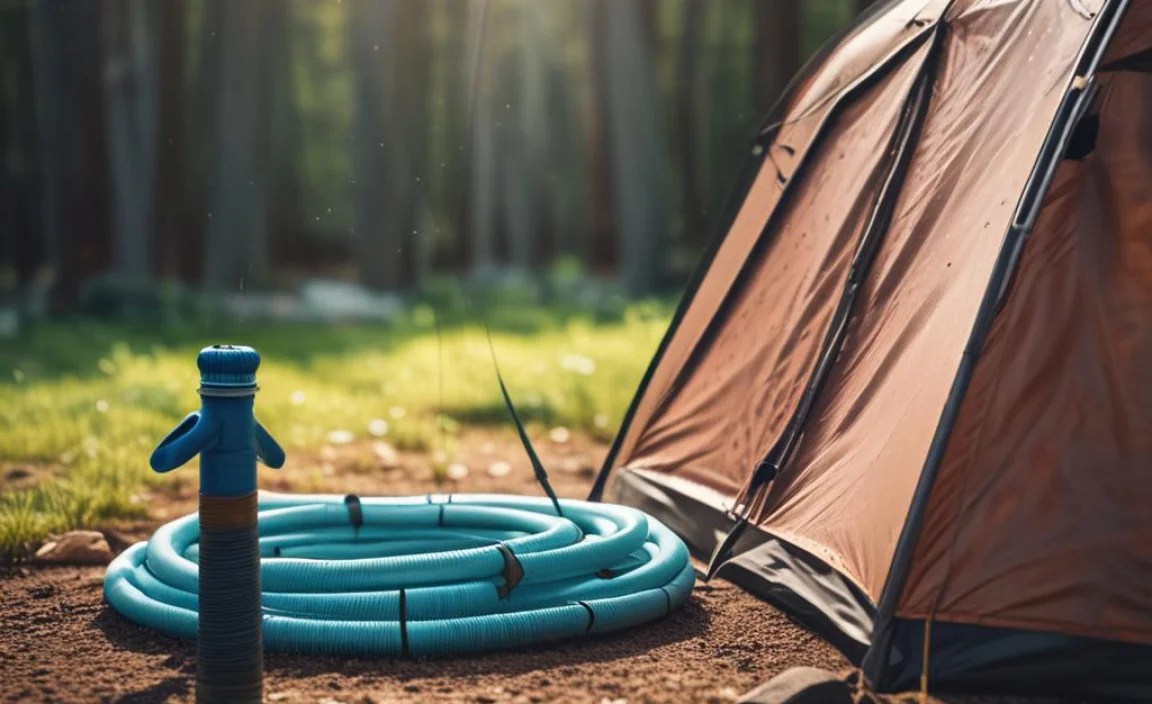
To make the inflation process even smoother, consider these tips:
- Use Warm Water: Warm water can make the inflatable material more pliable and easier to inflate.
- Check for Leaks: Before starting, inspect the inflatable for any holes or leaks. Patch them up to avoid water damage.
- Control Water Pressure: Maintain a steady, moderate water pressure to prevent over-inflation and damage.
- Drain Thoroughly: Ensure all water is drained to prevent mold and mildew.
- Dry Completely: Allow the inflatable to dry completely before storing to prolong its lifespan.
Safety Precautions
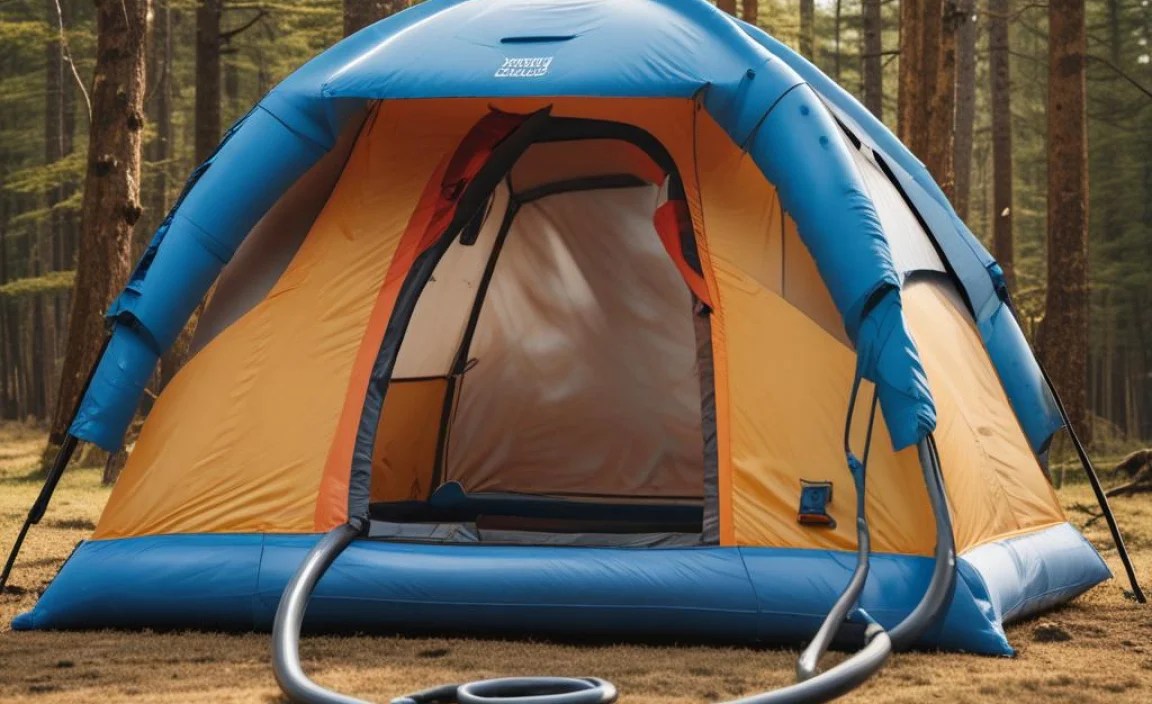
While using a hose to inflate camping inflatables is convenient, it’s important to follow safety precautions:
- Avoid Over-Inflation: Over-inflating can cause the inflatable to burst or become damaged. Monitor the inflation process carefully.
- Use Clean Water: Use clean water to prevent contamination and mold growth inside the inflatable.
- Supervise Children: Keep children away from the hose and inflatable during the inflation process to prevent accidents.
- Check Water Source: Ensure your water source is safe and free from harmful chemicals.
- Store Properly: Store the inflatable in a safe place away from sharp objects to prevent punctures.
Advantages and Disadvantages
Using a hose for inflating camping inflatables has its pros and cons. Understanding these can help you decide if it’s the right method for you.
Advantages:
- Speed: Inflates items much faster than manual pumps.
- Convenience: Requires less physical effort.
- Even Inflation: Water ensures even distribution and prevents uneven stress on the material.
- Accessibility: Most campsites have water sources available.
Disadvantages:
- Water Drainage: Requires thorough draining and drying to prevent mold.
- Weight: Water adds significant weight during inflation.
- Potential Damage: Over-inflation can damage the inflatable.
- Valve Compatibility: Requires the correct nozzle or adapter.
Here’s a table summarizing the pros and cons:
| Advantage | Disadvantage |
|---|---|
| Faster Inflation | Requires Thorough Draining |
| Less Physical Effort | Adds Significant Weight |
| Even Distribution | Potential for Over-Inflation |
| Accessible Water Sources | Requires Correct Nozzle |
Alternative Inflation Methods
If using a hose isn’t ideal for you, here are some alternative methods for inflating camping inflatables:
- Manual Pump: A traditional hand or foot pump.
- Electric Pump: A powered pump that can inflate items quickly.
- Air Compressor: A portable air compressor with the right attachments.
- Battery-Powered Pump: A convenient option for camping without electricity.
Each method has its own set of advantages and disadvantages. Manual pumps are reliable but require physical effort. Electric pumps are fast but need a power source. Air compressors are powerful but can be bulky. Battery-powered pumps offer a balance of convenience and portability.
Troubleshooting Common Issues
Even with the best preparation, you might encounter some issues. Here’s how to troubleshoot common problems:
- Leakage: If water is leaking from the connection, ensure the nozzle is properly attached. Use Teflon tape to create a tighter seal.
- Slow Inflation: If the inflatable is inflating slowly, check the water pressure and the nozzle for any blockages.
- Uneven Inflation: If the inflatable is expanding unevenly, adjust the water flow and reposition the item to ensure even distribution.
- Over-Inflation: If you accidentally over-inflate the item, carefully release some water to reduce the pressure.
- Difficulty Draining: If you’re having trouble draining the water, try squeezing and manipulating the inflatable to help remove all the water.
Maintaining Your Inflatable
Proper maintenance is key to prolonging the life of your camping inflatables. Follow these tips to keep them in good condition:
- Clean Regularly: Wipe down the inflatable with a mild soap and water solution to remove dirt and grime.
- Inspect for Damage: Regularly check for holes, tears, or weak spots. Repair any damage promptly.
- Store Properly: Store the inflatable in a cool, dry place away from direct sunlight and sharp objects.
- Use Protective Covers: Use protective covers or mats to prevent punctures and abrasions during use.
- Avoid Overloading: Do not exceed the weight capacity of the inflatable to prevent damage.
FAQ: Using a Hose for Camping Inflatables
Can I use any type of hose nozzle?
No, you need a nozzle that fits the valve of your inflatable. Universal adapters or cone-shaped nozzles often work well. Make sure it creates a tight seal to prevent leaks.
Is it safe to use a hose to inflate an air mattress?
Yes, it is generally safe if done correctly. Monitor the inflation to prevent over-inflation, and ensure you drain and dry the mattress thoroughly afterward to avoid mold.
How do I prevent mold from growing inside the inflatable?
Completely drain all water after inflation and allow the inflatable to air dry in a sunny spot. This helps prevent mold and mildew growth.
What if I don’t have a hose adapter?
You can purchase universal hose adapter kits at most hardware stores or online. These kits come with various nozzles to fit different valve sizes.
Can I use an electric pump instead of a hose?
Yes, electric pumps are a convenient alternative. They inflate items quickly and don’t require water, eliminating the need for draining and drying.
What type of water should I use?
Use clean water to inflate your camping inflatables. Avoid using water from questionable sources to prevent contamination inside the inflatable.
How often should I clean my inflatable?
Clean your inflatable after each use or at least once a month. Regular cleaning helps prevent dirt and grime buildup, prolonging its lifespan.
Conclusion
Using a hose to inflate your camping inflatables can be a game-changer, saving you time and energy. By following the steps outlined in this guide, you can inflate your air mattresses, pool floats, and other gear safely and efficiently. Remember to choose the right nozzle, monitor the inflation process, and drain and dry the items thoroughly to prevent damage and mold growth.
With a little preparation and care, you can make your camping experience more comfortable and enjoyable. So, next time you’re packing for a trip, consider bringing along a hose and the necessary adapters. You’ll be amazed at how much easier it is to set up your campsite and get ready for a relaxing outdoor adventure. Happy camping!


