
How to Upgrade Pro Bike Tool Hose: Easy Boost!

Upgrading your Pro Bike Tool hose is simple! First, detach the old hose using wrenches. Next, connect your new, upgraded hose, tightening securely. Test for leaks with soapy water. You’ll get better performance and longer life from your pump with this easy upgrade.
Are you tired of struggling with a bike pump hose that’s cracked, leaking, or just not performing well? A worn-out hose can make inflating your tires a frustrating chore. The good news is that upgrading your Pro Bike Tool hose is a straightforward process that anyone can do at home. This guide will walk you through each step, showing you how to replace your old hose with a new one, ensuring you get the best performance and longest life from your pump. Let’s dive in and get your pump working like new!
Why Upgrade Your Pro Bike Tool Hose?

Before we get into the how-to, let’s talk about why you might want to upgrade your Pro Bike Tool hose in the first place. There are several compelling reasons to consider this simple upgrade:
- Improved Performance: A new hose ensures no air leaks, giving you faster and more efficient inflation.
- Increased Durability: Upgraded hoses are often made from better materials that resist cracking and wear.
- Enhanced Reliability: Say goodbye to unexpected hose failures during critical moments.
- Better Seal: Upgraded hoses often come with improved connections that provide a tighter, more reliable seal on your tire valve.
- Cost-Effective: Replacing a hose is much cheaper than buying a new pump.
Tools and Materials You’ll Need

To successfully upgrade your Pro Bike Tool hose, gather these essential tools and materials:
- New Hose: Purchase a compatible replacement hose for your Pro Bike Tool pump.
- Wrenches: You’ll need appropriately sized wrenches to loosen and tighten the hose connections.
- Adjustable Wrench: An adjustable wrench can be helpful for various fitting sizes.
- Soapy Water: Mix water with a bit of soap to check for leaks after the upgrade.
- Clean Cloth: Use a clean cloth to wipe away any dirt or residue.
- Optional: Teflon Tape: Teflon tape can help seal the threads and prevent leaks.
Step-by-Step Guide to Upgrading Your Pro Bike Tool Hose

Follow these steps to upgrade your Pro Bike Tool hose:
Step 1: Prepare Your Work Area
Choose a clean, well-lit area to work on your pump. This will help you see what you’re doing and prevent losing any small parts. Protect your work surface with a cloth or mat.
Step 2: Disconnect the Old Hose
Using your wrenches, carefully loosen the connections where the old hose attaches to the pump and the chuck (the part that connects to the tire valve). Be gentle to avoid damaging the pump or chuck.
- Locate Connections: Identify where the hose connects to the pump body and the chuck.
- Use Wrenches: Use appropriately sized wrenches to grip the fittings.
- Loosen Carefully: Turn the wrenches to loosen the connections, being careful not to strip the threads.
- Detach hose: Once loose, detach the old hose from both the pump and the chuck.
Step 3: Clean the Threads
Use a clean cloth to wipe the threads on both the pump and the chuck. Remove any old sealant or debris. This ensures a clean surface for the new hose to seal against.
Step 4: Apply Teflon Tape (Optional)
If desired, wrap the threads of the pump and chuck connections with Teflon tape. This helps create a tighter seal and prevent leaks. Wrap the tape in the direction that the fitting will tighten.
Step 5: Connect the New Hose
Attach the new hose to the pump and the chuck. Tighten the connections using your wrenches. Make sure the hose is securely fastened, but avoid over-tightening, which could damage the threads.
- Align the Hose: Ensure the hose is properly aligned with the pump and chuck.
- Hand-Tighten: Start by hand-tightening the connections.
- Use Wrenches: Use wrenches to tighten the connections further, ensuring a snug fit.
- Avoid Over-Tightening: Be careful not to over-tighten, as this can damage the threads.
Step 6: Test for Leaks
After connecting the new hose, test for leaks using soapy water. Apply the soapy water to the hose connections and pump the handle. If you see bubbles forming, tighten the connections further.
- Prepare Soapy Water: Mix water with a bit of soap in a small container.
- Apply to Connections: Use a brush or cloth to apply the soapy water to the hose connections.
- Pump the Handle: Operate the pump to pressurize the hose.
- Check for Bubbles: Look for bubbles forming at the connections, indicating a leak.
- Tighten if Needed: If you see bubbles, tighten the connections slightly and retest.
Step 7: Final Inspection
Give your upgraded pump a final inspection. Make sure all connections are secure and there are no visible leaks. Your pump should now be ready to use.
Troubleshooting Common Issues
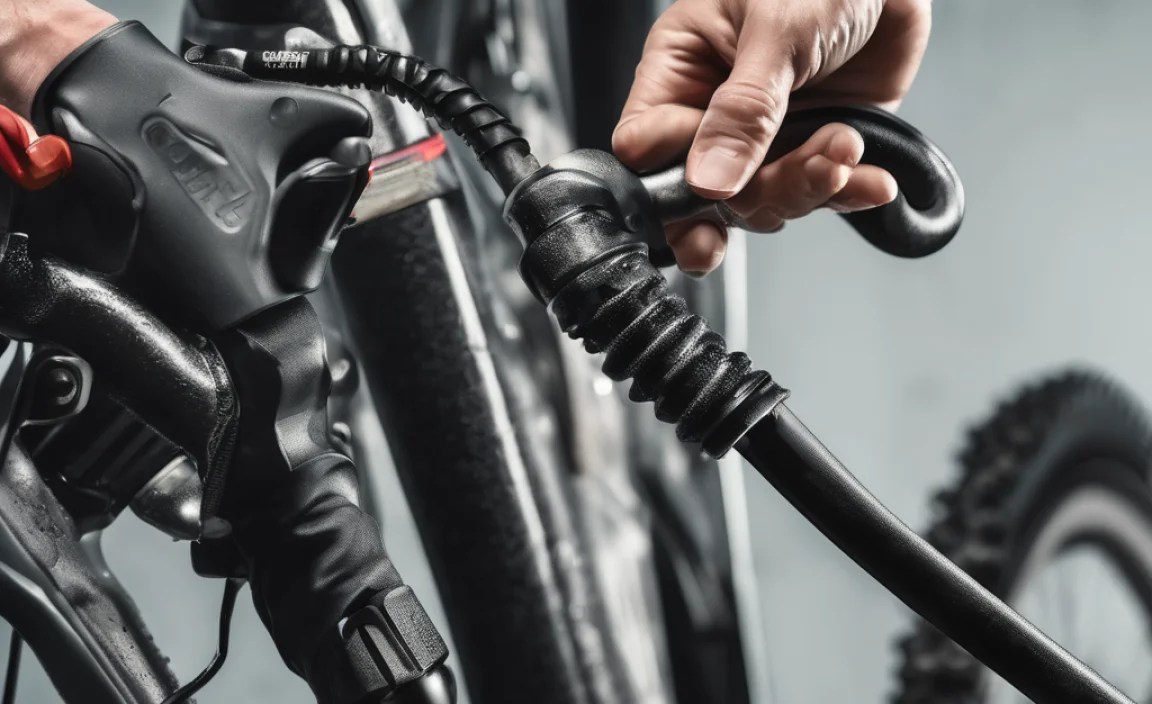
Sometimes, even with careful installation, you might encounter a few issues. Here are some common problems and how to address them:
- Leaks at Connections: If you notice leaks at the hose connections, try tightening the fittings a bit more. If that doesn’t work, reapply Teflon tape to the threads.
- Hose Kinking: Ensure the hose is not bent or kinked, as this can restrict airflow. Straighten the hose or consider a hose with a more flexible design.
- Poor Seal at Valve: If you’re having trouble getting a good seal at the tire valve, check the chuck for damage or wear. You may need to replace the chuck.
Choosing the Right Replacement Hose

Selecting the right replacement hose is crucial for optimal performance and durability. Here are some factors to consider when choosing a new hose:
- Compatibility: Ensure the hose is compatible with your Pro Bike Tool pump model. Check the manufacturer’s specifications or online resources.
- Material: Look for hoses made from high-quality materials like reinforced rubber or braided nylon. These materials offer better durability and resistance to cracking.
- Length: Choose a hose length that suits your needs. A longer hose can provide more flexibility, but a shorter hose may be more efficient.
- Connection Type: Verify that the hose has the correct type of connections for your pump and chuck. Common connection types include threaded fittings and quick-connect couplings.
Maintaining Your Upgraded Hose
To prolong the life of your upgraded hose, follow these maintenance tips:
- Regular Inspection: Periodically inspect the hose for cracks, wear, or damage. Replace the hose if you notice any issues.
- Proper Storage: Store your pump in a cool, dry place to prevent the hose from deteriorating. Avoid exposing the hose to direct sunlight or extreme temperatures.
- Avoid Over-Tightening: When connecting the hose, avoid over-tightening the fittings, as this can damage the threads and cause leaks.
- Clean Regularly: Clean the hose with a damp cloth to remove dirt and debris. This helps prevent the buildup of contaminants that can degrade the hose material.
Benefits of a High-Quality Hose
Investing in a high-quality hose offers several benefits that can enhance your cycling experience:
- Improved Inflation Efficiency: A high-quality hose ensures minimal air leakage, allowing you to inflate your tires quickly and efficiently.
- Enhanced Durability: High-quality hoses are made from durable materials that resist cracking, wear, and damage, providing long-lasting performance.
- Better Seal: High-quality hoses often feature improved connections that provide a tighter, more reliable seal on your tire valve, preventing air loss.
- Increased Reliability: With a high-quality hose, you can rely on your pump to perform consistently, without the risk of unexpected hose failures.
- Cost Savings: While a high-quality hose may cost more upfront, it can save you money in the long run by reducing the need for frequent replacements.
Pro Bike Tool Hose Upgrade: DIY vs. Professional
Deciding whether to upgrade your Pro Bike Tool hose yourself or seek professional help depends on your comfort level and experience with bike maintenance. Here’s a breakdown to help you decide:
DIY Upgrade
Pros:
- Cost Savings: Save money on labor costs by doing it yourself.
- Convenience: Perform the upgrade at your own pace and schedule.
- Learning Experience: Gain valuable experience in bike maintenance.
Cons:
- Potential for Errors: If you’re not familiar with the process, you could make mistakes that damage the pump or hose.
- Tool Investment: You may need to purchase tools if you don’t already have them.
- Time Commitment: The upgrade may take longer if you’re doing it for the first time.
Professional Upgrade
Pros:
- Expertise: A professional mechanic has the knowledge and experience to perform the upgrade correctly.
- Guaranteed Work: Professional services often come with a guarantee, ensuring the work is done to a high standard.
- Time Savings: Save time and effort by having a professional handle the upgrade.
Cons:
- Higher Cost: Professional services typically cost more than doing it yourself.
- Scheduling: You may need to schedule an appointment and wait for the service to be completed.
- Less Control: You have less control over the process and may need to rely on the mechanic’s judgment.
Table: Comparing Hose Materials
| Material | Pros | Cons | Typical Lifespan |
|---|---|---|---|
| Rubber | Flexible, inexpensive | Prone to cracking, less durable | 1-2 years |
| Reinforced Rubber | More durable than standard rubber, good flexibility | Can still crack over time | 2-3 years |
| Braided Nylon | Highly durable, resistant to cracking | Less flexible, more expensive | 3-5 years |
| Stainless Steel | Extremely durable, resists corrosion | Least flexible, most expensive | 5+ years |
Table: Common Hose Problems and Solutions
| Problem | Possible Solutions |
|---|---|
| Leaks at connections | Tighten fittings, apply Teflon tape, check for damaged threads |
| Hose kinking | Straighten hose, replace with more flexible hose |
| Poor seal at valve | Check chuck for damage, replace chuck, ensure proper valve compatibility |
| Cracked hose | Replace hose immediately |
| Low pressure | Check hose for leaks, ensure pump is properly assembled |
FAQ: Upgrading Your Pro Bike Tool Hose
1. How often should I replace my bike pump hose?
It depends on usage and material. Inspect regularly, and replace when you see cracks, leaks, or reduced performance.
2. Can I use any hose as a replacement?
No, ensure the replacement hose is compatible with your Pro Bike Tool pump model and has the correct connection types.
3. What is Teflon tape and why should I use it?
Teflon tape is a sealant used on threaded connections to prevent leaks. It helps create a tighter seal between the hose and pump or chuck.
4. How do I know if my hose is leaking?
Apply soapy water to the connections and pump the handle. If bubbles form, there’s a leak.
5. What tools do I really need for this upgrade?
You’ll need appropriately sized wrenches to loosen and tighten the hose connections. An adjustable wrench can also be helpful.
6. Is it hard to upgrade the hose myself?
No, it’s a straightforward process that anyone can do with basic tools and a little patience. Just follow the steps carefully.
7. Where can I buy a replacement hose?
You can purchase replacement hoses from online retailers, bike shops, or directly from Pro Bike Tool’s website.
Conclusion
Upgrading your Pro Bike Tool hose is a simple yet effective way to improve your pump’s performance and extend its lifespan. By following the steps outlined in this guide, you can easily replace your old hose with a new one, ensuring reliable inflation and a better cycling experience. Remember to choose a compatible hose, use Teflon tape for a secure seal, and regularly inspect your hose for any signs of wear or damage. With a little effort, you can keep your pump working like new for years to come. Happy cycling!


