
How to Fix Hose Pinhole Air Leaks: Easy Fix!

Quick Summary: Got a leaky hose with tiny pinholes? Don’t worry, you can fix it! First, clean the hose around the leak. Then, use a rubber patch kit or waterproof tape to cover the holes. For bigger leaks, consider a hose clamp. If all else fails, replacing the hose is the best long-term solution. Let’s get your hose fixed up!
A leaky hose with pinhole air leaks can be a real pain. Whether it’s on your bike pump, garden hose, or even a car radiator hose, those tiny holes can cause big problems. Air leaks reduce pressure, making tasks harder and wasting your effort. But don’t rush to replace the entire hose just yet! Many times, you can fix these leaks yourself with a few simple tools and steps.
This guide will show you exactly how to find and repair those pesky pinhole air leaks. We’ll cover everything from cleaning the hose to applying patches and clamps. Plus, we’ll talk about when it’s time to throw in the towel and replace the hose completely. Let’s get started and save you some time and money!
Finding the Pinhole Air Leak

Before you can fix a pinhole leak, you need to find it. Here are a few ways to spot those tiny holes:
- Listen closely: Sometimes you can hear a faint hissing sound near the leak.
- Soap and water: Mix some soap with water and spread it over the hose. Look for bubbles forming where air is escaping. This is one of the easiest and most reliable methods.
- Visual inspection: Carefully examine the hose for small punctures, cracks, or worn spots.
Tools and Materials You’ll Need

Having the right tools makes the job much easier. Here’s a list of what you’ll likely need:
- Cleaning supplies: Soap, water, and a clean cloth or brush.
- Patching materials: Rubber patch kit (like those used for bike tires), waterproof tape (electrical or duct tape), or a liquid rubber sealant.
- Scissors or a knife: For cutting the patch or tape.
- Sandpaper or a file: To rough up the surface around the leak (optional, but recommended).
- Hose clamp: For larger leaks or added security.
- Screwdriver or wrench: To tighten the hose clamp.
Step-by-Step Guide to Fixing Pinhole Air Leaks

Now that you’ve found the leak and gathered your supplies, let’s get to fixing it!
Step 1: Clean the Area Around the Leak
A clean surface is essential for a good repair. Dirt and grime can prevent the patch or tape from sticking properly. Use soap, water, and a cloth or brush to thoroughly clean the area around the pinhole. Rinse well and let it dry completely.
Step 2: Prepare the Surface (Optional but Recommended)
Roughing up the surface slightly with sandpaper or a file can help the patch or tape adhere better. Gently sand the area around the leak to create a slightly rough texture. This gives the adhesive something to grip onto. Be careful not to damage the hose further.
Step 3: Apply a Patch or Tape
There are several ways to cover the pinhole, depending on the size and location of the leak, and the materials you have on hand.
Using a Rubber Patch Kit
These kits are designed for fixing punctures in inner tubes, but they work great on hoses too. Here’s how to use them:
- Select a patch that is large enough to cover the pinhole completely.
- Peel off the backing from the patch.
- Center the patch over the leak and press it firmly into place.
- Hold the patch in place for a minute or two to allow the adhesive to bond.
Using Waterproof Tape
Electrical tape or duct tape can provide a temporary fix. However, they may not hold up as well as a rubber patch in the long run. Here’s how to use tape:
- Cut a piece of tape that is long enough to wrap around the hose several times.
- Stretch the tape slightly as you wrap it around the hose, overlapping each layer.
- Make sure the tape covers the pinhole completely.
- Press the tape firmly into place.
Using Liquid Rubber Sealant
Liquid rubber sealants can be brushed onto the hose to seal small leaks. Follow the product’s instructions for best results.
- Apply a thin, even coat of the sealant over the leak and surrounding area.
- Allow the sealant to dry completely according to the manufacturer’s instructions. This may take several hours.
- Apply a second coat if necessary.
Step 4: Secure with a Hose Clamp (For Larger Leaks)
If the pinhole is larger or the hose is under a lot of pressure, a hose clamp can provide extra security. Place the clamp over the patched area and tighten it with a screwdriver or wrench. Be careful not to overtighten the clamp, as this could damage the hose.
Step 5: Test the Repair
After you’ve applied the patch or tape, test the repair to make sure it’s holding. Turn on the water or air pressure and check for leaks. If you still see bubbles or hear hissing, you may need to apply another layer of patch or tape, or use a hose clamp.
Choosing the Right Repair Method
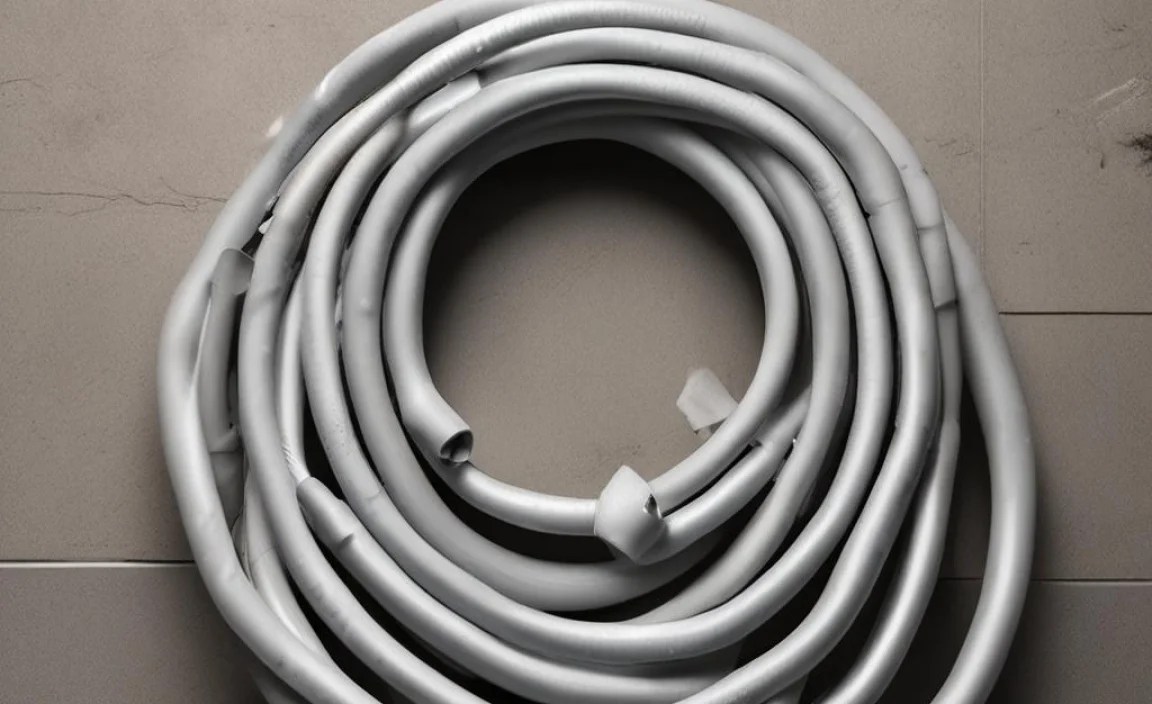
The best repair method depends on the size and location of the leak, as well as the type of hose. Here’s a quick guide:
| Leak Size | Hose Type | Recommended Repair Method |
|---|---|---|
| Small pinhole | Rubber or plastic | Rubber patch kit, waterproof tape, or liquid rubber sealant |
| Larger pinhole or small crack | Rubber or plastic | Rubber patch kit with hose clamp, or waterproof tape with hose clamp |
| Multiple pinholes or large crack | Any type | Replace the hose |
Preventing Future Leaks
Prevention is always better than cure. Here are some tips to help prevent pinhole leaks in your hoses:
- Store hoses properly: Avoid kinking or bending hoses, as this can weaken the material over time. Store them on a hose reel or hang them up.
- Protect from extreme temperatures: Extreme heat or cold can damage hoses. Store them in a cool, dry place when not in use.
- Avoid dragging hoses over rough surfaces: This can cause abrasion and wear.
- Inspect hoses regularly: Check for signs of wear and tear, such as cracks, bulges, or soft spots.
- Use the correct hose for the job: Make sure you’re using a hose that is rated for the pressure and temperature of the fluid or gas you’re using.
When to Replace the Hose
Sometimes, no matter how hard you try, a hose just can’t be fixed. Here are some signs that it’s time to replace the hose:
- Multiple leaks: If the hose has several pinholes or cracks, it’s likely to develop more in the future.
- Large cracks or bulges: These indicate that the hose is severely damaged and could burst at any time.
- Soft spots: These are signs of internal degradation and can lead to leaks.
- The hose is old and brittle: Over time, hoses can become brittle and prone to cracking.
Additional Tips and Tricks
- Use a heat gun or hair dryer: Gently heating the area around the leak before applying a patch or tape can help the adhesive bond better. Be careful not to overheat the hose.
- Try self-amalgamating tape: This type of tape fuses to itself, creating a waterproof seal. It’s a good option for repairing hoses that are exposed to water or other liquids.
- Consider using a bicycle tire repair kit: These kits are designed for high-pressure applications and can be very effective for repairing pinhole leaks in hoses.
FAQ: Fixing Hose Pinhole Air Leaks
Question 1: What causes pinhole leaks in hoses?
Answer: Pinhole leaks can be caused by wear and tear, exposure to extreme temperatures, physical damage, or degradation of the hose material over time.
Question 2: Can I use super glue to fix a pinhole leak?
Answer: Super glue might provide a temporary fix, but it’s not flexible and can crack easily. It’s better to use a rubber patch or waterproof tape for a more durable repair.
Question 3: How long will a patched hose last?
Answer: The lifespan of a patched hose depends on the quality of the repair and the conditions it’s exposed to. A well-applied patch can last for months or even years, but it’s always a good idea to monitor the repair regularly.
Question 4: Is it safe to use a hose with a pinhole leak?
Answer: It depends on the application. A small leak in a garden hose might not be a big deal, but a leak in a high-pressure air hose or a car radiator hose could be dangerous. It’s best to repair or replace the hose as soon as possible.
Question 5: Can I fix a pinhole leak in a car radiator hose?
Answer: Yes, you can temporarily fix a pinhole leak in a car radiator hose with a rubber patch and hose clamp. However, it’s important to replace the hose as soon as possible, as a failure could cause your engine to overheat. Always let the engine cool completely before working on the cooling system. Consider consulting a professional mechanic for advice.
Question 6: What type of tape is best for fixing a leaky hose?
Answer: Waterproof tape like electrical tape or duct tape is a good option for a temporary fix. Self-amalgamating tape is even better, as it fuses to itself to create a waterproof seal. However, a rubber patch is generally the most durable solution.
Question 7: Where can I buy a rubber patch kit?
Answer: Rubber patch kits are available at most hardware stores, auto parts stores, and online retailers. You can also find them at bicycle shops.
Authoritative Resources on Hose Repair and Maintenance
For more in-depth information on hose repair and maintenance, check out these resources:
- Environmental Protection Agency (EPA): Provides guidelines on water conservation, including tips on repairing leaky hoses.
- University of Minnesota Extension: Offers advice on garden hose care and maintenance.
- The Family Handyman: Features various DIY repair tips, including hose repair.
Conclusion
Fixing a pinhole air leak in a hose is a manageable task that can save you money and extend the life of your equipment. By following these steps, you can quickly identify the leak, choose the right repair method, and get your hose back in working order. Remember to take preventative measures to avoid future leaks, and don’t hesitate to replace the hose if the damage is too severe.
With a little effort and the right tools, you can keep your hoses in good condition and avoid the frustration of air leaks. Happy fixing!


