
How to Fix Bent Hose Connector: Easy DIY Guide

Quick Summary: Don’t let a bent hose connector ruin your ride! Most metal connectors can be carefully bent back into shape using pliers. For plastic connectors, heat them gently with a hairdryer before bending them. If the connector is cracked or severely damaged, replace it entirely. Keep reading for detailed steps and tips!
Having a bent hose connector on your bike pump is super frustrating. One minute you’re ready to inflate your tires, and the next, you’re wrestling with a wobbly, leaking connection. It happens to the best of us! Whether you accidentally knocked your pump over or the connector just wore down over time, a bent connector doesn’t have to mean a trip to the bike shop. With a few simple tools and some patience, you can often fix it yourself and get back on the road quickly. We’ll walk you through each step, so let’s get started!
What You’ll Need

Before we dive in, let’s gather the necessary tools. Having everything ready will make the process smooth and efficient.
- Pliers: A pair of needle-nose pliers or regular pliers will work.
- Heat Source (for plastic connectors): A hairdryer is ideal. Avoid using a heat gun, as it can easily melt the plastic.
- Soft Cloth: To protect the connector from scratches.
- Replacement Connector (if needed): Have a spare on hand in case the original is beyond repair.
- Work Gloves: To protect your hands.
Step-by-Step Guide to Fixing a Bent Hose Connector

Here’s a detailed breakdown of how to fix a bent hose connector, whether it’s metal or plastic.
1. Assess the Damage
First, take a close look at the connector. Determine the extent of the bend and whether there are any cracks or signs of severe damage. If the connector is cracked, especially a plastic one, it’s best to replace it rather than trying to fix it.
2. Prepare Your Work Area
Set up a clean, well-lit workspace. This will help you see what you’re doing and prevent any accidents.
3. Fixing a Metal Hose Connector
Metal connectors are generally more durable and easier to bend back into shape.
- Protect the Connector: Wrap the connector with a soft cloth to prevent scratches from the pliers.
- Grip with Pliers: Use the pliers to gently grip the bent area of the connector.
- Bend Slowly: Apply gentle, steady pressure to bend the connector back into its original shape. Avoid using excessive force, which could cause the metal to crack or break.
- Check Alignment: After each bend, check the alignment of the connector. It should line up straight with the hose.
- Repeat as Needed: Continue bending and checking until the connector is as straight as possible.
- Test the Connection: Attach the hose to your bike tire and test for leaks. If there are still leaks, double-check the alignment and try tightening the connection.
4. Fixing a Plastic Hose Connector
Plastic connectors require a bit more finesse because they can easily break if you’re not careful. Applying heat makes the plastic more pliable.
- Heat the Connector: Use a hairdryer to gently heat the bent area of the connector. Keep the hairdryer moving to avoid overheating one spot. Heat it for about 30-60 seconds.
- Protect the Connector: Wrap the connector with a soft cloth to protect it.
- Bend Slowly: Using your fingers or pliers (with a cloth for protection), gently bend the connector back into shape. The heat should make the plastic more flexible.
- Check Alignment: After each bend, check the alignment of the connector. It should line up straight with the hose.
- Repeat as Needed: Continue heating and bending until the connector is as straight as possible. Work slowly and patiently.
- Let it Cool: Allow the connector to cool completely before testing it. This will help the plastic retain its new shape.
- Test the Connection: Attach the hose to your bike tire and test for leaks. If there are still leaks, you may need to replace the connector.
5. Replacing the Hose Connector
If the connector is severely damaged or cracked, it’s best to replace it. Here’s how:
- Remove the Old Connector: Use pliers or a wrench to remove the old connector from the hose. Be careful not to damage the hose itself.
- Prepare the Hose: Clean the end of the hose to remove any debris or old sealant.
- Attach the New Connector: Slide the new connector onto the hose. You may need to use a hose clamp or sealant to ensure a secure connection.
- Tighten the Connection: Use pliers or a wrench to tighten the connector. Be careful not to overtighten, which could damage the hose or connector.
- Test the Connection: Attach the hose to your bike tire and test for leaks. If there are no leaks, you’re good to go!
Tips for Preventing Bent Hose Connectors

Prevention is always better than cure. Here are some tips to help prevent your hose connector from bending in the first place:
- Store Your Pump Properly: Store your bike pump in a safe place where it won’t get knocked over or stepped on.
- Handle with Care: Avoid yanking or twisting the hose when inflating your tires.
- Regular Maintenance: Check the connector regularly for signs of wear and tear. Tighten any loose connections.
- Use Quality Equipment: Invest in a high-quality bike pump with a durable hose connector.
Choosing the Right Replacement Connector

If you need to replace your hose connector, here’s what to look for:
- Material: Metal connectors (brass or aluminum) are generally more durable than plastic ones.
- Compatibility: Make sure the connector is compatible with your bike pump and tire valves (Presta or Schrader).
- Quality: Choose a connector from a reputable brand that is known for producing high-quality bike accessories.
Troubleshooting Common Issues
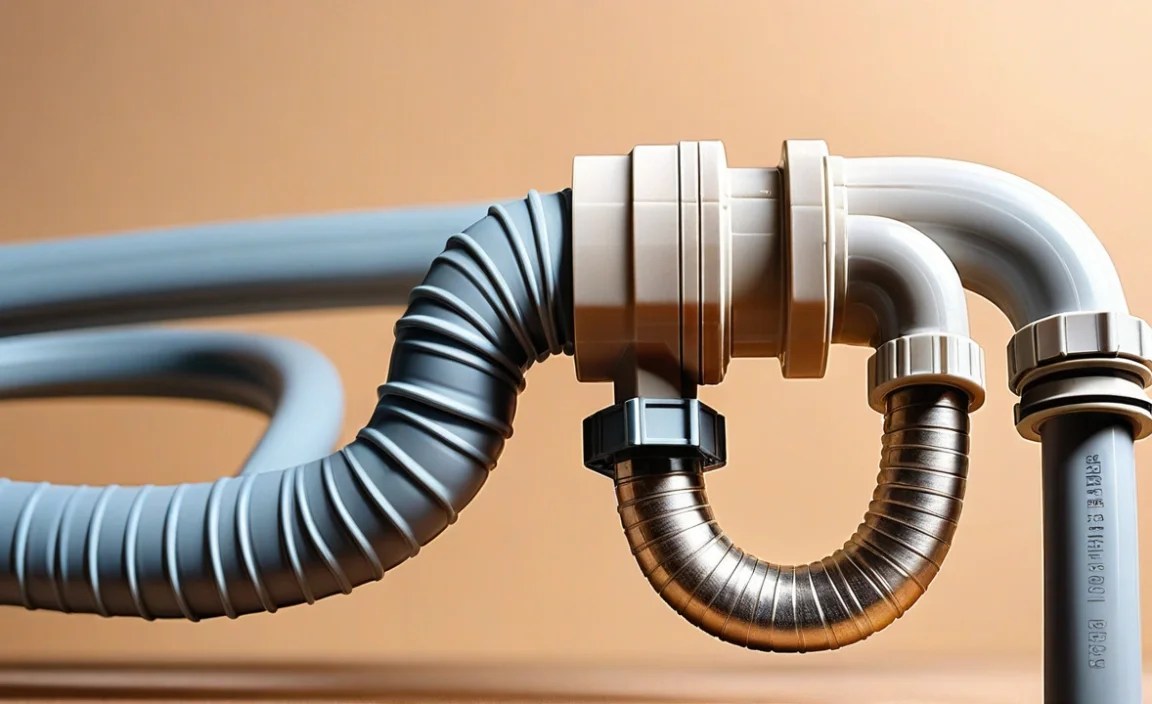
Even with the best instructions, you might run into a few snags. Here’s how to troubleshoot common issues:
- Leaking Connection: If the connection is leaking, try tightening the connector or using Teflon tape to seal the threads.
- Connector Won’t Fit: If the new connector won’t fit, make sure it’s the correct size and type for your hose and tire valves.
- Hose is Damaged: If the hose is damaged, you may need to replace the entire hose assembly.
Recommended Tools and Products
Here are some recommended tools and products to help you maintain your bike pump and fix bent hose connectors:
- Park Tool Pliers: Known for their durability and precision.
- Silca Hose Connector: High-quality replacement connectors for various bike pumps.
- Teflon Tape: For sealing threaded connections and preventing leaks.
The Science Behind Bending Metal and Plastic
Understanding the properties of metal and plastic can help you avoid damaging your hose connector during the repair process. Here’s a quick overview:
Metal
Metals like brass and aluminum are malleable, meaning they can be bent into shape without breaking. However, repeated bending can weaken the metal and cause it to crack. That’s why it’s important to bend the connector slowly and avoid using excessive force.
Plastic
Plastics are less malleable than metals, but they become more flexible when heated. Applying heat to a plastic connector allows you to bend it without breaking it. However, overheating can cause the plastic to melt or become brittle. That’s why using a hairdryer on a low setting is recommended. Reference authoritative sources like engineering handbooks or materials science websites for more in-depth information on material properties.
Table: Comparing Metal and Plastic Hose Connectors
| Feature | Metal Connector | Plastic Connector |
|---|---|---|
| Durability | More durable | Less durable |
| Flexibility | Malleable | More flexible when heated |
| Heat Resistance | High | Low |
| Cost | Higher | Lower |
| Repair Difficulty | Easier | More difficult |
Table: Troubleshooting Guide
| Problem | Possible Cause | Solution |
|---|---|---|
| Leaking Connection | Loose connector | Tighten the connector |
| Leaking Connection | Damaged threads | Use Teflon tape to seal the threads |
| Connector Won’t Fit | Incorrect size | Ensure connector matches hose and valve types |
| Connector Won’t Fit | Damaged hose | Replace hose assembly |
| Connector Breaks During Repair | Excessive force | Use gentle pressure, heat if plastic |
Advanced Techniques for Stubborn Bends
Sometimes, a bend is just too stubborn for simple pliers or heat. Here are some advanced techniques to try:
- Using a Vise: If you have a vise, you can use it to hold the connector securely while you bend it. Place the connector between the vise jaws, using a soft cloth to protect it, and slowly tighten the vise while applying pressure to the bent area.
- Applying Cold: For metal connectors, you can try applying cold to the bent area to make it more brittle. Use an ice pack or a can of compressed air held upside down to cool the metal. Then, carefully bend it back into shape.
- Heat Gun (with extreme caution): If a hairdryer isn’t enough for a plastic connector, you can try using a heat gun on the lowest setting. Be extremely careful not to overheat the plastic, as it can easily melt. Keep the heat gun moving and check the connector frequently.
DIY vs. Professional Repair
While many bent hose connectors can be fixed at home, there are times when it’s best to seek professional help. Here’s a quick guide:
DIY Repair is Suitable When:
- The bend is minor.
- The connector is not cracked or severely damaged.
- You have the necessary tools and skills.
Professional Repair is Recommended When:
- The bend is severe.
- The connector is cracked or severely damaged.
- You’re not comfortable performing the repair yourself.
- The bike pump is still under warranty.
Taking your bike pump to a local bike shop can save you time and ensure the repair is done correctly. Plus, they may have access to specialized tools and replacement parts.
Safety First
Before you start any repair, it’s important to prioritize safety. Here are some safety tips to keep in mind:
- Wear Safety Glasses: Protect your eyes from flying debris.
- Wear Work Gloves: Protect your hands from sharp edges and hot surfaces.
- Work in a Well-Ventilated Area: If you’re using any chemicals or solvents, make sure to work in a well-ventilated area.
- Unplug the Pump: If you’re working on an electric bike pump, unplug it before starting any repairs.
FAQ: Fixing Bent Hose Connectors
Here are some frequently asked questions about fixing bent hose connectors:
Q1: Can I use a lighter to heat a plastic connector?
A: It’s not recommended. A lighter provides uneven heat and can easily melt the plastic. A hairdryer is a safer, more controlled option.
Q2: What type of pliers should I use?
A: Needle-nose pliers or regular pliers will work. Just be sure to protect the connector with a soft cloth to prevent scratches.
Q3: How do I know if the connector is beyond repair?
A: If the connector is cracked, severely bent, or shows signs of significant wear and tear, it’s best to replace it.
Q4: Can I use super glue to fix a cracked connector?
A: Super glue might offer a temporary fix, but it’s not a reliable long-term solution. It’s better to replace the connector.
Q5: Where can I buy a replacement hose connector?
A: You can find replacement hose connectors at most bike shops or online retailers that sell bike accessories.
Q6: How often should I check my hose connector for damage?
A: It’s a good idea to check your hose connector every few months, especially if you use your bike pump frequently.
Q7: What’s the best way to store my bike pump to prevent damage?
A: Store your bike pump in a safe place where it won’t get knocked over or stepped on. Avoid hanging it by the hose, which can put stress on the connector.
Conclusion
Fixing a bent hose connector might seem daunting at first, but with the right tools and techniques, it’s a manageable task. Whether you’re bending back a metal connector or carefully heating a plastic one, remember to take your time and avoid using excessive force. If all else fails, replacing the connector is a simple and cost-effective solution. By following these steps and tips, you can keep your bike pump in top condition and ensure you’re always ready for your next ride. Happy cycling!


