
How to Connect Threaded Hose Properly: Easy Guide

Quick Summary: To connect a threaded hose properly, first ensure the threads are clean and undamaged. Apply Teflon tape in the correct direction (clockwise when looking at the opening) to create a watertight seal. Hand-tighten the connection, then use a wrench for an additional half to one full turn, avoiding over-tightening to prevent damage. Always test for leaks after connecting.
Have you ever struggled to connect a garden hose or bike pump hose, only to find it leaking or damaged? Threaded hose connections can be tricky, but getting them right is crucial for everything from watering your garden to inflating your tires. A leaky connection wastes water, reduces pressure, and can even damage your equipment. Don’t worry! This guide will walk you through each step to ensure a secure, leak-free connection every time. We’ll cover everything from preparing the threads to choosing the right tools, so you can say goodbye to frustrating leaks. Let’s get started!
Understanding Threaded Hose Connections
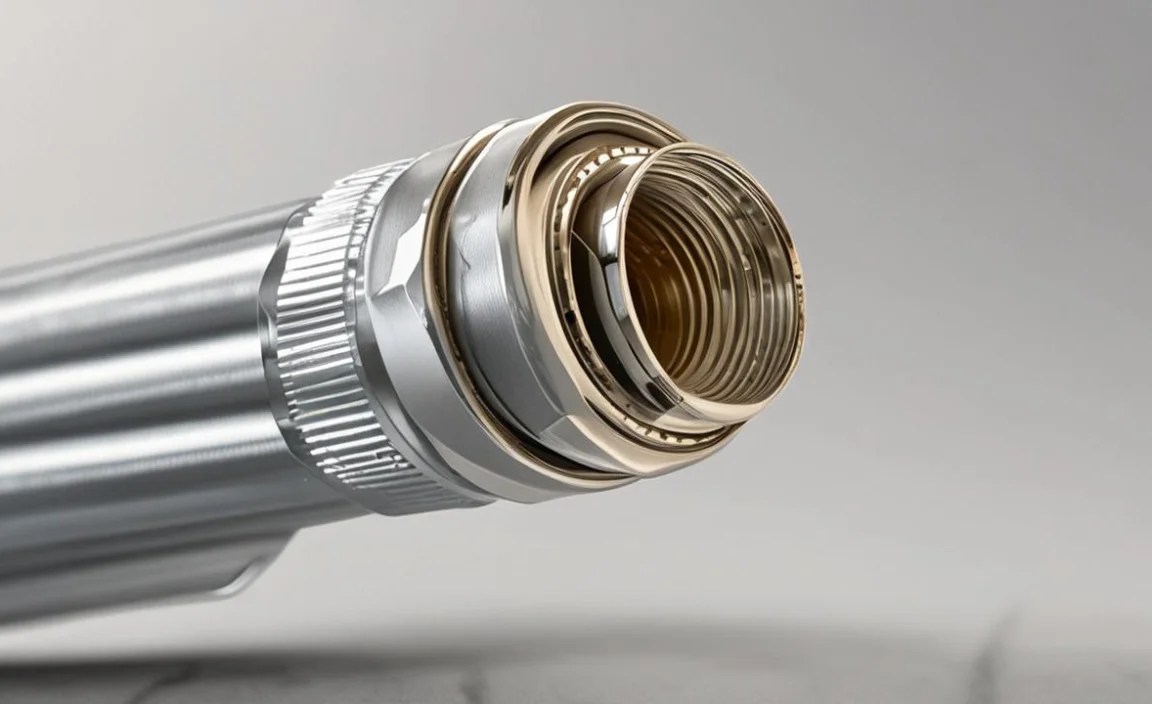
Threaded hose connections are a common way to join hoses to various fixtures, tools, and equipment. They rely on a spiral ridge (the thread) to create a tight seal when twisted together. Understanding the basics will help you avoid common mistakes and ensure a secure connection.
Types of Threads
There are several types of threads used in hose connections. Knowing the difference is essential for compatibility and preventing cross-threading.
- National Pipe Thread (NPT): A U.S. standard for tapered threads used to seal pipes and fittings.
- Garden Hose Thread (GHT): Specifically designed for garden hoses and related fittings, typically straight threads.
- British Standard Pipe (BSP): A common standard outside of the U.S., available in both tapered (BSPT) and parallel (BSPP) versions.
Common Materials
Hose fittings are made from various materials, each with its own advantages and disadvantages.
- Brass: Durable and corrosion-resistant, ideal for outdoor use.
- Plastic: Lightweight and inexpensive, suitable for low-pressure applications.
- Stainless Steel: Strong and resistant to rust, best for demanding environments.
Essential Tools and Materials
Before you start, gather the necessary tools and materials to make the process smoother and more efficient.
- Teflon Tape (PTFE Tape): Creates a watertight seal by filling gaps between threads.
- Adjustable Wrench or Hose Wrench: For tightening connections without damaging them.
- Clean Cloth: To wipe away dirt and debris.
- Hose Connector or Adapter: If connecting hoses with different thread types.
Step-by-Step Guide to Connecting Threaded Hoses
Follow these steps to ensure a secure and leak-free connection.
Step 1: Inspect the Threads
Before connecting anything, inspect the threads on both the hose and the fixture. Look for:
- Damage: Dents, flattened threads, or cracks.
- Dirt and Debris: Grit, rust, or old sealant.
Use a clean cloth to wipe away any dirt or debris. If the threads are damaged, consider replacing the fitting or hose.
Step 2: Apply Teflon Tape
Teflon tape is your best friend when it comes to creating a watertight seal. Here’s how to apply it correctly:
- Direction: Wrap the tape clockwise when looking at the opening of the male thread. This ensures the tape tightens as you screw the connection together.
- Layers: Apply 2-3 layers of Teflon tape, overlapping each layer by about half its width.
- Tension: Pull the tape taut as you wrap it around the threads. This helps it conform to the shape of the threads and create a better seal.
Pro Tip: Avoid using too much Teflon tape, as it can actually prevent the threads from engaging properly. Less is often more!
Step 3: Hand-Tighten the Connection
Start by hand-tightening the connection. This helps align the threads and ensures they engage properly before you use a wrench.
- Alignment: Make sure the threads are properly aligned before you start twisting.
- Feel: Tighten until you feel resistance. Don’t force it if it feels cross-threaded.
Step 4: Use a Wrench for Final Tightening
Once the connection is hand-tight, use a wrench to tighten it further. Be careful not to over-tighten, as this can damage the threads or the fitting.
- Wrench Type: Use an adjustable wrench or a specialized hose wrench. Avoid using pliers, as they can damage the fitting.
- Tightening: Tighten the connection an additional half to one full turn beyond hand-tight.
- Feel: You should feel resistance, but the connection should not feel strained.
Pro Tip: If you’re using a plastic fitting, be extra careful not to over-tighten, as plastic is more prone to cracking than metal.
Step 5: Test for Leaks
After tightening the connection, test for leaks before putting it into full use. This can save you from wasting water or causing damage.
- Turn on the Water: Slowly turn on the water supply to the hose.
- Inspect: Check the connection point for any signs of water leaking.
- Tighten Further (If Needed): If you see a leak, try tightening the connection slightly more. If the leak persists, you may need to disassemble the connection and reapply Teflon tape.
Troubleshooting Common Issues
Even with careful preparation, you might encounter some common issues. Here’s how to troubleshoot them.
Leaking Connections
A leaking connection is the most common problem. Here’s what to do:
- Check Teflon Tape: Make sure you applied enough Teflon tape and that it’s wrapped in the correct direction.
- Tighten Further: Try tightening the connection slightly more with a wrench.
- Inspect Threads: Check for damaged threads. If they’re damaged, you may need to replace the fitting or hose.
Cross-Threading
Cross-threading occurs when the threads don’t align properly, and you force the connection. This can damage the threads and prevent a tight seal.
- Stop Immediately: If you feel resistance or the connection feels “off,” stop immediately.
- Realign: Unscrew the connection and realign the threads.
- Inspect: Check for any damage to the threads. If they’re damaged, you may need to replace the fitting or hose.
Over-Tightening
Over-tightening can damage the threads or the fitting, especially if it’s made of plastic.
- Loosen: If you suspect you’ve over-tightened the connection, loosen it slightly.
- Inspect: Check for any signs of damage, such as cracks or flattened threads.
- Replace (If Needed): If the fitting is damaged, replace it.
Advanced Tips for Threaded Hose Connections
Here are some advanced tips to help you get the most out of your threaded hose connections.
Using Pipe Dope (Thread Sealant)
In addition to Teflon tape, you can use pipe dope (also known as thread sealant) to create a watertight seal. Pipe dope is a paste-like substance that fills the gaps between threads.
- Application: Apply pipe dope to the male threads before connecting.
- Combination: You can use pipe dope in combination with Teflon tape for an extra-strong seal.
Choosing the Right Fittings
Using the right fittings is crucial for compatibility and performance.
- Material: Choose fittings made from materials that are compatible with the fluid or gas you’re using.
- Thread Type: Make sure the fittings have the correct thread type (NPT, GHT, BSP).
- Size: Choose fittings that are the correct size for your hose and equipment.
Maintaining Your Hose Connections
Regular maintenance can help extend the life of your hose connections and prevent leaks.
- Clean Regularly: Clean the threads regularly to remove dirt and debris.
- Inspect: Inspect the connections for damage or wear.
- Replace: Replace worn or damaged fittings promptly.
Threaded Hose Connection: Best Practices
To ensure reliable, leak-free threaded hose connections, follow these best practices:
- Cleanliness: Always start with clean, dry threads to ensure proper sealing.
- Tape Application: Wrap Teflon tape in the correct direction (clockwise) and apply 2-3 layers for optimal thickness.
- Tightening: Hand-tighten first to align threads, then use a wrench for an additional half to one full turn, avoiding excessive force.
- Testing: After connecting, always test for leaks by slowly turning on the water or air supply and inspecting the connection point.
- Maintenance: Regularly inspect connections for damage, wear, or corrosion, and replace worn fittings promptly to prevent future leaks.
Table: Comparison of Thread Sealants
| Sealant Type | Pros | Cons | Best Use Cases |
|---|---|---|---|
| Teflon Tape (PTFE) | Clean, easy to apply, compatible with most materials, inexpensive. | Can unwind if not applied correctly, may not be suitable for high-pressure applications. | General plumbing, garden hoses, low to medium-pressure systems. |
| Pipe Dope (Thread Sealant) | Provides excellent sealing, fills larger gaps, suitable for higher pressures. | Can be messy, may react with certain materials, requires more cleanup. | Gas lines, hydraulic systems, high-pressure plumbing. |
| Liquid Thread Sealant | Offers strong sealing, vibration resistant, suitable for fine threads. | Can be more expensive, requires specific application tools, longer curing time. | Precision instruments, pneumatic systems, applications needing vibration resistance. |
Table: Common Thread Types and Their Applications
| Thread Type | Description | Typical Applications |
|---|---|---|
| NPT (National Pipe Thread) | Tapered threads used to create a seal as they are tightened. | Plumbing, gas lines, hydraulic systems in North America. |
| GHT (Garden Hose Thread) | Straight threads specifically designed for garden hoses and fittings. | Garden hoses, sprinklers, hose nozzles. |
| BSPT (British Standard Pipe Tapered) | Tapered threads similar to NPT, but with different dimensions. | Plumbing and industrial applications outside North America. |
| BSPP (British Standard Pipe Parallel) | Parallel threads that require a sealing washer or O-ring to create a leak-proof connection. | Low-pressure systems, fittings requiring frequent disconnection. |
FAQ: Connecting Threaded Hoses
Here are some frequently asked questions about connecting threaded hoses:
What is Teflon tape, and why do I need it?
Teflon tape (also known as PTFE tape or plumber’s tape) is a thin, white tape used to seal threaded pipe connections. It creates a watertight seal by filling the tiny gaps between the threads, preventing leaks.
How much Teflon tape should I use?
Apply 2-3 layers of Teflon tape, overlapping each layer by about half its width. Make sure to wrap it in the correct direction (clockwise when looking at the opening of the male thread).
What if I don’t have Teflon tape?
While Teflon tape is the most common and effective sealant, you can use pipe dope (thread sealant) as an alternative. Apply it to the male threads before connecting.
How tight should I make the connection?
Hand-tighten the connection first, then use a wrench for an additional half to one full turn. Be careful not to over-tighten, as this can damage the threads or the fitting.
What should I do if the connection is leaking?
If the connection is leaking, try tightening it slightly more with a wrench. If the leak persists, disassemble the connection, reapply Teflon tape, and try again.
Can I reuse Teflon tape?
It’s generally not recommended to reuse Teflon tape. Once it’s been compressed and molded to the threads, it may not seal as effectively the second time.
What if the threads are damaged?
If the threads are damaged, consider replacing the fitting or hose. Damaged threads can prevent a tight seal and lead to leaks.
Conclusion
Connecting threaded hoses properly doesn’t have to be a frustrating experience. By understanding the basics, using the right tools, and following these step-by-step instructions, you can achieve a secure, leak-free connection every time. Remember to inspect the threads, apply Teflon tape correctly, avoid over-tightening, and always test for leaks. With a little practice, you’ll be able to tackle any threaded hose connection with confidence. Now go forth and connect those hoses like a pro!


