
How to Upgrade Bike Pump Hose to Braided Type: Easy!

Quick Summary: Want to boost your bike pump’s performance? Upgrading to a braided hose is easier than you think! You’ll need a new braided hose, some basic tools like pliers and a wrench, and a bit of patience. Simply remove the old hose, attach the new one securely, and you’re ready to inflate with greater efficiency and durability. This upgrade minimizes leaks and maximizes pressure for quicker, easier tire inflation.
Is your bike pump hose cracked, leaky, or just plain inefficient? You’re not alone! Many cyclists face this frustration. A worn-out hose can make inflating tires a real chore. But don’t worry – upgrading to a braided hose is a simple and effective solution. Braided hoses are tougher, more flexible, and less prone to kinking, giving you a better pumping experience.
In this guide, I’ll walk you through each step of the process. I’ll show you how to safely remove your old hose and install a brand-new braided one. Get ready to say goodbye to frustrating leaks and hello to effortless inflation!
Why Upgrade to a Braided Bike Pump Hose?

Before we dive into the how-to, let’s talk about why upgrading your bike pump hose is a smart move. Braided hoses offer several advantages over standard rubber or plastic hoses.
Enhanced Durability
Braided hoses are built to last. The braided outer layer protects the inner hose from wear and tear, extending its lifespan significantly. This is especially important if you use your bike pump frequently or store it in a harsh environment.
Improved Flexibility
Unlike stiff, inflexible hoses, braided hoses offer excellent flexibility. This makes it easier to maneuver the pump and reach the tire valve, especially in tight spaces. No more wrestling with a stubborn hose!
Reduced Kinking
Kinking can restrict airflow and make pumping difficult. Braided hoses are much less prone to kinking than standard hoses, ensuring consistent and efficient inflation.
Increased Pressure Capacity
Braided hoses can handle higher pressures without expanding or bursting. This is crucial for inflating tires to the correct pressure, especially for road bikes or mountain bikes with tubeless setups.
Better Seal
The robust construction of braided hoses often leads to a better seal at the valve connection. This means less air leakage and more efficient pumping.
Tools and Materials You’ll Need

To upgrade your bike pump hose, you’ll need a few basic tools and materials. Here’s a list:
- New Braided Hose: Choose a hose that is compatible with your bike pump and has the correct fittings. (See section “Choosing the Right Braided Hose”).
- Pliers: For removing hose clamps or other fasteners.
- Wrench: For tightening or loosening fittings. The size will depend on your pump and hose.
- Screwdriver: A flathead or Phillips head screwdriver may be needed depending on the type of clamps used.
- Hose Cutter or Sharp Knife: To trim the hose if necessary.
- Heat Gun or Hair Dryer (Optional): To soften the hose for easier installation.
- Thread Sealant Tape (Teflon Tape): To ensure a leak-proof seal on threaded connections.
- Safety Glasses: To protect your eyes from debris.
- Work Gloves: To protect your hands and provide a better grip.
Choosing the Right Braided Hose

Selecting the right braided hose is crucial for a successful upgrade. Here’s what to consider:
Compatibility
Make sure the hose is compatible with your bike pump. Check the hose’s fitting type (e.g., threaded, push-on) and size to ensure it matches your pump’s connection.
Length
Choose a hose length that is similar to your existing hose or slightly longer. A hose that is too short will be difficult to use, while a hose that is too long can get in the way. A good length for most floor pumps is between 3 and 4 feet.
Material
Look for a braided hose made from high-quality materials like stainless steel or nylon. These materials are durable and resistant to wear and tear. The inner tube material is also important. Thermoplastic polyurethane (TPU) offers good flexibility and chemical resistance.
Fittings
The fittings are the connectors that attach the hose to the pump and the valve head. Ensure the fittings are made from durable materials like brass or aluminum. Check the thread size and type to ensure compatibility. Common thread sizes include 1/8″ NPT and 1/4″ NPT.
Valve Head Compatibility
Consider whether the new hose will work with your existing valve head, or if you’ll need to purchase a new valve head along with the hose. Some braided hose kits come with a new valve head. A good valve head should be easy to use and provide a secure, leak-free connection to both Presta and Schrader valves.
Here is a table to help you compare different braided hose materials:
| Material | Pros | Cons | Typical Applications |
|---|---|---|---|
| Stainless Steel | Highly durable, heat resistant, corrosion resistant | Less flexible, can be more expensive | High-pressure applications, harsh environments |
| Nylon | Flexible, lightweight, good chemical resistance | Less heat resistant than stainless steel | General-purpose applications, where flexibility is important |
| TPU (Thermoplastic Polyurethane) | Excellent flexibility, abrasion resistant, chemical resistant | Can be more expensive than other plastics | Inner tubes of braided hoses, applications requiring high flexibility and durability |
Step-by-Step Guide: Upgrading Your Bike Pump Hose

Now that you have your tools and materials, let’s get started! Follow these step-by-step instructions to upgrade your bike pump hose.
Step 1: Prepare Your Work Area
Choose a clean, well-lit work area. This will make it easier to see what you’re doing and prevent you from losing any small parts. Cover your work surface with a cloth or paper towels to protect it from scratches and spills.
Step 2: Disconnect the Old Hose
First, you’ll need to disconnect the old hose from the pump. The method for doing this will vary depending on the type of pump and hose connection. Here are a few common scenarios:
- Threaded Connection: Use a wrench to loosen the fitting that connects the hose to the pump. Turn the wrench counterclockwise to loosen the fitting. Once the fitting is loose, you should be able to unscrew it by hand.
- Push-On Connection: Some hoses are simply pushed onto a fitting. In this case, you may be able to pull the hose off the fitting by hand. If the hose is stuck, use pliers to gently grip the hose near the fitting and twist it back and forth while pulling.
- Hose Clamp: Some hoses are secured with a hose clamp. Use a screwdriver or pliers to loosen the clamp, then slide the hose off the fitting.
Once you’ve disconnected the hose from the pump, disconnect it from the valve head as well. Use the same method as you used for the pump connection.
Step 3: Prepare the New Hose
Before installing the new hose, inspect it for any damage. Make sure the fittings are clean and free of debris. If necessary, use a hose cutter or sharp knife to trim the hose to the correct length. Be sure to make a clean, straight cut.
Step 4: Apply Thread Sealant Tape (If Applicable)
If your new hose has threaded fittings, apply thread sealant tape (Teflon tape) to the threads. This will help create a leak-proof seal. Wrap the tape around the threads in a clockwise direction, overlapping each layer slightly. Apply two or three layers of tape.
Step 5: Connect the New Hose to the Pump
Now it’s time to connect the new hose to the pump. Align the hose fitting with the pump connection and tighten it securely. If you’re using a wrench, be careful not to overtighten the fitting, as this could damage the threads. Tighten the fitting until it is snug, but not excessively tight.
Step 6: Connect the New Hose to the Valve Head
Connect the other end of the hose to the valve head. Again, align the fitting with the valve head connection and tighten it securely. Make sure the valve head is properly attached and that it is compatible with both Presta and Schrader valves.
Step 7: Test for Leaks
After installing the new hose, it’s important to test for leaks. Inflate a tire to a moderate pressure and listen for any hissing sounds. Check the connections at the pump and valve head for any signs of air leakage. If you detect a leak, tighten the fittings slightly or reapply thread sealant tape.
Here’s a quick checklist to ensure a secure, leak-free connection:
- Are all fittings tightened properly?
- Is thread sealant tape applied to all threaded connections?
- Is the valve head securely attached to the hose?
- Does the valve head seal properly on both Presta and Schrader valves?
Tips for a Smooth Upgrade
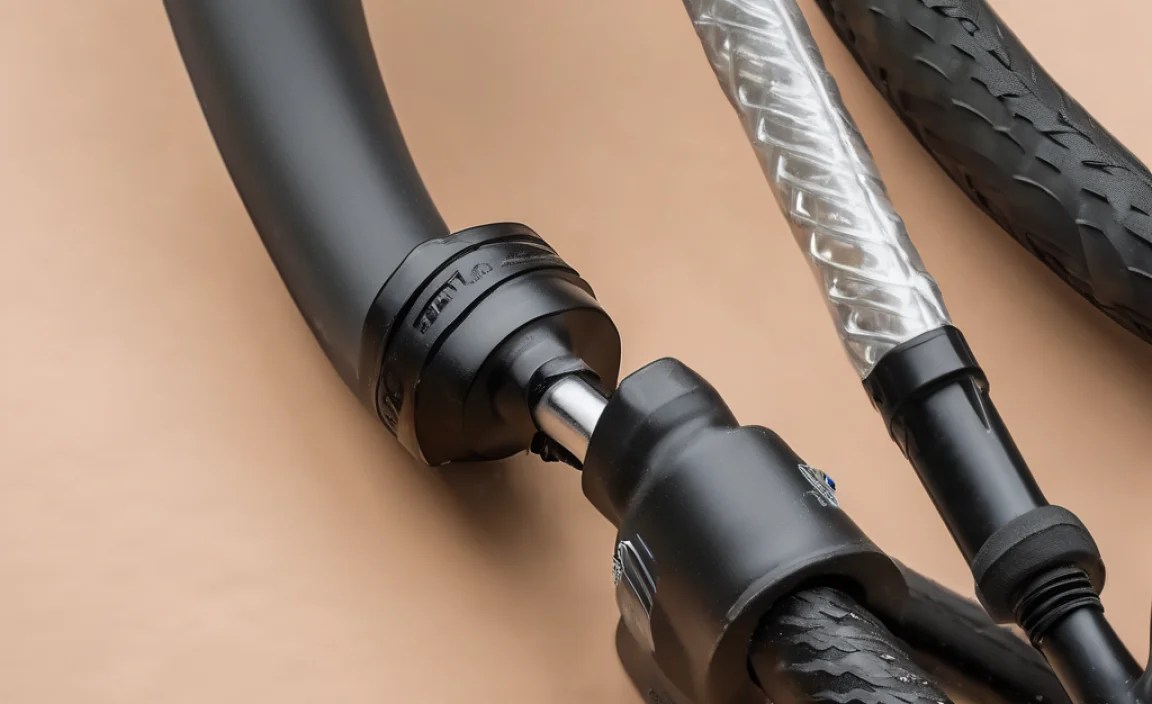
Here are a few extra tips to help you upgrade your bike pump hose with ease:
- Soften the Hose: If the hose is stiff or difficult to work with, try softening it with a heat gun or hair dryer. Apply heat to the hose for a few seconds, then try bending or twisting it. Be careful not to overheat the hose, as this could damage it.
- Use Lubricant: Applying a small amount of lubricant (e.g., silicone grease) to the fittings can make them easier to tighten and loosen.
- Take Your Time: Don’t rush the process. Take your time and double-check your work to ensure everything is properly connected.
- Consult the Manual: If you’re unsure about any step of the process, consult the pump’s manual or the hose manufacturer’s instructions.
- Watch Videos: Watching a video tutorial can be helpful, especially if you’re a visual learner. Search online for videos on how to upgrade a bike pump hose.
Troubleshooting Common Issues
Even with careful preparation, you may encounter some issues during the upgrade process. Here are a few common problems and how to solve them:
| Issue | Possible Cause | Solution |
|---|---|---|
| Air Leak at Connection | Loose fitting, damaged threads, insufficient thread sealant tape | Tighten fitting, reapply thread sealant tape, replace fitting |
| Hose Kinking | Hose too long, hose not flexible enough | Trim hose to correct length, choose a more flexible hose |
| Difficult to Connect Hose to Pump | Incorrect fitting size, damaged threads | Check fitting size, clean or replace fitting |
| Valve Head Not Sealing Properly | Worn valve head, incorrect valve head type | Replace valve head, choose a valve head that is compatible with your tires |
Maintaining Your Braided Hose
Once you’ve upgraded to a braided hose, it’s important to maintain it properly to ensure it lasts for years to come. Here are a few tips:
- Store the Hose Properly: When not in use, store the hose in a cool, dry place away from direct sunlight. Avoid kinking or bending the hose excessively.
- Clean the Hose Regularly: Clean the hose regularly with a damp cloth to remove dirt and grime. Avoid using harsh chemicals or solvents, as these could damage the hose.
- Inspect the Hose Periodically: Inspect the hose periodically for any signs of wear and tear, such as cracks, abrasions, or leaks. Replace the hose if you notice any damage.
- Lubricate Fittings: Lubricate the fittings occasionally with a small amount of silicone grease to prevent corrosion and ensure smooth operation.
FAQ: Upgrading Your Bike Pump Hose
Here are some frequently asked questions about upgrading your bike pump hose:
Q: How often should I replace my bike pump hose?
A: It depends on how often you use your pump and the quality of the hose. A standard rubber or plastic hose may need to be replaced every 1-2 years, while a braided hose can last much longer, often 5 years or more with proper care.
Q: Can I use any type of braided hose for my bike pump?
A: No, you need to choose a braided hose that is specifically designed for bike pumps. These hoses have the correct fittings and pressure rating for inflating tires.
Q: What is thread sealant tape and why do I need it?
A: Thread sealant tape (also known as Teflon tape) is a thin, white tape that is used to create a leak-proof seal on threaded connections. It fills the gaps between the threads and prevents air from escaping.
Q: Do I need any special tools to upgrade my bike pump hose?
A: You’ll need a few basic tools, such as pliers, a wrench, and a screwdriver. A hose cutter or sharp knife may also be needed to trim the hose.
Q: Is it difficult to upgrade a bike pump hose?
A: No, upgrading a bike pump hose is a relatively simple task that can be completed in about 30 minutes. Just follow the step-by-step instructions in this guide.
Q: What if I can’t find a braided hose that is compatible with my bike pump?
A: If you can’t find a direct replacement, you may be able to use an adapter to connect the hose to the pump. Consult a bike shop or online retailer for assistance.
Q: Will upgrading to a braided hose really make a difference?
A: Yes! A braided hose offers increased durability, flexibility, and pressure capacity, resulting in a better pumping experience and more efficient tire inflation.
Conclusion
Upgrading your bike pump hose to a braided type is a simple yet impactful improvement you can make to your cycling setup. By following these steps and tips, you can enhance your pump’s performance, reduce frustrating leaks, and enjoy easier, more efficient tire inflation for years to come. A braided hose isn’t just a replacement part; it’s an investment in smoother rides and more time enjoying the open road or trail. So go ahead, give your pump the upgrade it deserves and experience the difference a quality hose can make!


