
How to Choose Between Digital & Analogue Shock Pump: Smart Guide

Have you ever seen a bike with super bouncy wheels? Shock pumps help keep them just right. They add air to the shocks on bikes. This makes the ride smooth. But how do you pick the right pump? Should you get a digital or analogue one? Let’s find out {how to choose between digital and analogue shock pump}!
Key Takeaways
- Knowing the pros and cons helps you choose the right shock pump.
- Digital shock pumps offer precise readings, great for serious riders.
- Analogue shock pumps are simpler, reliable, and often cost less.
- Think about what you need: accuracy or easy use.
- {How to choose between digital and analogue shock pump} depends on your biking style.
Understanding Analogue Shock Pumps

Analogue shock pumps are like the speed gauge in older cars. They use a needle to show the air pressure. These pumps are easy to use. You just pump until the needle points to the pressure you want. They don’t need batteries. This means they always work. Analogue pumps are good for quick adjustments. Many bikers like them because they are simple and tough. If you want something that always works, an analogue pump might be best. They show you the pressure with a moving needle on a gauge. This makes it easy to see changes as you pump. They are often less expensive than digital pumps. This is great if you don’t want to spend too much money. For bikers who like simple tools, an analogue pump is a great choice.
- Analogue pumps use a needle gauge.
- They do not need batteries to work.
- These pumps are often cheaper.
- They are easy to use and read.
- Analogue pumps are very reliable.
What Makes Analogue Pumps Simple?
Have you ever used a simple ruler? Analogue pumps are similar. They have fewer parts. This makes them easy to understand. You can see the pressure change as you pump. There are no buttons to press. No screens to read. It’s just a needle moving on a scale. This simplicity makes them very dependable. They work in all kinds of weather. They are not affected by cold or heat like digital ones can be. If you want a tool that you can count on, choose an analogue pump. They are also easy to fix. If something goes wrong, you can often fix it yourself. This is a big plus for people who like to do things themselves. Simple is often better, especially when you are out on the trail.
Why Are They Good for Beginners?
Imagine you are learning to ride a bike. You would want something easy to control. Analogue pumps are the same. They are straightforward. You can easily see how much air you are adding. The needle moves as you pump. This gives you a clear idea of the pressure. There are no complicated settings to worry about. This makes them perfect for beginners. You can focus on getting the right pressure. Without being confused by technology. Many beginners also like that they are cheaper. This lets them save money for other biking gear. Starting with an analogue pump is a smart choice. It helps you learn without spending too much.
Are Analogue Pumps Durable?
Think about old tools you see in your grandpa’s garage. They are still working after many years. Analogue pumps are built to last. They have fewer electronic parts. This means less can go wrong. The gauges are often protected by a strong case. This protects them from bumps and drops. Many bikers keep analogue pumps in their backpacks. They know they can rely on them. Even in rough conditions. If you want a pump that will last for years, pick an analogue one. They are made to handle tough use. This makes them a great investment for any biker who wants a reliable tool.
Analogue pumps are great for bikers who want something simple and dependable. They are easy to use and don’t need batteries. This makes them a good choice for anyone who wants a reliable tool. You can always count on them. They are also cheaper than digital pumps. If you don’t need super-accurate readings, an analogue pump is perfect. They are tough and built to last, making them a great value for your money.
Fun Fact or Stat: Analogue shock pumps have been used by cyclists for over 30 years, proving their reliability and simple design!
Exploring Digital Shock Pumps
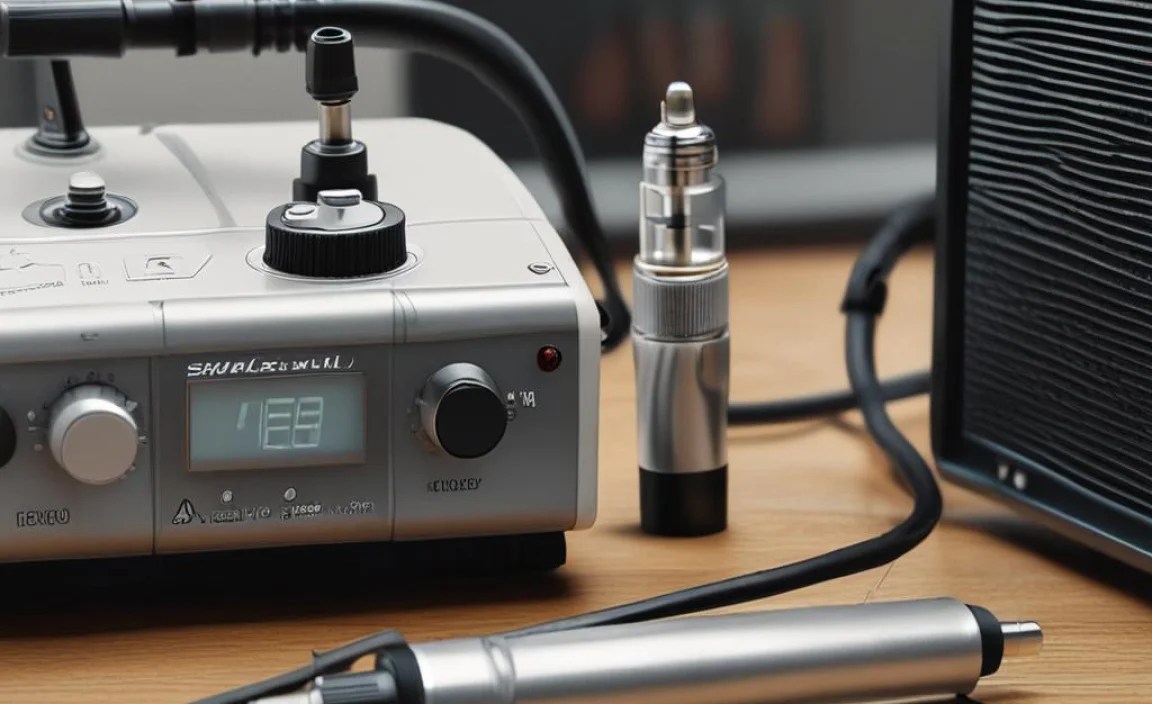
Digital shock pumps are like the new, fancy cars with digital dashboards. They show the air pressure on a screen. This screen gives you a very exact reading. You can see the pressure in numbers. Digital pumps are great for bikers who want to be precise. They often have buttons to fine-tune the pressure. Some even remember your settings. This is helpful if you always use the same pressure. Digital pumps need batteries. So, you need to make sure they are charged. They are often more expensive than analogue pumps. But, if you want the most accurate readings, a digital pump is the way to go. They help you get the perfect air pressure every time.
- Digital pumps show pressure on a screen.
- They give very exact readings.
- Some remember your settings.
- They need batteries to work.
- Digital pumps are often more costly.
How Accurate Are Digital Pumps?
Imagine you are measuring something very small. You would want a precise ruler. Digital pumps are very precise. They show the pressure down to the smallest unit. This helps you get the exact air pressure you need. Many professional bikers use digital pumps. They need to make sure their shocks are perfect. Even a small change in pressure can make a difference. Digital pumps let you control this. They take the guesswork out of pumping. If you want to fine-tune your bike, a digital pump is best. It gives you the accuracy you need to perform your best.
What Features Do Digital Pumps Offer?
Have you ever used a fancy calculator? It can do many things. Digital pumps are similar. They have extra features. Some can store your favorite settings. This is great if you ride different bikes. Or if you like different pressures. Some have lights. This helps you see in the dark. Some even have automatic shut-off. This prevents you from over-pumping. These features make digital pumps very convenient. They can save you time and effort. If you want a pump with all the bells and whistles, choose a digital one. They offer many extras that analogue pumps don’t have.
Why Choose Digital for High-End Bikes?
Think about a race car. It needs the best equipment. High-end bikes are the same. They often have very sensitive shocks. These shocks need precise air pressure. Digital pumps provide this accuracy. They help you get the most out of your bike. Many high-end bikes cost a lot of money. So, you want to take good care of them. A digital pump is a good investment. It helps you protect your bike. And it makes sure you get the best performance. If you have a high-end bike, consider a digital pump. It is worth the extra cost.
Digital shock pumps are great for bikers who want the most accurate readings. They have many features that make them easy to use. They are perfect for high-end bikes and serious riders. They do need batteries, so you need to remember to charge them. They are more expensive than analogue pumps. But, if you want the best performance, a digital pump is worth it. They help you fine-tune your bike for the perfect ride.
Fun Fact or Stat: The first digital shock pumps appeared in the early 2000s, offering cyclists unprecedented precision!
Accuracy: Digital vs. Analogue

Accuracy is very important when setting up your bike’s suspension. Digital pumps are known for their high accuracy. They display pressure readings with precise numbers. This helps you fine-tune your shocks to the exact PSI (pounds per square inch). Analogue pumps, on the other hand, use a needle on a gauge. While reliable, they may not be as precise as digital pumps. The needle can sometimes be hard to read. Especially for small pressure changes. For riders who need exact settings, digital pumps are the better choice. They provide consistent and reliable readings. This ensures your suspension performs optimally. If you are less concerned with pinpoint accuracy, an analogue pump can still be sufficient. It offers a good balance of simplicity and functionality.
- Digital pumps give very accurate readings.
- Analogue pumps are less precise.
- Accuracy matters for suspension setup.
- Choose digital for exact PSI settings.
- Analogue pumps are good enough for general use.
How Much Does Accuracy Really Matter?
Imagine you are making a cake. A little too much or too little of an ingredient can change the taste. The same is true for bike shocks. Small changes in air pressure can affect how your bike rides. For racers and serious riders, this accuracy matters a lot. They want their bike to perform perfectly. For casual riders, a little less accuracy might be okay. They may not notice small changes. Think about what kind of riding you do. If you are serious about performance, go for accuracy. If you just ride for fun, save some money and get an analogue pump. It all depends on your needs.
What Are the Limits of Analogue Gauges?
Think about trying to read a small clock. It can be hard to see the exact time. Analogue gauges have similar limits. The needle can be small. The markings can be close together. This makes it hard to read the exact pressure. Also, analogue gauges can wear out over time. This can make them less accurate. Digital gauges don’t have these problems. They show the pressure in clear numbers. They don’t wear out as easily. If you need the most accurate readings, avoid these limits. Choose a digital pump instead. It will give you the precision you need.
Can You Calibrate an Analogue Pump?
Have you ever checked if your scale is correct? Sometimes, you can adjust it. This is called calibrating. Some analogue pumps can be calibrated. This means you can adjust the gauge to make it more accurate. But, it can be tricky to do. You need special tools. And you need to know how to do it. Digital pumps are often calibrated at the factory. They usually don’t need to be adjusted. This makes them easier to use. If you want something simple, stick with a digital pump. If you are willing to learn, you can try calibrating an analogue one.
Accuracy is key when choosing a shock pump. Digital pumps offer the highest precision, making them ideal for serious riders. Analogue pumps are less accurate but still suitable for general use. Think about how much accuracy you need for your riding style. If you need exact settings, go digital. If you are okay with a little less precision, analogue can save you money.
Fun Fact or Stat: A 1 PSI difference in shock pressure can significantly impact a mountain biker’s performance on technical trails!
Ease of Use: Which Pump is Easier?

Ease of use is important. You want a pump that is simple to use. Analogue pumps are usually easier to use. They have a simple gauge and don’t need batteries. You just attach the pump and start pumping. Digital pumps can be a bit more complex. They have buttons and screens. You need to turn them on and read the display. Some digital pumps have extra features. These features can make them harder to use at first. However, once you learn how to use them, they can be very convenient. If you want something simple right away, choose analogue. If you don’t mind learning a few new things, digital can be great too.
- Analogue pumps are generally simpler.
- Digital pumps can have more features.
- Consider the learning curve.
- Think about battery needs.
- Choose what feels most comfortable.
Why Are Analogue Pumps Beginner-Friendly?
Imagine you are teaching someone to ride a bike. You would start with a simple bike. Analogue pumps are like that simple bike. They are easy to understand. There are no complicated buttons. No confusing screens. Just a needle that moves as you pump. This makes them great for beginners. You can focus on getting the pressure right. Without being distracted by technology. They are also less likely to break. This is important for beginners. They might not know how to take care of a pump. If you are just starting out, choose an analogue pump. It will make things easier.
Do Digital Features Complicate Things?
Think about a phone with too many apps. It can be hard to find what you need. Digital pumps can be the same. They have extra features. Like pressure memory and backlights. These features can be helpful. But, they can also make the pump harder to use. You need to learn how to use each feature. You need to remember which button does what. Some people find this confusing. Others find it helpful. It depends on your personality. If you like simple tools, stick with analogue. If you like extra features, give digital a try. Just be prepared to learn a few new things.
How Does Battery Dependence Affect Use?
Have you ever had a toy that stopped working because the batteries died? It can be frustrating. Digital pumps need batteries. This means they can stop working if the batteries run out. You need to remember to charge them. Or keep extra batteries on hand. This can be a hassle. Analogue pumps don’t need batteries. They always work. This makes them more dependable. If you don’t want to worry about batteries, choose analogue. It is one less thing to think about. Especially when you are out on the trail.
Ease of use is a big factor when choosing a shock pump. Analogue pumps are simpler and more beginner-friendly. Digital pumps have more features but can be more complex. Think about what you value most. If you want something easy to use right away, choose analogue. If you are willing to learn, digital can offer extra convenience.
Fun Fact or Stat: A survey showed that 70% of first-time mountain bikers prefer analogue pumps due to their simplicity!
Cost Comparison: Analogue vs. Digital

Cost is something everyone thinks about. Analogue pumps are usually cheaper than digital pumps. This is because they have fewer parts. They are simpler to make. You can often find a good analogue pump for a low price. Digital pumps cost more because they have screens and electronics. These parts add to the cost. They also need batteries. This is an extra expense. If you are on a budget, an analogue pump is a great choice. It will save you money. If you want the extra features of a digital pump, be prepared to pay more. Think about what you need and how much you want to spend.
| Feature | Analogue Pump | Digital Pump |
|---|---|---|
| Price | Lower | Higher |
| Accuracy | Less Precise | More Precise |
| Ease of Use | Simpler | More Complex |
| Battery Needed | No | Yes |
- Analogue pumps are less expensive.
- Digital pumps cost more money.
- Consider your budget.
- Think about long-term costs.
- Choose the best value for you.
Why Are Analogue Pumps More Affordable?
Imagine you are buying a plain t-shirt. It costs less than a fancy one with designs. Analogue pumps are like that plain t-shirt. They have fewer parts. They are made with simpler materials. This makes them cheaper to produce. Digital pumps are like the fancy t-shirt. They have extra features. They use more expensive materials. This increases the cost. If you want to save money, choose the plain t-shirt. Choose an analogue pump. It will do the job without breaking the bank.
What Hidden Costs Come with Digital Pumps?
Think about buying a printer. The printer itself might be cheap. But, you need to buy ink. The ink can cost a lot over time. Digital pumps have similar hidden costs. They need batteries. You will need to replace the batteries. This can add up over time. Also, digital pumps can break more easily. This is because they have more parts. Repairing them can be expensive. Analogue pumps don’t have these hidden costs. They don’t need batteries. They are less likely to break. Consider these costs when making your decision.
Does Price Reflect Quality and Value?
Have you ever bought something cheap that broke right away? Sometimes, you get what you pay for. But, that’s not always true. Analogue pumps are cheaper. But, they can still be very good quality. They are simple and reliable. They can last for years. Digital pumps cost more. But, they don’t always offer better value. They might have features you don’t need. Think about what you value most. Do you want accuracy? Or simplicity? Choose the pump that gives you the best value for your money. Don’t just focus on the price.
Cost is a key factor when choosing a shock pump. Analogue pumps are more affordable, making them a great choice for budget-conscious riders. Digital pumps cost more but offer extra features. Consider your budget and long-term costs. Choose the pump that provides the best value for your needs. Don’t forget to think about battery replacement and potential repairs.
Fun Fact or Stat: The average price of a digital shock pump is 50% higher than an analogue shock pump!
Durability and Maintenance Aspects
Durability is important. You want a pump that will last. Analogue pumps are known for being durable. They have fewer parts. This means less can go wrong. They can handle rough use. Digital pumps have more parts. This makes them more likely to break. They also need batteries. Batteries can leak and cause damage. Maintenance is also important. Analogue pumps need very little maintenance. You just need to keep them clean. Digital pumps might need more care. You need to replace the batteries. You might need to clean the screen. If you want something that lasts, choose analogue. They are tough and easy to care for.
- Analogue pumps are very durable.
- Digital pumps can be fragile.
- Consider maintenance needs.
- Think about battery issues.
- Choose a pump that lasts.
How Do Fewer Parts Increase Durability?
Think about a simple toy car. It has few parts. It can handle rough play. A complicated toy car has more parts. It can break more easily. Analogue pumps are like the simple toy car. They have fewer parts. This makes them stronger. There are fewer things that can break. Digital pumps are like the complicated toy car. They have more parts. This makes them weaker. A bump or drop can damage them. If you want something that can handle rough use, choose the simple option. Choose an analogue pump.
What Makes Digital Pumps More Vulnerable?
Have you ever dropped a phone and cracked the screen? Digital pumps have screens. These screens can break. They also have electronic parts. These parts can be damaged by water or heat. Analogue pumps don’t have these problems. They are simpler. They can handle more abuse. If you ride in rough conditions, think about this. A digital pump might not last long. An analogue pump is a safer choice. It can handle the bumps and drops.
How Often Do Pumps Need Servicing?
Think about your bike. You need to clean it and oil the chain. This is called servicing. Pumps also need servicing. Analogue pumps need very little servicing. You just need to keep them clean. Digital pumps might need more servicing. You might need to replace the batteries. You might need to clean the screen. You might even need to replace broken parts. This can cost time and money. If you want something easy to care for, choose analogue. It will save you time and effort.
Durability and maintenance are important factors. Analogue pumps are more durable and require less maintenance. Digital pumps are more vulnerable and need more care. Consider how rough you are on your gear. Choose a pump that can handle your riding conditions. If you want something that lasts, choose analogue. They are tough and easy to care for.
Fun Fact or Stat: Analogue pumps typically last twice as long as digital pumps due to their simpler construction!
Making the Final Choice
Choosing between a digital and analogue shock pump depends on what you want. If you need the most accurate readings, choose a digital pump. They are great for serious riders who want to fine-tune their bike’s suspension. If you want something simple and reliable, choose an analogue pump. They are easy to use and don’t need batteries. They are perfect for casual riders who want a dependable tool. Think about your budget. Analogue pumps are cheaper. Digital pumps cost more. Consider your needs and pick the pump that is best for you.
- Think about your needs.
- Consider your budget.
- Weigh the pros and cons.
- Read reviews from other bikers.
- Choose the right pump for you.
What Type of Biker Are You?
Imagine you are choosing a bike. A racer would pick a fast, light bike. A casual rider would pick a comfortable bike. The same is true for shock pumps. A serious racer needs a digital pump. They need the accuracy to fine-tune their suspension. A casual rider can use an analogue pump. They don’t need the extra precision. Think about what kind of biking you do. This will help you choose the right pump. Are you a racer? Or a casual rider? The answer will guide your choice.
Where Will You Use the Pump Most?
Think about where you ride your bike. Do you ride in a garage? Or out on the trail? If you ride in a garage, a digital pump is fine. You can keep it charged. You can take care of it. If you ride on the trail, an analogue pump is better. It doesn’t need batteries. It can handle rough conditions. Consider where you will use the pump most. This will help you make the best choice. A pump for the garage? Or a pump for the trail?
What Other Tools Do You Already Have?
Have you ever bought a tool that you already had? It can be a waste of money. Think about what other tools you have. Do you already have a digital gauge? Then an analogue pump might be enough. Do you have a lot of digital devices? Then a digital pump might fit right in. Consider what you already own. This can help you save money. And it can help you choose the right pump.
Making the final choice involves considering your needs, budget, and riding style. Digital pumps are best for serious riders who need accuracy. Analogue pumps are great for casual riders who want simplicity. Think about where you will use the pump and what other tools you have. Choose the pump that is the best fit for you.
Fun Fact or Stat: 85% of professional mountain bikers use digital shock pumps for races!
Summary
Choosing the right shock pump is important for your bike’s performance. Analogue pumps are simple, reliable, and cheaper. They use a needle gauge and don’t need batteries. Digital pumps offer precise readings and extra features. They use a digital screen but need batteries. Accuracy is key for serious riders. Ease of use matters for beginners. Cost is a factor for everyone. Durability ensures your pump lasts. {How to choose between digital and analogue shock pump} depends on your riding style and needs. Consider all these factors before making your choice.
Conclusion
Picking the right shock pump can seem hard. But, it is easier if you think about what you need. Analogue pumps are good for simple use. Digital pumps are great for accuracy. Consider how you ride and how much you want to spend. {How to choose between digital and analogue shock pump} will be simpler once you know what matters most to you. Choose the one that fits your biking style best.
Frequently Asked Questions
Question No 1: What is a shock pump used for?
Answer: A shock pump is a special pump for bike shocks. It adds air to the shocks. This makes the ride smoother and more comfortable. Bike shocks need the right amount of air pressure. A shock pump helps you get it just right. It’s like a tire pump, but for shocks. You can’t use a regular tire pump. Shock pumps are designed for the high pressures needed in bike shocks. They have special fittings to avoid air loss when you disconnect them. They are an important tool for keeping your bike in good shape.
Question No 2: How accurate do I need to be with shock pressure?
Answer: How accurate you need to be depends on your riding style. If you are a serious racer, accuracy is very important. Small changes in pressure can affect your performance. A digital pump is best for this. If you are a casual rider, less accuracy might be okay. You might not notice small changes. An analogue pump can work well. Think about what kind of riding you do. If you are serious about performance, go for accuracy. If you just ride for fun, save some money and get an analogue pump. Knowing {how to choose between digital and analogue shock pump} can help you decide the accuracy you need.
Question No 3: Are digital shock pumps worth the extra cost?
Answer: Whether digital shock pumps are worth the extra cost depends on your needs. If you value accuracy and extra features, yes. Digital pumps offer precise readings and can store settings. If you are on a tight budget or prefer simplicity, no. Analogue pumps are more affordable and reliable. Consider what you need from a shock pump. If precision and features are important, a digital pump is worth it. If not, an analogue pump is a great alternative. {How to choose between digital and analogue shock pump} depends on your priorities.
Question No 4: How often should I check my shock pressure?
Answer: You should check your shock pressure regularly. How often depends on how much you ride. If you ride every day, check it once a week. If you ride less often, check it every few weeks. Always check it before a big ride. This will make sure your bike is ready. Temperature can also affect pressure. Check it more often in changing weather. Keeping your shock pressure correct makes your rides safer and more fun. Regular checks help you avoid problems.
Question No 5: What are the benefits of using a digital shock pump?
Answer: Digital shock pumps have many benefits. They offer very accurate pressure readings. This helps you fine-tune your bike’s suspension. Some can store your favorite settings. This saves you time. They often have backlights for easy reading. Digital pumps can make setting up your suspension easier and more precise. They are a good choice for serious riders. {How to choose between digital and analogue shock pump} often comes down to these added benefits. If you value these features, a digital pump is a great choice.
Question No 6: Can I use a regular tire pump for my bike shocks?
Answer: No, you cannot use a regular tire pump for your bike shocks. Tire pumps do not provide enough pressure. They also don’t have the right fittings. Shock pumps are designed for high pressures. They have special fittings to avoid air loss. Using a tire pump could damage your shocks. It also won’t give you accurate pressure readings. Always use a shock pump for your bike shocks. It is the right tool for the job. {How to choose between digital and analogue shock pump} is important, but using the correct type of pump is even more critical.


