
How Often Should You Use a Shock Pump? Ultimate Guide

Do you love riding your bike? Do you have shocks on your bike? These shocks need air. You use a special pump for this. It’s called a shock pump. But {how often should you use a shock pump}? Let’s find out!
Imagine your bike shocks are like tires. If your tires are low on air, your ride is bumpy. The same thing happens with your shocks. Keeping the right air pressure makes riding fun. Let’s learn more about this.
Biking can be super fun. It is even better with the right tools. A shock pump helps keep your ride smooth. Knowing when to use it is key. It keeps your bike in top shape.
Key Takeaways
- Check your bike’s shock pressure before each ride for the best performance.
- Use your shock pump to adjust the pressure as needed for smooth rides.
- Knowing {how often should you use a shock pump} prevents damage to your bike.
- Temperature changes can affect shock pressure, so check regularly.
- Proper shock maintenance ensures safety and extends the life of your bike.
Why Is Knowing How Often To Use a Shock Pump Important?

Knowing {how often should you use a shock pump} is very important. Your bike’s suspension needs the right air pressure. This helps you ride smoothly. It also keeps you safe. When the pressure is right, your bike works as it should. If it’s too low, your bike will feel soft and bumpy. If it’s too high, it will feel stiff and uncomfortable. The right pressure absorbs bumps and keeps your tires on the ground. This gives you better control. Checking the pressure often helps you avoid problems. It also makes your bike last longer. So, learn how to use your shock pump. It will make your rides much better. Keeping your bike in good shape is always a smart idea.
- Proper pressure improves bike handling.
- Regular checks prevent damage.
- Correct pressure enhances comfort.
- Good maintenance saves money.
- Safe riding is always important.
Think of your bike’s shocks like a basketball. If the basketball is flat, it’s hard to play. If it’s too full, it’s hard to grip. The same goes for your bike. The right pressure makes everything better. When you know {how often should you use a shock pump}, you can keep your bike in top shape. This means more fun and safer rides. So, pay attention to your bike’s shocks. They are a very important part of your bike. Always remember to check the pressure before you ride. This way, you will always have a great time.
Fun Fact or Stat: Mountain bike shocks can lose up to 5 PSI (pounds per square inch) per week through normal use!
Why Does Pressure Change?
Why does the pressure in your bike shocks change? There are many reasons. One big reason is temperature. When it gets colder, the air pressure goes down. When it gets warmer, the air pressure goes up. This is because air changes with temperature. Another reason is normal use. As you ride, some air can leak out. This is normal, but it means you need to check the pressure often. Also, if you change your weight, you might need to adjust the pressure. Heavier riders need more pressure. Lighter riders need less pressure. So, keep these things in mind. Knowing why pressure changes helps you keep your bike in good shape. Always check your bike before you ride.
How Do I Know the Right Pressure?
How do you know the right pressure for your bike shocks? The best way is to check your bike’s manual. The manual will tell you the recommended pressure for your weight and riding style. If you don’t have the manual, you can find it online. Most bike companies have their manuals on their websites. You can also ask a bike shop for help. They can help you find the right pressure. Start with the recommended pressure. Then, adjust it to fit your needs. If the ride feels too bumpy, lower the pressure a bit. If it feels too soft, raise the pressure a bit. Keep adjusting until it feels just right.
What Happens if I Don’t Check?
What happens if you don’t check your bike shock pressure? Many bad things can happen. If the pressure is too low, your bike can bottom out. This means the shock hits the end of its travel. This can damage the shock. It can also make your ride very uncomfortable. If the pressure is too high, your bike can feel stiff. This makes it hard to control. It can also make your tires lose grip. This is dangerous. So, checking your pressure is very important. It keeps you safe and your bike in good shape. It also makes your rides more fun. Always take a few minutes to check before you ride.
Fun Fact or Stat: A properly maintained shock can improve your bike’s climbing ability by up to 15%!
Checking Your Shock Pressure: {How Often Should You Use a Shock Pump}?

Checking your shock pressure is easy. {How often should you use a shock pump} for this? Ideally, check it before each ride. This way, you always know your bike is ready. First, get your shock pump. Make sure it’s clean. Next, find the valve on your shock. It looks like a tire valve. Remove the cap. Attach the shock pump to the valve. Make sure it’s on tight. Now, read the pressure on the pump. Compare it to the recommended pressure. If it’s too low, pump in more air. If it’s too high, let some air out. Once it’s right, remove the pump. Put the cap back on the valve. Now you’re ready to ride.
- Clean your shock pump regularly.
- Always check the valve cap.
- Compare pressure to recommendations.
- Adjust pressure slowly and carefully.
- Double-check after adjusting.
- Store your pump in a safe place.
Imagine you’re baking a cake. You need to measure the ingredients carefully. Too much or too little of something can ruin the cake. It’s the same with your bike’s shocks. The right pressure makes everything work better. When you check your pressure often, you can catch problems early. This helps you avoid bigger issues later. So, think of checking your shock pressure as a small part of your riding routine. It only takes a few minutes. It can make a big difference in how your bike performs.
Fun Fact or Stat: A shock pump is different from a regular tire pump because it measures pressure in smaller increments, usually 1-2 PSI!
What Tools Do I Need?
What tools do you need to check your shock pressure? The main tool is a shock pump. This is a special pump made for bike shocks. It has a gauge that shows the pressure. You will also need a valve cap. This protects the valve from dirt. A rag can be useful too. You can use it to clean the valve before you attach the pump. Some people also use a small notebook. They write down the pressure each time they check. This helps them track changes over time. These are all simple tools. They can make a big difference in your bike’s performance. Always keep your tools in a safe place.
Where Can I Find the Right Pressure?
Where can you find the right pressure for your shocks? Start by checking your bike’s manual. It usually has a chart with recommended pressures. The chart will list pressures based on your weight. If you don’t have the manual, look online. The bike company’s website might have it. You can also ask a bike shop. They can help you find the right pressure. Another way is to experiment. Start with the recommended pressure. Then, adjust it based on how the bike feels. If it feels too soft, add more air. If it feels too stiff, let some air out. Keep trying until it feels just right.
How Do I Use the Shock Pump?
How do you use the shock pump correctly? First, remove the valve cap on your shock. Then, attach the pump to the valve. Make sure it’s on tight. Next, look at the gauge on the pump. It will show the current pressure. If you need to add air, start pumping. Watch the gauge as you pump. Stop when you reach the right pressure. If you need to let air out, there is usually a button on the pump. Press the button to release air. Watch the gauge as you release air. Stop when you reach the right pressure. Once you’re done, remove the pump. Put the valve cap back on.
Fun Fact or Stat: Many professional mountain bikers check their shock pressure multiple times during a race day!
Adjusting Shock Pressure for Different Rides

Adjusting your shock pressure is important. It helps you have the best ride. {How often should you use a shock pump} depends on the type of riding you do. If you ride on smooth trails, you might want a higher pressure. This makes your bike feel more efficient. If you ride on bumpy trails, you might want a lower pressure. This makes your bike feel more comfortable. Also, consider the weather. On hot days, the pressure might increase. On cold days, the pressure might decrease. So, check your pressure regularly. Adjust it to fit the conditions. This will make your rides more fun and safe.
- Smooth trails need higher pressure.
- Bumpy trails need lower pressure.
- Weather affects shock pressure.
- Adjust for different riding styles.
- Experiment to find the perfect feel.
- Always prioritize comfort and control.
Think about your favorite ice cream. Do you like it soft or hard? It’s the same with your bike shocks. The right pressure makes the ride just right. It’s not too soft, and it’s not too hard. It’s just perfect. When you adjust your pressure for different rides, you’re like a chef. You’re making sure everything is just right. This takes practice. But it’s worth it. You’ll have more fun on your bike. You will also be safer. So, don’t be afraid to experiment. Find what works best for you.
Fun Fact or Stat: Some advanced shocks have multiple air chambers that can be adjusted independently for even finer tuning!
What About Riding Uphill?
What about riding uphill? When you ride uphill, you might want to adjust your shock pressure. Some riders like a firmer shock for climbing. This helps them transfer power to the pedals. A firmer shock reduces bouncing. This makes it easier to climb. Other riders prefer a softer shock for climbing. This helps them maintain traction. A softer shock absorbs bumps. This keeps the tire on the ground. Try both and see what you like best. Adjust your pressure based on your preference. Remember to check the pressure before and after your ride.
What About Riding Downhill?
What about riding downhill? Downhill riding is different from uphill riding. For downhill, you usually want a softer shock. This helps absorb big bumps. A softer shock provides more control. It keeps your tires on the ground. This is important for safety. Some riders like to lower their pressure before a downhill run. Then, they raise it again for the ride back up. Experiment with different pressures. Find what works best for you. Always prioritize safety when riding downhill. Check your brakes and tires too.
How Does Weight Affect Pressure?
How does your weight affect shock pressure? Your weight is a big factor. Heavier riders need more pressure. Lighter riders need less pressure. This is because heavier riders put more force on the shocks. More pressure is needed to support the weight. Lighter riders don’t put as much force on the shocks. Less pressure is needed. Check your bike’s manual for recommendations. It will usually have a chart based on weight. Adjust the pressure based on your weight. This will make your ride more comfortable and safe. Always be aware of your weight when adjusting shocks.
Fun Fact or Stat: The ideal shock pressure can vary by as much as 30 PSI between a lightweight rider and a heavier rider on the same bike!
Common Mistakes When Using a Shock Pump
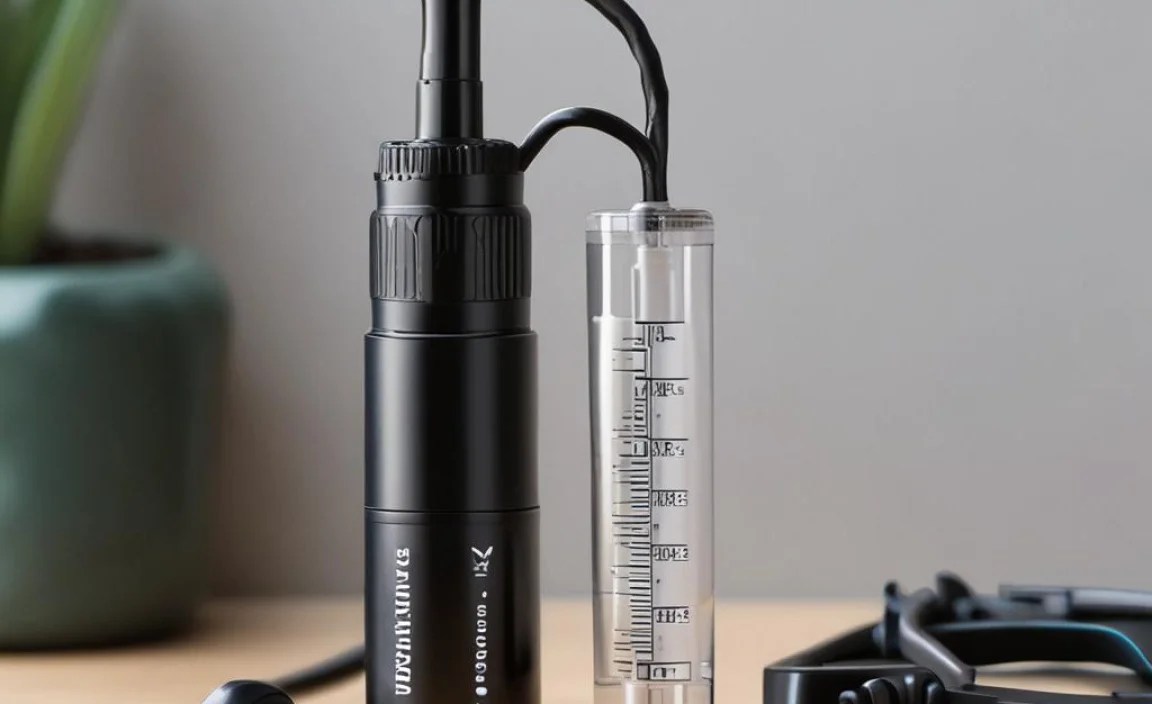
It’s easy to make mistakes when using a shock pump. Knowing these mistakes can help you avoid them. One common mistake is not checking the pressure often enough. {How often should you use a shock pump}? Check before each ride. Another mistake is using the wrong pump. A regular tire pump won’t work. You need a special shock pump. Another mistake is over-inflating the shocks. This can damage them. Always follow the recommended pressure. Another mistake is not cleaning the valve. Dirt can get into the shock. This can cause problems. So, clean the valve before you attach the pump.
- Forgetting to check pressure often.
- Using the wrong type of pump.
- Over-inflating the bike shocks.
- Not cleaning the valve properly.
- Ignoring recommended pressure settings.
Imagine you’re building a Lego set. If you don’t follow the instructions, you might make mistakes. The same goes for your bike shocks. If you don’t follow the instructions, you might damage them. So, pay attention to the details. Read the manual. Watch videos. Ask for help if you need it. Taking your time and doing it right will save you trouble later. It will also keep you safe. Always remember to double-check your work. Make sure everything is tight and secure. This will give you peace of mind.
Fun Fact or Stat: Most shock pump gauges are accurate to within +/- 3 PSI, so don’t worry about getting the pressure exactly perfect!
Forgetting to Bleed the Pump
One common mistake is forgetting to bleed the pump. A shock pump can sometimes trap air. This trapped air can affect the pressure reading. To avoid this, bleed the pump before you use it. Bleeding the pump releases the trapped air. This gives you a more accurate reading. Most shock pumps have a bleed valve. It’s usually a small button. Press the button to release the air. Do this before you attach the pump to your shock. This will help you get the right pressure. Always remember to bleed the pump. It’s a simple step that can make a big difference.
Ignoring the Max Pressure
Another mistake is ignoring the max pressure. Every shock has a max pressure rating. This is the highest pressure it can handle. Exceeding this pressure can damage the shock. It can even be dangerous. Always check the max pressure rating. It’s usually printed on the shock. Never exceed this pressure. Even if you think you need more air, don’t do it. It’s better to be safe than sorry. If you’re not sure what the max pressure is, ask a bike shop. They can help you find the right information.
Not Using a Quality Pump
Not using a quality pump can cause problems. A cheap pump might not be accurate. It might also leak air. This can make it hard to get the right pressure. Invest in a good quality shock pump. A good pump will be accurate and reliable. It will also last longer. Look for a pump with a clear gauge. Make sure it’s easy to read. Also, look for a pump with a bleed valve. This will help you get accurate readings. A good pump is worth the investment. It will make your life easier.
Fun Fact or Stat: High-end shock pumps often have digital gauges for even greater accuracy!
What If My Shock Loses Air Quickly?

Sometimes, your shock might lose air quickly. This can be frustrating. It can also be a sign of a problem. {How often should you use a shock pump} if this happens? You might need to use it more often. First, check the valve. Make sure it’s tight. If it’s loose, tighten it. Next, check the shock for leaks. Look for bubbles or oil. If you see any, there might be a problem. Take your bike to a shop. They can fix the leak. If there are no leaks, the problem might be the pump. Try a different pump. If the problem continues, see a professional.
- Check the valve for tightness.
- Look for leaks on the shock.
- Try a different shock pump.
- Consult a bike shop if needed.
- Regular maintenance can prevent leaks.
- Don’t ignore rapid air loss.
Imagine your bike shock is like a balloon. If the balloon has a hole, it will lose air quickly. It’s the same with your bike shock. A leak will cause it to lose air. Finding the leak can be tricky. But it’s important. If you can’t find the leak, don’t worry. A bike shop can help. They have special tools and knowledge. They can find and fix the leak. Taking care of your bike is important. It keeps you safe. It also makes your bike last longer.
Fun Fact or Stat: Some shocks have a “self-healing” feature where minor leaks can seal themselves over time!
Is It the Valve?
Is the valve the problem? The valve is a common place for leaks. Check the valve carefully. Make sure it’s clean. Dirt can prevent it from sealing properly. Also, check the valve core. This is the small part inside the valve. It can sometimes come loose. If it’s loose, tighten it with a valve core tool. If the valve is damaged, you might need to replace it. A bike shop can help you with this. Replacing the valve is usually a simple fix. It can solve the problem of air loss.
Is It a Seal?
Could a seal be the problem? Seals are used to keep air inside the shock. Over time, seals can wear out. They can also get damaged. This can cause leaks. Check the seals for cracks or tears. If you see any damage, the seal needs to be replaced. Replacing seals can be tricky. It’s best to have a professional do it. They have the right tools and knowledge. Replacing the seals will stop the leak. It will also improve the performance of your shock.
Do I Need a New Shock?
Do you need a new shock? Sometimes, the problem is too big to fix. If the shock is badly damaged, you might need a new one. This is especially true if the shock is old. Over time, shocks wear out. They lose their ability to hold air. A new shock can make a big difference. It will improve your ride quality. It will also make your bike safer. Talk to a bike shop. They can help you decide if you need a new shock. They can also help you choose the right one.
Fun Fact or Stat: The lifespan of a bike shock can range from 2 to 5 years, depending on usage and maintenance!
Shock Pump Table: Types and Uses
There are different types of shock pumps. Each type has its own uses. Some pumps are basic. They have a simple gauge. Other pumps are more advanced. They have digital gauges. Some pumps are small and portable. Others are larger and more powerful. Choosing the right pump depends on your needs. Think about how often you ride. Think about the type of riding you do. This will help you choose the best pump for you. {How often should you use a shock pump} will also depend on the pump.
| Type of Shock Pump | Pros | Cons | Best Use |
|---|---|---|---|
| Basic Analog Pump | Affordable, simple to use | Less accurate, harder to read | Occasional riders, basic adjustments |
| Digital Pump | Very accurate, easy to read | More expensive, requires batteries | Frequent riders, precise adjustments |
| Mini Pump | Portable, lightweight | Less powerful, takes longer | Trailside adjustments, emergencies |
| High-Volume Pump | Fills shocks quickly | Bulky, less precise | Initial setup, large air chambers |
Fun Fact or Stat: Some shock pump brands offer lifetime warranties, showing their confidence in product durability!
Cleaning and Maintaining Your Shock Pump
Cleaning and maintaining your shock pump is important. It keeps it working well. Dirt and grime can get into the pump. This can damage it. It can also affect the pressure readings. Clean your pump regularly. Use a clean cloth. Wipe off any dirt or grime. Also, check the hose. Make sure it’s not cracked or damaged. If it is, replace it. Store your pump in a safe place. Keep it away from moisture and extreme temperatures. {How often should you use a shock pump} may depend on its maintenance.
- Wipe down the pump regularly.
- Check the hose for damage.
- Store the pump in a safe place.
- Replace worn parts as needed.
- Keep the pump away from moisture.
- Avoid extreme temperatures.
Think of your shock pump as a tool. Like any tool, it needs care. If you take care of it, it will last longer. It will also work better. Cleaning your pump is easy. It only takes a few minutes. But it can make a big difference. A clean pump is a happy pump. A happy pump means accurate pressure readings. Accurate pressure readings mean a better ride. So, take the time to clean your pump. You’ll be glad you did.
Fun Fact or Stat: A little silicone spray on the pump’s O-rings can help keep them supple and prevent leaks!
How Often Should I Clean It?
How often should you clean your shock pump? Clean it whenever it gets dirty. If you ride in muddy conditions, clean it after each ride. If you ride in dry conditions, clean it less often. A good rule of thumb is to clean it once a month. This will keep it in good condition. It will also ensure accurate pressure readings. Cleaning your pump is easy. It only takes a few minutes. But it’s important. A clean pump is a happy pump. So, make it a part of your routine.
What Should I Use to Clean It?
What should you use to clean your shock pump? Use a clean, dry cloth. Avoid using soap or water. These can damage the pump. If there’s stubborn dirt, use a little bit of rubbing alcohol. But be careful. Don’t get alcohol inside the pump. Just use it on the outside. After cleaning, let the pump air dry. This will prevent rust. Once it’s dry, store it in a safe place. This will keep it in good condition. Always use the right tools for cleaning.
How Do I Store It Properly?
How do you store your shock pump properly? Store it in a dry place. Avoid storing it in direct sunlight. Sunlight can damage the pump. Also, avoid storing it in extreme temperatures. Extreme temperatures can also damage the pump. A good place to store it is in a toolbox. Or, you can store it in a bag. This will protect it from dirt and moisture. When you store it, make sure the hose is not bent. A bent hose can crack. This will cause leaks.
Fun Fact or Stat: Storing your shock pump in a sealed bag with a desiccant pack can help prevent moisture damage!
Summary
Knowing {how often should you use a shock pump} is very important for bike maintenance. Ideally, you should check your shock pressure before each ride. This ensures your bike’s suspension is performing optimally. Regular checks help you adjust the pressure as needed. This is because temperature changes, riding style, and weight can affect the pressure. Using the correct pressure improves handling, comfort, and safety. Ignoring shock maintenance can lead to damage. It can also reduce the lifespan of your bike’s suspension components. So, invest in a good shock pump. Learn how to use it correctly. Make it a part of your regular riding routine.
Conclusion
Taking care of your bike’s shocks is easy. It makes riding more fun and safe. Check the pressure often. Use a good shock pump. Adjust the pressure for different rides. Knowing {how often should you use a shock pump} helps you keep your bike in great shape. So, get out there and enjoy the ride! Happy biking!
Frequently Asked Questions
Question No 1: What is a shock pump and why do I need one?
Answer: A shock pump is a special pump. It’s made for adjusting the air pressure in bike shocks. Regular tire pumps don’t work. Shock pumps have a gauge. The gauge shows the pressure. You need a shock pump to keep your shocks working well. The correct pressure makes your ride smooth. It also keeps you safe. So, a shock pump is a very important tool for bike owners.
Question No 2: {How often should you use a shock pump} to check my bike’s shocks?
Answer: You should check your bike’s shocks before each ride. This will help you know {how often should you use a shock pump}. Temperature and riding can change the pressure. Checking before each ride keeps you safe. It also keeps your bike working well. It only takes a few minutes to check. It is a very important part of bike maintenance. Also, adjust pressure based on your weight.
Question No 3: How do I know what the correct pressure should be for my shocks?
Answer: The best way is to check your bike’s manual. The manual will tell you the right pressure. It depends on your weight and riding style. If you don’t have the manual, look online. Many bike companies have their manuals online. You can also ask a bike shop. They can help you find the right pressure. Start with the recommended pressure. Then, adjust it to fit your needs. This will make your ride more comfortable.
Question No 4: What happens if I over-inflate my bike shocks?
Answer: Over-inflating your bike shocks can be dangerous. It can damage the shocks. It can also make your ride uncomfortable. If the pressure is too high, the ride will be stiff. This makes it hard to control the bike. It can also cause the tires to lose grip. Always follow the recommended pressure. Never exceed the max pressure. This will keep you safe. It will also protect your bike. {How often should you use a shock pump}? Enough to keep it properly inflated!
Question No 5: What happens if I under-inflate my bike shocks?
Answer: Under-inflating your bike shocks can also be bad. It can cause the shocks to bottom out. This means the shock hits the end of its travel. This can damage the shock. It can also make your ride uncomfortable. If the pressure is too low, the ride will be soft. This makes it harder to control the bike. It can be dangerous. So, checking the pressure often is important. This helps you know {how often should you use a shock pump}. It keeps you safe. It also protects your bike.
Question No 6: Can temperature affect the pressure in my bike shocks?
Answer: Yes, temperature can affect the pressure in your bike shocks. When it gets colder, the pressure goes down. When it gets warmer, the pressure goes up. This is because air changes with temperature. So, it’s important to check your pressure regularly. Especially when the temperature changes. Knowing {how often should you use a shock pump} becomes even more important when the weather changes. This will help you keep your bike in good shape. It will also keep you safe.


