
How to Prevent Air Loss During Pressure Check: Easy Fix!

Have you ever bounced a basketball that was flat? It is no fun. You need the right air pressure. Checking your tire pressure is important too. But how to prevent air loss during pressure check?
Sometimes air escapes when you check. This can be annoying. It can also be bad for your tires. Let’s learn how to stop this. We will keep your tires in great shape. Ready to become a tire pressure pro?
Key Takeaways
- Knowing how to prevent air loss during pressure check keeps your tires inflated.
- Use quality tire pressure gauges for accurate readings.
- Quickly and firmly attach the gauge to the valve stem.
- Make sure the valve stem is clean and in good condition.
- Regularly check your tire pressure to maintain safety.
Understanding Tire Pressure Checks

Checking your tire pressure is super important. It helps keep you safe on the road. It also helps your car run better. When your tires have the right amount of air, they grip the road well. This means you can stop and turn easily. Low tire pressure can make it harder to control your car. It can also make your tires wear out faster. Plus, driving on low tires uses more gas. So, keeping your tires properly inflated saves you money. Knowing how to prevent air loss during pressure check ensures accuracy and efficiency. It’s a small thing that makes a big difference. Always check your tires regularly. This will keep you and your car happy.
- Check tire pressure at least once a month.
- Check before long trips for safety.
- Use a reliable tire pressure gauge.
- Look for the recommended PSI on your car’s door.
- Adjust tire pressure when the tires are cold.
Tire pressure gauges come in different types. Some are digital, and some are manual. Digital gauges give you an exact reading on a screen. Manual gauges have a little bar that pops out. You read the pressure from the bar. Both types work well, but digital gauges are often easier to read. It is important to use a gauge that is accurate. A good gauge will give you a correct reading every time. This helps you keep your tires at the right pressure. Knowing how to prevent air loss during pressure check also improves accuracy. This is because you get a better reading if no air escapes. Always store your gauge in a safe place. This will keep it clean and ready to use.
Why Proper Tire Pressure Matters
Have you ever ridden a bike with flat tires? It’s hard work! Your car feels the same way with low tire pressure. It takes more effort to move. This means your engine has to work harder. When your engine works harder, it uses more gas. Keeping your tires properly inflated makes your car more efficient. You will save money on gas. Proper tire pressure also makes your tires last longer. When tires are under-inflated, they wear out unevenly. The edges wear out faster than the middle. This means you will have to replace your tires sooner. So, keeping your tires inflated saves you money on tires too. It also keeps you safer on the road. Properly inflated tires grip the road better. This helps you stop and turn quickly.
Choosing the Right Tire Pressure Gauge
Imagine you are baking a cake. You need the right tools to make it perfect. The same is true for checking tire pressure. You need a good tire pressure gauge. There are many different gauges to choose from. Some are cheap, and some are expensive. It is important to pick one that is accurate and easy to use. Digital gauges are often the easiest to read. They show the pressure on a screen. Manual gauges have a bar that pops out. You have to read the pressure from the bar. Some gauges also have a built-in inflator. This lets you add air to your tires right away. Look for a gauge that fits your needs and budget. A good gauge will last a long time and keep your tires in great shape.
Regular Tire Maintenance for Safety
Think of your tires like your teeth. You need to take care of them to keep them healthy. Regular tire maintenance is important for safety. Check your tire pressure at least once a month. Also, check it before long trips. Look for cuts, bumps, or bulges on your tires. These can be signs of damage. If you see any damage, take your car to a mechanic. They can check your tires and tell you if they need to be replaced. Rotate your tires every 6,000 to 8,000 miles. This helps them wear evenly. Proper tire maintenance will keep you safe on the road. It will also make your tires last longer. Taking good care of your tires is a smart way to protect yourself and your car.
Fun Fact or Stat: Under-inflated tires can decrease fuel efficiency by up to 3%. That means you waste gas and money!
Steps to Minimize Air Loss During Checks

How to prevent air loss during pressure check is easier than you think. The first step is to be quick. When you attach the gauge, do it fast. Don’t let air escape for too long. Make sure the gauge fits snugly on the valve stem. If it’s loose, air will leak out. A good, tight seal is important. Hold the gauge straight. Wiggling it around can cause leaks. Listen for any hissing sounds. Hissing means air is escaping. If you hear hissing, adjust the gauge. Sometimes the valve stem is dirty. Clean it off before you start. Dirt can prevent a good seal. By following these steps, you’ll lose less air. Your tires will stay properly inflated. This keeps you safe and saves you money.
- Work quickly to minimize air escape.
- Ensure a tight seal with the gauge.
- Hold the gauge straight on the valve stem.
- Clean the valve stem before checking.
- Listen for hissing sounds indicating leaks.
Using the right tools can also help. A good quality tire pressure gauge is a must. Cheap gauges might not seal well. This can cause more air loss. Invest in a gauge that fits your valve stems properly. Some gauges have a built-in seal. This helps prevent leaks. Also, check your valve stems regularly. Make sure they are not damaged or cracked. Damaged valve stems can leak air even when you’re not checking the pressure. Replace them if they are worn out. It’s a small cost that can save you from bigger problems later. By using good tools and checking your valve stems, you can minimize air loss. You will also keep your tires in top condition. Remember, how to prevent air loss during pressure check involves both technique and equipment.
The Importance of a Quick Check
Imagine you are filling a balloon with water. If you take too long, some water will spill. Checking your tire pressure is similar. The longer you take, the more air escapes. A quick check minimizes air loss. Have your gauge ready before you remove the valve cap. Attach the gauge quickly and firmly. Read the pressure right away. Then, remove the gauge. Replace the valve cap. The whole process should only take a few seconds. Practice makes perfect. The more you check your tires, the faster you will become. A quick check keeps your tires properly inflated. It also saves you time and effort in the long run. So, be quick and efficient when checking your tire pressure.
Maintaining Your Tire Pressure Gauge
Your tire pressure gauge is like a trusty sidekick. It helps you keep your tires in great shape. But, like any tool, it needs care. Store your gauge in a safe place. Keep it away from dirt and moisture. Dirt can clog the gauge and make it inaccurate. Moisture can rust the parts. Check your gauge regularly to make sure it is working properly. Compare it to another gauge to see if the readings match. If your gauge is not accurate, replace it. A good gauge is worth its weight in gold. It will help you keep your tires properly inflated. This saves you money on gas and tires. It also keeps you safe on the road. Treat your tire pressure gauge with care, and it will serve you well.
Checking Your Valve Stems for Leaks
Valve stems are small but important. They keep the air in your tires. They can also leak air if they are damaged. Check your valve stems regularly for cracks or damage. Look for signs of wear and tear. If you see any damage, replace the valve stem. It is a simple and inexpensive repair. You can buy valve stems at any auto parts store. You can also have a mechanic replace them for you. Make sure the valve cap is always on tight. The cap helps keep dirt and moisture out of the valve stem. It also helps prevent air from leaking out. A good valve stem is essential for maintaining proper tire pressure. Check them often and replace them when needed. This will keep your tires inflated and your car running smoothly.
Fun Fact or Stat: Valve stems are made of rubber and can dry rot over time, leading to slow leaks. Replace them every few years!
Using the Right Tools for Accuracy
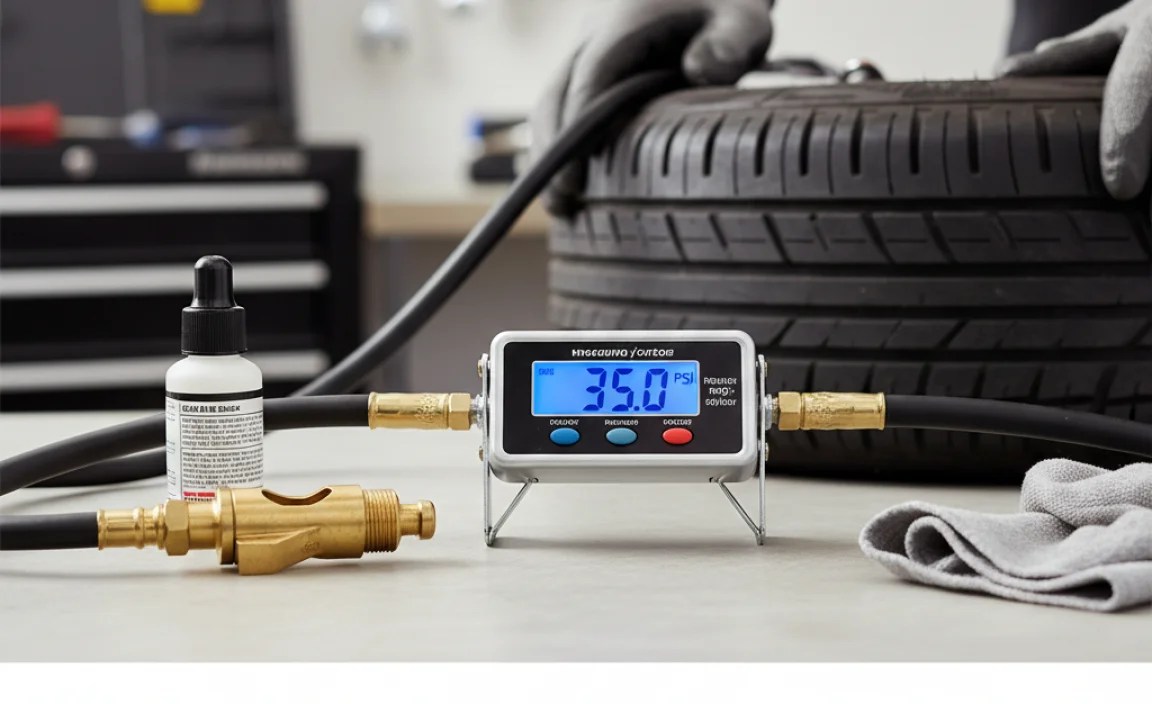
Using the right tools makes a big difference. It is key to accuracy when checking tire pressure. A good tire pressure gauge is essential. Digital gauges are often more accurate. They give you a precise reading. Manual gauges are also good. Just make sure they are calibrated correctly. Check the gauge regularly to ensure it is accurate. Compare it to another gauge. If the readings are different, replace the gauge. A quality air compressor is also helpful. It lets you add air to your tires quickly and easily. Look for one with a built-in pressure gauge. This makes it easy to fill your tires to the correct pressure. With the right tools, how to prevent air loss during pressure check becomes much simpler. You can keep your tires properly inflated with ease.
- Invest in a high-quality tire pressure gauge.
- Consider a digital gauge for precise readings.
- Use an air compressor with a built-in gauge.
- Calibrate your manual gauge regularly.
- Check tools for accuracy before each use.
The type of valve stem you use also matters. Some valve stems are better than others. Look for valve stems that are made of high-quality materials. Metal valve stems are more durable than rubber ones. They are less likely to crack or leak. Also, make sure the valve stem caps are tight. The caps protect the valve stem from dirt and moisture. They also help prevent air from leaking out. Using the right tools and valve stems will help you keep your tires properly inflated. It will also save you money on gas and tires. So, invest in good tools and take care of your tires. This will keep you safe and happy on the road. Remember, the right tools contribute significantly to how to prevent air loss during pressure check.
Digital vs. Manual Gauges: Which is Best?
Choosing between digital and manual gauges can be tough. Both have their pros and cons. Digital gauges are easy to read. They show the pressure on a screen. This is great for people who have trouble seeing small numbers. Digital gauges are also very accurate. They give you a precise reading. However, digital gauges need batteries. The batteries can die at the worst time. Manual gauges don’t need batteries. They are simple and reliable. But, they can be harder to read. You have to look closely at the bar. The best choice depends on your needs and preferences. If you want accuracy and easy reading, go for a digital gauge. If you want simplicity and reliability, choose a manual gauge. Either way, make sure you have a good quality gauge.
Selecting a Reliable Air Compressor
An air compressor is a great tool to have. It lets you add air to your tires at home. This saves you trips to the gas station. But, there are many different air compressors to choose from. How do you pick the right one? First, consider the size of your tires. If you have large truck tires, you will need a more powerful compressor. Look for a compressor with a high PSI rating. Also, consider the size of the tank. A larger tank means you can fill more tires at once. Look for a compressor with a built-in pressure gauge. This makes it easy to fill your tires to the correct pressure. A good air compressor is a worthwhile investment. It will save you time and money in the long run.
Proper Storage for Your Tools
Taking care of your tools is important. It helps them last longer. It also keeps them working properly. Store your tire pressure gauge in a safe place. Keep it away from dirt and moisture. Dirt can clog the gauge. Moisture can cause rust. Store your air compressor in a dry place. Protect it from the weather. Keep the hoses and cords neatly coiled. This prevents them from getting tangled. Clean your tools regularly. Wipe them down with a cloth. This removes dirt and grime. Proper storage will keep your tools in top condition. They will be ready to use whenever you need them. Taking good care of your tools is a smart way to save money. It also makes your work easier and more efficient.
Fun Fact or Stat: Digital gauges can be more accurate, but their accuracy can drift over time. Calibrate them annually for best results!
Checking the Valve Stem Condition
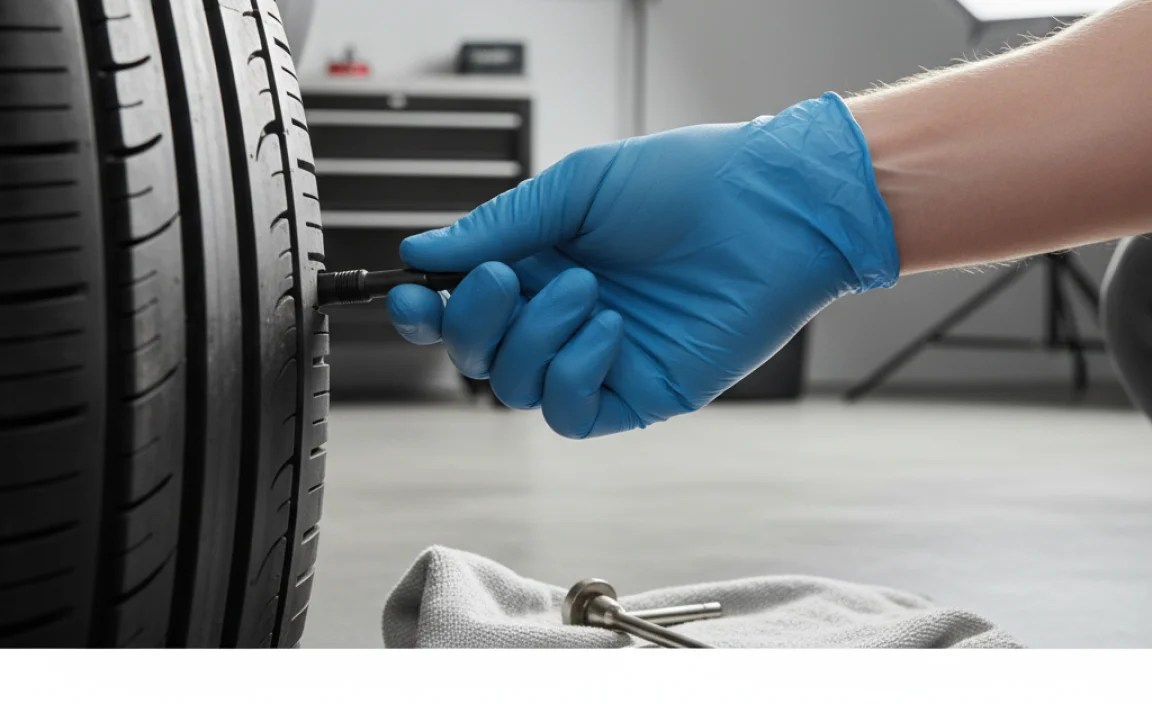
The valve stem is a small but important part. It keeps air in your tires. A damaged valve stem can leak air. This can lead to low tire pressure. Check your valve stems regularly for cracks or damage. Look for signs of wear and tear. If you see any damage, replace the valve stem right away. It is a simple and inexpensive repair. You can buy valve stems at any auto parts store. Make sure the valve cap is always on tight. The cap protects the valve stem from dirt and moisture. It also helps prevent air from leaking out. Knowing how to prevent air loss during pressure check includes maintaining your valve stems. This keeps your tires properly inflated and safe.
- Inspect valve stems for cracks and damage.
- Replace damaged valve stems immediately.
- Ensure valve caps are tightly secured.
- Use metal valve caps for better protection.
- Consider replacing valve stems during tire changes.
There are different types of valve stems. Some are made of rubber, and some are made of metal. Metal valve stems are more durable. They are less likely to crack or leak. Rubber valve stems can dry rot over time. This can cause them to leak air. When you replace your tires, consider replacing your valve stems too. It is a good way to prevent future problems. Also, make sure the valve stem is the right size for your tire. A valve stem that is too short or too long can leak air. Check with your mechanic to make sure you have the right valve stems. Taking care of your valve stems is an important part of tire maintenance. It will keep your tires properly inflated and safe.
Identifying Common Valve Stem Problems
Valve stems can have several problems. One common problem is cracking. Rubber valve stems can crack over time. This is especially true in hot weather. Cracks can cause air leaks. Another problem is corrosion. Metal valve stems can corrode. This is especially true in areas with salt on the roads. Corrosion can weaken the valve stem. It can also cause leaks. Another problem is damage from impact. Hitting a curb or pothole can damage the valve stem. This can cause it to bend or break. Regularly inspect your valve stems for these problems. Replace them if you see any signs of damage. This will keep your tires properly inflated and safe.
Replacing Worn Valve Stems
Replacing worn valve stems is a simple task. You can do it yourself or have a mechanic do it. First, you will need to remove the old valve stem. Use a valve stem tool to remove it. Then, install the new valve stem. Make sure it is tight. Inflate the tire to the correct pressure. Check for leaks. If you see any leaks, tighten the valve stem. If the leak persists, take your car to a mechanic. They can help you fix the problem. Replacing worn valve stems is a good way to prevent air leaks. It will keep your tires properly inflated and safe. It is a small investment that can save you from bigger problems later.
Using Valve Stem Caps Effectively
Valve stem caps are small but important. They protect the valve stem from dirt and moisture. They also help prevent air from leaking out. Make sure your valve stem caps are always on tight. Check them regularly to make sure they are not cracked or damaged. If they are, replace them. You can buy valve stem caps at any auto parts store. Metal valve stem caps are more durable than plastic ones. They offer better protection. Using valve stem caps effectively is a simple way to prevent air leaks. It will keep your tires properly inflated and safe. Don’t underestimate the importance of these small caps.
Fun Fact or Stat: Some valve stem caps have a built-in tire pressure indicator that changes color if the pressure is low!
Techniques for a Tight Seal
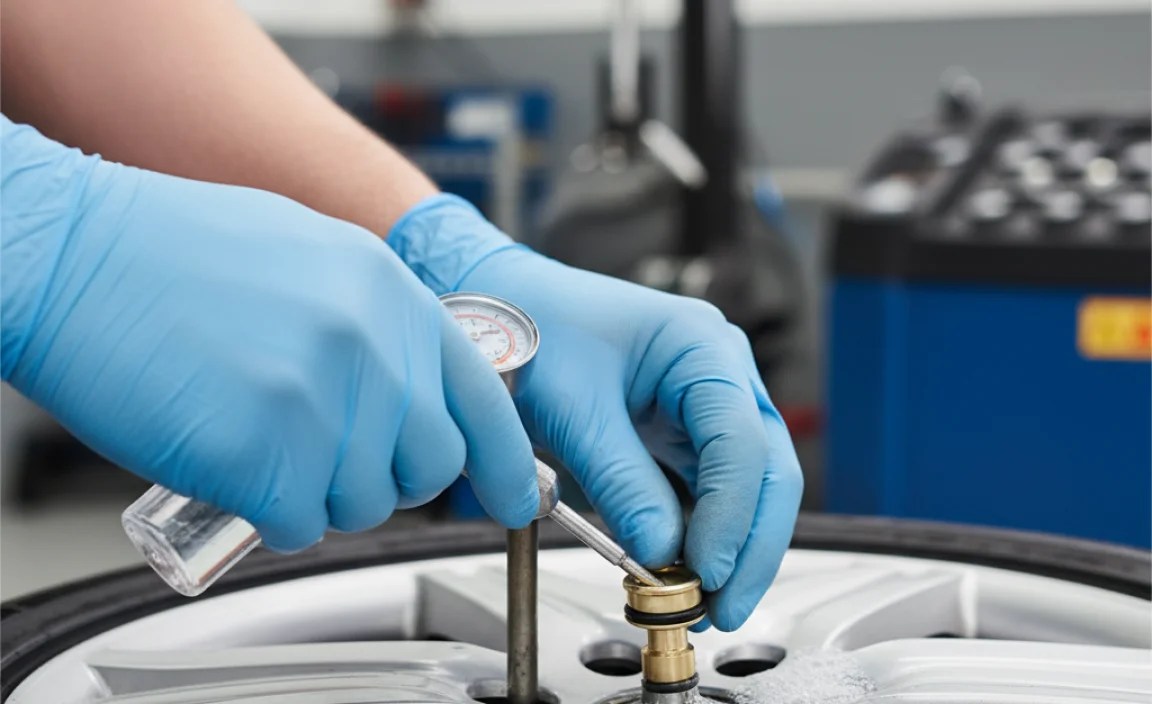
Getting a tight seal is key. This helps prevent air loss when checking tire pressure. Make sure the gauge is clean. Dirt can prevent a good seal. Also, check the valve stem. Make sure it is not damaged. A damaged valve stem will leak air. When you attach the gauge, do it quickly. The longer you take, the more air will escape. Press the gauge firmly onto the valve stem. Hold it straight. Wiggling it around can cause leaks. Listen for any hissing sounds. Hissing means air is escaping. Adjust the gauge until the hissing stops. By following these techniques, you can get a tight seal. You will also minimize air loss. This will keep your tires properly inflated. Knowing how to prevent air loss during pressure check is all about the details.
- Ensure the gauge is clean before use.
- Check the valve stem for damage.
- Attach the gauge quickly and firmly.
- Hold the gauge straight to avoid leaks.
- Listen for hissing sounds indicating air loss.
Using the right type of gauge can also help. Some gauges have a built-in seal. This helps prevent air from escaping. Digital gauges often have a better seal than manual gauges. They fit more snugly onto the valve stem. Also, make sure the gauge is the right size for your valve stem. A gauge that is too small or too large will not seal properly. Check the gauge regularly to make sure it is working properly. Compare it to another gauge. If the readings are different, replace the gauge. A good gauge will give you a tight seal every time. This will help you keep your tires properly inflated. Remember, a tight seal is essential for accurate readings and minimal air loss.
The Role of Proper Gauge Alignment
Imagine you are trying to fit a puzzle piece. If it is not aligned correctly, it won’t fit. The same is true for checking tire pressure. If the gauge is not aligned properly, it won’t seal. This can cause air to leak out. Hold the gauge straight onto the valve stem. Don’t wiggle it around. Wiggling can break the seal. Make sure the gauge is fully seated on the valve stem. You should feel it click into place. If you are having trouble getting a good seal, try cleaning the valve stem. Dirt can prevent the gauge from seating properly. Proper gauge alignment is essential for accurate readings and minimal air loss. Take your time and make sure the gauge is aligned correctly.
Cleaning the Valve Stem for Better Contact
A clean valve stem is a happy valve stem. Dirt and grime can prevent the gauge from sealing properly. This can cause air to leak out. Before you check your tire pressure, clean the valve stem. Use a clean cloth to wipe it off. You can also use a valve stem cleaning tool. These tools are inexpensive and easy to use. They remove dirt and corrosion from the valve stem. Make sure the valve stem is dry before you attach the gauge. Moisture can also prevent a good seal. Cleaning the valve stem is a simple way to improve contact. It will help you get a more accurate reading. It will also minimize air loss. A clean valve stem is a key to proper tire maintenance.
Checking for Leaks After Inflation
After you inflate your tires, check for leaks. Use a soapy water solution. Mix soap and water in a spray bottle. Spray the solution around the valve stem. Look for bubbles. Bubbles indicate a leak. If you see bubbles, tighten the valve stem. If the leak persists, take your car to a mechanic. They can help you fix the problem. Checking for leaks is a good way to ensure your tires are properly inflated. It will also help you identify any problems early. Catching leaks early can prevent bigger problems later. So, always check for leaks after inflating your tires. It is a simple step that can save you time and money.
Fun Fact or Stat: A leaky valve stem can cause you to lose up to 1 PSI per day!
Regular Tire Pressure Monitoring
Regular tire pressure monitoring is super important. It helps keep you safe on the road. It also helps your car run better. Check your tire pressure at least once a month. Also, check it before long trips. Look for the recommended PSI on your car’s door. This is the correct pressure for your tires. Use a reliable tire pressure gauge. Make sure it is accurate. Adjust your tire pressure as needed. Add air if it is low. Let air out if it is too high. Knowing how to prevent air loss during pressure check makes this process more efficient. You will get accurate readings every time. Regular monitoring keeps your tires in great shape.
- Check tire pressure at least monthly.
- Check before long trips for safety.
- Find the recommended PSI on your car’s door.
- Use a reliable tire pressure gauge.
- Adjust tire pressure as needed.
Tire pressure changes with the weather. When it is cold, tire pressure goes down. When it is hot, tire pressure goes up. Check your tire pressure more often in extreme weather. Also, remember that tire pressure is different when the tires are cold. Cold tires give you a more accurate reading. Warm tires can give you a false reading. Check your tires in the morning before you drive. This is when they are the coldest. Regular tire pressure monitoring will help you keep your tires properly inflated. This will keep you safe and save you money on gas and tires. It’s a simple habit that makes a big difference.
The Impact of Temperature on Tire Pressure
Imagine you are blowing up a balloon outside. On a hot day, the balloon will expand. On a cold day, it will shrink. The same thing happens with your tires. Temperature affects tire pressure. When it is cold, the air inside your tires contracts. This causes the pressure to drop. When it is hot, the air expands. This causes the pressure to rise. For every 10 degrees Fahrenheit change in temperature, tire pressure changes by about 1 PSI. This means you need to check your tire pressure more often in extreme weather. Adjust your tire pressure as needed to maintain the correct PSI. Understanding the impact of temperature will help you keep your tires properly inflated. This will keep you safe on the road.
Setting Reminders for Pressure Checks
Life gets busy. It is easy to forget to check your tire pressure. Setting reminders can help. Use your phone or calendar to set reminders. Set a reminder for once a month. Also, set a reminder before long trips. You can also use a tire pressure monitoring system. These systems alert you when your tire pressure is low. They can be installed in your car. They can also be purchased as aftermarket accessories. Setting reminders is a simple way to stay on top of tire maintenance. It will help you keep your tires properly inflated. This will keep you safe and save you money on gas and tires. Don’t rely on your memory. Set reminders to keep your tires in great shape.
Benefits of Consistent Monitoring
Consistent tire pressure monitoring has many benefits. It keeps you safe on the road. Properly inflated tires grip the road better. This helps you stop and turn quickly. It also saves you money on gas. Properly inflated tires improve fuel efficiency. It also makes your tires last longer. Under-inflated tires wear out unevenly. Consistent monitoring helps you identify problems early. You can catch leaks before they become bigger problems. It also helps you maintain optimal tire performance. Consistent monitoring is a simple habit that makes a big difference. It will keep you safe, save you money, and improve your car’s performance. Make it a part of your regular car care routine.
Fun Fact or Stat: Properly inflated tires can improve your gas mileage by up to 3%!
Troubleshooting Common Issues
Sometimes, you might have problems checking your tire pressure. Air might keep leaking out. The gauge might not give you a reading. The valve stem might be stuck. Don’t worry. These problems are common. There are ways to fix them. If air keeps leaking out, make sure the gauge is clean. Also, check the valve stem. If the gauge is not giving you a reading, try a different gauge. The first gauge might be broken. If the valve stem is stuck, try wiggling it gently. You can also use a valve stem tool to loosen it. Knowing how to prevent air loss during pressure check also means knowing how to handle these issues. This will keep you from getting frustrated. You will also keep your tires properly inflated.
| Issue | Possible Cause | Solution |
|---|---|---|
| Air keeps leaking out | Dirty gauge or damaged valve stem | Clean gauge, check valve stem |
| Gauge not giving a reading | Broken gauge | Try a different gauge |
| Valve stem stuck | Corrosion or dirt | Wiggle gently, use valve stem tool |
| Inaccurate readings | Faulty gauge, temperature influence | Calibrate/replace gauge, check cold tires |
- Air keeps leaking when checking.
- Gauge not giving a reading at all.
- Valve stem is stuck and won’t open.
- Readings are inaccurate or inconsistent.
- Difficulty attaching the gauge properly.
If you are still having trouble, don’t be afraid to ask for help. Take your car to a mechanic. They can diagnose the problem. They can also fix it for you. It is better to be safe than sorry. Don’t drive on tires that are not properly inflated. This can be dangerous. It can also damage your tires. A mechanic can help you keep your tires in great shape. They can also teach you how to check your tire pressure properly. Knowing how to prevent air loss during pressure check is important. But, it is also important to know when to ask for help. This will keep you and your car safe.
Dealing with a Leaky Valve Stem
A leaky valve stem can be frustrating. It can cause your tires to lose air quickly. First, try tightening the valve stem core. Use a valve stem tool to tighten it. If that doesn’t work, try replacing the valve stem cap. A damaged cap can also cause leaks. If the leak persists, you will need to replace the valve stem. You can do this yourself or have a mechanic do it. Replacing the valve stem is a simple and inexpensive repair. It will prevent further air loss. It will also keep your tires properly inflated. Don’t ignore a leaky valve stem. Fix it as soon as possible to avoid bigger problems.
What to Do if Your Gauge Isn’t Working
A broken tire pressure gauge is useless. If your gauge is not working, try replacing the batteries. Digital gauges need batteries to operate. If the batteries are new, the gauge might be broken. Try using a different gauge. If the second gauge works, the first gauge is definitely broken. Replace the broken gauge with a new one. A good tire pressure gauge is essential for tire maintenance. Don’t rely on a broken gauge. Replace it as soon as possible to keep your tires properly inflated.
When to Seek Professional Help
Sometimes, you can’t fix the problem yourself. It is time to seek professional help. If you are not comfortable working on your car, take it to a mechanic. If you can’t find the source of the leak, a mechanic can help. If the problem is complex, a mechanic can diagnose it. They can also fix it for you. Don’t be afraid to ask for help. A mechanic can keep your car running smoothly. They can also keep you safe on the road. Knowing when to seek professional help is important. It will save you time, money, and frustration.
Fun Fact or Stat: Mechanics use specialized tools to detect even the smallest leaks in your tires and valve stems!
Summary
Checking tire pressure is important for safety and saving money. It keeps your car running smoothly and efficiently. Knowing how to prevent air loss during pressure check helps you get accurate readings. This involves using the right tools, like a good tire pressure gauge. Make sure the gauge is clean and in good working order. Also, check the valve stem for any damage. A damaged valve stem can leak air. When you attach the gauge, do it quickly and firmly. This minimizes air loss. Regular tire pressure monitoring is essential. Check your tires at least once a month. Also, check them before long trips.
Remember to check your tires when they are cold. Cold tires give you a more accurate reading. Adjust your tire pressure as needed. Add air if it is low. Let air out if it is too high. Proper tire pressure monitoring will keep you safe on the road. It will also save you money on gas and tires. By following these simple tips, you can keep your tires in great shape. This will keep you and your car happy.
Conclusion
Keeping your tires properly inflated is important. It helps you stay safe on the road. It also saves you money. Learning how to prevent air loss during pressure check is a simple skill. It makes a big difference. Use good tools and check your tires often. This will keep them in great shape. Take care of your tires, and they will take care of you. Stay safe and happy driving!
Frequently Asked Questions
Question No 1: Why is it important to check my tire pressure?
Answer: Checking your tire pressure is very important for a few reasons. First, it keeps you safe on the road. Properly inflated tires grip the road better. This helps you stop and turn quickly. Second, it saves you money on gas. Properly inflated tires improve fuel efficiency. Third, it makes your tires last longer. Under-inflated tires wear out unevenly. So, checking your tire pressure regularly is a smart thing to do. It helps you stay safe and save money. Plus, it keeps your car running smoothly and efficiently, ensuring optimal performance and longevity of your tires.
Question No 2: How often should I check my tire pressure?
Answer: You should check your tire pressure at least once a month. Also, you should check it before long trips. Tire pressure can change with the weather. When it is cold, tire pressure goes down. When it is hot, tire pressure goes up. So, check your tire pressure more often in extreme weather. Regular tire pressure checks will help you keep your tires properly inflated. This will keep you safe and save you money. Consider setting a reminder on your phone to help you remember. Consistent monitoring will also allow you to identify any potential issues early and address them promptly.
Question No 3: Where can I find the correct tire pressure for my car?
Answer: You can find the correct tire pressure for your car on a sticker. The sticker is usually located on the driver’s side doorjamb. It might also be in your car’s owner’s manual. The sticker will tell you the recommended PSI (pounds per square inch) for your tires. This is the amount of air that should be in your tires. Make sure you use the correct PSI. Using the wrong PSI can be dangerous. It can also damage your tires. Always refer to the sticker or owner’s manual for the most accurate information. This is crucial for how to prevent air loss during pressure check and maintaining correct inflation.
Question No 4: What kind of tire pressure gauge should I use?
Answer: You can use either a digital or manual tire pressure gauge. Digital gauges are often easier to read. They show the pressure on a screen. Manual gauges have a bar that pops out. You have to read the pressure from the bar. Both types of gauges work well. Just make sure the gauge is accurate. Check the gauge regularly to make sure it is working properly. Compare it to another gauge. If the readings are different, replace the gauge. A good gauge will give you an accurate reading every time. A quality gauge is essential for how to prevent air loss during pressure check and accurate measurements.
Question No 5: How do I add air to my tires?
Answer: You can add air to your tires at a gas station. Most gas stations have air compressors. You can also buy an air compressor for your home. To add air, remove the valve cap from your tire. Attach the air compressor hose to the valve stem. Add air until the pressure reaches the recommended PSI. Check the pressure with your tire pressure gauge. Do not over-inflate your tires. Over-inflating can be dangerous. Replace the valve cap when you are finished. Adding air to your tires is a simple task. Just be careful not to over-inflate them. Remember, understanding how to prevent air loss during pressure check will also help during inflation.
Question No 6: What should I do if my tire pressure is too high?
Answer: If your tire pressure is too high, you need to let some air out. Use the small knob, or lever, on your tire gauge to gently depress the valve stem to release air. Check the tire pressure with your gauge as you release air until you reach the correct PSI. It’s better to release in small increments to avoid letting too much out at once. Be careful not to burn your fingers on the tire or the valve stem. After you have reached the correct pressure, replace the valve cap securely to prevent any leaks. Remember, how to prevent air loss during pressure check is important in this process to ensure accurate readings.


