
How Many Cycles Does a Sump Pump Last? A Simple Guide

A sump pump typically lasts for 7 to 10 years, but the number of cycles it completes greatly affects its lifespan. A pump that cycles frequently due to high water levels will wear out faster than one that runs less often. Regular maintenance and choosing a high-quality pump can help maximize its lifespan.
Is your sump pump working overtime? Many homeowners worry about how long their sump pump will last. It’s a vital piece of equipment that protects your basement from flooding, but like any mechanical device, it has a limited lifespan. Understanding how the number of cycles impacts its longevity can save you from unexpected and costly repairs. This guide will walk you through the factors affecting sump pump life and how to keep it running smoothly for years to come. Let’s dive in and ensure your basement stays dry!
Understanding Sump Pump Cycles
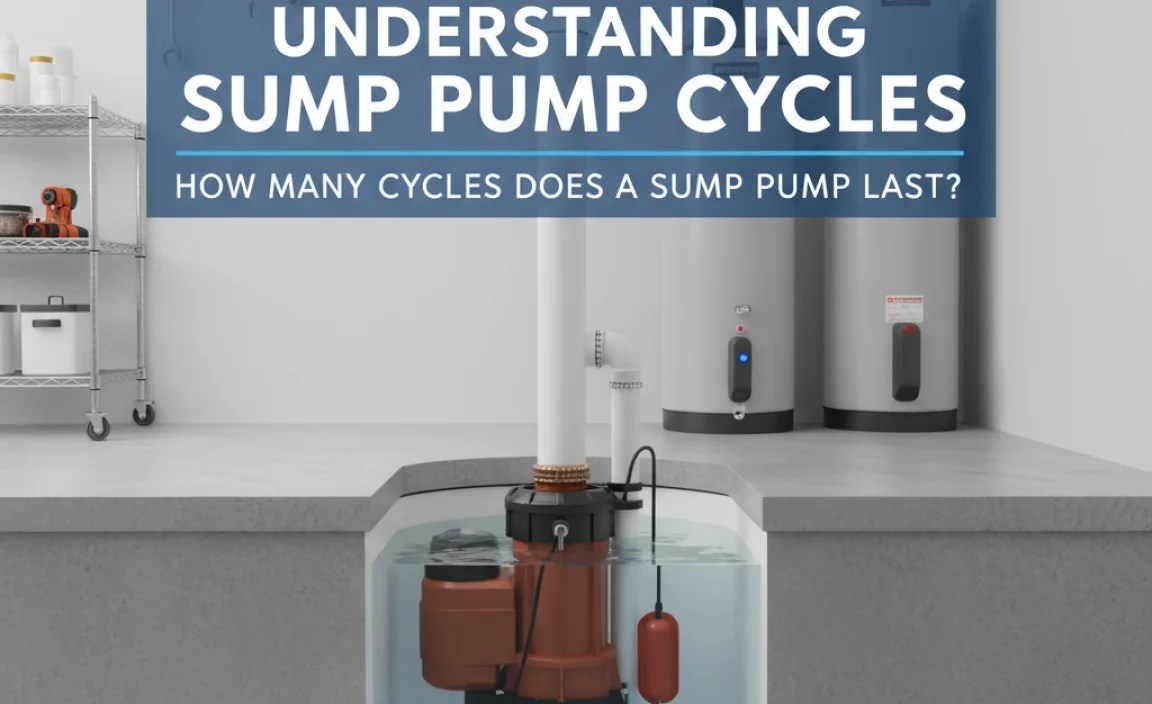
A sump pump cycle refers to a complete on-and-off sequence of the pump. When water accumulates in the sump pit, the pump turns on to remove the water. Once the water level drops to a certain point, the pump shuts off. Each time this happens, it counts as one cycle.
What Affects the Number of Cycles?
Several factors can influence how often your sump pump cycles:
- Rainfall: Heavy or frequent rainfall increases the amount of water entering the sump pit.
- Groundwater Levels: High groundwater levels can cause the pump to run more frequently.
- Poor Drainage: Inadequate drainage around your home’s foundation can lead to more water accumulation.
- Plumbing Leaks: Leaks in your plumbing system can contribute to a higher water level in the sump pit.
- Season: During rainy seasons or snow melts, the pump will naturally cycle more often.
How Cycles Impact Sump Pump Lifespan

The more a sump pump cycles, the shorter its lifespan tends to be. Each cycle puts wear and tear on the motor and other components. Frequent cycling can lead to:
- Overheating: The motor can overheat if it runs too often, causing damage.
- Component Wear: Parts like the impeller, float switch, and bearings can wear out faster.
- Reduced Efficiency: As the pump ages, it may become less efficient, requiring more cycles to remove the same amount of water.
Estimating Sump Pump Lifespan by Cycles

While it’s impossible to give an exact number of cycles a sump pump will last, we can provide estimates based on typical usage. Here’s a general guideline:
| Usage Level | Approximate Cycles per Year | Estimated Lifespan |
|---|---|---|
| Low (Minimal Water) | 500 – 1,000 | 8 – 10 years |
| Medium (Moderate Water) | 1,000 – 5,000 | 6 – 8 years |
| High (Frequent Water) | 5,000+ | 3 – 5 years |
Keep in mind these are just estimates. The actual lifespan can vary based on the pump’s quality, maintenance, and specific conditions.
Factors Affecting Sump Pump Longevity
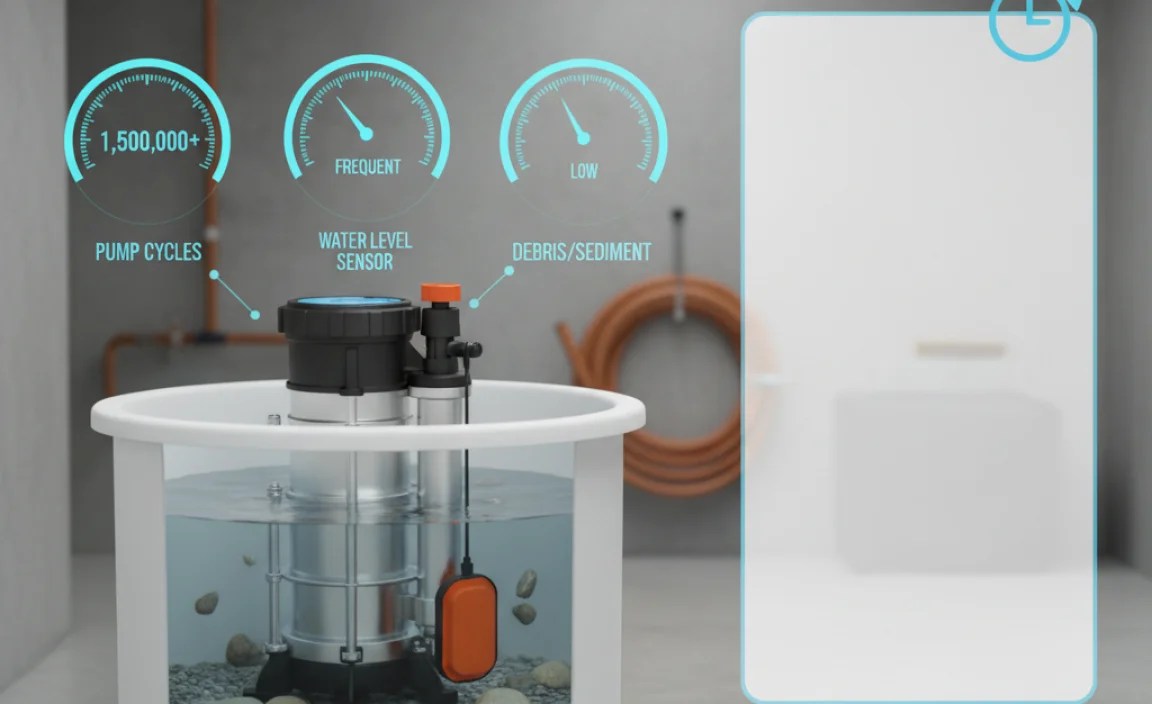
Several factors can influence how long your sump pump lasts, regardless of the number of cycles.
Pump Quality
The quality of the sump pump is a significant determinant of its lifespan. Higher-quality pumps are built with more durable materials and better engineering, allowing them to withstand more frequent use and last longer. Investing in a reliable brand and model can save you money in the long run by reducing the need for frequent replacements.
Material Composition
The materials used in the construction of the sump pump also play a crucial role. Pumps made with cast iron or stainless steel are generally more durable and resistant to corrosion than those made with plastic. These materials can better withstand the rigors of constant use and exposure to water, extending the pump’s lifespan.
Installation Quality
Proper installation is essential for ensuring the longevity of your sump pump. A poorly installed pump can experience premature failure due to issues like improper placement, incorrect wiring, or inadequate drainage. Hiring a professional to install your sump pump can help prevent these problems and ensure it operates efficiently.
Sump Pit Size
The size of the sump pit can also affect the pump’s lifespan. If the pit is too small, the pump will cycle more frequently, leading to increased wear and tear. A larger pit allows for more water to accumulate before the pump needs to activate, reducing the number of cycles and extending its lifespan.
Maintenance Practices
Regular maintenance is crucial for keeping your sump pump in good working condition. Simple tasks like cleaning the pump, checking the float switch, and clearing any debris from the pit can help prevent problems and prolong its lifespan. Neglecting maintenance can lead to clogs, motor burnout, and other issues that can shorten the pump’s life.
Extending Your Sump Pump’s Life: Practical Tips

Here are some practical steps you can take to extend the life of your sump pump:
- Regular Cleaning: Clean the sump pit and pump regularly to remove debris that can clog the impeller or float switch.
- Inspect the Float Switch: Ensure the float switch moves freely and isn’t obstructed.
- Check the Discharge Pipe: Make sure the discharge pipe is clear and free of obstructions.
- Install a Backup System: Consider installing a backup sump pump or a battery backup system to handle heavy water flow during power outages.
- Proper Sizing: Ensure the sump pump is appropriately sized for your home’s needs. An undersized pump will work harder and wear out faster.
- Professional Inspection: Have a professional inspect your sump pump annually to identify and address potential issues.
Choosing the Right Sump Pump
Selecting the right sump pump for your home is crucial for ensuring its longevity and effectiveness. Consider the following factors when choosing a sump pump:
Type of Sump Pump
There are two main types of sump pumps: submersible and pedestal. Submersible pumps are placed inside the sump pit and are generally more powerful and efficient. Pedestal pumps are located outside the pit, with a hose extending into the water. They are typically less expensive but also less powerful.
Horsepower
The horsepower (HP) of the sump pump determines its pumping capacity. Choose a pump with sufficient horsepower to handle the typical water volume in your area. A pump that is too small will struggle to keep up, while one that is too large may cycle too frequently.
Material
As mentioned earlier, the material of the sump pump is important for its durability. Cast iron and stainless steel pumps are more resistant to corrosion and wear than plastic pumps. Consider investing in a higher-quality material for longer-lasting performance.
Features
Some sump pumps come with additional features that can enhance their performance and lifespan. These may include:
- Alarm Systems: Alerts you to potential problems, such as pump failure or high water levels.
- Energy Efficiency: Models designed to use less electricity, reducing your energy bills.
- Automatic Reset: Automatically restarts the pump after a power outage or overload.
Sump Pump Maintenance Checklist
Regular maintenance is key to extending the life of your sump pump. Here’s a simple checklist to follow:
| Task | Frequency | Description |
|---|---|---|
| Inspect Sump Pit | Monthly | Check for debris, clogs, and unusual odors. |
| Test Float Switch | Monthly | Ensure the float switch moves freely and activates the pump. |
| Clean Sump Pump | Every 3-6 months | Remove any accumulated sediment or debris from the pump. |
| Check Discharge Pipe | Every 3-6 months | Ensure the pipe is clear and water flows freely. |
| Inspect Check Valve | Annually | Make sure the check valve is functioning properly to prevent backflow. |
| Professional Inspection | Annually | Have a qualified technician inspect the pump for any potential issues. |
Troubleshooting Common Sump Pump Problems
Even with regular maintenance, sump pumps can sometimes experience problems. Here are some common issues and how to troubleshoot them:
- Pump Not Turning On: Check the power supply, float switch, and motor for any issues.
- Pump Running Constantly: Inspect the float switch, check valve, and discharge pipe for obstructions.
- Noisy Pump: Check for loose components, debris in the impeller, or a worn motor.
- Pump Overheating: Ensure the pump is not running dry and that the motor is properly ventilated.
If you encounter a problem you can’t resolve, it’s best to consult a professional plumber or sump pump technician.
When to Replace Your Sump Pump
Even with the best maintenance, sump pumps eventually need to be replaced. Here are some signs that it’s time for a new pump:
- Age: If your sump pump is 7-10 years old, it may be nearing the end of its lifespan.
- Frequent Repairs: If you’re constantly repairing the pump, it may be more cost-effective to replace it.
- Reduced Performance: If the pump is struggling to keep up with water accumulation, it may be losing efficiency.
- Strange Noises: Unusual noises, such as grinding or rattling, can indicate internal damage.
- Visible Damage: Cracks, corrosion, or other visible damage can compromise the pump’s integrity.
Replacing your sump pump before it fails can prevent costly water damage and give you peace of mind.
Cost Considerations
The cost of a sump pump can vary depending on the type, horsepower, material, and features. Here’s a general overview:
| Type of Sump Pump | Average Cost |
|---|---|
| Pedestal Sump Pump | $50 – $150 |
| Submersible Sump Pump | $100 – $400 |
| Battery Backup Sump Pump | $150 – $500 |
| Combination Sump Pump | $250 – $700 |
In addition to the cost of the pump itself, you may also need to factor in the cost of installation, which can range from $100 to $500 depending on the complexity of the job. While it may be tempting to save money by installing the pump yourself, hiring a professional can ensure it’s done correctly and prevent potential problems.
Sump Pump Alternatives
While sump pumps are the most common solution for preventing basement flooding, there are some alternatives to consider:
- French Drains: These underground drainage systems can help redirect water away from your foundation.
- Grading: Proper grading around your home can prevent water from pooling near the foundation. You can learn more about proper grading from resources like the EPA.
- Waterproofing: Sealing your basement walls and floors can help prevent water from entering.
These alternatives may be more suitable for certain situations, but they are often used in conjunction with a sump pump for maximum protection.
FAQ About Sump Pump Lifespan
Here are some frequently asked questions about sump pump lifespan:
- How do I know if my sump pump is failing?
- Signs of a failing sump pump include unusual noises, reduced performance, frequent cycling, and visible damage.
- Can I extend the life of my sump pump?
- Yes, regular maintenance, proper installation, and choosing a high-quality pump can help extend its lifespan.
- Is it better to repair or replace a sump pump?
- If the pump is old or requires frequent repairs, it’s usually more cost-effective to replace it.
- How often should I test my sump pump?
- You should test your sump pump monthly to ensure it’s working properly. Simply pour water into the pit to activate the pump and observe its performance.
6 Things Sump Pump Owners NEED to Know

- What size sump pump do I need?
- The size of the sump pump depends on the water volume in your area and the size of your basement. Consult with a professional to determine the appropriate size for your home.
- What is a check valve and why is it important?
- A check valve prevents water from flowing back into the sump pit after the pump shuts off. This reduces the number of cycles and extends the pump’s lifespan.
- Are battery backup sump pumps worth the investment?
- Yes, battery backup sump pumps can provide essential protection during power outages, preventing costly water damage.
Conclusion
Understanding how many cycles a sump pump lasts is key to preventing basement flooding and saving money on repairs. By considering factors like pump quality, maintenance, and usage patterns, you can estimate your sump pump’s lifespan and take steps to extend it. Regular cleaning, proper installation, and timely replacement are crucial for ensuring your basement stays dry and protected. Don’t wait until it’s too late – take proactive steps to maintain your sump pump and safeguard your home from water damage.
“`


