
RockShox High Pressure Digital Shock Pump: Smart Choice!

A RockShox high-pressure digital shock pump lets you precisely adjust the air pressure in your bike’s suspension for optimal performance. First, attach the pump to the shock valve, ensuring a secure connection. Next, inflate to the desired pressure, referencing the shock manufacturer’s recommendations. Finally, carefully detach the pump, double-check the pressure reading, and fine-tune as needed for your riding style.
Getting your bike’s suspension dialed in perfectly can feel like a dark art. You want that sweet spot where bumps are soaked up, and your ride feels smooth, but finding it can be frustrating. The right pressure makes all the difference, and guessing just doesn’t cut it. A RockShox high-pressure digital shock pump gives you the accuracy you need, taking the guesswork out of suspension tuning.
In this guide, I’ll walk you through how to use this essential tool. We’ll cover everything from connecting the pump to setting the perfect pressure, ensuring your suspension performs its best on every ride. Let’s get started and turn that bouncy ride into a smooth, controlled experience!
Understanding Your RockShox High-Pressure Digital Shock Pump

Before we dive into using the pump, let’s quickly understand what makes it special. Unlike regular tire pumps, a shock pump is designed for the high pressures and small volumes found in suspension systems. The digital gauge provides precise readings, usually within 1 PSI, critical for fine-tuning your ride.
Key Features of a RockShox Digital Shock Pump
- High-Pressure Capability: Designed to reach pressures up to 300 PSI or more, necessary for air shocks and forks.
- Digital Gauge: Provides accurate and easy-to-read pressure measurements.
- Bleed Valve: Allows you to release small amounts of air to achieve the exact desired pressure.
- No-Loss Connector: Minimizes air loss when attaching and detaching the pump.
- Rotating Hose: Helps you access the valve in tight spaces.
Essential Tools and Preparation

Before you start pumping, gather the necessary tools and information. This will streamline the process and help prevent mistakes.
What You’ll Need
- RockShox High-Pressure Digital Shock Pump: Ensure it’s in good working condition with a charged battery.
- Shock Pressure Guide: Consult your bike or suspension manufacturer’s recommendations for the correct pressure settings.
- Rag or Shop Towel: To clean the valve and surrounding area.
- Safety Glasses (Optional): To protect your eyes.
Preparing Your Bike and Suspension
- Clean the Valve: Use a rag to wipe away any dirt or debris from the shock valve.
- Locate Recommended Pressure: Check your bike’s manual or the sticker on the suspension component for the recommended PSI range.
- Set the Sag: Understanding your bike’s sag is important. Sag is how much your suspension compresses when you sit on your bike. Typically, you want 15-20% sag for the front and 20-30% sag for the rear. Learn more about setting sag here.
Step-by-Step Guide to Using Your RockShox Shock Pump
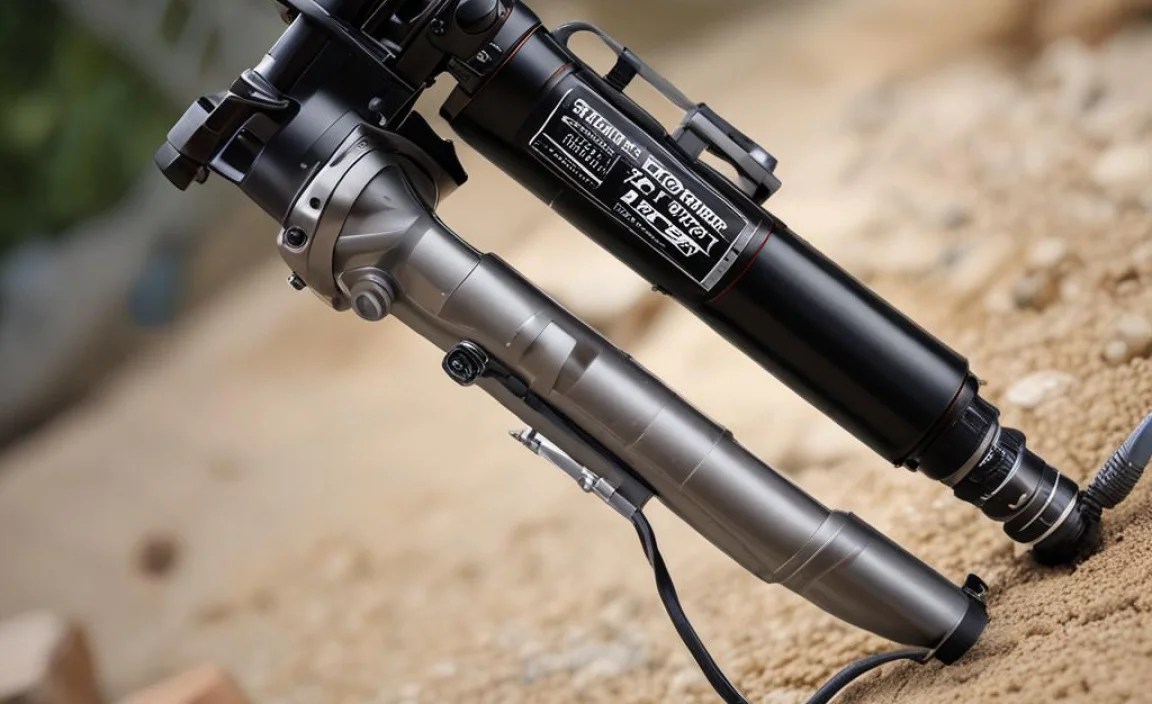
Now, let’s get to the heart of the matter: using your RockShox high-pressure digital shock pump to adjust your suspension.
Step 1: Attaching the Pump
- Remove the Valve Cap: Unscrew the protective cap from the Schrader valve on your shock or fork.
- Connect the Pump Head: Carefully thread the pump head onto the valve. Ensure it’s snug but not overly tight. Overtightening can damage the valve.
- Check the Connection: Make sure the pump head is securely attached to prevent air leaks.
Step 2: Inflating to the Desired Pressure
- Turn on the Digital Gauge: Press the power button to activate the digital display.
- Begin Pumping: Use smooth, consistent strokes to inflate the shock or fork. Watch the pressure reading on the digital gauge.
- Monitor the Pressure: As you pump, keep a close eye on the gauge. Stop when you reach the recommended pressure or your desired setting.
- Avoid Over-Pumping: It’s better to slightly under-inflate and then add more air than to over-inflate and have to release pressure.
Step 3: Fine-Tuning the Pressure
- Use the Bleed Valve: If you’ve over-inflated, use the bleed valve to release small amounts of air. Press the valve gently to let air out in short bursts.
- Check the Pressure Again: After using the bleed valve, double-check the pressure reading to ensure it’s accurate.
- Repeat as Needed: Continue adjusting the pressure until you reach the precise setting you want.
Step 4: Detaching the Pump
- Carefully Unscrew the Pump Head: Slowly unscrew the pump head from the valve. The RockShox pump is designed to minimize air loss during detachment.
- Listen for Air Loss: A slight hiss is normal, but excessive air loss indicates a poor seal or a damaged valve.
- Replace the Valve Cap: Screw the valve cap back on to protect the valve from dirt and debris.
Troubleshooting Common Issues

Even with the best equipment, things can sometimes go wrong. Here are some common issues and how to address them.
Problem: Air Leaking During Pumping
- Cause: Loose connection between the pump head and valve.
- Solution: Tighten the pump head, ensuring it’s snug but not overtightened. Check the O-rings on the pump head for damage and replace if necessary.
Problem: Digital Gauge Not Working
- Cause: Dead battery or faulty gauge.
- Solution: Replace the battery. If the gauge still doesn’t work, contact RockShox for repair or replacement.
Problem: Difficulty Reaching High Pressures
- Cause: Worn pump seals or internal leaks.
- Solution: Inspect the pump for signs of wear or damage. Lubricate the seals with a silicone-based lubricant. If the problem persists, consider replacing the pump.
Problem: Stripped Valve Threads
- Cause: Overtightening the pump head or cross-threading.
- Solution: Replace the valve core using a valve core removal tool. Be careful not to overtighten the pump head in the future.
Maintaining Your RockShox Shock Pump
Proper maintenance will extend the life of your shock pump and ensure accurate readings. Here are some tips:
- Clean Regularly: Wipe down the pump with a clean cloth after each use to remove dirt and grime.
- Lubricate Seals: Periodically lubricate the pump seals with a silicone-based lubricant to keep them supple and prevent leaks.
- Store Properly: Store the pump in a clean, dry place away from direct sunlight and extreme temperatures.
- Check the Battery: Replace the battery in the digital gauge as needed to ensure accurate readings.
Understanding Pressure and Sag
Setting the correct pressure is only half the battle. Understanding sag – how much your suspension compresses under your weight – is equally important. Sag affects your bike’s handling, traction, and overall ride quality.
How to Measure Sag
- Set the O-Ring: Push the O-ring (or zip tie) on your shock stanchion up against the seal.
- Get On Your Bike: Sit on your bike in your normal riding position, with all your gear.
- Dismount Carefully: Get off the bike without bouncing or further compressing the suspension.
- Measure the Distance: Measure the distance between the seal and the O-ring. This is your sag measurement.
Sag Recommendations
The ideal sag depends on your bike and riding style. Here are some general guidelines:
| Suspension Type | Sag Percentage |
|---|---|
| Cross-Country (XC) | 15-20% |
| Trail | 20-25% |
| Enduro | 25-30% |
| Downhill (DH) | 30-35% |
Adjust your air pressure to achieve the desired sag. More pressure reduces sag, while less pressure increases it.
Advanced Suspension Tuning
Once you’re comfortable with basic pressure and sag adjustments, you can explore more advanced tuning options, such as rebound and compression damping.
Rebound Damping
Rebound damping controls how quickly your suspension returns to its fully extended position after compression. Too little rebound damping can make your bike feel bouncy and uncontrolled. Too much rebound damping can make it feel harsh and unresponsive.
Adjusting Rebound Damping
- Find the Rebound Adjuster: Locate the rebound adjuster knob on your shock or fork. It’s usually marked with a rabbit (fast) and a turtle (slow).
- Make Small Adjustments: Turn the knob a few clicks at a time and test the suspension.
- Test Ride: Ride your bike over various terrain to evaluate the rebound damping.
Compression Damping
Compression damping controls how much force it takes to compress your suspension. High-speed compression damping affects how the suspension responds to sudden, large impacts, while low-speed compression damping affects how it responds to pedaling and small bumps.
Adjusting Compression Damping
- Find the Compression Adjuster: Locate the compression adjuster knob on your shock or fork.
- Understand the Settings: Some suspension components have separate high-speed and low-speed compression adjusters.
- Make Small Adjustments: Turn the knob a few clicks at a time and test the suspension.
- Test Ride: Ride your bike over various terrain to evaluate the compression damping.
The Importance of Accurate Pressure Readings
Using a RockShox high-pressure digital shock pump ensures accurate pressure readings, which are crucial for optimal suspension performance. Here’s why:
- Consistency: Digital gauges provide consistent and repeatable readings, eliminating guesswork.
- Precision: Accurate pressure settings allow you to fine-tune your suspension for different riding conditions and preferences.
- Performance: Correctly inflated suspension improves handling, traction, and overall ride quality.
- Safety: Over- or under-inflated suspension can compromise safety. Accurate pressure readings help prevent accidents.
Alternative Shock Pump Options
While the RockShox high-pressure digital shock pump is a great choice, other options are available. Here’s a comparison of some popular alternatives:
| Brand | Model | Features | Price Range |
|---|---|---|---|
| Topeak | PocketShock DXG | Compact, analog gauge, bleed valve | $40-50 |
| Lezyne | Digital Shock Drive | Digital gauge, flexible hose, bleed valve | $60-70 |
| SKS | Suspension Air Pump | Analog gauge, rotating hose, bleed valve | $30-40 |
Consider your budget and desired features when choosing a shock pump. A digital gauge is highly recommended for its accuracy, but analog options can also be effective.
FAQ: RockShox High-Pressure Digital Shock Pump
What is the ideal pressure for my RockShox fork?
The ideal pressure varies depending on your weight, riding style, and the specific fork model. Consult the RockShox pressure chart or your bike’s manual for recommendations.
How often should I check my shock pressure?
Check your shock pressure before each ride, especially if you notice a change in suspension performance. Air can slowly leak over time.
Can I use a regular tire pump for my suspension?
No, a regular tire pump is not suitable for suspension. Shock pumps are designed for high pressures and small volumes, and they have a no-loss connector to minimize air loss.
What does the bleed valve do?
The bleed valve allows you to release small amounts of air to fine-tune the pressure. This is useful for achieving the exact desired setting.
How do I know if my shock pump is accurate?
Compare the pressure reading with another gauge or take your bike to a shop and have them check it. If the readings are significantly different, the pump may need calibration or replacement.
What is sag, and why is it important?
Sag is the amount your suspension compresses under your weight. It’s important because it affects your bike’s handling, traction, and overall ride quality. Adjusting air pressure to achieve the correct sag is crucial for optimal performance.
How do I maintain my RockShox shock pump?
Clean the pump regularly, lubricate the seals with a silicone-based lubricant, store it in a clean, dry place, and replace the battery in the digital gauge as needed.
Conclusion
Using a RockShox high-pressure digital shock pump may seem daunting at first, but with a little practice, you’ll be able to dial in your suspension like a pro. Remember to consult your bike’s manual, take accurate measurements, and make small adjustments at a time. With the right tools and knowledge, you’ll be able to unlock the full potential of your bike and enjoy a smoother, more controlled ride. So, grab your pump, hit the trails, and experience the difference that properly tuned suspension can make!


