How to Adjust Suspension for Rider Weight Using a Shock Pump: Easy!

Do you love riding your bike? Does it feel bumpy sometimes? Maybe your bike’s suspension needs a little help. Learning how to adjust suspension for rider weight using a shock pump can make a big difference. It can make your rides smoother and more fun.
Imagine your bike bouncing too much when you ride. That’s a sign your suspension isn’t right. A shock pump helps you add or remove air. This changes how the suspension works. It makes your bike work better for you.
Getting the suspension right is like finding the perfect shoes. They fit just right. They make you feel good. When your suspension is set for your weight, riding is awesome. It’s easier to control your bike. You will have more fun on the trails. Let’s learn how to do it!
Key Takeaways
- Knowing how to adjust suspension for rider weight using a shock pump improves ride quality.
- Use a shock pump to add or remove air from your bike’s suspension.
- Proper suspension setup enhances control and reduces rider fatigue.
- Suspension sag should be checked regularly for optimal performance.
- Adjusting suspension makes your bike handle better on different trails.
How To Adjust Suspension for Rider Weight

Learning how to adjust suspension for rider weight using a shock pump is important. It helps your bike work its best. The suspension absorbs bumps. It keeps your tires on the ground. When it’s set right, you have more control. You also feel less tired after a ride. Suspension that is too soft makes the bike feel like it is wallowing. Suspension that is too stiff can rattle your teeth. Finding the sweet spot is key. A shock pump lets you fine-tune the air pressure. This changes how the suspension reacts to bumps. You can make small changes and test them out. Remember to check the sag. Sag is how much the suspension compresses when you sit on the bike. This measurement helps you know if you’re in the right range. Take your time and experiment. You will notice a big difference.
- Find your bike’s recommended air pressure range.
- Attach the shock pump to the suspension valve.
- Add or remove air in small increments.
- Check the sag with you on the bike.
- Adjust until the sag is correct for your riding style.
- Go for a short ride to test the changes.
Adjusting your suspension is like tuning a musical instrument. You want it to sound just right. Start with the basics. Find the recommended air pressure for your weight. This is usually on a sticker on the bike. Next, attach the shock pump. Add or remove air slowly. Check the sag after each adjustment. Sag is how much the suspension compresses when you sit on it. Too much sag means the suspension is too soft. Not enough sag means it’s too stiff. Aim for the sag recommended by the bike maker. Once the sag is right, go for a ride. Feel how the bike handles. Make small changes until it feels perfect. Getting it right takes time, but it’s worth it.
Fun Fact or Stat: Studies show that correctly adjusted suspension can improve a rider’s speed by up to 15% on technical trails.
Why Is Suspension Adjustment Important?
Have you ever ridden a bike that felt like it was fighting you? Maybe the bumps felt extra harsh. Or maybe the bike felt wobbly in turns. This could be because the suspension wasn’t set up right. How to adjust suspension for rider weight using a shock pump is a key skill. It helps your bike work with you, not against you. When the suspension is right, the bike absorbs bumps. This makes the ride smoother. It also keeps your tires on the ground. This gives you more control. A well-adjusted suspension helps you ride faster. You can also ride for longer without getting as tired. Think of it like having the right shoes for running. They make running easier and more fun.
How Does Rider Weight Affect Suspension?
Imagine two friends riding the same bike. One friend is much heavier than the other. The heavier friend will compress the suspension more. This means the suspension will feel softer. The lighter friend won’t compress it as much. The suspension will feel stiffer. That’s why how to adjust suspension for rider weight using a shock pump is so important. The air pressure in the suspension needs to match the rider’s weight. Too little air and the suspension will bottom out. This means it will use all its travel on small bumps. Too much air and the suspension will be too stiff. It won’t absorb the bumps properly. Getting the right balance makes the ride much better.
What Tools Do You Need?
To adjust your suspension, you need a few simple tools. The most important tool is a shock pump. This is a special pump that can add or remove air from the suspension. It has a gauge to show you the air pressure. You will also need a measuring tape. This helps you measure the sag. Some bikes have sag indicators. These are markings on the suspension that show you how much it has compressed. A friend can also be helpful. They can hold the bike while you sit on it to check the sag. With these tools, you can learn how to adjust suspension for rider weight using a shock pump easily.
Understanding Suspension Components
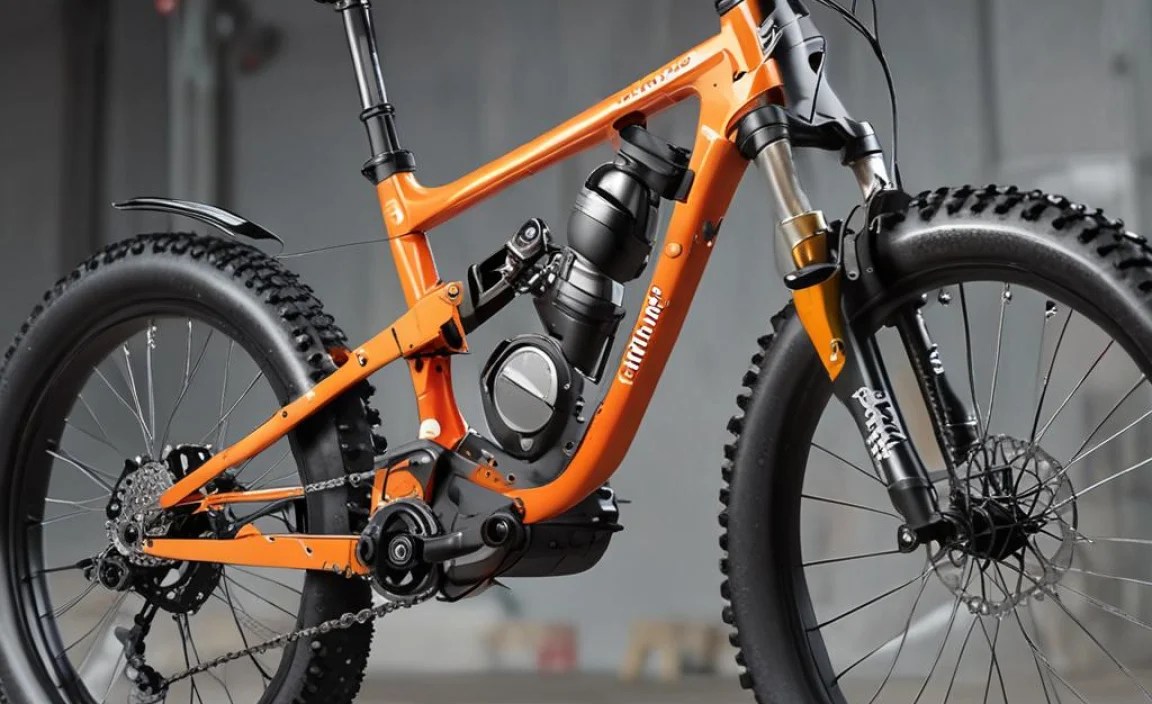
Understanding the parts of your bike’s suspension is helpful. It makes it easier to learn how to adjust suspension for rider weight using a shock pump. The main parts are the fork and the shock. The fork is on the front of the bike. The shock is on the back. Both have springs inside. These springs absorb the bumps. Some suspensions use air springs. Others use coil springs. Air springs can be adjusted with a shock pump. Coil springs are harder to adjust. They often need to be changed to match your weight. The suspension also has dampers. Dampers control how fast the suspension moves. They stop the bike from bouncing too much. Knowing how these parts work together helps you fine-tune your ride.
- Forks are on the front and absorb front wheel impacts.
- Shocks are on the rear and handle rear wheel impacts.
- Air springs use air pressure for support.
- Coil springs use metal coils for support.
- Dampers control suspension movement speed.
- Adjustments affect how the suspension feels on trails.
Learning about suspension parts is like learning about the different parts of a car engine. Each part has a job to do. The fork is like the front suspension of a car. It soaks up bumps from the front wheel. The shock is like the rear suspension. It handles bumps from the back wheel. Air springs are like adjustable car suspension. You can change the air pressure to make the ride softer or stiffer. Coil springs are like regular car springs. They are simple and reliable. Dampers are like the brakes for the suspension. They slow down the movement. This stops the bike from bouncing too much. When you know what each part does, you can better understand how to adjust suspension for rider weight using a shock pump.
Fun Fact or Stat: The first mountain bikes did not have suspension. Riders had to rely on their arms and legs to absorb bumps!
What Is a Fork?
The fork is the part of the suspension on the front of your bike. It connects the front wheel to the frame. The fork has two main parts: the stanchions and the lowers. The stanchions are the shiny tubes that slide up and down. The lowers are the part that holds the front wheel. Inside the fork are the spring and the damper. The spring absorbs the bumps. The damper controls how fast the fork moves. Forks come in different travel lengths. Travel is how much the fork can move up and down. Longer travel forks are better for rough trails. Shorter travel forks are better for smooth trails. Knowing about the fork helps with how to adjust suspension for rider weight using a shock pump.
What Is a Shock?
The shock is the suspension part on the back of your bike. It connects the rear wheel to the frame. Like the fork, the shock has a spring and a damper. The spring absorbs the bumps. The damper controls the movement. Shocks also come in different lengths and travels. The length is the distance between the mounting points. The travel is how much the shock can compress. Some shocks have a remote lockout. This lets you stiffen the suspension for climbing. Learning about the shock is important for how to adjust suspension for rider weight using a shock pump.
Air Spring vs. Coil Spring
Air springs and coil springs are two types of springs used in suspension. Air springs use air pressure to support the rider. They are lighter than coil springs. You can adjust the air pressure with a shock pump. This makes it easy to fine-tune the suspension. Coil springs use a metal coil to support the rider. They are heavier than air springs. They are also more reliable. Coil springs are harder to adjust. You often need to change the spring to match your weight. Air springs are common on mountain bikes. Coil springs are often used on downhill bikes. Understanding the difference helps with how to adjust suspension for rider weight using a shock pump.
Setting Initial Air Pressure
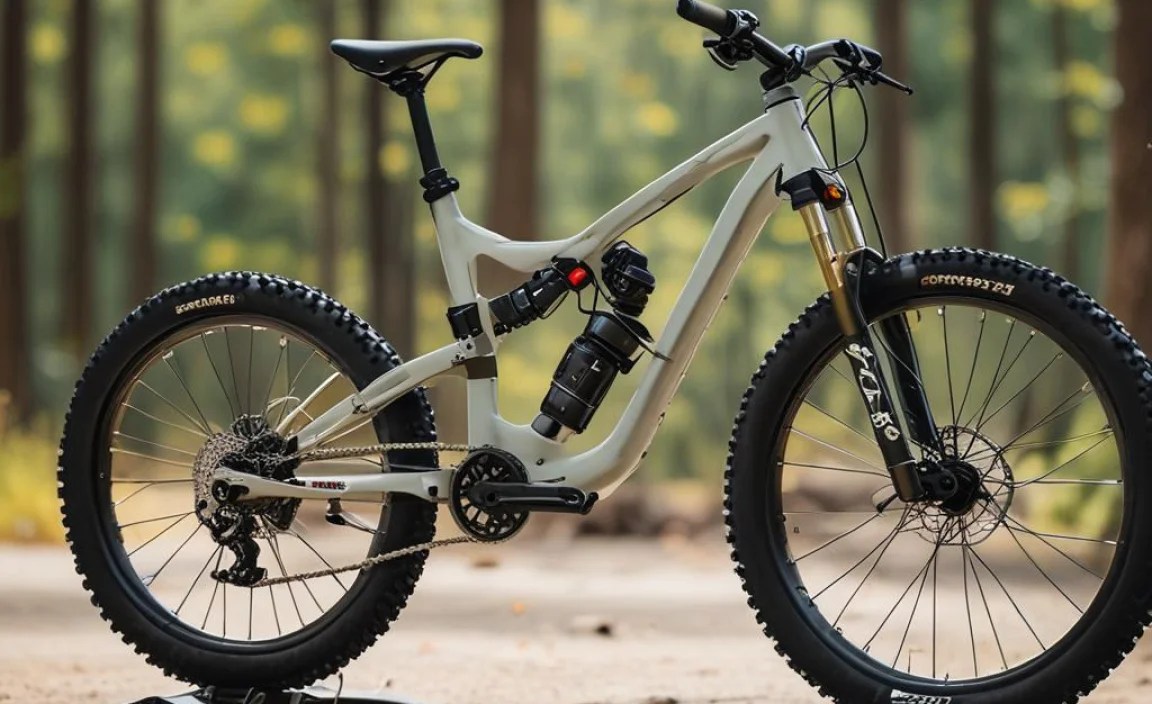
Setting the initial air pressure is the first step. It helps you learn how to adjust suspension for rider weight using a shock pump. Find the recommended air pressure range for your bike. This is usually on a sticker on the fork or shock. It might also be in the bike’s manual. Start with the pressure in the middle of the range. Attach the shock pump to the valve. Make sure it is securely attached. Add air slowly. Check the pressure on the gauge. Don’t over-inflate the suspension. This can damage it. Once you reach the desired pressure, remove the pump. Now you can check the sag.
- Find the recommended air pressure range.
- Attach the shock pump securely.
- Add air slowly, checking the gauge.
- Avoid over-inflating the suspension.
- Remove the pump carefully.
- Prepare to check the sag.
Imagine you are inflating a tire on your car. You wouldn’t just pump it up without checking the pressure. The same is true for your bike’s suspension. Start by finding the recommended air pressure range. This information is usually on a sticker on the fork or shock. It might also be in the bike’s manual. If you can’t find it, ask your local bike shop. Once you know the range, start with the pressure in the middle. Attach the shock pump carefully. Make sure it’s secure. Add air slowly. Keep an eye on the gauge. Don’t over-inflate. It can damage the suspension. Once you reach the right pressure, remove the pump. Now you’re ready to check the sag. This is a key step in how to adjust suspension for rider weight using a shock pump.
Fun Fact or Stat: The air pressure in your suspension can change with temperature. Hotter temperatures increase pressure, while colder temperatures decrease it.
Finding Recommended Pressure
Finding the recommended air pressure is like finding the right recipe for a cake. You need the right ingredients to make it taste good. The recommended air pressure is the right ingredient for your suspension. Look for a sticker on the fork or shock. It will have a chart. The chart shows the air pressure for different rider weights. The bike’s manual might also have this information. If you can’t find it, ask your local bike shop. They can help you find the right pressure for your weight. This is a crucial step in how to adjust suspension for rider weight using a shock pump.
Attaching the Shock Pump
Attaching the shock pump is like connecting a hose to a faucet. You want it to be secure so no water leaks out. The same is true for the shock pump. Make sure it’s firmly attached to the valve. The valve is usually on top of the fork or shock. Screw the pump onto the valve until it’s snug. Don’t over-tighten it. This can damage the valve. Some pumps have a lever that locks them onto the valve. Make sure the lever is locked before you start pumping. A secure connection is key for how to adjust suspension for rider weight using a shock pump.
Adding Air Slowly
Adding air slowly is like adding sugar to a drink. You don’t want to add too much at once. Add air in small bursts. Check the pressure on the gauge after each burst. This helps you avoid over-inflating the suspension. Over-inflation can damage the seals. It can also make the ride too stiff. Take your time and be patient. Small changes can make a big difference. This careful approach is important for how to adjust suspension for rider weight using a shock pump.
Checking and Adjusting Sag
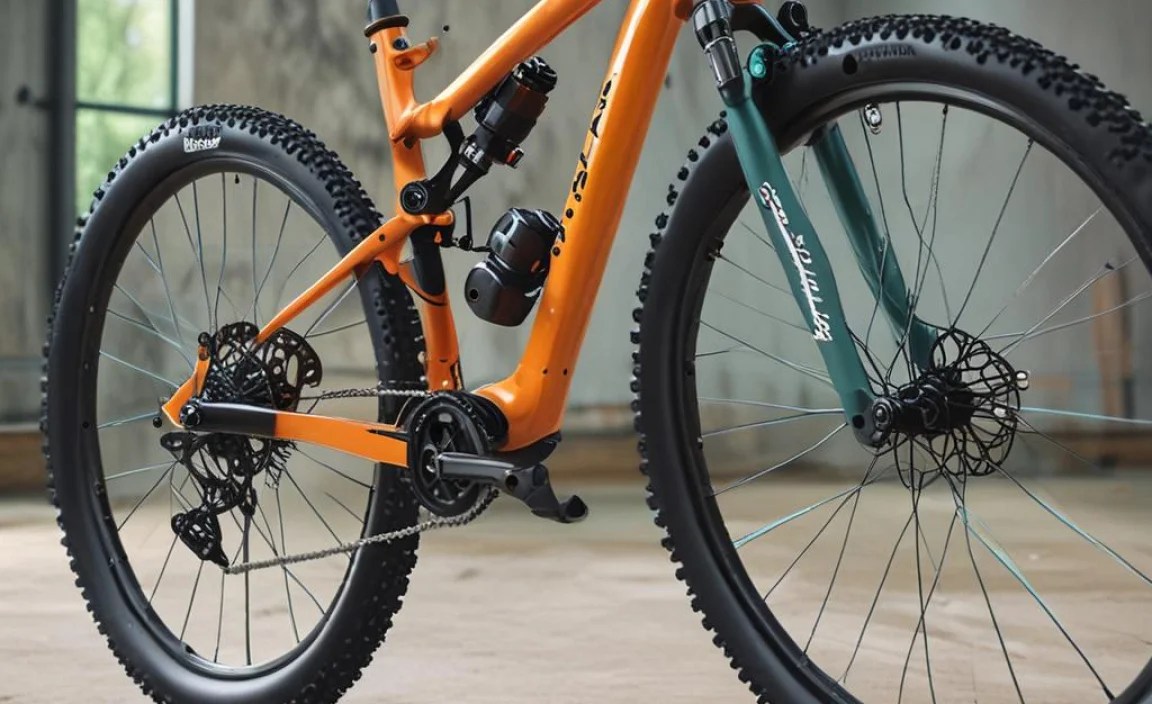
Checking and adjusting sag is super important. It is a key part of how to adjust suspension for rider weight using a shock pump. Sag is how much the suspension compresses when you sit on the bike. It shows if the air pressure is right for your weight. Too much sag means the pressure is too low. Not enough sag means the pressure is too high. To check sag, first put on your riding gear. Then, stand next to the bike. Push down on the suspension a few times. This helps it settle. Now, carefully sit on the bike in your normal riding position. Have a friend measure how much the suspension has compressed. Compare this to the recommended sag. Adjust the air pressure until the sag is correct.
| Rider Weight (lbs) | Recommended Air Pressure (PSI) | Recommended Sag (mm) |
|---|---|---|
| 100-120 | 80-90 | 20-25 |
| 121-140 | 91-100 | 25-30 |
| 141-160 | 101-110 | 30-35 |
| 161-180 | 111-120 | 35-40 |
Checking sag is like checking the oil in your car. It tells you if everything is running smoothly. First, get ready to ride. Put on your helmet, shoes, and any other gear you usually wear. This makes sure the sag measurement is accurate. Stand next to the bike. Push down on the suspension a few times. This helps it settle. Now, carefully sit on the bike. Sit in your normal riding position. Don’t bounce or move around. Have a friend measure the sag. They should measure the distance between two points on the suspension. One point is on the frame. The other is on the moving part of the suspension. Compare the measurement to the recommended sag. If the sag is too much, add air. If it’s not enough, remove air. This fine-tuning is essential for how to adjust suspension for rider weight using a shock pump.
Fun Fact or Stat: Professional mountain bike racers often adjust their suspension sag by as little as 1mm to gain a competitive edge.
What Is Sag?
Sag is the amount the suspension compresses under your weight. It’s like how much a mattress sinks when you lie on it. The right amount of sag ensures the suspension works properly. It allows the wheels to follow the ground. This gives you better control and comfort. Too much sag and the suspension will bottom out easily. Not enough sag and the ride will be harsh. Sag is a key measurement for how to adjust suspension for rider weight using a shock pump.
How to Measure Sag?
Measuring sag is like measuring the height of a plant. You need to know where to start and end. First, find the two points on the suspension to measure between. One point is on the frame. The other is on the moving part of the suspension. Push down on the suspension a few times to settle it. Carefully sit on the bike in your riding position. Have a friend measure the distance between the two points. Subtract this measurement from the fully extended length. The difference is the sag. Accurate measurement is key for how to adjust suspension for rider weight using a shock pump.
Adjusting Air Pressure for Sag
Adjusting air pressure for sag is like adjusting the volume on a radio. You want to find the perfect level. If the sag is too much, add air to the suspension. This will make it stiffer. If the sag is not enough, remove air. This will make it softer. Add or remove air in small increments. Check the sag after each adjustment. It takes time to get it right. But the effort is worth it. Proper sag improves your ride. Fine-tuning air pressure is essential for how to adjust suspension for rider weight using a shock pump.
Fine-Tuning Rebound and Compression

After setting sag, you can fine-tune other settings. Rebound and compression are important. They help you learn how to adjust suspension for rider weight using a shock pump even more. Rebound controls how fast the suspension returns after a bump. Too much rebound and the bike will feel bouncy. Not enough rebound and the suspension will pack up. Packing up means it doesn’t return fast enough for the next bump. Compression controls how stiff the suspension feels. More compression makes it stiffer. Less compression makes it softer. Most suspensions have adjustable rebound and compression. Experiment with these settings to find what works best for you.
- Rebound controls suspension return speed.
- Too much rebound feels bouncy.
- Too little rebound causes packing up.
- Compression adjusts suspension stiffness.
- More compression is stiffer.
- Less compression is softer.
- Experiment to find your ideal settings.
Think of rebound and compression as the volume and bass controls on a stereo. Rebound is like the volume. It controls how quickly the suspension returns. Compression is like the bass. It controls how stiff the suspension feels. To adjust rebound, find the rebound adjuster. It’s usually a small knob on the fork or shock. Turn the knob to adjust the rebound speed. Start with the rebound in the middle. Ride over some bumps. If the bike feels bouncy, slow down the rebound. If the suspension packs up, speed up the rebound. To adjust compression, find the compression adjuster. Turn the knob to adjust the stiffness. More compression is good for smooth trails. Less compression is better for rough trails. Finding the right balance takes time and practice. But it makes a big difference in how your bike feels. It improves your understanding of how to adjust suspension for rider weight using a shock pump.
Fun Fact or Stat: Some high-end suspension systems have separate adjustments for high-speed and low-speed compression.
Understanding Rebound
Understanding rebound is like understanding how a spring works. When you compress a spring, it wants to bounce back. Rebound controls how fast it bounces back. Too much rebound and the bike will feel like a pogo stick. It will bounce you off the seat. Not enough rebound and the suspension won’t recover in time for the next bump. This makes the ride feel harsh. Finding the right rebound setting is key to a smooth ride. This knowledge is helpful for how to adjust suspension for rider weight using a shock pump.
Adjusting Rebound Settings
Adjusting rebound settings is like adjusting the speed of a metronome. You want to find the right tempo. Turn the rebound adjuster to change the rebound speed. Start with the adjuster in the middle. Ride over some bumps. Pay attention to how the bike feels. If it bounces too much, slow down the rebound. If it feels harsh, speed up the rebound. Make small changes and test them out. It takes time to find the perfect setting. But it’s worth the effort. Rebound adjustment is important for how to adjust suspension for rider weight using a shock pump.
Understanding Compression
Understanding compression is like understanding how a shock absorber works in a car. Compression controls how stiff the suspension feels when it hits a bump. More compression makes the suspension stiffer. This is good for smooth trails and jumps. Less compression makes the suspension softer. This is better for rough trails and small bumps. The right compression setting depends on the terrain and your riding style. Learning about compression helps with how to adjust suspension for rider weight using a shock pump.
Testing and Refining Adjustments
Testing and refining adjustments is the final step. It completes the process of how to adjust suspension for rider weight using a shock pump. After making adjustments, it’s important to test them. Find a trail you know well. Ride it with the new settings. Pay attention to how the bike feels. Does it feel smoother? Does it handle better? If not, make small changes. Test again. Keep testing and refining until you’re happy. Remember, suspension setup is personal. What works for one rider might not work for another. Experiment and find what works best for you.
- Ride a familiar trail after adjustments.
- Pay attention to how the bike feels.
- Make small changes if needed.
- Test again after each change.
- Suspension setup is personal.
- Experiment to find what works best.
Imagine you’re baking a cake. You don’t just follow the recipe and hope for the best. You taste it along the way. If it needs more sugar, you add some. If it needs more salt, you add some. The same is true for suspension setup. After making adjustments, you need to test them. Find a trail you know well. Ride it with the new settings. Pay attention to how the bike feels. Does it feel smoother? Does it handle better? If not, make small changes. Test again. Keep testing and refining until you’re happy. Remember, suspension setup is personal. What works for one rider might not work for another. Experiment and find what works best for you. This is the heart of how to adjust suspension for rider weight using a shock pump.
Fun Fact or Stat: Some professional riders spend hours testing suspension setups before a race, trying different combinations of air pressure, rebound, and compression.
Finding a Test Trail
Finding a test trail is like finding the right testing ground for a new invention. You need a place that will show you how well it works. Choose a trail that has a mix of terrain. Look for bumps, rocks, and turns. This will help you evaluate the suspension. Ride the trail several times. Pay attention to how the bike feels on each feature. A good test trail is key to how to adjust suspension for rider weight using a shock pump.
Evaluating Suspension Feel
Evaluating suspension feel is like listening to music. You need to pay attention to the details. Does the bike feel smooth over bumps? Does it feel stable in turns? Does it feel responsive when you pedal? These are all important questions to ask yourself. Pay attention to how the bike feels on different parts of the trail. This will help you identify areas for improvement. Good evaluation is essential for how to adjust suspension for rider weight using a shock pump.
Making Small Changes
Making small changes is like adding spices to a dish. You want to add just enough to enhance the flavor. The same is true for suspension adjustments. Small changes can make a big difference. Don’t make big changes all at once. This can make it hard to know what’s working. Make one small adjustment at a time. Then test it out. This will help you fine-tune your suspension. This precise approach is vital for how to adjust suspension for rider weight using a shock pump.
Common Mistakes to Avoid
When you learn how to adjust suspension for rider weight using a shock pump, avoid common mistakes. One mistake is ignoring the recommended air pressure range. Always start within the range. Another mistake is over-inflating the suspension. This can damage it. Also, don’t forget to check the sag. Sag is crucial for proper suspension performance. Another mistake is making big adjustments all at once. Small changes are better. Finally, don’t be afraid to ask for help. A local bike shop can offer advice.
- Ignoring recommended air pressure ranges.
- Over-inflating the suspension components.
- Forgetting to check the suspension sag.
- Making large adjustments at once.
- Being afraid to ask for help.
Think of learning how to adjust suspension for rider weight using a shock pump like learning to ride a bike. You’re going to make mistakes. But you can learn from them. One common mistake is ignoring the recommended air pressure range. Always start within the range. Another mistake is over-inflating the suspension. This can damage the seals and make the ride harsh. Don’t forget to check the sag. Sag is how much the suspension compresses under your weight. It’s crucial for proper suspension performance. Another mistake is making big adjustments all at once. Small changes are better. Finally, don’t be afraid to ask for help. A local bike shop can offer advice and guidance. Learning from mistakes makes you a better rider.
Fun Fact or Stat: Many riders mistakenly believe that more air pressure always equals better performance, but this is often not the case.
Ignoring Pressure Ranges
Ignoring pressure ranges is like ignoring the speed limit. You might get away with it for a while. But eventually, you’ll get into trouble. The recommended air pressure range is there for a reason. It’s based on the design of the suspension. It ensures the suspension works properly and safely. Always stay within the recommended range. This is key to how to adjust suspension for rider weight using a shock pump.
Over-Inflating Suspension
Over-inflating suspension is like over-inflating a balloon. It might seem like a good idea at first. But eventually, it will pop. Over-inflating the suspension can damage the seals. It can also make the ride harsh and uncomfortable. Always check the pressure gauge. Don’t exceed the maximum pressure. This protects your suspension and your ride. It is a vital part of how to adjust suspension for rider weight using a shock pump.
Skipping Sag Adjustments
Skipping sag adjustments is like skipping breakfast. You might feel okay for a little while. But eventually, you’ll run out of energy. Sag is crucial for proper suspension performance. It ensures the suspension has enough travel to absorb bumps. It also keeps the tires on the ground. Always check and adjust the sag. This maximizes your control and comfort. It is an essential step in how to adjust suspension for rider weight using a shock pump.
Summary
Learning how to adjust suspension for rider weight using a shock pump is important for every rider. It can improve your bike’s performance. Proper adjustment enhances control and comfort. You will ride faster and longer with less effort. Start by finding the recommended air pressure. Then, use a shock pump to add or remove air. Check the sag to ensure the suspension is set up correctly. Fine-tune rebound and compression for optimal performance. Test your adjustments on a familiar trail. Avoid common mistakes, such as over-inflating the suspension. With practice, you’ll master suspension setup. You’ll enjoy a better riding experience.
Conclusion
Adjusting your bike’s suspension might seem hard. But it’s worth the effort. You can make your rides smoother and more fun. Start with the basics. Find the right air pressure for your weight. Check the sag. Fine-tune the rebound and compression. Experiment until you find what works best. With a little practice, you will learn how to adjust suspension for rider weight using a shock pump. You will enjoy a better ride every time.
Frequently Asked Questions
Question No 1: What is a shock pump and why do I need one?
Answer: A shock pump is a special pump. It is designed for adjusting air pressure in bike suspensions. Regular tire pumps don’t work. They can’t reach the high pressures needed. A shock pump has a gauge. The gauge shows the exact pressure. This helps you fine-tune your suspension. It makes your rides smoother and more controlled. Learning how to adjust suspension for rider weight using a shock pump becomes easier with the right tool. It is a must-have for serious riders. It allows you to customize your ride.
Question No 2: How often should I adjust my suspension?
Answer: You should adjust your suspension regularly. Check it before each ride. Small changes in air pressure can affect performance. Temperature changes can also impact air pressure. If you ride in different terrains, adjust accordingly. Suspension settings for smooth trails are different than rocky trails. If you gain or lose weight, adjust the suspension. Seasonal checks are also a good idea. Consistent maintenance ensures optimal performance. This habit supports your understanding of how to adjust suspension for rider weight using a shock pump.
Question No 3: Can I use a regular tire pump to adjust my suspension?
Answer: No, you cannot use a regular tire pump. A regular tire pump cannot reach the high pressures needed for suspension. Also, a regular pump does not have a precise gauge. Without a gauge, you can’t accurately adjust the air pressure. Using the wrong pump can damage your suspension. Always use a shock pump. A shock pump is designed for this purpose. It provides the necessary pressure and accuracy. It helps you learn how to adjust suspension for rider weight using a shock pump safely and effectively.
Question No 4: What does “sag” mean in relation to suspension?
Answer: Sag is how much the suspension compresses under your weight. It is a key measurement for suspension setup. The right amount of sag ensures the suspension works properly. It allows the wheels to follow the ground. This gives you better control and comfort. Too much sag means the suspension is too soft. Not enough sag means it’s too stiff. Measuring sag helps you fine-tune the air pressure. Adjusting the air pressure to achieve the correct sag is fundamental to how to adjust suspension for rider weight using a shock pump.
Question No 5: What if I don’t know my weight?
Answer: Knowing your weight is important. It helps you set the correct air pressure. Use a bathroom scale to weigh yourself. Wear your usual riding gear when you weigh yourself. This makes the measurement more accurate. If you don’t have a scale, ask a friend for help. You can also visit a local bike shop. They often have scales available. Once you know your weight, you can find the recommended air pressure. Accurate weight information is essential for how to adjust suspension for rider weight using a shock pump.
Question No 6: What do I do if my suspension bottoms out frequently?
Answer: Bottoming out means the suspension uses all its travel. This happens when the air pressure is too low. Add more air to the suspension. Use your shock pump to increase the pressure. Add air in small increments. Check the sag after each adjustment. Make sure you stay within the recommended pressure range. If you still bottom out, consider increasing compression damping. If you do this, consult a professional bike mechanic. Adjusting the air pressure correctly using these steps is important to how to adjust suspension for rider weight using a shock pump.